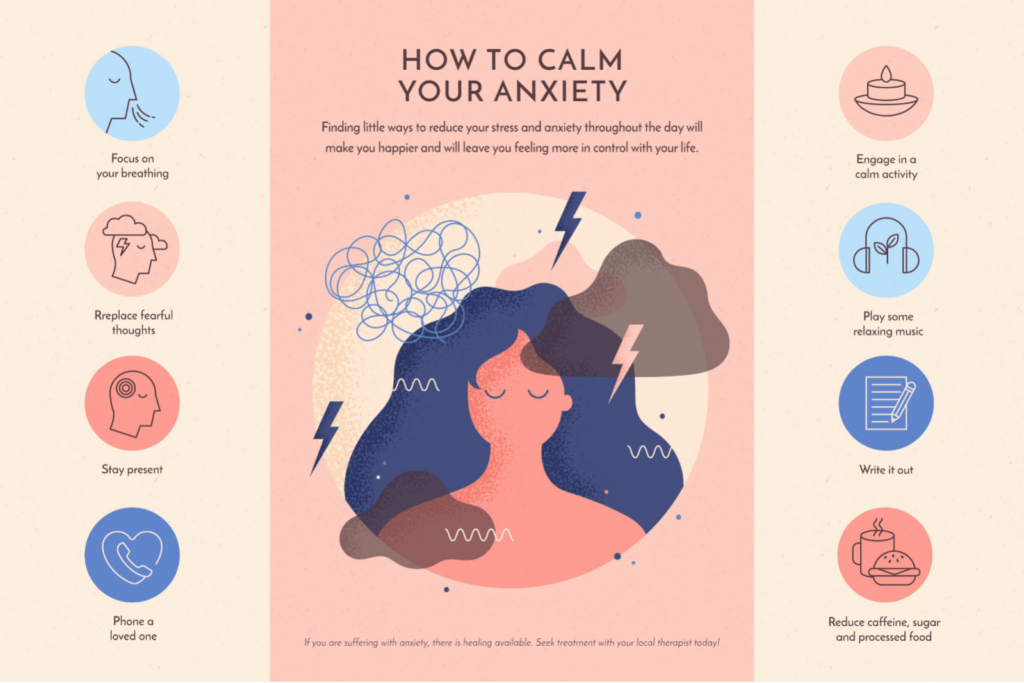
Are you tired of constantly feeling overwhelmed and anxious? If so, then it’s time to learn some effective strategies on how to prevent anxiety. In this article, you will discover valuable tips and techniques that can help you take control of your mental well-being. From practicing mindfulness to maintaining a healthy lifestyle, implementing these suggestions into your daily routine can make a significant difference in reducing anxiety levels. Say goodbye to stress and hello to a more peaceful and balanced life.
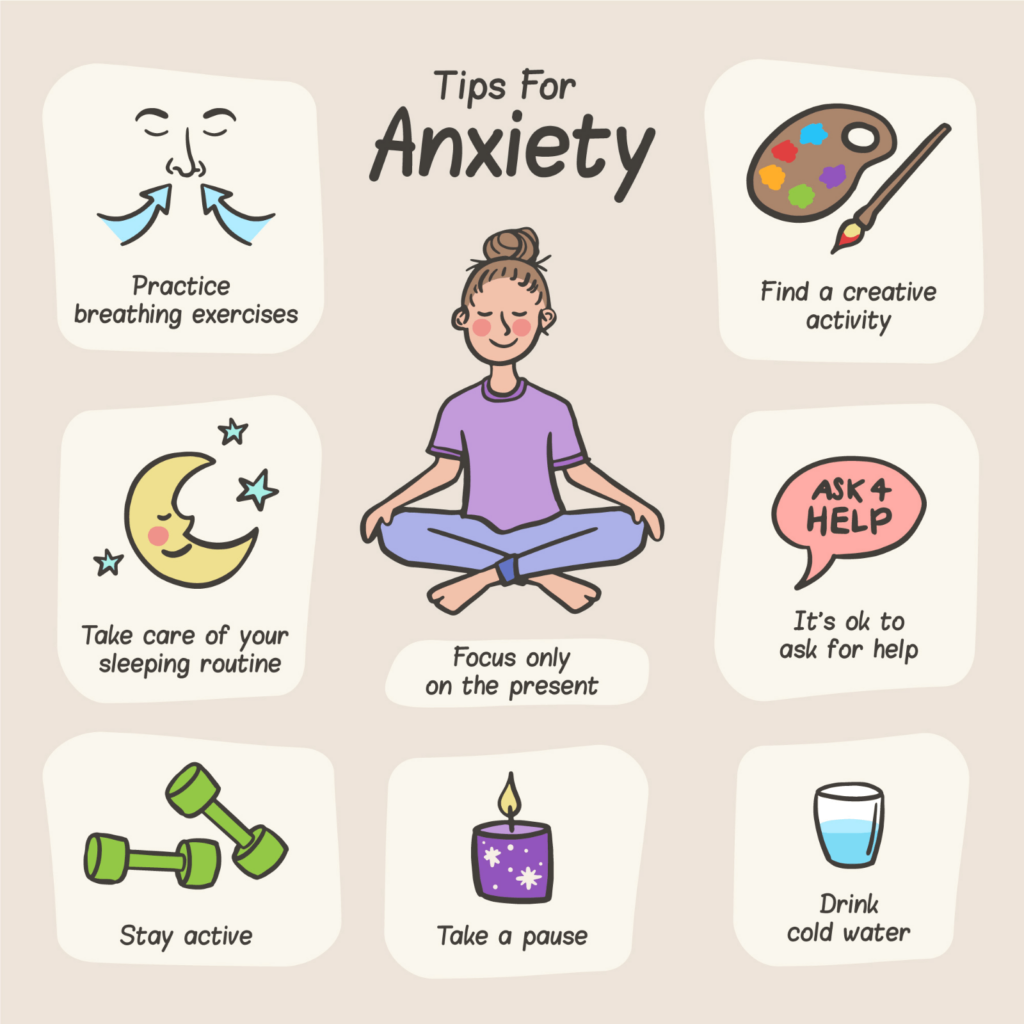
Recognizing the Signs and Symptoms
Understanding the Different Types of Anxiety Disorders
Anxiety disorders encompass a range of conditions that result in excessive worry, fear, and anxiety. It is essential to recognize the different types of anxiety disorders to understand their signs and symptoms fully. Generalized Anxiety Disorder (GAD) is characterized by persistent and excessive worry about various aspects of life, such as work, health, or daily routines. Panic Disorder involves sudden and recurrent panic attacks, accompanied by physical symptoms like chest pain or shortness of breath. Social Anxiety Disorder causes an intense fear of social situations, leading to avoidance and discomfort. Phobias are intense fears of specific objects or situations, such as heights or spiders. Obsessive-Compulsive Disorder (OCD) is marked by unwanted obsessions or repetitive, ritualistic behaviors that individuals feel compelled to perform. Post-Traumatic Stress Disorder (PTSD) is triggered by a traumatic event and may lead to flashbacks, nightmares, or intrusive thoughts.
Identifying Common Physical Symptoms of Anxiety
Anxiety can produce a wide range of physical symptoms, recognizing which can help you identify and address your anxiety. Common physical symptoms of anxiety include increased heart rate, palpitations, shortness of breath, chest tightness, or hyperventilation. Individuals may experience muscle tension, trembling or shaking, dizziness, or lightheadedness. Digestive issues such as stomachaches, nausea, or diarrhea are also common. Sleep disturbances, such as insomnia or restless sleep, can be linked to anxiety. Additionally, sweating, hot flashes, or chills may be present. Recognizing these physical symptoms can prompt you to take steps towards managing and reducing your anxiety levels effectively.
Recognizing Emotional Symptoms of Anxiety
In addition to physical symptoms, anxiety can manifest in various emotional ways. Recognizing these emotional symptoms can help you understand and address your anxiety. Common emotional symptoms of anxiety include feelings of apprehension, restlessness, or irritability. Excessive worry or fear about everyday situations may be present. Individuals might also experience difficulty concentrating or feeling on edge. It is common for anxiety to lead to feelings of impending doom or a sense of loss of control. Recognizing these emotional symptoms is crucial in seeking appropriate support and treatment.
Noting Behavioral Symptoms of Anxiety
Anxiety can also manifest in behavioral symptoms that can be apparent to both yourself and others. Being aware of these behaviors can help you understand when anxiety is affecting your life. Common behavioral symptoms of anxiety include avoidance of certain situations or places that trigger anxiety. Individuals may engage in repetitive behaviors or rituals to reduce anxiety. Procrastination or difficulty making decisions are also common signs. Avoiding social interactions or isolating oneself from others can be indicative of anxiety. Recognizing these behaviors can prompt you to seek strategies to manage anxiety effectively.
Adopting a Healthy Lifestyle
Maintaining a Balanced Diet
Eating a balanced diet plays a crucial role in maintaining both your physical and mental well-being. When it comes to managing anxiety, certain foods and nutrients can help alleviate symptoms. Incorporating foods rich in omega-3 fatty acids, such as fatty fish, walnuts, and chia seeds, can help reduce anxiety. Avoiding or limiting caffeine intake can also be beneficial as caffeine can increase anxiety symptoms in some individuals. Additionally, consuming whole grain foods, fruits, and vegetables while avoiding excessive sugar and processed foods can promote stable blood sugar levels and contribute to overall mental wellness.
Regular Exercise and Physical Activity
Engaging in regular exercise and physical activity is an effective way to reduce anxiety and improve your overall well-being. Exercise releases endorphins, which are natural mood-boosting hormones, helping to alleviate stress and anxiety. Find an exercise routine that you enjoy, whether it be walking, jogging, swimming, or dancing, and aim for at least 30 minutes of moderate-intensity exercise most days of the week. Additionally, incorporating activities like yoga or tai chi can promote relaxation and mindfulness, further reducing anxiety levels.
Getting Sufficient Sleep and Rest
Adequate sleep and rest are crucial for managing anxiety. Lack of sleep can exacerbate anxiety symptoms and make it more difficult to cope with daily stress. Aim to establish a consistent sleep schedule, ensuring you get the recommended 7-8 hours of quality sleep each night. Prioritize creating a sleep-friendly environment by keeping your bedroom cool, dark, and free from distractions. Establish a relaxing bedtime routine, such as reading a book or taking a warm bath, to signal to your body that it is time to wind down. Practicing good sleep hygiene and incorporating relaxation techniques can help promote restful sleep and reduce anxiety.
Limiting or Avoiding Substance Use
Substance use, including alcohol, nicotine, and recreational drugs, can exacerbate anxiety symptoms and interfere with effective anxiety management. While substances may provide temporary relief or distraction, they can contribute to a vicious cycle of increased anxiety and dependence. It is important to be mindful of your substance use and seek healthier coping mechanisms instead. Instead of turning to substances for relief, consider connecting with supportive friends or engaging in activities that help distract your mind and reduce stress. Developing healthy coping strategies can contribute to long-term anxiety prevention and management.
Practicing Stress Management Techniques
Deep Breathing and Relaxation Exercises
Deep breathing and relaxation exercises are highly effective techniques for calming anxiety in the moment and promoting overall well-being. Simply taking slow, deep breaths can activate the body’s relaxation response and reduce feelings of stress and anxiety. Try inhaling deeply through your nose, counting to four, holding for a moment, and then exhaling slowly through your mouth, also counting to four. Progressive muscle relaxation, where you tense and release different muscle groups in your body, can further promote relaxation and reduce tension. Practice these techniques regularly, especially during times of increased stress, to manage anxiety effectively.
Mindfulness and Meditation Practices
Mindfulness and meditation practices have been found to be beneficial for managing anxiety and promoting a sense of calm and clarity. Mindfulness involves paying attention to the present moment non-judgmentally, accepting your thoughts and feelings as they are without trying to change them. Meditation often involves focusing on your breath or repeating a calming phrase or mantra. Incorporating mindfulness and meditation into your daily routine can help reduce anxiety, improve focus, and enhance overall well-being. Consider attending mindfulness-based stress reduction courses or using smartphone applications that guide you through meditation exercises.
Engaging in Regular Physical Activity
Regular physical activity not only promotes physical health but also plays a significant role in managing anxiety. Engaging in activities like walking, jogging, or dancing can increase the production of endorphins, the brain’s feel-good chemicals, leading to reduced anxiety and improved mood. Aim for at least 30 minutes of moderate-intensity exercise most days of the week to maximize the benefits. Additionally, incorporating mindful movement practices like yoga or tai chi can provide added relaxation and stress relief. Experiment with different types of physical activity to find what suits you best and make it a regular part of your routine.
Setting Realistic Goals and Prioritizing
Setting realistic goals and prioritizing tasks can help alleviate anxiety and promote a sense of control over your life. Breaking down larger goals into smaller, manageable tasks can make them less overwhelming and more achievable. Prioritize your tasks based on importance and urgency, tackling the most critical ones first. Remember to be flexible and adjust your goals as needed. By setting realistic expectations for yourself and focusing on one task at a time, you can reduce anxiety and increase productivity.
Learn Effective Time Management
Effective time management skills can help reduce anxiety by promoting a sense of order and control in your life. Utilize tools and techniques such as creating to-do lists, setting deadlines, and using time-blocking methods to allocate your time efficiently. Avoid overcommitting yourself and learn to delegate tasks when necessary. Recognize your most productive times of the day and schedule your most important tasks accordingly. By managing your time effectively, you can prevent feelings of overwhelm and reduce anxiety in your daily life.
Building Strong Support Systems
Connecting with Friends and Loved Ones
Building and maintaining strong connections with friends and loved ones is essential for managing anxiety. Engaging in meaningful social interactions can provide emotional support, reduce feelings of loneliness, and offer a sense of belonging. Foster relationships with individuals who are understanding, empathetic, and supportive. Share your feelings and concerns with trusted loved ones, allowing them to provide comfort and advice. Likewise, be there for others when they need support. Surrounding yourself with a positive and caring network can significantly contribute to anxiety prevention and management.
Joining Support Groups or Therapy Sessions
Joining support groups or attending therapy sessions can provide an additional layer of support for individuals managing anxiety. Support groups allow you to connect with individuals who are experiencing similar challenges, providing an opportunity to share experiences, coping strategies, and insights. Therapy sessions with a licensed mental health professional can offer a safe space to explore your anxiety, gain insights into its causes, and learn effective coping mechanisms. Whether through support groups, individual therapy, or a combination thereof, seeking external support can be a valuable part of your anxiety management plan.
Seeking Professional Help
If your anxiety symptoms persist, worsen, or significantly interfere with your daily life, it may be time to seek professional help. A mental health professional, such as a psychologist or psychiatrist, can provide a comprehensive assessment of your anxiety and develop an individual treatment plan. They may recommend therapy, medication, or a combination of both, depending on your specific needs. Don’t hesitate to reach out for professional help when necessary, as addressing anxiety early on can prevent the condition from worsening and improve your quality of life.
Creating a Supportive Work Environment
Creating a supportive work environment is crucial for managing anxiety, as work-related stress can significantly impact your mental well-being. Communicate openly with your colleagues and superiors about your needs and concerns. Seek a healthy work-life balance by setting boundaries and adhering to them. Take regular breaks and engage in stress-relieving activities during your workday. Prioritize self-care and implement healthy coping mechanisms to manage stress effectively. If necessary, consult with your employer or HR department to explore workplace support options like employee assistance programs or flexible work arrangements. By creating a supportive work environment, you can reduce anxiety and promote a healthier work-life balance.

Developing Coping Mechanisms
Identifying and Challenging Negative Thoughts
Negative thoughts are often at the root of anxiety, contributing to feelings of worry, fear, and self-doubt. Learning to identify and challenge negative thoughts is a powerful way to manage anxiety. Pay attention to your thoughts and whenever you notice negative or irrational thinking patterns, challenge them with evidence or alternative perspectives. Ask yourself if there is concrete evidence to support your negative thoughts or if there may be a different, more realistic interpretation of the situation. By challenging negative thoughts, you can reframe your thinking and reduce anxiety-inducing beliefs.
Practicing Problem-Solving Skills
Developing problem-solving skills can help you manage anxiety by allowing you to tackle stressors more effectively. Start by identifying the specific problem or situation causing you anxiety. Break it down into smaller, more manageable parts, and brainstorm possible solutions. Evaluate the pros and cons of each solution and choose the most practical and realistic option. Implement your solution and assess its effectiveness, making adjustments if necessary. By actively problem-solving, you can regain a sense of control and reduce anxiety about the challenges you face.
Engaging in Relaxation Activities
Engaging in relaxation activities can provide relief from anxiety and promote a sense of calm and well-being. Explore different relaxation techniques such as deep breathing exercises, progressive muscle relaxation, or guided imagery. Additionally, consider incorporating activities like yoga, stretching, or taking a warm bath into your routine. Find what works best for you and make time for relaxation activities regularly. By intentionally carving out time for relaxation, you can reduce stress levels and manage anxiety more effectively.
Expressing Emotions through Art or Writing
Expressing emotions through art or writing can be a therapeutic outlet for managing anxiety. Engage in creative activities like drawing, painting, or writing in a journal to process and release emotions. Writing down your thoughts and feelings can provide a sense of clarity and act as a form of self-reflection. Similarly, expressing yourself through visual art allows you to channel your emotions in a creative and non-verbal way. Experiment with different artistic mediums and find what brings you joy and helps you express yourself effectively. By incorporating artistic practices into your routine, you can promote emotional well-being and effectively manage anxiety.
Maintaining a Regular Routine
Creating a Structured Daily Schedule
Maintaining a structured daily schedule can help reduce anxiety by providing a sense of predictability and stability. Plan out your day, allocating specific time blocks for essential tasks, self-care, leisure activities, and relaxation. Stick to your schedule as much as possible, but remember to be flexible and adaptable when unexpected events arise. By creating a structured routine, you can minimize decision fatigue and promote a sense of control over your daily life, ultimately reducing anxiety.
Setting Realistic Expectations
Setting realistic expectations for yourself is crucial for managing anxiety and maintaining a healthy mindset. Recognize your strengths and limitations and avoid perfectionistic thinking. Be kind and compassionate towards yourself, acknowledging that it is okay to make mistakes or experience setbacks. Break larger tasks into smaller, more manageable steps to avoid feeling overwhelmed. By setting realistic expectations, you can reduce self-imposed pressure and alleviate anxiety.
Implementing Healthy Boundaries
Implementing healthy boundaries in your personal and professional life is essential for managing anxiety and maintaining your well-being. Clearly communicate your needs, limits, and priorities to others and assertively enforce them. Learn to say no to requests or commitments that will add excessive stress or overwhelm you. Protect your personal time and prioritize self-care. By implementing healthy boundaries, you can preserve your energy, reduce anxiety-inducing obligations, and promote a balanced and fulfilling life.

Taking Breaks and Self-Care
Engaging in Hobbies and Leisure Activities
Engaging in hobbies and leisure activities is essential for managing anxiety and promoting overall well-being. Dedicate time each week to activities that bring you joy and help you relax. Whether it’s reading, gardening, playing an instrument, or any other activity you enjoy, make it a priority. Engaging in hobbies and leisure activities provides an opportunity to disconnect from stressors, recharge, and promote a balanced lifestyle. By incorporating activities you love into your routine, you can reduce anxiety and cultivate a sense of fulfillment.
Taking Regular Breaks at Work or School
Taking regular breaks throughout your work or school day is crucial for managing anxiety and maintaining productivity. Stepping away from your tasks allows your mind and body to recharge, reducing the risk of burnout and anxiety. Use your breaks to engage in relaxation activities, go for a short walk, or simply take a few moments to focus on your breathing. By incorporating regular breaks into your day, you can optimize your performance and well-being.
Prioritizing Self-Care and Personal Time
Prioritizing self-care and personal time is vital for managing anxiety and promoting healthy lifestyle practices. Self-care activities are individualized and can vary widely, so it’s important to identify what brings you joy and rejuvenation. Consider activities such as taking a relaxing bath, practicing mindfulness, reading, listening to music, or journaling. Make self-care a regular part of your routine, scheduling it into your day or week. By prioritizing self-care and personal time, you can nurture your mental and emotional well-being, ultimately reducing anxiety.
Avoiding Triggers and Stressful Situations
Identifying Personal Triggers
Identifying personal triggers plays a critical role in managing anxiety. Triggers can be specific situations, thoughts, or people that intensify feelings of anxiety or stress. Reflect on past experiences and take note of what triggers your anxiety. It could be crowded spaces, certain social situations, or even specific thoughts or memories. Once you identify these triggers, you can take steps to avoid or minimize your exposure to them. By avoiding triggers, you can reduce anxiety and create a more supportive environment for yourself.
Avoiding or Minimizing Stressful Environments
Avoiding or minimizing exposure to stressful environments can significantly impact anxiety levels. If certain environments consistently contribute to your anxiety, consider finding alternatives or making adjustments whenever possible. This could involve seeking a new job if your workplace is highly stressful or finding ways to make your home environment more serene. Evaluate your surroundings and determine how changes can be made to reduce stressors. By being proactive in avoiding or minimizing stressful environments, you can create a more peaceful and anxiety-free space.
Managing Time and Priorities
Effective time management and prioritization can help prevent and reduce anxiety. Assess the demands on your time and identify tasks or commitments that are causing excessive stress or anxiety. Learn to prioritize tasks based on importance and urgency, delegating or postponing non-essential ones. Break larger tasks into smaller, manageable steps and allocate specific time blocks for each. Practice saying no to additional commitments that may stretch you too thin. By managing your time and priorities effectively, you can reduce feelings of overwhelm and anxiety.
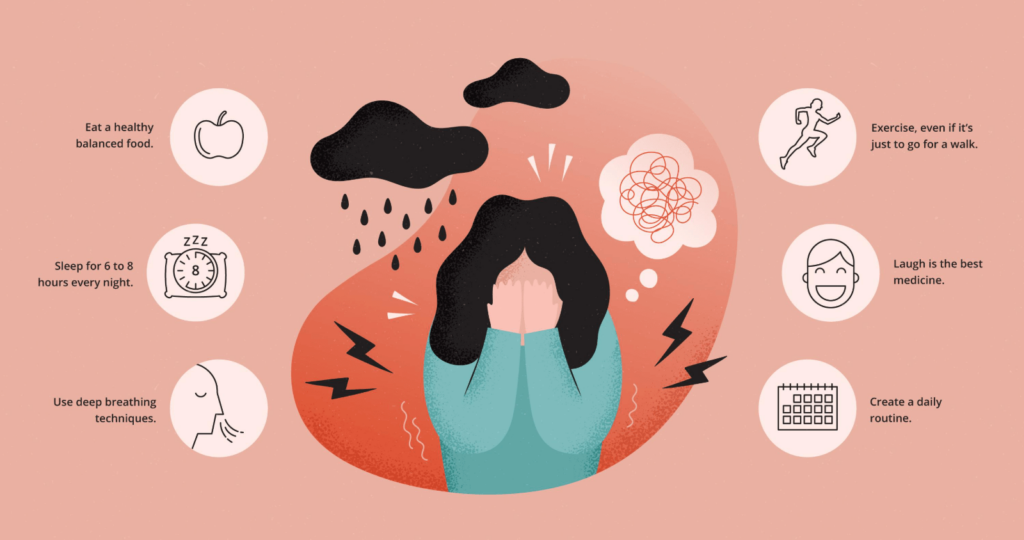
Practicing Cognitive Behavioral Therapy Techniques
Challenging Irrational Thoughts and Beliefs
Cognitive Behavioral Therapy (CBT) techniques can be beneficial for managing anxiety by challenging irrational thoughts and beliefs. When you notice negative or anxious thoughts, question the evidence that supports them. Look for alternative explanations or consider the worst-case scenario rationally. Ask yourself if your thoughts are based on facts or if they are driven by anxiety or fear. By challenging and replacing irrational thoughts with more realistic ones, you can reduce anxiety and regain control over your thinking patterns.
Replacing Negative Thoughts with Positive Ones
Reframing negative thoughts with positive ones is a powerful technique for managing anxiety and fostering a more positive mindset. Whenever you catch yourself having negative thoughts, consciously replace them with positive affirmations and statements. Focus on your strengths, accomplishments, or the positive aspects of a situation. Practice self-compassion and remind yourself that your worth is not determined by these negative thoughts. By consistently replacing negative thoughts with positive ones, you can reduce anxiety and cultivate a more positive outlook on life.
Developing Effective Coping Strategies
Developing effective coping strategies is an important part of managing anxiety. Identify coping mechanisms that work well for you and incorporate them into your daily life. This could include deep breathing exercises, mindfulness techniques, engaging in physical activity, or seeking support from loved ones. Experiment with different coping strategies and determine which ones help you relax and reduce anxiety the most. By developing a repertoire of effective coping strategies, you can better manage anxiety and navigate challenging situations more effectively.
Promoting Positive Self-Talk and Affirmations
Identifying Negative Self-Talk Patterns
Negative self-talk can significantly contribute to anxiety and hinder your overall well-being. Pay attention to the language you use when speaking to yourself and identify any negative self-talk patterns. Common examples include self-criticism, excessive self-blame, or doubting your abilities. Becoming aware of these patterns is the first step in promoting positive self-talk and reducing anxiety.
Replacing Negative Thoughts with Positive Affirmations
Replacing negative thoughts with positive affirmations is a powerful tool for managing anxiety and promoting self-confidence. Identify positive affirmations that resonate with you, such as “I am capable,” “I am deserving of love and happiness,” or “I am in control of my mind and emotions.” Repeat these affirmations regularly, especially when negative thoughts arise. By consistently replacing negative thoughts with positive affirmations, you can cultivate a more optimistic and self-assured mindset, reducing anxiety in the process.
Using Mantras to Promote Self-Confidence
Mantras are short phrases or words that can be used to promote self-confidence and reduce anxiety. Choose a mantra that reflects your desired state of mind, such as “I am calm and capable” or “I trust in myself and my abilities.” Repeat your chosen mantra silently or out loud when you need a confidence boost or during times of heightened anxiety. By using mantras, you can reframe your mindset and promote greater self-confidence and resilience.
In conclusion, preventing and managing anxiety involves a multi-faceted approach that encompasses various strategies and techniques. By recognizing the signs and symptoms of anxiety, adopting a healthy lifestyle, practicing stress management techniques, building strong support systems, developing coping mechanisms, maintaining a regular routine, taking breaks and practicing self-care, avoiding triggers and stressful situations, utilizing cognitive-behavioral therapy techniques, and promoting positive self-talk and affirmations, you can effectively prevent and manage anxiety in your life. Remember, you are not alone in your journey, and with the support and implementation of these strategies, you can lead a more fulfilling and anxiety-free life.