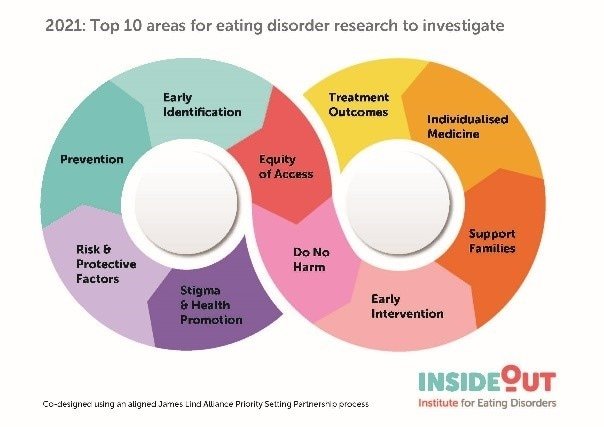
In this article, you will discover effective strategies to prevent anorexia nervosa, a serious eating disorder that affects millions of individuals worldwide. By understanding the risk factors, promoting a positive body image, fostering healthy relationships with food, and seeking professional help when necessary, you can take proactive steps to safeguard your health and well-being. Together, let’s explore practical ways to prevent anorexia nervosa and promote a balanced and fulfilling life.
Building a Healthy Body Image
Promote body positivity
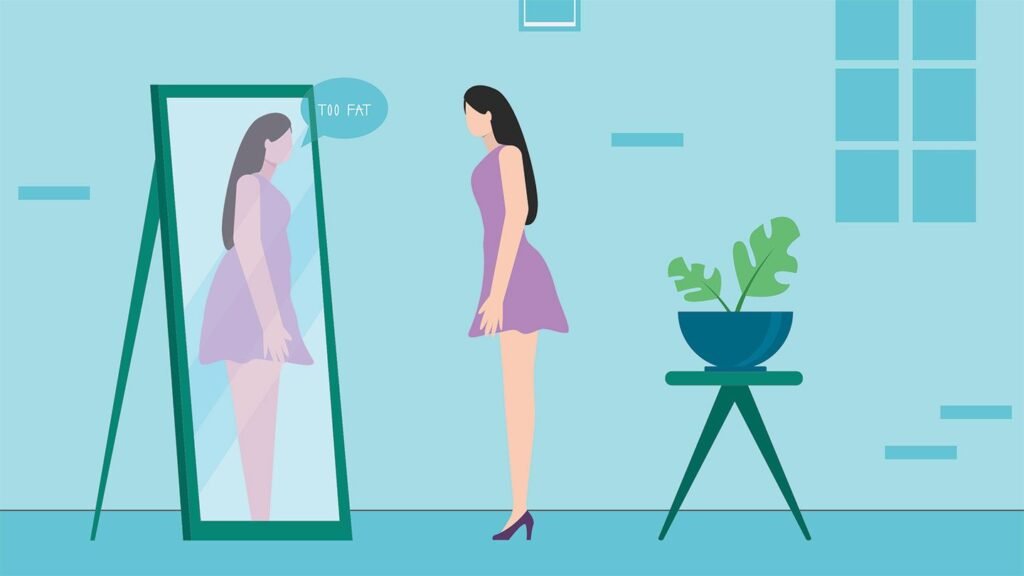
Promoting body positivity involves encouraging individuals to embrace and love their bodies, regardless of shape, size, or appearance. This can be done by shifting the focus away from societal standards of beauty and instead emphasizing the importance of self-acceptance and self-love. Encourage individuals to appreciate their bodies for all that they can do, rather than solely focusing on their physical appearance. Promote positive self-talk and discourage negative body comparisons.
Encourage a diverse representation of beauty
One way to promote a healthy body image is by advocating for diverse representations of beauty in the media and popular culture. Encourage the inclusion of people of different body types, races, ethnicities, abilities, and genders. By showcasing a variety of appearances, individuals can see that beauty comes in many different forms. Promote campaigns and initiatives that highlight body positivity, such as featuring models of different sizes and shapes.
Teach media literacy
Media literacy plays a crucial role in building a healthy body image. Teach individuals to critically analyze advertisements, social media posts, and other forms of media that often perpetuate unrealistic beauty standards. Help them understand the manipulative tactics used in media to create dissatisfaction with one’s own body. By teaching media literacy, individuals can develop a more discerning eye towards media messages and reduce their negative impact on body image.
Promoting a Healthy Lifestyle
Emphasize the importance of nutritious eating
Promoting a healthy lifestyle involves emphasizing the importance of nutritious eating. Encourage individuals to adopt a balanced diet that provides all the necessary nutrients for overall well-being. Educate them on the benefits of a varied diet, including fruits, vegetables, whole grains, lean proteins, and healthy fats. Emphasize the importance of moderation and listening to one’s body’s hunger and fullness cues rather than restrictive eating or following fad diets.
Encourage regular physical activity
Regular physical activity is another key aspect of promoting a healthy lifestyle. Encourage individuals to engage in activities they enjoy, whether it’s walking, dancing, swimming, or playing a sport. Physical activity should be seen as a way to enhance overall well-being, rather than solely as a means to maintain or change one’s appearance. Encourage individuals to focus on the joy and benefits of being active, such as improved mood, increased energy levels, and better overall health.
Avoid dieting and excessive exercise
It’s essential to discourage individuals from engaging in restrictive dieting or excessive exercise. These behaviors can contribute to an unhealthy relationship with food and body image. Instead, promote a balanced approach to health and well-being that involves nourishing the body with nutritious foods, engaging in enjoyable physical activity, and practicing self-care. Encourage individuals to listen to their bodies and honor their individual needs rather than following strict rules or chasing a certain body ideal.
Promoting Mental Well-being
Foster a supportive environment
Creating a supportive environment is crucial for promoting mental well-being. Encourage individuals to surround themselves with supportive and caring people who uplift and encourage them. Foster an environment where individuals feel comfortable expressing their feelings and seeking help when needed. Validate their emotions and create a safe space where they can talk about their struggles without judgment or criticism.
Encourage open communication
Healthy communication is essential for maintaining mental well-being. Encourage individuals to express their thoughts, feelings, and concerns openly and honestly. Foster an environment where they feel comfortable discussing their body image issues and any challenges they may be facing. Encourage active listening, empathy, and understanding when engaging in conversations about body image and mental health.
Teach stress management techniques
Stress can significantly impact mental well-being and exacerbate body image concerns. Teach individuals various stress management techniques, such as deep breathing exercises, mindfulness meditation, journaling, or engaging in hobbies and activities they enjoy. Encourage them to prioritize self-care and identify healthy coping mechanisms that work for them. Empower individuals to take control of their stress levels and develop resilience in the face of challenges.
Addressing Societal Pressures
Educate about the unrealistic standards of beauty
Many individuals develop body image issues due to the unrealistic standards of beauty perpetuated by society. Educate individuals about the often-unattainable and harmful ideals propagated by the media and popular culture. Help them recognize that the images they see in magazines, movies, and social media are often heavily edited and do not reflect reality. Empower individuals to question and challenge these beauty standards and develop a more realistic and healthy perspective on beauty.
Challenge societal and cultural norms
Challenge societal and cultural norms that perpetuate harmful body image ideals. Encourage individuals to question and reject the messages that equate beauty with thinness or a specific body type. Promote inclusivity, diversity, and acceptance of all body shapes, sizes, and appearances. Encourage individuals to celebrate and embrace their unique qualities rather than striving for an unrealistic and narrow definition of beauty.
Promote self-acceptance and self-worth
Promoting self-acceptance and self-worth is crucial for addressing societal pressures regarding body image. Encourage individuals to develop a positive and compassionate relationship with themselves. Help them recognize their inherent worth, beyond their physical appearance. Encourage individuals to focus on their strengths, accomplishments, and the qualities that make them unique. Teach them to prioritize self-care and develop a strong sense of self that is not reliant on external validation.
Recognizing the Warning Signs
Provide education about anorexia nervosa
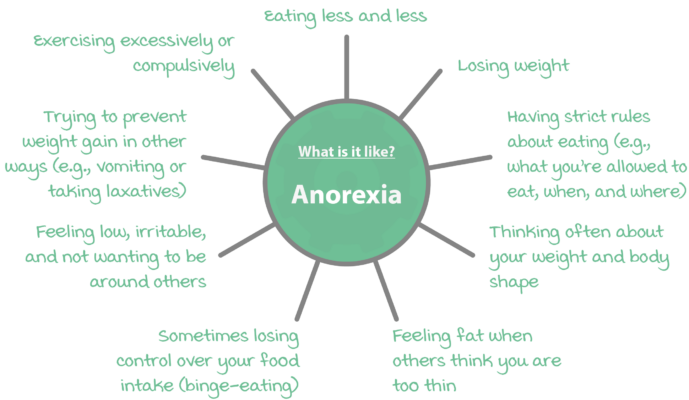
Educate individuals about anorexia nervosa, an eating disorder associated with distorted body image, extreme food restriction, and an intense fear of weight gain. Provide information on the physical and psychological symptoms of anorexia nervosa, as well as the potential health consequences. Help individuals understand that anorexia nervosa is a serious mental health condition that requires professional help for treatment and recovery.
Train individuals to identify early signs
Train individuals to recognize the early warning signs of anorexia nervosa in themselves and others. Emphasize the importance of early intervention and seeking help as soon as symptoms are noticed. Early signs may include significant weight loss, obsessive calorie counting, excessive exercise, social withdrawal, preoccupation with appearance or weight, and changes in mood or behavior. By equipping individuals with knowledge, they can be proactive in identifying potential issues and seeking appropriate support.
Encourage seeking help
It’s crucial to emphasize the importance of seeking help for anorexia nervosa. Encourage individuals to reach out to trusted friends, family members, or health professionals if they suspect they or someone they know may be struggling with anorexia nervosa. Provide resources for helplines, support groups, and treatment centers specializing in eating disorders. Remove the stigma associated with seeking help and promote a supportive environment that encourages individuals to prioritize their mental and physical well-being.
Family and Friends Support
Educate families and friends about anorexia nervosa
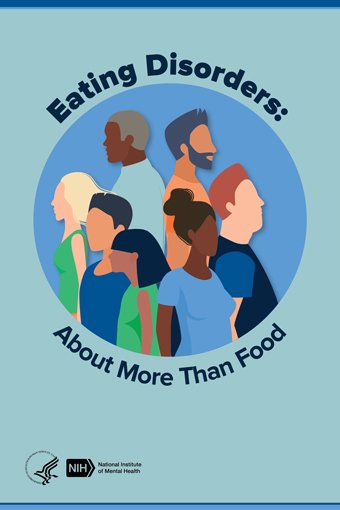
Educating families and friends about anorexia nervosa is vital for promoting a supportive network. Provide information and resources about the signs, symptoms, and treatment options for anorexia nervosa. Help loved ones understand the complexities of the disorder and the impact it can have on the individual’s mental and physical health. Encourage open communication and empathy within the family and friend circle, fostering an environment where individuals feel safe and supported.
Promote empathy and understanding
Promote empathy and understanding among family and friends when dealing with an individual struggling with anorexia nervosa. Encourage loved ones to approach the situation with compassion and patience, understanding that recovery is a process that takes time. Promote open dialogue and active listening, allowing the individual to express their feelings and concerns without judgment. Empathy and understanding can help create a strong support system for the individual on their journey to recovery.
Encourage healthy eating habits
Encourage families and friends to adopt healthy eating habits themselves, as this can positively influence their loved ones struggling with anorexia nervosa. Emphasize the importance of providing a well-balanced and nourishing environment at home, with regular meals and snacks. Encourage families to involve their loved one in meal planning and preparation, fostering a sense of control and involvement in the recovery process. Ensure that mealtimes are relaxed, supportive, and free from judgment or criticism.
Positive Role Modeling
Set a positive example with your own behavior
As a friend or family member, you can set a positive example by demonstrating a healthy relationship with food, exercise, and body image. Model balanced eating habits, engage in regular physical activity for enjoyment, and openly express self-acceptance and body positivity. Show that health and well-being are not solely defined by appearance but by overall mental and physical well-being. Your positive behavior can have a profound impact on your loved one’s journey to recovery.
Promote a healthy relationship with food and exercise
Encourage your loved one to develop a healthy relationship with food and exercise. Encourage them to view food as nourishment, not as an enemy or a means of control. Promote intuitive eating, where individuals listen to their body’s hunger and fullness cues and honor their cravings. Encourage them to engage in physical activity for enjoyment and the benefits it provides, rather than as a means of weight loss or compensation for food intake.
Encourage self-care and self-love
Promote self-care and self-love as essential components of recovery from anorexia nervosa. Encourage your loved one to engage in activities that bring them joy and help reduce stress. Foster a sense of self-worth by celebrating their achievements, talents, and unique qualities. Encourage them to prioritize self-care practices, such as getting enough sleep, practicing relaxation techniques, and engaging in activities that promote emotional well-being. Self-care and self-love are crucial for building resilience and maintaining a positive mindset throughout the recovery journey.
Providing Access to Professional Help
Raise awareness about available resources
Raise awareness about available resources for individuals struggling with anorexia nervosa. Share information about helplines, support groups, and treatment centers specializing in eating disorders. Provide educational materials that outline the steps individuals can take to seek help, such as contacting a healthcare professional or therapist. By increasing awareness, individuals can feel empowered to take the necessary steps towards recovery.
Promote early intervention
Promote the importance of early intervention in the treatment of anorexia nervosa. Help individuals understand that the earlier they seek help, the better their chances of a successful recovery. Educate them about the potential consequences of untreated anorexia nervosa and the benefits of addressing the disorder as soon as possible. Encourage open communication and provide a supportive environment where individuals feel comfortable discussing their concerns and seeking help.
Facilitate access to treatment options
Facilitate access to treatment options for individuals struggling with anorexia nervosa. Provide information about healthcare professionals, therapists, and treatment centers specializing in eating disorders. Assist individuals in navigating the healthcare system and connecting with appropriate resources. Encourage individuals to seek professional help and emphasize that they don’t have to face their struggles alone. By facilitating access to treatment options, you can support individuals on their path to recovery.
Addressing Co-occurring Mental Health Disorders
Recognize the link between anorexia nervosa and other mental health disorders
It’s important to recognize the link between anorexia nervosa and other mental health disorders. Educate individuals about the common co-occurring disorders, such as anxiety, depression, and obsessive-compulsive disorder. Help them understand that addressing these underlying mental health issues is essential for a comprehensive recovery from anorexia nervosa. Encourage individuals to seek appropriate treatment for all aspects of their well-being.
Provide comprehensive mental health support
Provide individuals struggling with anorexia nervosa with comprehensive mental health support. This may involve connecting them with therapists, counselors, or psychiatrists who specialize in eating disorders and co-occurring mental health conditions. Collaborate with these professionals to ensure a holistic approach to treatment that addresses both the physical and psychological aspects of recovery. Encourage regular therapy sessions and ongoing mental health support to aid in long-term recovery.
Collaborate with medical professionals
Collaborate with medical professionals to address the physical and nutritional needs of individuals with anorexia nervosa. Work together to develop a comprehensive treatment plan that includes regular medical check-ups, monitoring of vital signs, and addressing any nutritional deficiencies. By collaborating with medical professionals, you can ensure a multidisciplinary approach to treatment that provides the best possible care for individuals in recovery.
Continued Education and Awareness
Promote ongoing education on anorexia nervosa prevention
Promote ongoing education on anorexia nervosa prevention within schools, communities, and organizations. Offer workshops, presentations, or awareness campaigns that educate individuals about the risk factors, warning signs, and prevention strategies for anorexia nervosa. Provide accurate information about healthy body image, nutrition, and mental health to promote a comprehensive understanding of the disorder. Ongoing education can help prevent the development of disordered eating behaviors and promote early intervention.
Use various platforms for raising awareness
Utilize various platforms, such as social media, websites, and local media, to raise awareness about anorexia nervosa. Share educational resources, personal stories of recovery, and positive messages related to body acceptance and mental health. Collaborate with influencers, bloggers, and organizations dedicated to promoting body positivity and mental well-being. By utilizing multiple platforms, you can reach a wider audience and spread the message of prevention and recovery.
Collaborate with schools and organizations
Collaborate with schools and organizations to integrate prevention and awareness programs into their curricula or activities. Offer workshops or presentations that educate students, teachers, and parents about the importance of body positivity, mental health, and healthy lifestyles. Develop partnerships with organizations focused on eating disorder prevention and recovery to share resources and collaborate on initiatives. By working with schools and organizations, you can reach a larger audience and create a lasting impact on anorexia nervosa prevention.
In conclusion, preventing anorexia nervosa requires a comprehensive approach that addresses body image, lifestyle choices, mental well-being, societal pressures, warning signs, support systems, positive role modeling, access to professional help, co-occurring mental health disorders, and continued education and awareness. By promoting body positivity, teaching media literacy, emphasizing a healthy lifestyle, fostering a supportive environment, challenging societal norms, recognizing warning signs, providing family and friends support, role modeling positive behaviors, facilitating access to professional help, addressing co-occurring disorders, and promoting education and awareness, we can work together to prevent anorexia nervosa and support individuals on their journey to recovery and lasting well-being.