
Imagine a world where we can take proactive steps to reduce the risk of Autism and Aspergers in our loved ones. In this article, you will discover practical ways to create a supportive and nurturing environment while minimizing potential triggers. By implementing these strategies, you can empower yourself with the knowledge and resources to give your child the best possible start in life, promoting their overall development and well-being. Join us as we explore these preventive measures and embark on a journey towards a brighter future.
Prenatal Care
Maintain a healthy lifestyle
Taking care of yourself is crucial during pregnancy, as it directly impacts the health of your baby. It is important to maintain a healthy lifestyle by eating nutritious meals, exercising regularly, and getting enough rest. A well-balanced diet, rich in fruits, vegetables, whole grains, and lean proteins, provides essential nutrients for your baby’s development. Regular exercise, such as walking or prenatal yoga, helps keep your body strong and prepares you for childbirth. Adequate rest and relaxation are also important, as they support your overall well-being.
Avoid harmful substances
During pregnancy, it is crucial to protect your baby from harmful substances that can negatively impact their development. It is important to avoid smoking, alcohol, and illicit drugs, as they are known to have adverse effects on fetal development and increase the risk of developmental disorders such as autism-Aspergers. It is also advisable to limit your exposure to secondhand smoke, as it can have similar detrimental effects on your baby. By staying away from these harmful substances, you are taking proactive steps to ensure your baby’s optimal development.
Take prenatal vitamins
Prenatal vitamins are specially formulated to support the healthy development of your baby. They contain essential vitamins and minerals that are crucial for your baby’s growth, including folic acid, iron, and calcium. Folic acid, in particular, plays a significant role in preventing neural tube defects and other developmental abnormalities. Taking prenatal vitamins as recommended by your healthcare provider helps ensure that both you and your baby receive the necessary nutrients for a healthy pregnancy.
Control medical conditions
If you have any pre-existing medical conditions, it is crucial to work closely with your healthcare provider to manage them during pregnancy. Conditions such as diabetes, high blood pressure, and thyroid disorders can potentially affect your baby’s development if not properly controlled. Regular monitoring and appropriate treatment of these conditions minimize the risk of complications and contribute to a healthy pregnancy. By taking control of your medical conditions, you are taking important steps towards preventing autism-Aspergers in your child.
Genetic Counseling
Understand family history
Genetic counseling plays a vital role in assessing the risk of autism-Aspergers in your child. Understanding your family history, especially if you have a close relative with autism-Aspergers, can help identify potential genetic factors that may contribute to the condition. By having a clear understanding of your family’s medical history, you can provide valuable information to the genetic counselor, who can then assess your child’s risk and provide appropriate guidance.
Consult a genetic counselor
If you are concerned about the risk of autism-Aspergers in your child, consulting a genetic counselor can provide valuable insight and guidance. A genetic counselor is a healthcare professional specialized in assessing genetic conditions and providing support to individuals and families. They can help you understand the complexities of genetic factors and assess the risk of autism-Aspergers based on your family history and other relevant factors. Their expertise can assist you in making informed decisions about your child’s healthcare and potential prevention strategies.

Vaccinations
Follow recommended vaccine schedule
Maintaining your child’s vaccination schedule is essential for their overall health and well-being. Vaccinations protect against various diseases that can have serious consequences, including developmental disorders such as autism-Aspergers. Following the recommended vaccine schedule provided by your healthcare provider ensures that your child receives the necessary immunizations at the appropriate times, safeguarding them from preventable diseases.
Discuss concerns with healthcare provider
If you have any concerns or questions about vaccinations and their potential links to autism-Aspergers, it is important to discuss them with your healthcare provider. They can provide accurate and evidence-based information to address your concerns and alleviate any anxieties. It is crucial to make informed decisions based on scientific research and expert recommendations rather than relying on misinformation or personal opinions.
Avoidance of Harmful Environmental Factors
Reduce exposure to air pollution
Air pollution can have detrimental effects on prenatal and child development, including the risk of autism-Aspergers. Minimizing exposure to air pollutants, especially during pregnancy, can help reduce the potential impact on your child’s health. Avoiding areas with heavy traffic, using air purifiers in your home, and staying indoors on days with poor air quality are some measures you can take to limit exposure to air pollution.
Limit exposure to toxic chemicals
Exposure to toxic chemicals, such as lead, mercury, and certain pesticides, during early development can pose risks to your child’s neurodevelopment. It is important to be cautious and limit exposure to these substances. Choose household cleaning products and personal care items that are free from harmful chemicals. Additionally, be mindful of the foods you consume and opt for organic produce whenever possible to reduce exposure to pesticide residues.
Maintain a clean and safe home environment
Creating a clean and safe home environment is crucial for your child’s overall well-being. Regularly clean and dust your living space to reduce exposure to allergens and irritants. Ensure that any potential hazards, such as loose electrical cords or sharp objects, are secured or removed. Installing safety gates, cabinet locks, and outlet covers can help prevent accidents. By maintaining a clean and safe home environment, you are minimizing potential risks and promoting a healthy, nurturing space for your child’s growth and development.
Nutrition
Eat a balanced diet
Proper nutrition during pregnancy and early childhood is vital for optimal development. Consuming a balanced diet that includes a variety of nutrient-rich foods is essential. Aim to include fruits, vegetables, whole grains, lean proteins, and dairy products in your meals. These foods provide essential vitamins, minerals, and other nutrients that support brain development and overall growth.
Include foods rich in vitamins and minerals
Certain vitamins and minerals are especially important for brain function and development. Including foods rich in these nutrients can contribute to a healthy pregnancy and reduce the risk of developmental disorders. Foods such as leafy green vegetables (spinach, kale), nuts and seeds (walnuts, flaxseeds), and fish (salmon, sardines) are excellent sources of omega-3 fatty acids, which are beneficial for brain health. Foods rich in folic acid, such as lentils, citrus fruits, and fortified cereals, are also recommended.
Consider omega-3 fatty acids
Omega-3 fatty acids, particularly docosahexaenoic acid (DHA), play a crucial role in brain development. Including food sources rich in omega-3 fatty acids, such as fatty fish (salmon, trout), chia seeds, and walnuts, in your diet can help support your baby’s brain development. If you are unable to obtain enough omega-3 fatty acids through your diet, your healthcare provider may recommend a DHA supplement. However, it is essential to consult with your healthcare provider before starting any new supplements during pregnancy.
Breastfeeding
Breastfeed exclusively for the first six months
Breastfeeding has numerous benefits for both you and your baby, including a reduced risk of various health conditions. Exclusive breastfeeding for the first six months provides optimal nutrition and immune protection for your baby. Breast milk contains essential nutrients, antibodies, and beneficial bacteria that support your baby’s growth, immune system, and brain development. It is recommended by healthcare professionals as the best way to feed your baby during this critical stage of their development.
Continue breastfeeding alongside solid foods
As your baby grows and begins to eat solid foods, it is beneficial to continue breastfeeding alongside these new additions. Breast milk continues to provide valuable nutrients and immune protection, even as your baby’s diet expands. The World Health Organization (WHO) recommends breastfeeding for up to two years or beyond, alongside the introduction of appropriate complementary foods. Breastfeeding provides a loving and nurturing connection between you and your child while promoting their healthy development.

Parental Age
Consider family planning at a younger age
The age of parents at the time of conception can impact the risk of certain developmental disorders, including autism-Aspergers. Research suggests that advanced parental age, particularly in fathers, may increase the risk. Considering family planning at a younger age, when both parents are in their optimal reproductive years, may help reduce the risk of autism-Aspergers. However, it is important to note that the impact of parental age varies, and seeking guidance from your healthcare provider is advised.
Discuss risks with healthcare provider
If you are concerned about the potential impact of parental age on your child’s risk of autism-Aspergers, it is crucial to discuss your concerns with your healthcare provider. They can provide you with relevant information based on scientific research and guide you in making informed decisions. Your healthcare provider can assess your specific situation, taking into account various factors such as medical history and genetic predisposition, and provide appropriate advice and support.
Early Intervention
Recognize early signs and symptoms
Early recognition of signs and symptoms of developmental delays is critical for early intervention and support. Familiarize yourself with the typical developmental milestones for your child’s age and be aware of any delays or red flags. Some early signs of autism-Aspergers may include delayed speech, limited social interactions, repetitive behaviors, and intense focus on certain interests. If you have concerns about your child’s development, it is important to seek professional assessment and guidance.
Seek professional assessment and diagnosis
If you suspect that your child may be showing signs of autism-Aspergers, it is crucial to seek a professional assessment and diagnosis. Consulting a healthcare provider experienced in developmental disorders can help determine whether your child has autism-Aspergers and identify their unique needs. Early intervention services can greatly benefit children with autism-Aspergers, and a proper diagnosis is the first step towards accessing the support and therapies they require.
Start appropriate therapy and interventions
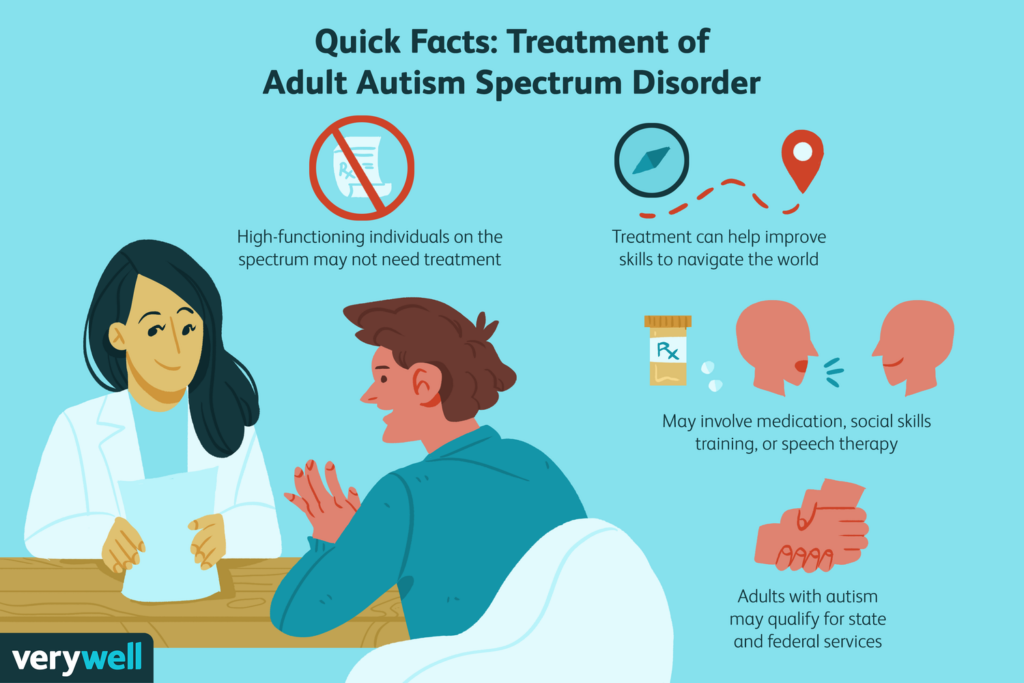
Once your child receives a diagnosis of autism-Aspergers, starting appropriate therapy and interventions is essential. Early intervention services, such as applied behavior analysis (ABA) therapy, speech therapy, and occupational therapy, can provide your child with the necessary tools and skills to navigate daily life and reach their full potential. Working closely with healthcare professionals and therapists will help create a tailored plan to address your child’s specific challenges and support their development.

Supportive Family Environment
Provide a nurturing and loving home
Creating a nurturing and loving home environment is vital for the well-being and development of your child. Show your child love, affection, and acceptance, fostering a strong emotional bond. Provide consistent routines and clear expectations to promote a sense of security. Encourage open communication, active listening, and empathy within your family. By fostering a positive and supportive family environment, you are setting the foundation for your child’s growth and well-being.
Promote open communication and understanding
Open communication is essential for building strong relationships within the family. Encourage your child to express their thoughts, feelings, and needs freely. Create an environment where your child feels safe and comfortable discussing their experiences and concerns. Regularly check in with your child, actively listen to their perspectives, and validate their emotions. Promoting open communication and understanding helps strengthen the parent-child bond and fosters a sense of belonging and trust.
Seek support from autism-Aspergers organizations
There are numerous organizations and support groups dedicated to autism-Aspergers that can provide valuable guidance and resources for families. Seek out local and national organizations that offer support, education, and advocacy for individuals with autism-Aspergers and their families. These organizations can connect you with other families experiencing similar challenges, provide helpful information, and offer strategies for coping with daily life. By joining these communities, you can find a support network and learn from others’ experiences.
Educational Strategies
Implement individualized education plans
Individualized education plans (IEPs) are tailored educational plans designed to meet the unique needs of children with developmental disorders like autism-Aspergers. Work closely with your child’s teachers, school, and educational professionals to develop an IEP that addresses their specific challenges and supports their learning goals. This plan may include accommodations, modifications, and specialized instruction to enhance your child’s educational experience and help them reach their full potential.
Promote inclusive and supportive learning environments
Inclusive and supportive learning environments are crucial for children with autism-Aspergers to thrive academically and socially. Advocate for your child’s right to an inclusive education and collaborate with teachers and school staff to create an environment that supports their needs. Encourage peer interactions, socialization opportunities, and understanding among classmates. Promote acceptance and empathy, fostering an inclusive school community where all students can learn and grow together.
Utilize assistive technologies
Assistive technologies can play a significant role in supporting children with autism-Aspergers in their educational journey. These technologies range from apps and software programs to specialized devices that assist with communication, organization, and learning. Work with your child’s educational team to explore and implement appropriate assistive technologies that can enhance their educational experience and facilitate their participation. By utilizing these tools, you can help your child overcome challenges and excel in their academic pursuits.
In conclusion, while it is not possible to prevent autism-Aspergers entirely, there are proactive steps you can take to promote a healthy pregnancy, support your child’s development, and provide them with the best possible opportunities for growth. From maintaining a healthy lifestyle during pregnancy to creating a supportive family environment and advocating for inclusive education, each action contributes to your child’s overall well-being and helps them navigate their journey with autism-Aspergers. Remember, seeking guidance from healthcare professionals, early intervention services, and support organizations is key to understanding and addressing your child’s unique needs. With love, care, and the right support, you can empower your child to thrive and reach their full potential.
