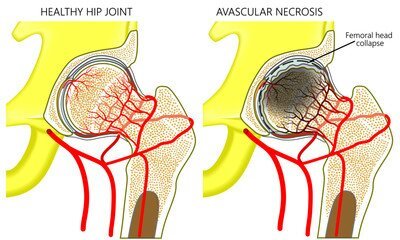
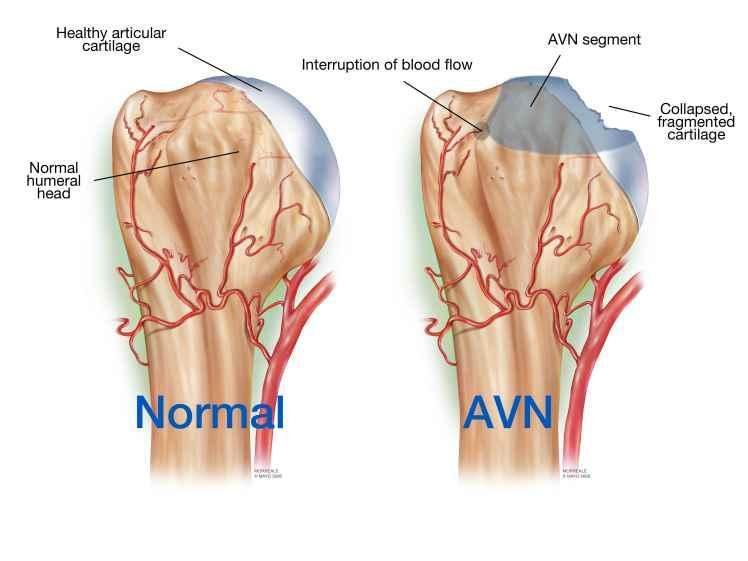
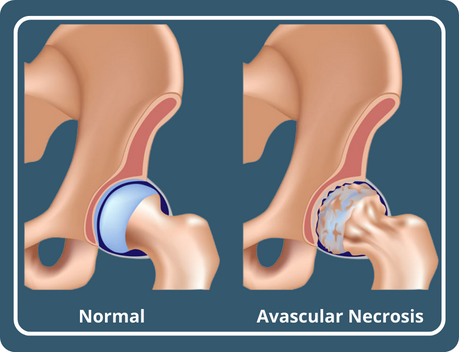
Avascular necrosis is a serious condition that occurs when the blood supply to a bone is interrupted, causing the bone tissue to die. It commonly affects the hip joint, but can also occur in other bones in the body. In order to prevent avascular necrosis, it is important to take certain precautions and make lifestyle changes. By maintaining a healthy weight, avoiding excessive alcohol consumption, and protecting your joints from injuries, you can significantly reduce your risk of developing avascular necrosis. In this article, we will explore these preventative measures in more detail and provide you with practical tips to keep your bones healthy and strong.
Maintain a Healthy Lifestyle
Maintaining a healthy lifestyle is crucial for overall well-being and can significantly reduce the risk of developing various health conditions, including avascular necrosis. By making a few simple changes to your daily routine, you can take control of your health and prevent the onset of this debilitating condition.
Exercise Regularly
Regular exercise is not only beneficial for maintaining a healthy weight but also plays a key role in preventing avascular necrosis. Engaging in physical activities that promote cardiovascular health and strengthen the muscles surrounding your joints can help improve blood circulation and reduce the risk of bone and joint damage.
Incorporating a mix of aerobic exercises such as walking, cycling, or swimming, as well as strength training exercises, can help maintain joint stability and improve overall bone health. Aim for at least 150 minutes of moderate-intensity aerobic exercise per week, along with two or more days of strength training exercises targeting major muscle groups.
Eat a Balanced Diet
A balanced diet is essential for maintaining optimal health and preventing avascular necrosis. Include a variety of nutrient-rich foods in your diet, such as fruits, vegetables, whole grains, lean proteins, and healthy fats. These foods provide essential vitamins, minerals, and antioxidants that support bone health and reduce the risk of developing chronic medical conditions.
Ensure that your diet includes calcium-rich foods like dairy products, leafy greens, and fortified foods, as calcium is crucial for maintaining strong bones. Additionally, adequate vitamin D intake is necessary for optimal calcium absorption. Sources of vitamin D include sunlight, fatty fish, fortified dairy products, and supplements if necessary. Consult with your healthcare provider to determine if you need to supplement your diet with calcium and vitamin D.
Avoid Smoking
Smoking not only poses a significant risk to your lung health but also contributes to the development of various chronic conditions, including avascular necrosis. Smoking decreases the blood flow to the bones and can lead to bone loss, weakening the bones and increasing the risk of fractures.
If you currently smoke, it’s never too late to quit. Seek support from healthcare professionals, use smoking cessation aids, and consider joining support groups to increase your chances of successfully quitting. By quitting smoking, you can significantly improve your overall health and reduce the risk of avascular necrosis.
Prevent Injuries
Preventing injuries is vital in reducing the risk of avascular necrosis, especially those resulting from accidents or physical activities. By practicing safety measures, wearing protective gear, and avoiding high-impact activities, you can significantly minimize the risk of joint damage and subsequent avascular necrosis.
Practice Safety Measures during Physical Activities
When engaging in physical activities such as sports or exercise, remember to follow proper safety guidelines. Warm up before starting any physical activity to prepare your muscles and joints for the stress they will endure. Use appropriate protective gear, such as helmets, knee pads, or wrist guards, depending on the nature of the activity and the areas of the body most susceptible to injury.
Always listen to your body and gradually increase the intensity or duration of activities to avoid overexertion. If you experience pain or discomfort during exercise, take a break or modify the activity to reduce the strain on your joints.
Wear Protective Gear
Protective gear can go a long way in preventing joint injuries that may lead to avascular necrosis. Whether you’re cycling, skateboarding, or engaging in any high-impact activities, wearing appropriate gear can provide essential support and cushioning, reducing the risk of trauma to your joints.
Invest in quality helmet, knee pads, elbow pads, appropriate footwear, and any other gear recommended for your specific activity. Ensure that the protective gear fits properly and is in good condition before each use.
Avoid High-Impact Activities
While staying physically active is important, it’s also crucial to avoid high-impact activities that may put excessive stress on your joints. Activities such as running or jumping on hard surfaces, heavy weightlifting, or intense contact sports can increase the risk of joint injuries and subsequent avascular necrosis.
Opt for low-impact exercises that are easier on your joints, such as swimming, cycling, or using an elliptical machine. These exercises provide cardiovascular benefits without subjecting your joints to excessive strain. If you’re unsure about the suitability of a particular activity for your joint health, consult with your healthcare provider or a qualified fitness professional.
Manage Chronic Medical Conditions
Effective management of chronic medical conditions is essential to prevent complications that may lead to avascular necrosis. By controlling diabetes, treating underlying medical conditions, and regularly monitoring your medications, you can minimize the risk of developing this condition.
Control Diabetes
Diabetes is a chronic condition characterized by high levels of blood glucose, which can greatly impact your overall health, including the health of your bones and joints. Uncontrolled diabetes can lead to poor blood circulation, nerve damage, and reduced bone density, increasing the risk of avascular necrosis.
If you have diabetes, it’s crucial to work closely with your healthcare provider to manage your blood glucose levels effectively. This may involve lifestyle modifications, such as adopting a healthy diet, engaging in regular physical activity, and taking prescribed medications as directed. Regular monitoring of your blood glucose levels can help make necessary adjustments to your treatment plan and prevent complications, including avascular necrosis.
Treat Underlying Medical Conditions
Certain underlying medical conditions such as lupus, sickle cell disease, and HIV/AIDS can increase the risk of avascular necrosis. If you have any of these conditions, it’s vital to work closely with your healthcare provider to manage and treat them effectively. Following the prescribed treatment plan, attending regular medical appointments, and seeking the necessary support can help minimize the risk of complications, including avascular necrosis.
Regularly Monitor Medications
Certain medications, such as long-term corticosteroid use, can increase the risk of developing avascular necrosis. If you’re on any medications that may have potential side effects on bone health, it’s essential to regularly monitor their usage and discuss any concerns with your healthcare provider.
Medication adjustments or alternative treatment options may be considered to minimize the risk of avascular necrosis. It’s crucial to never make changes to your medications without consulting your healthcare provider, as this can have unintended consequences on your overall health.
Take Precautions during Medical Treatments
Undergoing medical treatments and procedures can sometimes carry potential risks that may contribute to the development of avascular necrosis. By actively discussing potential risks with your healthcare providers, following post-procedure guidelines, and monitoring medications and side effects, you can minimize the likelihood of developing this condition.
Discuss Potential Risks with Healthcare Providers
Before undergoing any medical treatment or procedure, it’s important to have an open and honest discussion with your healthcare providers. Understand and discuss the potential risks, including any possible complications that may arise during or after the treatment. By being well-informed, you can make informed decisions regarding your healthcare and may be able to explore alternative treatment options that carry a lower risk of avascular necrosis.
Follow Post-Procedure Guidelines
Following post-procedure guidelines is crucial in promoting healing and avoiding potential complications, including avascular necrosis. Your healthcare provider will provide specific instructions on wound care, medication management, physical activity restrictions, and follow-up appointments. It’s important to adhere to these guidelines to ensure optimal recovery and minimize the risk of developing avascular necrosis.
If you have any questions or concerns about the post-procedure guidelines, don’t hesitate to reach out to your healthcare provider for clarification. They can provide the necessary guidance and reassurance to help you through the recovery process.
Monitor Medications and Side Effects
Certain medications prescribed during or after medical treatments can have potential side effects on your bone health. If you’re on any medications, ensure that you monitor them closely and report any unusual side effects to your healthcare provider promptly.
Regular monitoring of your medication regimen allows your healthcare provider to make necessary adjustments or explore alternative treatment options that may carry a lower risk of avascular necrosis. Open communication with your healthcare provider is key in managing your medications effectively and minimizing the potential risks associated with them.

Prevent Joint Damage
Preventing joint damage is crucial in minimizing the risk of developing avascular necrosis. By avoiding excessive weight gain, using proper body mechanics, and protecting your joints during activities, you can maintain joint health and reduce the likelihood of joint damage and subsequent avascular necrosis.
Avoid Excessive Weight Gain
Excessive weight gain places added stress on your joints, increasing the risk of joint damage and avascular necrosis. Maintaining a healthy weight can alleviate pressure on your joints and reduce the risk of developing this condition.
Adopting a balanced diet and engaging in regular physical activity can help you achieve and maintain a healthy weight. By reducing excess weight, you can protect your joints and overall bone health. Consult with your healthcare provider or a registered dietitian to develop a personalized weight management plan that suits your individual needs and goals.
Use Proper Body Mechanics
Using proper body mechanics during everyday activities can significantly reduce the strain on your joints and lower the risk of joint damage and subsequent avascular necrosis. Whether you’re lifting heavy objects, sitting for prolonged periods, or performing repetitive tasks, paying attention to your body mechanics can make a world of difference.
When lifting objects, remember to bend your knees and use your leg muscles instead of placing unnecessary strain on your back. Avoid prolonged periods of sitting or standing in one position, as this can lead to joint stiffness and pain. Take frequent breaks to stretch and change positions. For repetitive tasks, try to incorporate ergonomic tools or make modifications to your work environment to minimize the strain on your joints.
Protect Joints during Activities
Engaging in activities that require repetitive or prolonged use of your joints can increase the risk of joint damage and avascular necrosis. To prevent this, it’s important to take precautions and protect your joints during such activities.
Using appropriate protective equipment, such as knee braces or joint supports, can provide additional support and stability. When engaging in high-impact activities, ensure that you land softly and on appropriate surfaces to minimize the stress on your joints. Incorporating regular breaks and practicing stretching exercises can also help relieve joint stiffness and reduce the risk of joint damage.
Recognize Early Signs and Symptoms
Early detection of avascular necrosis is crucial for effective treatment and prevention of further joint damage. By familiarizing yourself with the common symptoms, seeking prompt medical attention, and monitoring and reporting any changes in pain or functioning, you can take proactive steps to address avascular necrosis at its earliest stages.
Know the Common Symptoms of Avascular Necrosis
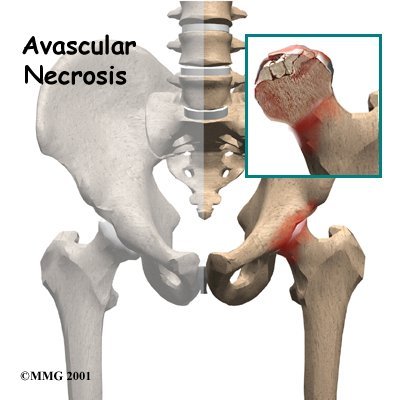
Awareness of the common symptoms of avascular necrosis can help you recognize potential issues and seek appropriate medical attention. The most common symptom is joint pain, which may start off as mild discomfort and gradually worsen over time. You may also experience limited range of motion, joint stiffness, and difficulty in bearing weight on the affected joint.
If you notice any of these symptoms, it’s important not to ignore them or attribute them to aging or overexertion. Instead, consult with your healthcare provider to determine the cause of your symptoms and develop an appropriate treatment plan to prevent further damage.
Seek Prompt Medical Attention
If you experience persistent joint pain, limited mobility, or any other concerning symptoms, it’s crucial to seek prompt medical attention. Early diagnosis and treatment can prevent further joint damage and improve the overall prognosis of avascular necrosis.
Contact your healthcare provider and schedule an appointment as soon as possible. They will perform a thorough evaluation, which may include physical examination, imaging tests, and laboratory investigations, to determine the cause of your symptoms and develop an appropriate treatment plan.
Monitor and Report Changes in Pain or Functioning
When diagnosed with avascular necrosis or undergoing treatment, it’s important to monitor any changes in your pain levels or joint functioning and report them to your healthcare provider promptly. Changes in symptoms may indicate disease progression or potential complications that require immediate attention.
Keep a record of your symptoms, including the severity, duration, and any factors that worsen or alleviate the pain. This information will be valuable for your healthcare provider in assessing the effectiveness of your current treatment plan and making necessary adjustments to manage your condition effectively.
Avoid Excessive Alcohol Consumption
Excessive alcohol consumption not only affects your overall health but poses significant risks to your bones and joints. By limiting alcohol intake, following recommended guidelines, and seeking help for alcohol abuse, you can minimize the risk of avascular necrosis and protect your joint health.
Limit Alcohol Intake
It’s important to consume alcohol in moderation to protect your overall health, including your bones and joints. Moderate alcohol consumption is defined as up to one drink per day for women and up to two drinks per day for men. By sticking to these guidelines, you can enjoy the occasional drink without increasing your risk of avascular necrosis.
Excessive alcohol intake interferes with the body’s ability to absorb calcium and vitamin D, essential nutrients for bone health. It also weakens bone structure and increases the risk of fractures. By moderating your alcohol consumption, you can protect your bones and reduce the likelihood of avascular necrosis.
Follow Recommended Guidelines
Understanding and following recommended alcohol consumption guidelines is essential in protecting your overall health and minimizing the risks associated with excessive alcohol intake. Stay informed about the latest guidelines and recommendations to make informed decisions regarding your alcohol consumption.
Remember, if you have any underlying medical conditions or are taking medications that may interact negatively with alcohol, it’s important to consult with your healthcare provider before consuming any alcoholic beverages. They can provide personalized advice and help you navigate any potential risks.
Seek Help for Alcohol Abuse
If you find it difficult to limit your alcohol intake or suspect that you may have a problem with alcohol abuse, it’s vital to seek help as soon as possible. Alcohol abuse not only affects your bone health but also poses numerous health risks and can significantly impact your overall well-being.
Reach out to your healthcare provider or a mental health professional who specializes in addiction medicine. They can provide the necessary support, guidance, and resources to help you overcome alcohol abuse and maintain a healthy, avascular necrosis-free lifestyle.
Be Cautious with Steroid Use
Steroids can be highly effective in managing various medical conditions, but their long-term use can increase the risk of developing avascular necrosis. By using steroids as prescribed, monitoring side effects, and discussing alternatives with your healthcare providers, you can minimize the risk to your bone health.
Use Steroids as Prescribed
If you’re prescribed steroids for a medical condition, it’s crucial to use them as directed by your healthcare provider. Never exceed the prescribed dosage or duration of use without consulting your healthcare provider, as this can have serious consequences on your bone health and lead to avascular necrosis.
Follow the prescribed treatment plan and take the medication as directed, ensuring that you fully understand the dosage instructions and any potential side effects. If you have any concerns or questions about your steroid use, don’t hesitate to reach out to your healthcare provider for clarification.
Monitor Side Effects
Steroids can have various side effects, including bone loss and increased risk of fracture, especially with long-term use. It’s important to monitor any potential side effects and report them to your healthcare provider promptly.
Regular bone density testing and blood work can help monitor the impact of steroids on your bone health. If significant bone loss or other side effects are detected, your healthcare provider may consider adjusting your treatment plan or exploring alternative therapies that carry a lower risk of avascular necrosis.
Discuss Alternatives with Healthcare Providers
If you’re concerned about the potential risks of long-term steroid use or have experienced side effects that impact your bone health, consider discussing alternatives with your healthcare providers. In many cases, there may be alternative medications or treatment options that can effectively manage your medical condition without the same risks to your bone health.
Your healthcare provider can help evaluate the potential benefits and risks of alternative therapies and guide you in making an informed decision about your treatment plan. Remember, open communication with your healthcare provider ensures that you receive the best possible care and minimize the risk of developing avascular necrosis.
Maintain Bone Health
Maintaining optimal bone health is essential in preventing avascular necrosis. By ensuring sufficient calcium and vitamin D intake, considering supplements if necessary, and participating in weight-bearing exercises, you can strengthen your bones and reduce the risk of developing this condition.
Ensure Sufficient Calcium and Vitamin D Intake
Calcium and vitamin D are essential for optimal bone health and play a vital role in preventing avascular necrosis. Calcium is the major building block of bones, while vitamin D facilitates calcium absorption and utilization in the body.
Aim to include calcium-rich foods in your diet, such as dairy products, leafy greens, and fortified foods. If you’re unable to meet your calcium requirements through diet alone, consult with your healthcare provider to determine if calcium supplements are necessary.
Additionally, ensure that you have sufficient vitamin D intake. Vitamin D can be obtained through sun exposure, but if you’re unable to spend enough time outdoors or live in regions with limited sunlight, consider taking vitamin D supplements as recommended by your healthcare provider.
Consider Supplements if Necessary
If you’re unable to meet your nutritional needs through diet alone or have specific dietary restrictions that limit your calcium or vitamin D intake, consider taking supplements as recommended by your healthcare provider. These supplements can help bridge the gap and ensure that your body receives adequate amounts of these essential nutrients.
It’s important to consult with your healthcare provider before starting any supplements, as they can provide personalized advice based on your specific needs, medical condition, and other medications you may be taking. Taking supplements without proper guidance can have unintended consequences and may not provide the desired benefits.
Participate in Weight-Bearing Exercises
Weight-bearing exercises play a crucial role in maintaining bone health and reducing the risk of avascular necrosis. These exercises require your bones and muscles to work against gravity, which helps stimulate bone growth and strengthen your skeletal system.
Incorporate weight-bearing exercises into your fitness routine, such as walking, jogging, dancing, or playing sports like tennis or basketball. These activities put stress on your bones, stimulating them to become stronger and denser. Aim for at least 30 minutes of weight-bearing exercises on most days of the week to reap the maximum benefits for your bone health.
Regularly Visit your Healthcare Provider
Regular visits to your healthcare provider are essential for proactive health management and prevention of various health conditions, including avascular necrosis. By scheduling routine check-ups, discussing preventive measures, and seeking guidance for individual risk factors, you can stay on top of your health and minimize the risk of avascular necrosis.
Schedule Routine Check-ups
Routine check-ups allow your healthcare provider to assess your overall health and identify any potential risk factors or early signs of avascular necrosis. During these visits, your healthcare provider will perform a physical examination, evaluate your medical history, and order any necessary tests or screenings to ensure your well-being.
Make it a priority to schedule regular check-ups with your healthcare provider, even if you’re feeling healthy. These visits can detect potential issues early on and allow for prompt intervention and treatment if necessary.
Discuss Preventive Measures
Use your routine check-ups as an opportunity to discuss preventive measures specifically aimed at reducing the risk of avascular necrosis. Your healthcare provider can provide tailored advice based on your individual risk factors, medical history, and lifestyle.
Inquire about any additional steps you can take to protect your bones and joints, such as specific exercises, dietary modifications, or lifestyle changes. Your healthcare provider can provide evidence-based recommendations and guide you in implementing preventive measures effectively.
Seek Guidance for Individual Risk Factors
Each individual may have unique risk factors that contribute to the development of avascular necrosis. These risk factors can include underlying medical conditions, medications, hereditary factors, or previous joint injuries. Discussing your individual risk factors with your healthcare provider is crucial in developing a personalized prevention plan.
Share any relevant information about your medical history, current medications, and any previous joint injuries or surgeries. This information will help your healthcare provider assess your risk profile accurately and provide appropriate guidance to minimize the risk of developing avascular necrosis.
In conclusion, preventing avascular necrosis requires a comprehensive approach that focuses on maintaining a healthy lifestyle, preventing injuries, managing chronic medical conditions, taking precautions during medical treatments, recognizing early signs and symptoms, avoiding excessive alcohol consumption, being cautious with steroid use, maintaining bone health, and regularly visiting your healthcare provider. By implementing these preventive measures into your daily life, you can significantly reduce the risk of avascular necrosis and enjoy a healthy, active lifestyle. Remember, proactive steps taken today can ensure a brighter tomorrow when it comes to your bone and joint health.