If you’ve ever experienced back pain, you know how debilitating it can be. Whether it’s a dull ache or a sharp twinge, back pain can greatly impact your daily life and limit your ability to move comfortably. In this article, you will discover some practical tips and techniques to help prevent back pain from occurring in the first place. By incorporating these simple strategies into your routine, you can proactively protect your back and enjoy a healthier, pain-free life.
Maintain Good Posture
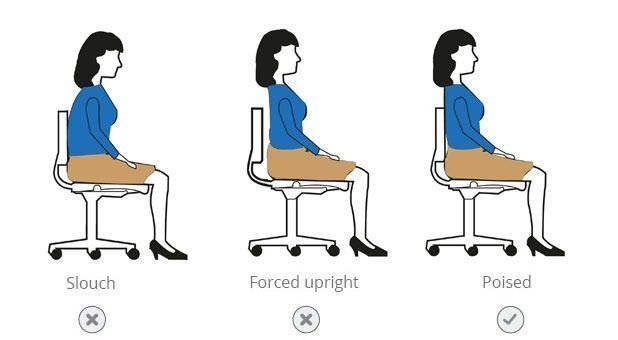
Having good posture is essential for preventing back pain and maintaining a healthy spine. When you sit or stand, make a conscious effort to keep your back straight and aligned. Avoid slouching or hunching over, as this can put unnecessary strain on your back muscles and ligaments. Remember to engage your core muscles to provide support for your spine throughout the day. Using ergonomic furniture, such as an adjustable chair and desk, can also help maintain good posture and reduce the risk of back pain.
Exercise Regularly
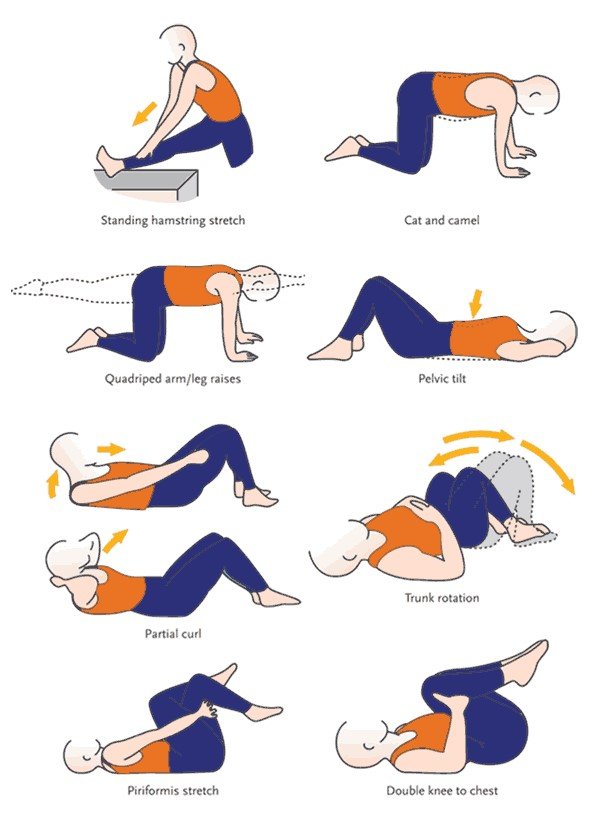
Regular exercise is crucial for keeping your back healthy and strong. Strengthening your core muscles, including the muscles in your abdomen and lower back, can provide stability and support for your spine. Incorporate exercises like planks, bridges, and abdominal crunches into your routine to target these muscles. Additionally, incorporating stretching exercises into your routine can help improve flexibility and reduce muscle tightness, which can contribute to back pain. Low-impact exercises like swimming, walking, or cycling are also beneficial for keeping your back healthy without putting excessive strain on it.
Lift Objects Properly
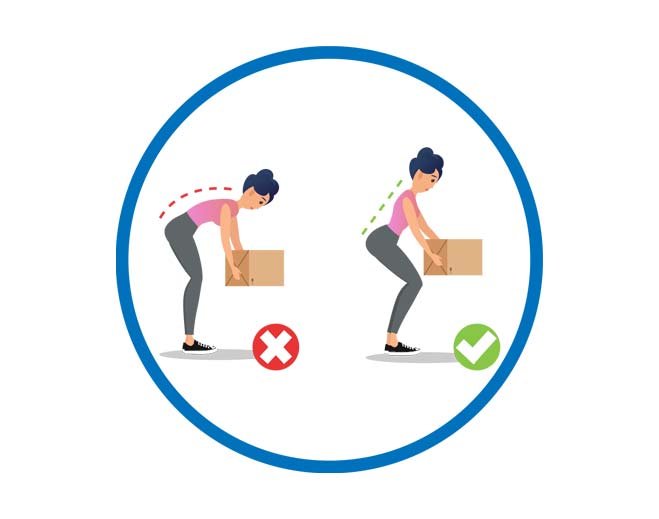
Improper lifting techniques can lead to back injuries and pain. To lift objects safely, start by bending your knees and keeping your back straight. This will help you engage your leg muscles and reduce strain on your back. Avoid twisting your body while lifting, as this can strain the muscles and ligaments in your back. Instead, pivot with your feet to change directions. It’s essential to always assess the weight of the object before attempting to lift it. If it is too heavy for you to handle comfortably, don’t hesitate to ask for help.
Maintain a Healthy Weight
Carrying excess weight can strain your back and increase the risk of developing back pain. By adopting a balanced diet and incorporating physical activity into your daily routine, you can achieve and maintain a healthy weight. Focus on eating a variety of nutritious foods, including fruits, vegetables, lean proteins, and whole grains. Engaging in regular physical activity, such as walking, swimming, or dancing, can help burn calories and strengthen your muscles, including those in your back. If you have specific dietary needs or concerns, it’s always best to speak to a healthcare professional for personalized advice.

Use Supportive Footwear
Choosing the right footwear is vital for maintaining a healthy back. Opt for shoes that provide proper arch support to help distribute your body weight evenly and reduce strain on your back. Avoid wearing high heels or shoes with no cushioning, as they can alter your posture and increase pressure on your spine. If you need additional support, consider using orthotic inserts. These inserts can provide extra cushioning and improve the alignment of your feet, which can have a positive impact on your back health.
Take Breaks from Prolonged Sitting
Sitting for long periods can place significant strain on your back muscles and spine. To prevent this, make a habit of taking regular breaks and moving around every 30 minutes. During these breaks, engage in stretching exercises or simply walk around to keep your muscles active and prevent stiffness. If possible, consider using a standing desk or an adjustable work surface to alternate between sitting and standing throughout the day. This can help alleviate pressure on your back and promote better posture.
Practice Good Sleeping Habits
A good night’s sleep is essential for overall health, including the health of your back. Invest in a supportive mattress and pillow that align with your body’s needs. Medium-firm mattresses are often recommended for providing adequate support to the spine. Additionally, ensure that your sleeping position is comfortable and does not put strain on your back. Sleeping on your side with a pillow between your knees or on your back with a pillow under your knees can help maintain proper spinal alignment. Avoid using electronic devices, such as phones or tablets, before bed, as the blue light emitted by these devices can interfere with your sleep quality.
Manage Stress Levels
Stress can take a toll on your physical and mental health, including your back. Engaging in stress-reducing activities like yoga, meditation, or deep breathing exercises can help alleviate tension in your muscles and reduce the risk of developing back pain. Take time for self-care and prioritize your mental health by engaging in activities that bring you joy and relaxation. It’s important to recognize and address any sources of stress in your life and seek support when needed. Remember, a healthy mind and body go hand in hand, and managing stress is an essential part of back pain prevention.
Avoid Heavy Backpacks or Bags
Carrying heavy backpacks or bags improperly can strain your back and lead to pain and discomfort. When choosing a backpack, look for one with padded straps and a waist belt. These features help distribute the weight more evenly and provide better support for your back. It’s also important to limit the weight of the bag to 10-15% of your body weight. Distribute the weight evenly within the bag to prevent strain on one side of your body. If you frequently carry heavy loads, consider using a rolling backpack or a bag with wheels to reduce strain on your back.
Quit Smoking
Smoking is not only harmful to your lungs and overall health but can also contribute to back pain. Smoking reduces blood flow, which can impair the delivery of essential nutrients and oxygen to the spinal discs. This can lead to accelerated disc degeneration and increased risk of back pain. Quitting smoking can have numerous health benefits, including reducing the risk of back pain. If you’re struggling to quit, seek professional assistance or join support groups. Nicotine replacement therapies, such as patches or gum, can provide additional support. Additionally, finding healthy alternatives to manage stress, such as exercise or relaxation techniques, can also help reduce the urge to smoke.
By following these tips and incorporating healthy habits into your daily life, you can significantly reduce the risk of developing back pain. Remember, prevention is key, and taking care of your back now will pay off in the long run. If you’re currently experiencing back pain or have any concerns, it’s always best to consult with a healthcare professional for personalized advice and proper diagnosis. Take control of your back health and enjoy a pain-free life.