Bacterial Vaginosis can be a discomforting and frustrating condition to deal with, but luckily there are steps you can take to prevent it from occurring. This article will provide you with practical and easy-to-follow tips on how to prevent Bacterial Vaginosis, ensuring you maintain a healthy and happy vaginal environment. From maintaining good hygiene practices to making small lifestyle changes, you’ll find valuable information that will empower you to keep Bacterial Vaginosis at bay and enjoy life to the fullest. So, let’s get started on your journey towards vaginal health!
Maintaining good vaginal hygiene
Maintaining good vaginal hygiene is essential for overall vaginal health and preventing infections. By following a few simple guidelines, you can ensure that you are taking care of your intimate area properly.
Avoid douching
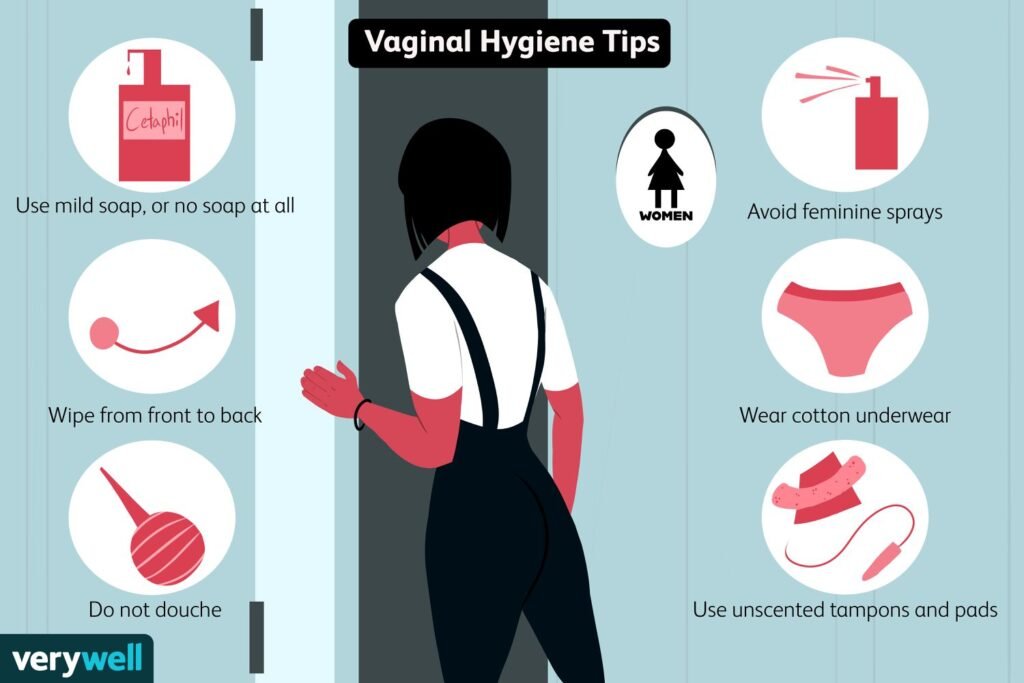
One of the most important tips for maintaining good vaginal hygiene is to avoid douching. Douching involves using a mixture of water and other substances to clean the inside of the vagina. However, this practice can disrupt the natural pH balance and delicate bacteria in the vagina, leading to infections and other complications. It is best to let your vagina naturally clean itself.
Cleanse the external genital area gently
When it comes to cleaning your vaginal area, it is crucial to be gentle. Use warm water and a mild, unscented soap to cleanse the external genital area. Avoid using harsh soaps or cleansers that can irritate the delicate skin. Remember to rinse thoroughly and pat dry with a clean towel to prevent any excess moisture that can contribute to bacterial growth.
Use unscented products
Using unscented products is key to maintaining good vaginal hygiene. Scented products, such as soaps, bubble baths, and feminine hygiene sprays, often contain chemicals that can disrupt the natural balance of bacteria in the vagina. They can also lead to irritation and inflammation. Opt for unscented versions of these products to minimize the risk of infections and maintain a healthy vaginal environment.
Avoid tight-fitting clothing
Wearing tight-fitting clothing, particularly underwear, can restrict airflow to the vaginal area, creating a warm and moist environment that promotes the growth of harmful bacteria. It is advisable to choose underwear made of breathable and natural fabrics, such as cotton, to allow proper air circulation. This helps to keep the vaginal area dry and prevent the accumulation of moisture, reducing the risk of infections.
Change out of wet clothing promptly
Moisture is the enemy of good vaginal hygiene. Wearing wet clothing, especially swimwear or sweaty workout clothes, for extended periods can create an environment conducive to bacterial growth. Be sure to change out of wet clothing as soon as possible to prevent moisture buildup. Additionally, it is important to thoroughly dry the vaginal area after bathing or swimming to minimize the risk of infections.
Maintaining a healthy vaginal pH
Maintaining a healthy vaginal pH is crucial for preventing infections and maintaining overall vaginal health. Here are some tips to help you maintain the optimal pH balance in your vagina.
Avoid using harsh soaps or cleansers
Harsh soaps or cleansers can disrupt the natural pH balance of the vagina, leading to an overgrowth of harmful bacteria. It is best to use mild, unscented soaps specifically formulated for intimate areas. These gentle cleansers help maintain the natural acidity of the vagina, which is important for keeping bad bacteria in check.
Use pH-balanced products
Using pH-balanced products can help maintain a healthy vaginal pH. The normal pH of the vagina is slightly acidic, which prevents the growth of harmful bacteria. Using products that are specifically designed to match the natural pH of the vagina can help restore and maintain this acidic environment, reducing the risk of infections.
Avoid excessive use of antibiotics
While antibiotics are sometimes necessary to treat bacterial infections, excessive use of antibiotics can disrupt the natural balance of bacteria in the vagina. Antibiotics not only kill harmful bacteria but also the beneficial bacteria that help maintain a healthy vaginal environment. It is important to use antibiotics judiciously and only when prescribed by a healthcare professional.
Limit alcohol and caffeine consumption
Excessive alcohol and caffeine consumption can affect the vaginal pH balance. These substances can alter the normal acidity of the vagina, making it more susceptible to infections. It is advisable to limit your intake of alcohol and caffeine to maintain a healthy vaginal pH and overall vaginal health.
Eat a balanced diet
Maintaining a healthy diet is important for overall health, including vaginal health. Eating a balanced diet that is rich in fruits, vegetables, whole grains, and lean proteins can help support a healthy vaginal pH. Certain foods, such as probiotics and foods high in vitamin C, can promote the growth of beneficial bacteria in the vagina, contributing to a healthy vaginal flora.
Promoting a healthy vaginal flora
A healthy vaginal flora is essential for maintaining optimal vaginal health and preventing infections. Here are some tips to promote a healthy vaginal flora.
Avoid using scented tampons or pads
Scented tampons or pads contain chemicals that can disrupt the delicate balance of bacteria in the vagina. These chemicals can irritate the vaginal tissue and increase the risk of infections. It is best to opt for unscented tampons or pads to maintain a healthy vaginal flora.
Choose cotton underwear
Cotton underwear is breathable and helps to maintain a healthy vaginal environment. It allows proper air circulation, reducing the risk of moisture buildup that can lead to bacterial growth. Avoid synthetic underwear, as they can trap moisture and create an ideal environment for harmful bacteria to thrive.
Avoid using intrauterine devices (IUDs)
Intrauterine devices (IUDs) are a form of birth control, but they can disrupt the vaginal flora. IUDs may increase the risk of developing infections, including bacterial vaginosis. If you are considering using an IUD, it is important to discuss the potential risks with your healthcare provider and weigh them against the benefits.
Avoid using spermicides
Spermicides are contraceptive products that contain chemicals to kill sperm. However, they can also disrupt the delicate balance of bacteria in the vagina. The use of spermicides has been associated with an increased risk of developing bacterial vaginosis. Consider alternative methods of contraception if you are prone to vaginal infections.
Practice safe sex
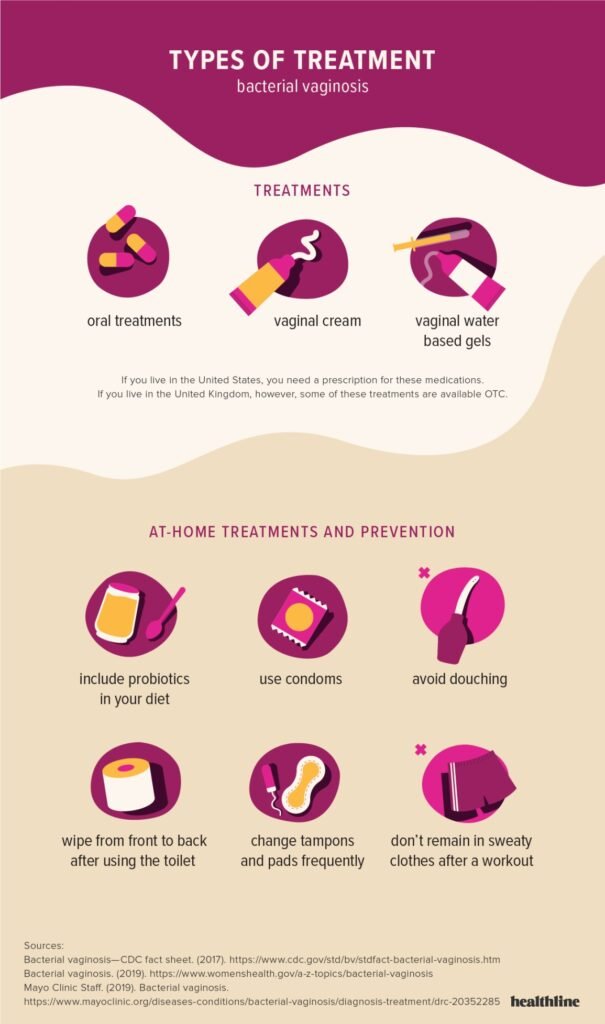
Practicing safe sex is important for maintaining a healthy vaginal flora. Unprotected sex and exposure to sexually transmitted infections (STIs) can disrupt the natural balance of bacteria in the vagina. Always use barrier methods of contraception, such as condoms, to reduce the risk of contracting STIs and to help preserve a healthy vaginal flora.
Managing menstruation properly
Proper management of menstruation is crucial for maintaining vaginal health and preventing infections. Here are some tips to help you manage your period effectively.
Change tampons and pads regularly
Changing tampons and pads regularly is essential to prevent the buildup of bacteria and reduce the risk of infections. It is recommended to change tampons every 4 to 6 hours and pads every 4 to 8 hours, depending on the flow. For heavy flow, more frequent changes may be necessary.
Avoid using tampons for extended periods
Using tampons for extended periods, especially overnight, can increase the risk of developing infections, such as toxic shock syndrome (TSS). TSS is a rare but serious condition caused by toxins produced by certain bacteria. It is best to use pads during sleep or consider using menstrual cups, which can be worn for longer periods without the same risk.
Practice proper menstrual cup hygiene
If you use menstrual cups, it is important to maintain good hygiene to prevent infections. Wash your hands thoroughly before and after inserting or removing the cup. Empty and rinse the cup at least every 12 hours or as recommended by the manufacturer. Boil the cup at the end of each menstrual cycle to sterilize it and prevent bacterial growth.
Avoid using scented tampons or pads
Scented tampons or pads can contain chemicals that irritate the vaginal tissue and disrupt the natural balance of bacteria. This can increase the risk of infections. It is best to opt for unscented tampons or pads when managing your period to maintain a healthy vaginal environment.
Keep menstrual equipment clean
Keeping your menstrual equipment, such as menstrual cups or tampon applicators, clean is important for preventing infections. Wash reusable menstrual cups thoroughly with warm water and mild soap after each use. For tampon applicators, choose those made of plastic or cardboard and avoid reusing them. Discard used tampons and pads properly in a garbage bin.

Strengthening the immune system
A strong immune system plays a vital role in maintaining overall health, including vaginal health. Here are some tips to strengthen your immune system and support vaginal health.
Maintain a healthy lifestyle
Leading a healthy lifestyle is key to strengthening your immune system. This includes eating a balanced diet, getting regular exercise, managing stress levels, avoiding smoking, and limiting alcohol consumption. By taking care of your overall health, you can support your immune system and reduce the risk of infections.
Get enough sleep
Adequate sleep is essential for a healthy immune system. During sleep, the body repairs and rejuvenates itself, including the immune system. Lack of sleep can weaken the immune system and make you more susceptible to infections. Aim for 7 to 8 hours of quality sleep each night to support your immune system.
Manage stress levels
Chronic stress can take a toll on your immune system and overall health. High levels of stress can weaken your body’s ability to fight off infections, including vaginal infections. Find healthy ways to manage stress, such as exercise, meditation, or engaging in hobbies you enjoy. Taking time to relax and unwind can help support your immune system and maintain good vaginal health.
Exercise regularly
Regular exercise is beneficial for overall health, including immune system function. Exercise improves blood circulation, reduces stress, and promotes the production of endorphins, which can enhance the immune response. Aim for at least 30 minutes of moderate-intensity exercise most days of the week to support your immune system and promote good vaginal health.
Stay hydrated
Proper hydration is important for maintaining a strong immune system. Drinking an adequate amount of water helps to flush out toxins from the body and supports overall bodily functions, including fighting off infections. Aim to drink at least 8 glasses of water per day to stay hydrated and support your immune system.
Preventing sexually transmitted infections
Practicing safe sex is crucial for preventing sexually transmitted infections (STIs) and maintaining good vaginal health. Here are some tips to help prevent STIs.
Practice safe sex
Practicing safe sex is the most effective way to prevent STIs. Always use barrier methods of contraception, such as condoms, to reduce the risk of contracting or spreading STIs. It is important to use condoms correctly and consistently during vaginal, anal, and oral sex to provide protection.
Get tested regularly
Regular STI testing is important, especially if you have multiple sexual partners or engage in high-risk sexual behaviors. Many STIs may not present noticeable symptoms, so getting tested is essential for early detection and treatment. Talk to your healthcare provider about recommended screening tests and how often you should be tested.
Limit your number of sexual partners
Reducing the number of sexual partners can help lower the risk of exposure to STIs. The more sexual partners you have, the higher your chances of contracting or spreading infections. By being selective and practicing monogamy or having fewer partners, you can significantly reduce your risk of STIs.
Discuss STI history with partners
Open communication with your sexual partners is important for sexual health. Discussing each other’s STI history and getting tested together before engaging in sexual activity can help make informed decisions and reduce the risk of infections. It is crucial to create a safe and non-judgmental environment for these conversations.
Use barrier methods of contraception
Using barrier methods of contraception, such as condoms, not only prevents unintended pregnancies but also provides protection against STIs. Barrier methods act as a physical barrier, preventing the exchange of bodily fluids and reducing the risk of STI transmission. It is important to use condoms correctly and consistently to ensure optimal protection.
Avoiding certain irritants
Avoiding certain irritants is essential for maintaining good vaginal health and preventing discomfort and infections. Here are some irritants to avoid.
Avoid using harsh soaps or cleansers
Harsh soaps or cleansers can strip the natural oils from the vaginal area and cause irritation. The delicate skin of the vagina requires gentle care. Opt for mild, unscented soaps specifically formulated for intimate areas to minimize the risk of irritation and maintain a healthy vaginal environment.
Do not use scented feminine hygiene products
Scented feminine hygiene products, such as wipes, sprays, or deodorants, can contain chemicals that irritate the vaginal tissue and disrupt the natural balance of bacteria. These products can increase the risk of infections and cause discomfort. It is best to avoid using any scented products in the vaginal area.
Avoid using bubble baths or bath oils
Bubble baths and bath oils may seem relaxing, but they can irritate the sensitive skin of the vagina. These products often contain fragrances and chemicals that can disrupt the vaginal pH balance and cause irritation or inflammation. It is advisable to skip these products when bathing to maintain vaginal health.
Avoid prolonged exposure to hot tubs or jacuzzis
Prolonged exposure to hot tubs or jacuzzis can create a warm and moist environment that increases the risk of infections. The combination of heat and moisture can promote bacterial growth and lead to discomfort or infections. If you do use a hot tub or jacuzzi, limit your exposure and make sure the facility properly maintains hygiene.
Limit use of vaginal hygiene sprays
Vaginal hygiene sprays are unnecessary and can disrupt the natural balance of bacteria in the vagina. These products can cause irritation, inflammation, and increase the risk of infections. Opt for a gentle cleansing routine using warm water and mild, unscented soap to maintain a healthy vaginal environment.
Avoiding vaginal douching
Vaginal douching is a practice that involves rinsing the inside of the vagina with a mixture of water and other substances. However, douching is unnecessary and can actually do more harm than good. Here are some reasons to avoid vaginal douching.
Understand the risks of douching
Douching disrupts the natural pH balance of the vagina, which can lead to a variety of problems. It can increase the risk of bacterial vaginosis, yeast infections, and other vaginal infections. Douching can also cause irritation, dryness, or inflammation of the vaginal tissue.
Do not use douches for hygiene purposes
Contrary to popular belief, douching is not necessary for maintaining good vaginal hygiene. The vagina is self-cleaning and has its own mechanisms for maintaining a healthy environment. Douching interferes with the natural process, and in some cases, can wash away the good bacteria that help protect the vagina.
Maintain a healthy vaginal pH
Douching can disrupt the delicate balance of bacteria in the vagina, leading to an imbalance in vaginal pH. This can create a favorable environment for harmful bacteria to overgrow and cause infections. By avoiding douching, you can help maintain a healthy vaginal pH and reduce the risk of infections.
Seek medical advice before douching
If you have concerns about vaginal odor or discomfort, it is advisable to seek medical advice before resorting to douching. A healthcare professional can help determine the underlying cause of your symptoms and recommend appropriate treatment or management options. Self-diagnosing and douching without medical advice can potentially worsen the problem.
Consider alternative methods for odor control
If you are experiencing vaginal odor, it is important to identify the underlying cause rather than masking the odor with douching or scented products. Vaginal odor can be a sign of an infection or other underlying conditions. Consult with a healthcare professional to determine the cause and explore appropriate treatment options.
Recognizing and addressing risk factors
Recognizing and addressing risk factors is crucial for maintaining good vaginal health and preventing complications. Here are some steps to help you recognize and address risk factors.
Know the factors that increase your risk
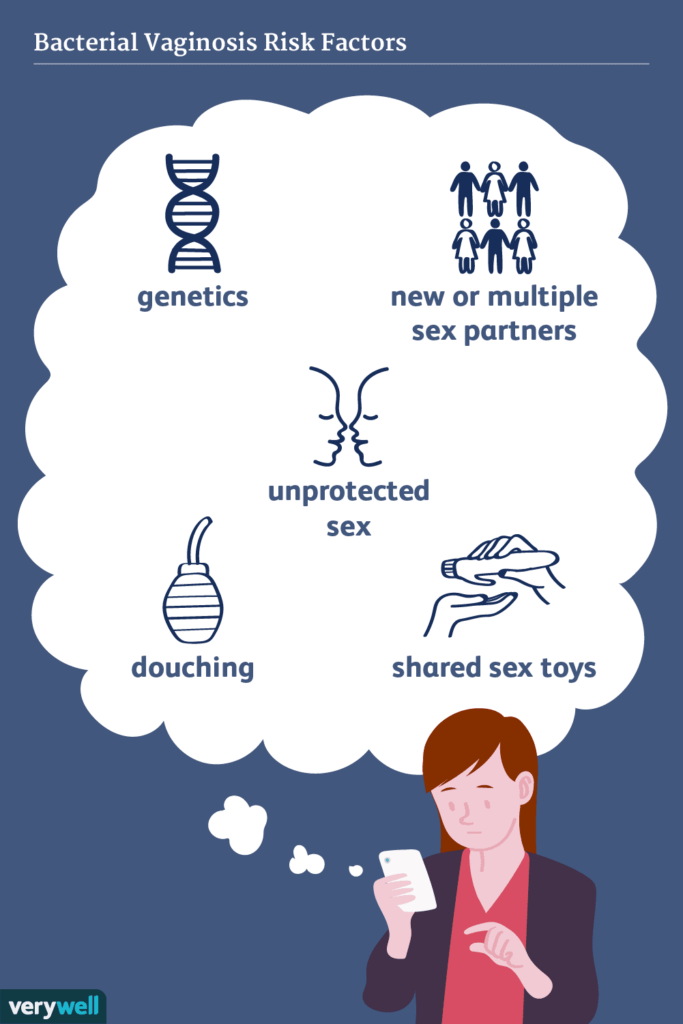
Understanding the factors that increase your risk of vaginal infections or other complications is important for proactive prevention. Some common risk factors include a weakened immune system, frequent antibiotic use, hormonal changes, certain medical conditions, and sexual behaviors. By being aware of these risk factors, you can take appropriate steps to reduce your risk.
Discuss risk factors with a healthcare provider
It is important to discuss your risk factors with a healthcare provider. They can provide valuable insights, help you understand your individual risk level, and recommend preventive measures or screenings tailored to your needs. Regular gynecological check-ups are an ideal opportunity to discuss any concerns and receive expert guidance.
Take preventive measures if high-risk
If you have identified certain risk factors that put you at a higher risk for vaginal infections, taking preventive measures is essential. This may include maintaining good hygiene practices, practicing safe sex, managing underlying medical conditions, and maintaining a healthy lifestyle. By addressing these risk factors, you can reduce your susceptibility to vaginal infections.
Seek early treatment for vaginal infections
Prompt recognition and treatment of vaginal infections are crucial for preventing complications and promoting optimal healing. If you experience symptoms such as abnormal discharge, itching, or pain, it is important to seek medical attention. Early treatment can help prevent the infection from worsening and requiring more extensive treatment.
Monitor and manage chronic conditions
Certain chronic conditions, such as diabetes or HIV, can affect vaginal health and increase the risk of infections. It is important to manage these conditions effectively with the help of a healthcare provider. Proper management and adherence to treatment plans can help minimize the impact on vaginal health and reduce the risk of complications.
Practicing good sexual health
Practicing good sexual health is important for overall well-being and maintaining a healthy vagina. Here are some tips to practice good sexual health.
Discuss sexual health with partners
Open communication with your sexual partners is essential for practicing good sexual health. Discussing sexual histories, STI status, and being transparent about any concerns or preferences helps create a safe and respectful environment for intimacy. Clear communication can help prevent misunderstandings, make informed decisions, and promote overall sexual health.
Use barrier methods of contraception
Using barrier methods of contraception is crucial for preventing unintended pregnancies and reducing the risk of STIs. Barrier methods, such as condoms or dental dams, provide a physical barrier that helps prevent the exchange of bodily fluids and STI transmission. It is important to use them correctly and consistently during sexual activity to ensure maximum protection.
Get vaccinated against HPV
Human papillomavirus (HPV) is a common sexually transmitted infection that can lead to cervical cancer and other complications. Vaccination against HPV is available and highly recommended for both males and females. Talk to your healthcare provider about the HPV vaccine and whether it is appropriate for you.
Seek medical advice for recurring infections
If you experience recurring vaginal infections, it is important to seek medical advice. Recurring infections may be a sign of an underlying issue that needs to be addressed. A healthcare professional can help identify the cause, recommend appropriate treatment, and provide guidance on preventive measures to reduce the risk of future infections.
Get regular gynecological check-ups
Regular gynecological check-ups are essential for overall vaginal health and early detection of any potential issues. These visits allow healthcare providers to monitor your vaginal health, perform necessary screenings, and offer guidance and support for maintaining good sexual health. It is advisable to schedule regular check-ups as recommended by your healthcare provider.
By following these comprehensive guidelines for maintaining good vaginal health, you can significantly reduce the risk of infections, promote a healthy vaginal flora, and enjoy optimal vaginal well-being. Remember to prioritize self-care, communicate openly about sexual health, and seek professional advice when needed. Your vaginal health is an important part of your overall well-being, and investing time and attention in its care is essential.