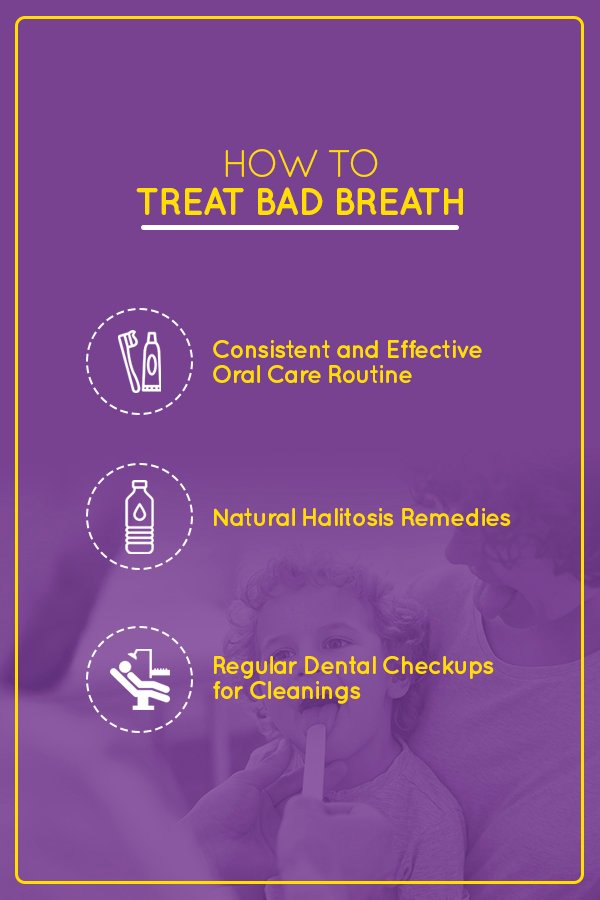
Bad breath can be an embarrassing problem that affects both your personal and professional life. No one wants to be known for their unpleasant breath, and luckily, there are simple steps you can take to prevent the dreaded halitosis. From practicing good oral hygiene to making smart dietary choices, this article will provide you with practical tips and tricks to ensure fresh breath and boost your confidence. So, say goodbye to bad breath and hello to a breath of fresh air!
Understanding bad breath
What is bad breath?
Bad breath, also known as halitosis, is a condition characterized by an unpleasant odor in the exhaled breath. It can affect anyone, causing self-consciousness and discomfort. Bad breath is a common issue, with various causes and effects.
Causes of bad breath
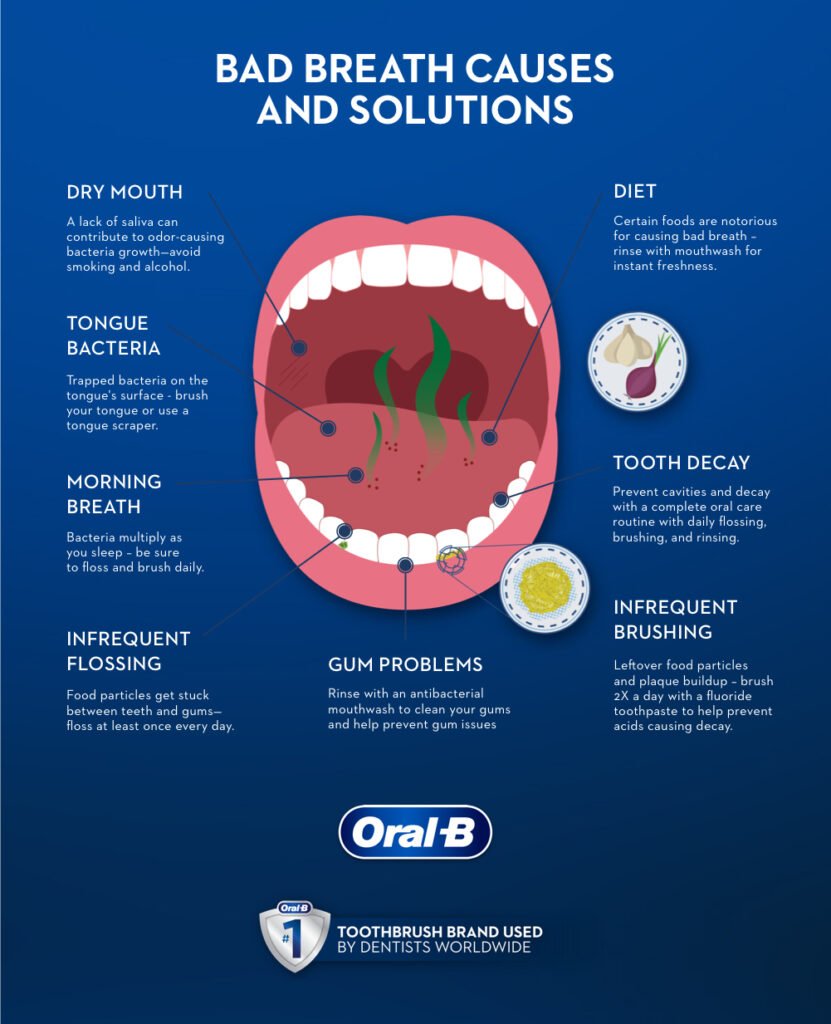
There are several factors that can contribute to bad breath. Poor oral hygiene is a significant factor, as bacteria in the mouth produce odorous compounds. Other causes include certain foods, tobacco usage, dry mouth, sinus and respiratory problems, acid reflux, and underlying medical conditions. Understanding the cause of bad breath is crucial in effectively combating the issue.
Effects of bad breath
Bad breath can have negative social and emotional effects. It can lead to self-consciousness, anxiety, and even affect personal relationships. Additionally, it may indicate underlying dental or health problems that require attention. Maintaining good oral hygiene and addressing the causes of bad breath will help alleviate its effects and improve overall well-being.
Maintaining good oral hygiene
Brushing properly
Regular and proper brushing is essential for maintaining good oral hygiene and preventing bad breath. Brush your teeth at least twice a day, using a fluoride toothpaste and a soft-bristled toothbrush. Pay attention to all tooth surfaces, including the back of your teeth and your tongue.
Flossing daily
Brushing alone is not sufficient to remove food particles and plaque between your teeth. Flossing once a day helps clean those hard-to-reach areas, preventing the buildup of bacteria and reducing the risk of bad breath.
Using mouthwash
Mouthwash can freshen your breath and kill bacteria in your mouth. Look for mouthwashes that are specifically designed to combat bad breath and follow the instructions on the label. However, keep in mind that mouthwash should not replace proper brushing and flossing.
Cleaning your tongue
The tongue can harbor bacteria that contribute to bad breath. To clean your tongue, use a tongue scraper or simply brush your tongue gently with your toothbrush. This practice helps remove bacteria and debris from the surface of your tongue and improves the overall freshness of your breath.
Importance of regular dental check-ups
Schedule dental appointments
Regular dental check-ups are essential for maintaining good oral health and preventing bad breath. Schedule appointments with your dentist every six months for a comprehensive examination of your teeth and gums.
Get professional cleaning
Professional dental cleanings, also known as prophylaxis, are necessary to remove plaque, tartar, and stains that cannot be eliminated through regular brushing and flossing. Dental cleaning helps reduce the bacterial load in your mouth, which in turn improves your breath.
Avoiding foods that cause bad breath
Identifying odor-causing foods
Certain foods are notorious for causing bad breath. Foods like garlic, onions, spicy dishes, and strongly flavored foods can leave an unpleasant odor in your mouth. Identifying these foods and being mindful of their consumption can help reduce the risk of bad breath.
Reducing intake of garlic and onions
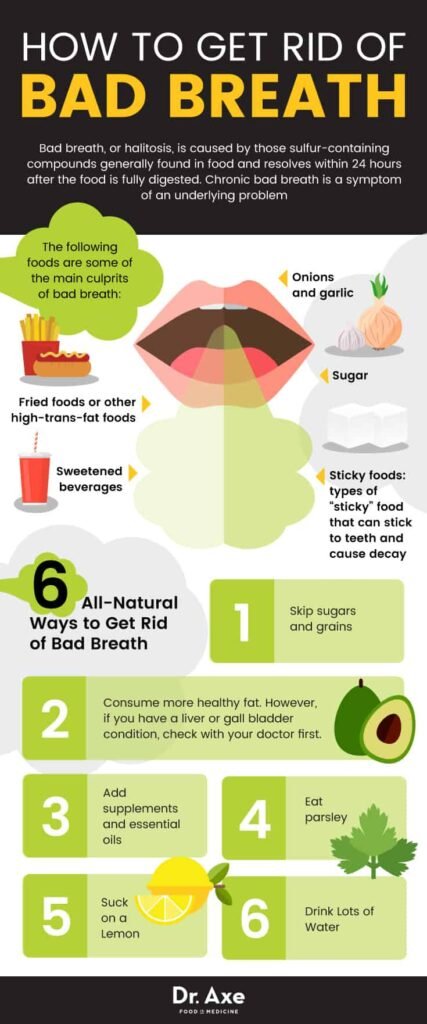
While garlic and onions are delicious additions to many dishes, they can leave a lingering odor in your mouth. Chewing on a sprig of parsley or using mouthwash can help mask the odor temporarily. However, reducing the consumption of these foods or avoiding them altogether may be the best solution for combatting bad breath.
Limiting consumption of coffee and alcohol
Coffee and alcohol, although enjoyable beverages, can contribute to bad breath. Both coffee and alcohol can cause dehydration, which leads to a dry mouth. Drinking water alongside coffee or alcohol and moderating your consumption can help minimize the effects on your breath.
Stay hydrated for fresher breath
Drinking plenty of water
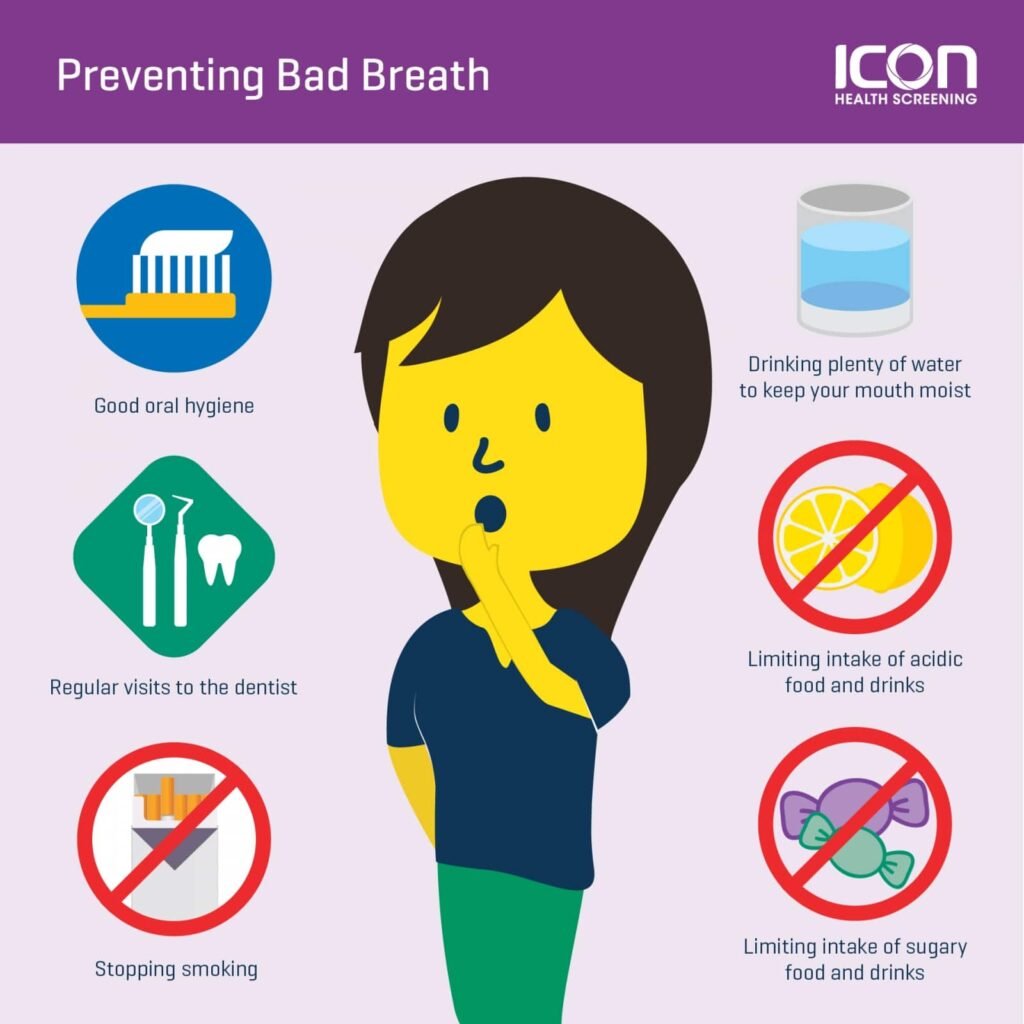
Staying hydrated is crucial for maintaining fresh breath. Water helps wash away food particles and bacteria from your mouth, preventing the accumulation of odor-causing compounds. Aim to drink at least eight glasses of water a day to ensure proper hydration and minimize the risk of bad breath.
Avoiding dry mouth
Dry mouth, also known as xerostomia, can contribute to bad breath. To avoid dry mouth, drink plenty of water throughout the day, chew sugar-free gum to stimulate saliva production, and avoid foods and beverages that can cause dehydration. If you regularly experience dry mouth, it is advisable to consult with your dentist or healthcare professional for appropriate treatment options.
Be mindful of your diet
Eat a balanced diet
A balanced diet plays a significant role in preventing bad breath. Include plenty of fruits, vegetables, lean proteins, and whole grains in your diet. Avoid excessive consumption of sugary snacks and processed foods, as they can contribute to dental issues and bad breath.
Include fiber-rich foods
Fiber-rich foods, such as apples, carrots, and celery, promote saliva production and help cleanse your mouth naturally. These foods act as natural scrubbers, removing food particles and bacteria from your teeth and gums while freshening your breath.
Chew sugarless gum
Chewing sugarless gum can help stimulate saliva production, which aids in preventing bad breath. Look for gum that contains xylitol, a natural sweetener that inhibits the growth of bacteria. However, gum should not replace regular oral hygiene practices and should be used as a temporary solution.
Quit smoking to improve breath
Dangers of smoking
Smoking not only poses a threat to your overall health but also contributes to bad breath. Tobacco products contain chemicals that can lead to gum disease, tooth discoloration, and a persistent foul odor. In addition to improving your breath, quitting smoking has numerous other health benefits.
Seeking assistance to quit smoking
Quitting smoking is not easy, but it is possible with the right support. Consult with your healthcare professional or join smoking cessation programs to receive guidance, support, and resources to help you successfully quit smoking. Not only will your breath improve, but your overall health will thank you as well.
Manage underlying medical conditions
Identify and treat dental issues
Dental issues, such as tooth decay, gum disease, and oral infections, can contribute to bad breath. It is important to identify and treat these issues promptly to prevent further complications and improve your breath. Regular dental check-ups and maintaining good oral hygiene practices are crucial in managing and preventing dental problems.
Address sinus and respiratory problems
Sinus and respiratory problems, such as sinusitis or post-nasal drip, can cause bad breath. Seek medical attention to address these conditions and follow the recommended treatments. Managing sinus and respiratory issues can significantly reduce the likelihood of bad breath.
Control acid reflux and digestive disorders
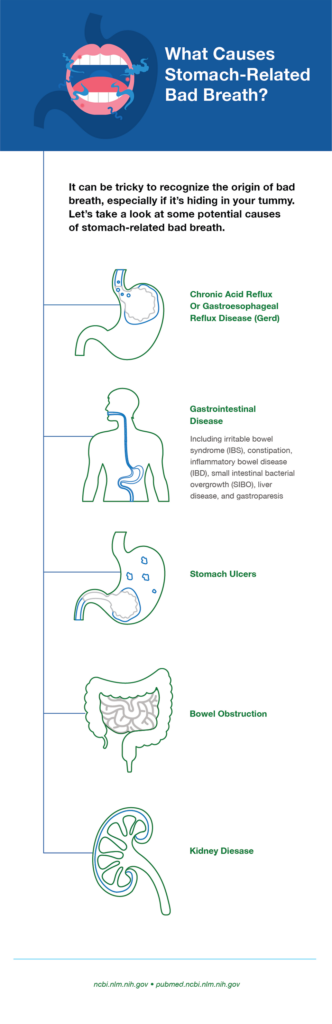
Acid reflux and digestive disorders can cause stomach acids to flow back into the mouth, leading to an unpleasant odor. If you have symptoms of acid reflux or digestive disorders, such as heartburn or indigestion, consult with your healthcare professional for appropriate treatment options. Treating these conditions can improve your breath and overall well-being.
Avoiding habits that worsen bad breath
Avoid excessive alcohol consumption
Excessive alcohol consumption can dehydrate your body, including your mouth, leading to dry mouth and bad breath. Limiting your alcohol intake and accompanying it with water can help minimize its impact on your breath.
Minimize coffee and tea intake
Coffee and tea can leave stains on your teeth and contribute to bad breath. Additionally, both beverages can cause dehydration, exacerbating dry mouth. Moderating your consumption of coffee and tea, and rinsing your mouth with water afterwards, can help mitigate their effects on your breath.
Reduce sugary snacks and drinks
Frequent consumption of sugary snacks and drinks can create an acidic environment in your mouth, promoting the growth of bacteria and the risk of bad breath. Opt for healthier snack options, such as fruits or vegetables, and limit sugary treats and drinks to occasional indulgences.
Home remedies for fresh breath
Rinse with saltwater
Rinsing your mouth with a saltwater solution can help reduce bacteria and freshen your breath. Dissolve half a teaspoon of salt in a glass of warm water and swish it around in your mouth for 30 seconds before spitting it out. This simple home remedy can provide temporary relief from bad breath.
Chew herbs and spices
Certain herbs and spices, such as mint, parsley, cloves, and fennel seeds, have natural properties that can freshen your breath. Chew on a small portion of these herbs and spices or brew them as herbal tea for a quick and natural breath freshener.
Use baking soda as a toothpaste
Baking soda has natural deodorizing properties and can help neutralize acids in your mouth. Wet your toothbrush, dip it into baking soda, and brush your teeth gently. However, keep in mind that baking soda should not replace regular toothpaste and should only be used occasionally.
By understanding the causes and effects of bad breath, maintaining good oral hygiene, scheduling regular dental check-ups, avoiding odor-causing foods, staying hydrated, mindful eating, quitting smoking, managing underlying medical conditions, avoiding habits that worsen bad breath, and incorporating home remedies, you can effectively prevent and combat bad breath. Taking these steps will not only improve your breath but also enhance your overall oral health and well-being. Remember, fresh breath is not only a sign of good hygiene, but it also boosts confidence and improves social interactions. So, dedicate yourself to a fresh and healthy mouth – your breath will thank you!