
Are you looking for ways to protect yourself from developing bipolar disorder? Look no further! In this article, you will find valuable tips and strategies on how to prevent this mental health condition. By implementing simple lifestyle changes and adopting healthy coping mechanisms, you can significantly reduce the risk of developing bipolar disorder. So, let’s dive into this guide and take proactive steps to safeguard your mental well-being.

Understanding Bipolar Disorder
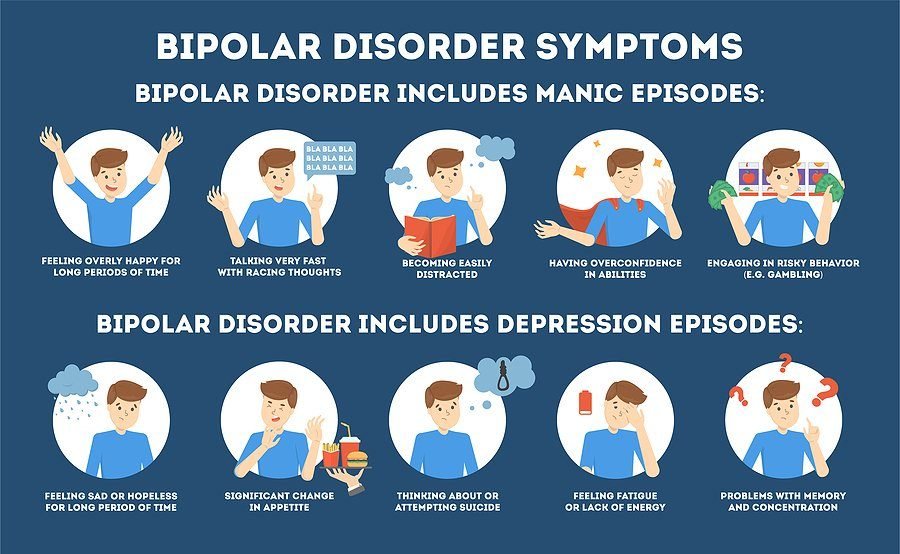
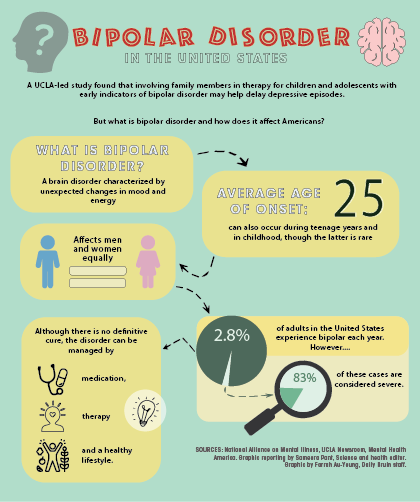
Bipolar disorder, also known as manic-depressive illness, is a mental health condition that causes extreme shifts in mood, energy levels, and behavior. It is important to have a clear understanding of this disorder in order to effectively prevent and manage its symptoms. Bipolar disorder is characterized by two main mood episodes: manic episodes and depressive episodes. During manic episodes, individuals may experience feelings of euphoria, elevated mood, increased energy, impulsivity, and decreased need for sleep. On the other hand, depressive episodes are marked by feelings of sadness, hopelessness, fatigue, lack of interest in activities, and difficulty concentrating.
Risk Factors
While the exact cause of bipolar disorder is unknown, numerous risk factors have been identified. It is important to be aware of these risk factors in order to take necessary precautionary measures.
Genetic Factors
Genetics play a significant role in the development of bipolar disorder. If you have a close relative, such as a parent or sibling, who has been diagnosed with bipolar disorder, you may be at a higher risk of developing the condition.
Environmental Factors
Certain environmental factors can contribute to the onset of bipolar disorder. These factors include childhood trauma, stressful life events, such as the loss of a loved one or financial difficulties, and a chaotic or abusive home environment during childhood.
Substance Abuse
Substance abuse, including alcohol and drugs, can increase the risk of developing bipolar disorder. It is important to avoid or minimize substance abuse to maintain good mental health.
Stressful Life Events
Stressful life events, such as a major life transition or significant personal loss, can trigger the onset of bipolar disorder. Developing effective stress management techniques can be helpful in preventing the disorder.
Maintaining a Healthy Lifestyle
Adopting a healthy lifestyle is crucial for individuals with bipolar disorder as it can help in managing symptoms and preventing episodes. Here are some key aspects to focus on:
Balanced Diet
Maintaining a balanced diet consisting of fruits, vegetables, whole grains, lean proteins, and healthy fats can provide essential nutrients and support overall brain health. Avoiding excessive caffeine and sugar is also recommended, as they can contribute to mood swings.
Regular Exercise
Engaging in regular physical activity, such as walking, jogging, or swimming, can have a positive impact on mental health. Exercise releases endorphins, which are known to improve mood and reduce stress.
Adequate Sleep
Sleep plays a vital role in managing bipolar disorder symptoms. It is important to establish a regular sleep schedule and ensure you are getting enough restful sleep each night. Maintaining good sleep hygiene practices, such as avoiding screens before bed and creating a soothing sleep environment, can be beneficial.
Managing Stress
Stress can greatly impact individuals with bipolar disorder and trigger mood episodes. Managing stress effectively is essential for preventing the onset of bipolar symptoms. Here are some strategies to help manage stress:
Identifying Triggers
Take note of situations, events, or people that may trigger stress for you. By identifying these triggers, you can develop strategies to minimize their impact on your mental health.
Seeking Support
It is important to have a support network in place to lean on during stressful times. Reach out to trusted friends, family members, or mental health professionals who can provide guidance and support.
Relaxation Techniques
Incorporate relaxation techniques into your daily routine to help manage stress. Deep breathing exercises, meditation, yoga, and mindfulness can all be effective in promoting relaxation and reducing anxiety.
Avoiding Substance Abuse
Individuals with bipolar disorder are at an increased risk of substance abuse. Substance abuse can worsen symptoms and interfere with treatment. Here are some steps to avoid substance abuse:
Understanding the Risks
Educate yourself about the risks and potential consequences of substance abuse. This awareness can help in making informed decisions and avoiding harmful substances.
Seeking Professional Help
If you find yourself struggling with substance abuse, it is essential to seek professional help. A mental health professional can guide you through the process of recovery and provide appropriate treatment options.
Peer Support Groups
Joining peer support groups can offer encouragement and valuable insights from individuals who have gone through similar challenges. These groups can provide a sense of community and understanding, which can be crucial in preventing substance abuse.
Creating a Supportive Environment
A supportive environment is vital for individuals with bipolar disorder. Building strong relationships and fostering open communication can make a significant impact on managing symptoms. Here are some strategies to create a supportive environment:
Building Strong Relationships
Develop and nurture strong relationships with supportive family members, friends, and loved ones. These individuals can offer emotional support and understanding during difficult times.
Encouraging Open Communication
Create an environment where open communication is encouraged. This allows you to express your feelings, concerns, and needs, which can strengthen relationships and reduce feelings of isolation.
Providing Emotional Support
Offer emotional support to individuals with bipolar disorder. Listen without judgment, validate their experiences, and provide reassurance during challenging times. Your support can play a crucial role in their overall well-being.
Sticking to a Routine
Maintaining a consistent routine can provide stability and structure for individuals with bipolar disorder. Here are some tips for establishing and sticking to a routine:
Establishing a Schedule
Create a daily schedule that includes regular sleep and wake times, meal times, and specific blocks of time for work or leisure activities. Having a structured routine can help manage mood episodes and reduce stress.
Setting Realistic Goals
Set realistic goals for yourself, both short-term and long-term. Break down larger tasks into smaller achievable steps to avoid becoming overwhelmed. This approach can help maintain motivation and prevent feelings of failure.
Maintaining Consistency
Try to stick to your routine as closely as possible. Consistency in daily habits and activities can help regulate sleep patterns, stabilize mood, and maintain overall well-being.
Keeping a Mood Diary
Keeping a mood diary can be a useful tool for individuals with bipolar disorder to track their mood swings and identify patterns. Here’s how to effectively use a mood diary:
Tracking Mood Swings
Record your mood, including any changes throughout the day. Note whether you experience any manic or depressive symptoms and the severity of these symptoms. This record can help you and your healthcare professional better understand your condition.
Identifying Patterns
Analyzing your mood diary entries over time can help identify patterns and triggers for mood episodes. This knowledge can assist you in managing and preventing future episodes.
Seeking Professional Intervention
If you notice significant changes or patterns in your mood diary, it is important to consult a mental health professional. They can provide guidance, adjust your treatment plan, and suggest additional coping strategies.
Recognizing Early Warning Signs
Being aware of early warning signs is crucial for managing bipolar disorder effectively. By recognizing these signs, individuals can seek appropriate support and implement strategies to prevent full-blown mood episodes. Here’s how to recognize early warning signs:
Educating Yourself
Learn about the early warning signs and symptoms of bipolar disorder. This knowledge empowers you to identify subtle changes and take action promptly.
Monitoring Behavior Changes
Pay attention to changes in your behavior, thought patterns, and daily functioning. Increased irritability, decreased interest in activities, changes in sleep patterns, and feelings of sadness are common early warning signs.
Identifying Symptoms
Know the symptoms specific to your own experiences with bipolar disorder. This includes recognizing changes in energy levels, appetite, concentration, and overall mood. Identifying these symptoms can help you seek appropriate treatment and support.
Seeking Professional Help
Seeking professional help is crucial in effectively managing bipolar disorder. Mental health professionals can provide guidance, support, and appropriate treatment options. Here are some steps to seek professional help:
Consulting a Psychiatrist
Schedule an appointment with a psychiatrist who specializes in mood disorders. They can provide an accurate diagnosis, prescribe medications if necessary, and monitor your progress.
Exploring Medication Options
Work closely with your psychiatrist to explore medication options that can stabilize your mood. It may take time to find the right medication and dosage for your specific needs, so be patient and honest with your healthcare provider.
Participating in Therapy
Engage in therapy, such as cognitive-behavioral therapy or interpersonal therapy, to develop coping strategies and gain additional support. Therapy can help you better understand your condition and learn techniques to manage symptoms effectively.
In conclusion, understanding bipolar disorder is crucial for prevention and management. By identifying risk factors, maintaining a healthy lifestyle, managing stress, avoiding substance abuse, creating a supportive environment, sticking to a routine, keeping a mood diary, recognizing early warning signs, and seeking professional help, you can effectively prevent and manage bipolar disorder symptoms. Remember that with the right support and strategies in place, individuals with bipolar disorder can lead fulfilling and balanced lives.
