
Bird flu is a serious concern that affects both humans and birds. It spreads rapidly and can have devastating consequences. However, by taking a few simple precautions, you can effectively prevent the spread of this disease. In this article, we will explore practical and easy-to-follow steps that you can take to protect yourself and your feathered friends from bird flu. So, grab a cup of tea and let’s get started on creating a safer environment for everyone!
Understanding Bird Flu
Definition of bird flu
Bird flu, also known as avian influenza, is a highly contagious viral infection that primarily affects birds. It is caused by various strains of influenza A viruses, which can be further classified into low pathogenic avian influenza (LPAI) and highly pathogenic avian influenza (HPAI). While bird flu viruses typically circulate among wild birds, they can also affect domestic poultry and, in rare cases, humans.
Modes of transmission
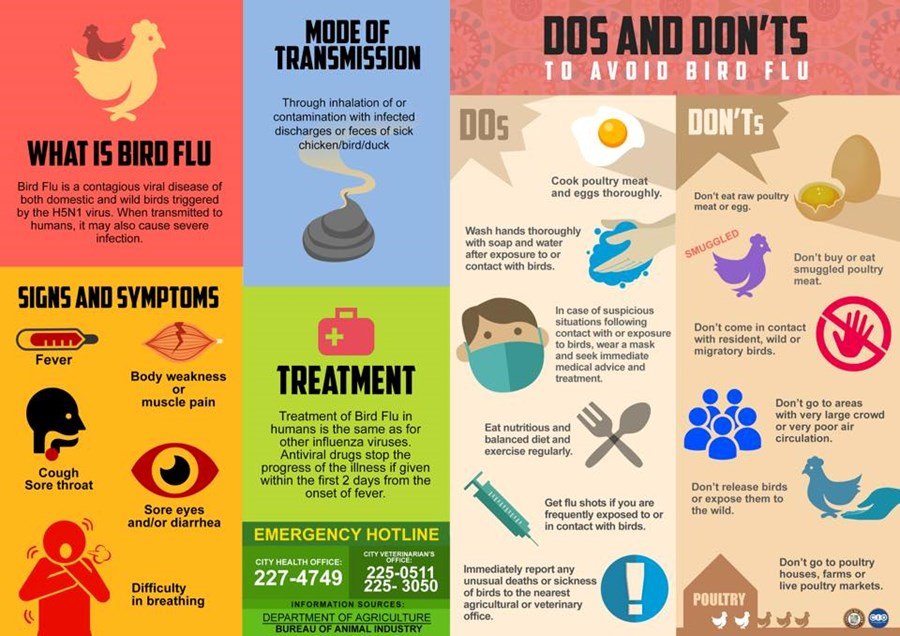
Bird flu can be transmitted through direct contact with infected birds or their droppings, as well as through indirect contact with contaminated surfaces or objects. The virus can also be spread through respiratory secretions (e.g., droplets) of infected birds. Humans can become infected by handling live or dead infected birds, or by consuming raw or undercooked poultry products contaminated with the virus.
Types of bird flu viruses
There are various types of bird flu viruses, with some being more pathogenic than others. The H5N1 and H7N9 subtypes are among the most concerning as they have caused severe illness and fatalities in humans in the past. These viruses have the potential to mutate, leading to increased human-to-human transmission and a higher risk of a pandemic.
Symptoms of bird flu
The symptoms of bird flu in humans can vary, ranging from mild to severe. Common symptoms include fever, cough, sore throat, muscle aches, and respiratory difficulties. In more severe cases, bird flu can lead to pneumonia, acute respiratory distress syndrome (ARDS), organ failure, and even death. It is important to seek medical attention if you develop symptoms after exposure to infected birds.
Risks and complications
The risks of bird flu primarily lie in the potential for the virus to mutate and develop the ability to spread easily from person to person. This could result in a global pandemic with significant health and economic impacts. Complications of bird flu can include severe respiratory illness, organ failure, secondary bacterial infections, and long-term health effects for survivors.
Preventing Bird Flu in Poultry
Maintaining good biosecurity measures
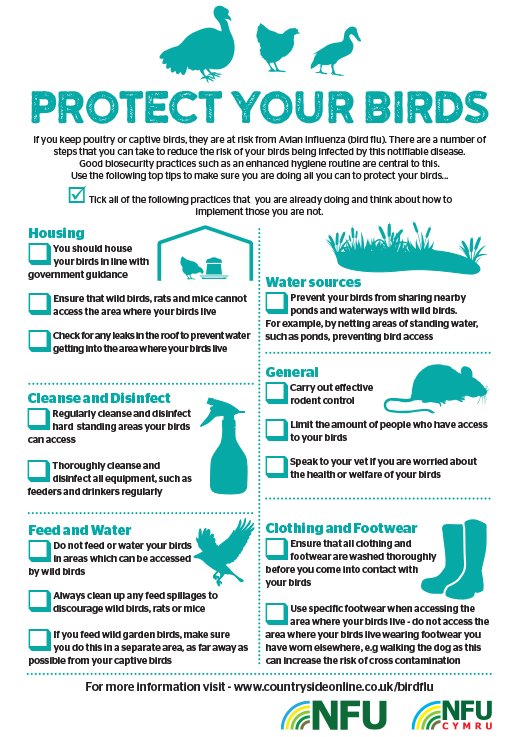
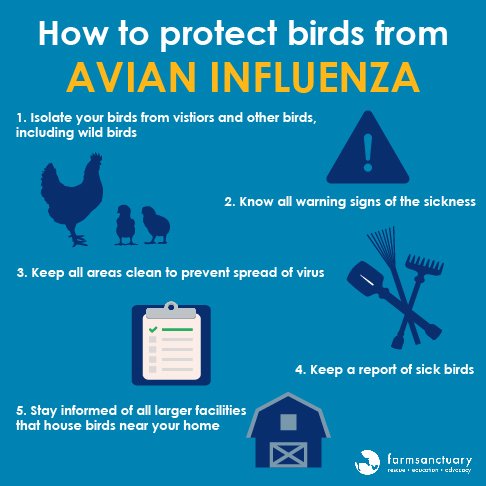
One of the key ways to prevent bird flu in poultry is by maintaining good biosecurity measures. This involves implementing strict protocols to control access to poultry farms and monitoring the movement of people, animals, and equipment. It is important to limit access to poultry farms to only essential personnel and to ensure that they adhere to proper hygiene practices.
Proper farm management practices
Proper farm management practices, such as regular cleaning and disinfection of poultry houses, can help prevent the introduction and spread of bird flu. Farms should also implement measures to minimize water and feed contamination, monitor bird health, and promptly report any signs of illness or deaths to the relevant authorities.
Regular vaccination
Vaccination plays a crucial role in preventing bird flu in poultry. Administering vaccines that target specific strains of the virus can help protect birds from becoming infected and reduce the risk of the virus spreading to other birds or humans. Regular vaccination programs should be implemented and closely monitored to ensure their efficacy.
Quarantine and isolation
Quarantine and isolation measures are essential in preventing the transmission of bird flu within poultry populations. Suspected or confirmed cases should be promptly isolated from healthy birds to minimize the risk of spread. Quarantine periods should be implemented for new birds brought onto the farm, and strict monitoring should be in place to detect any signs of infection.
Safe disposal of sick birds
Proper disposal of sick birds is crucial in preventing the spread of bird flu. Infected birds should be safely euthanized and disposed of according to established guidelines to ensure that the virus is not able to contaminate the environment or infect other birds. This includes ensuring that carcasses are properly bagged and disposed of in designated areas.
Prohibition of bird gatherings
To prevent the spread of bird flu, it is important to prohibit bird gatherings, such as poultry shows or markets, where birds from different sources may come into contact with one another. These gatherings provide opportunities for the virus to spread rapidly if present. By avoiding such gatherings, the risk of introducing or spreading the virus can be significantly reduced.
Preventing Bird Flu in Humans
Minimize direct contact with infected birds
To prevent bird flu in humans, it is important to minimize direct contact with infected birds, whether they are domestic poultry or wild birds. This includes avoiding contact with live birds, their droppings, and surfaces contaminated with bird excrement. In areas where bird flu outbreaks are known to occur, it is advisable to keep a safe distance from potentially infected birds.
Proper handling and cooking of poultry
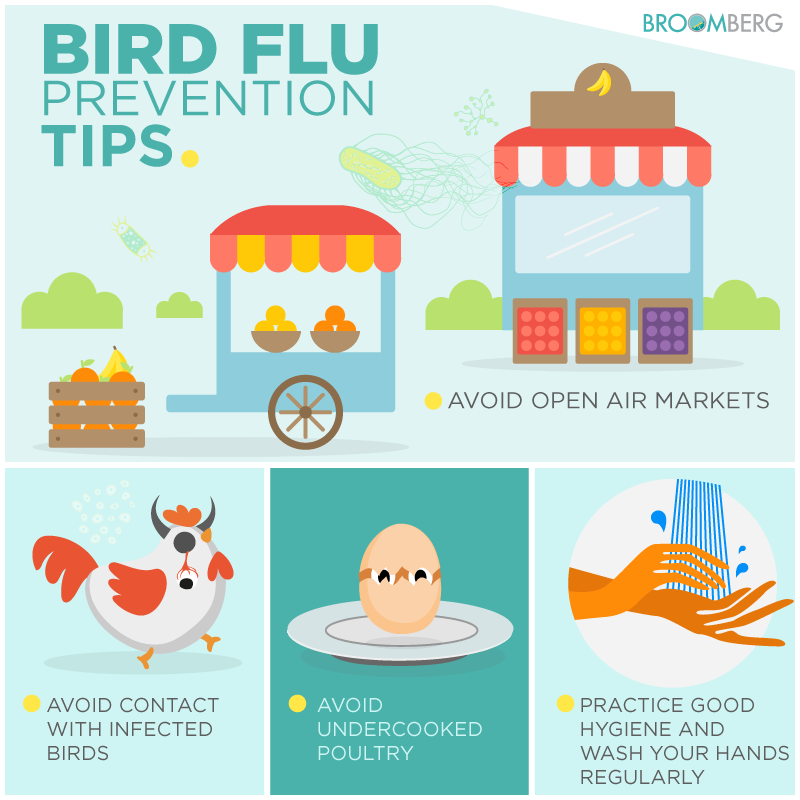
Proper handling and cooking of poultry products is crucial in preventing bird flu. Poultry should be cooked thoroughly, reaching internal temperatures of at least 165°F (74°C), to ensure that any potential bird flu viruses present are destroyed. It is also important to practice good hygiene during food preparation, such as washing hands thoroughly after handling raw poultry.
Avoiding live bird markets
Live bird markets can be potential sources of bird flu transmission, as they bring together various birds from different sources. As such, it is advisable to avoid visiting live bird markets, especially during bird flu outbreaks. If it is necessary to visit such markets, it is important to practice good hygiene, avoid touching birds, and wash hands thoroughly afterward.
Washing hands frequently
Frequent handwashing is a simple yet effective measure in preventing the spread of bird flu. Hands should be washed with soap and clean water for at least 20 seconds, particularly after handling birds, poultry products, or surfaces potentially contaminated with bird droppings. If soap and water are unavailable, alcohol-based hand sanitizers can be used as an alternative.
Wearing personal protective equipment
In situations where there is a high risk of exposure to bird flu, it is advisable to wear personal protective equipment (PPE) such as gloves, masks, and goggles. This is particularly important for individuals who work in close proximity to infected birds or in healthcare settings where there may be a risk of caring for bird flu patients.
Strengthening immune system
A strong immune system can help reduce the likelihood of severe illness from bird flu. Maintaining a healthy lifestyle, including regular exercise, a balanced diet, adequate sleep, and stress management, can help strengthen the immune system and improve overall resilience to infections. It is also important to consider vaccination against seasonal influenza to reduce the risk of contracting multiple respiratory illnesses simultaneously.
Travel Considerations to Prevent Bird Flu
Checking travel advisories
Before traveling to areas where bird flu outbreaks have been reported, it is important to check travel advisories issued by local health authorities and international organizations. These advisories provide updated information on the current situation, potential risks, and recommended precautions to take while traveling.
Avian influenza-free countries
When planning international travel, considering destinations that are recognized as avian influenza-free can help lower the risk of bird flu exposure. These countries have implemented stringent surveillance and control measures to minimize the importation and spread of the virus within their poultry populations.
Precautions during travel
During travel, it is important to follow basic hygiene practices to prevent bird flu transmission. This includes avoiding contact with live birds or bird excrement, practicing good respiratory hygiene (e.g., covering mouth and nose with a tissue or elbow when coughing or sneezing), and regularly cleaning hands with soap and water or hand sanitizer.
Monitoring flu symptoms post-travel
After returning from travel, it is crucial to monitor for any flu-like symptoms, such as fever, cough, sore throat, or respiratory difficulties. If symptoms develop within a few days of travel, it is important to seek medical attention and inform healthcare professionals about the travel history, including potential exposure to bird flu.
Preventing Bird Flu Spread in Communities
Promoting hygiene practices
Promoting good hygiene practices within communities is essential in preventing the spread of bird flu. This includes educating the public about proper hand hygiene, respiratory etiquette, and the importance of proper food handling and preparation. Public health campaigns can help raise awareness and encourage individuals to adopt these hygienic behaviors.
Educating the public
Educating the public about bird flu, its risks, and preventive measures is crucial in creating awareness and promoting responsible actions. This can be done through public information campaigns, community workshops, and targeted education programs. Providing accurate and timely information can empower individuals to take appropriate precautions.
Reporting sick or dead birds
Prompt reporting of sick or dead birds to the relevant authorities is important for early detection and response to bird flu outbreaks. If individuals come across birds showing signs of illness or find dead birds, they should report these incidents to local animal health or public health authorities. This allows for timely investigation and implementation of control measures.
Monitoring wild bird populations
Monitoring wild bird populations plays a vital role in understanding the dynamics of bird flu transmission and detecting the presence of the virus in the environment. Through surveillance programs, researchers and authorities can identify potential hotspots or high-risk areas and implement appropriate measures to prevent the spread of bird flu.
Government and International Efforts
Surveillance and early warning systems
Governments and international organizations play a critical role in monitoring and surveilling bird flu outbreaks. By implementing robust surveillance systems, they can detect the presence of the virus, track its spread, and provide early warning to affected areas. This allows for prompt intervention and control measures to be implemented.
Collaboration between countries
Collaboration between countries is essential in effectively managing bird flu. Sharing information on outbreaks, exchanging best practices, and coordinating responses can help prevent the spread of the virus across borders. International collaboration also enhances research and development efforts, leading to improved diagnostic tools and vaccines.
Emergency response plans
Governments and organizations should develop comprehensive emergency response plans to guide their actions in the event of a bird flu outbreak. These plans should include strategies for early detection, response coordination, risk communication, and resource management. Regular drills and exercises can help ensure preparedness and strengthen response capabilities.
Research and development of vaccines
Investing in research and development of vaccines is crucial in preventing bird flu. Scientists and pharmaceutical companies work together to develop effective vaccines that target specific strains of the virus. Ongoing research efforts aim to improve vaccine efficacy, develop novel vaccine platforms, and ensure sufficient vaccine supply during outbreaks.
International health regulations
International health regulations, such as the International Health Regulations (2005), provide a framework for countries to prevent, detect, and respond to public health threats, including bird flu. These regulations promote international cooperation, data sharing, and the implementation of standardized measures to protect global health security.
Precautions for Healthcare Professionals
Appropriate infection control measures
Healthcare professionals should adhere to appropriate infection control measures when caring for suspected or confirmed cases of bird flu. This includes using personal protective equipment (PPE), practicing good hand hygiene, and following proper disinfection protocols. By implementing these measures, healthcare professionals can protect themselves and prevent the spread of infection to others.
Prompt identification and reporting of cases
Early identification and reporting of suspected bird flu cases are crucial in preventing further transmission. Healthcare professionals should maintain a high level of suspicion when encountering patients with flu-like symptoms, especially those with a history of exposure to birds or bird flu outbreaks. Suspected cases should be promptly reported to the relevant public health authorities.
Isolation and treatment protocols
Isolation of suspected or confirmed bird flu cases is essential in preventing the spread of the virus within healthcare settings. Patients should be placed in appropriate isolation facilities and healthcare professionals should strictly adhere to isolation protocols. Treatment strategies may include antiviral medications and supportive care to manage symptoms and complications.
Use of personal protective equipment
Healthcare professionals involved in the care of bird flu patients should use appropriate personal protective equipment (PPE) to minimize the risk of exposure. This may include gloves, masks, gowns, and eye protection. Adequate training on the proper use and disposal of PPE should be provided to ensure its effectiveness in preventing infection.
Preparing for a Bird Flu Pandemic
Stockpiling antiviral medications
In preparation for a bird flu pandemic, governments and healthcare systems should consider stockpiling antiviral medications that are effective against bird flu viruses. These medications can be used for treatment, prophylaxis, or as part of public health response strategies. Adequate supplies should be maintained to ensure availability during outbreaks.
Enhancing healthcare infrastructure
Enhancing healthcare infrastructure is essential to effectively manage a bird flu pandemic. This includes increasing the capacity of healthcare facilities, ensuring sufficient medical supplies and equipment, and strengthening laboratory capabilities for rapid diagnosis. Collaboration between healthcare providers, governments, and international organizations is crucial in building resilient healthcare systems.
Developing pandemic preparedness plans
Pandemic preparedness plans should be developed at national, regional, and global levels to guide preparedness and response efforts. These plans should outline strategies for surveillance, risk assessment, communication, resource allocation, and coordination among different sectors. Regular updating and testing of the plans are essential to ensure their effectiveness.
Training healthcare professionals
Training healthcare professionals on the management of bird flu cases and pandemic response is paramount in preparedness efforts. Healthcare workers should receive regular training on infection control, case identification, diagnosis, treatment, and the use of PPE. This enables them to respond effectively in a pandemic situation and ensures the safety of both patients and healthcare providers.
Conclusion
Preventing bird flu requires a comprehensive approach involving various sectors and stakeholders. Understanding the nature and transmission of bird flu, implementing preventive measures in poultry and human populations, considering travel-related risks, promoting hygiene practices, and strengthening healthcare systems are key components of effective prevention efforts. Vigilance, collaboration, and regular updates on bird flu are necessary to mitigate the risks and protect public health. By adopting these preventive measures, we can work together to minimize the impact of bird flu and prevent future outbreaks.