
Have you ever experienced the embarrassing and uncomfortable problem of bowel incontinence? Whether it’s a temporary issue or a chronic condition, no one wants to be caught off guard by an unexpected loss of bowel control. In this article, you will discover practical and effective tips on how to prevent bowel incontinence. By implementing these strategies into your daily routine, you can regain confidence and maintain a worry-free lifestyle. Say goodbye to the stress and anxiety associated with this condition, and say hello to a healthier and more comfortable you.
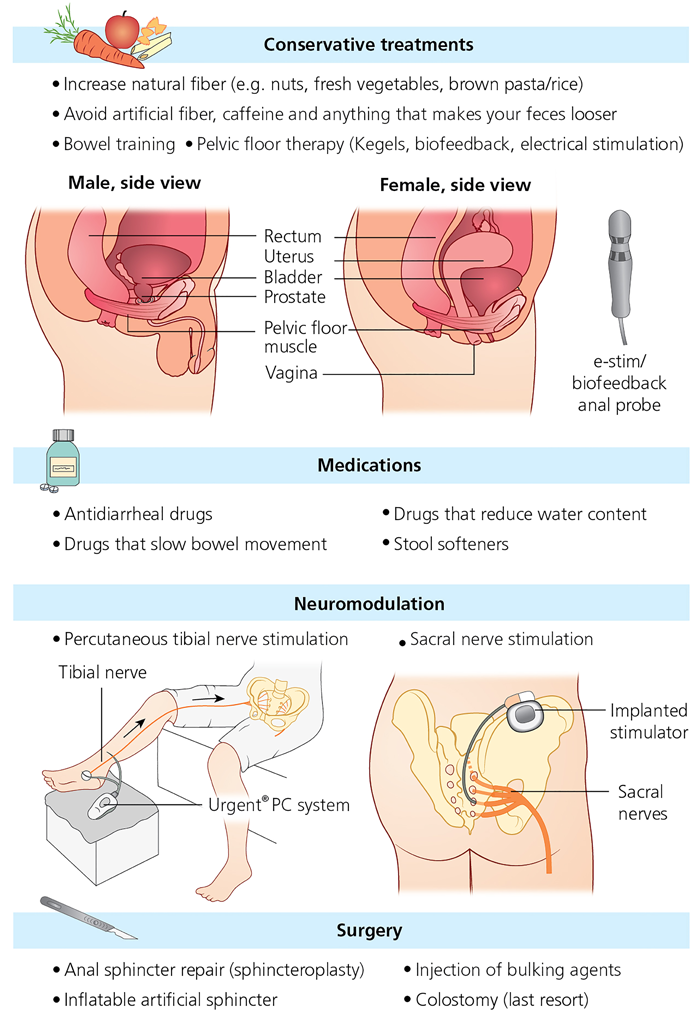
Understanding Bowel Incontinence
Definition of Bowel Incontinence
Bowel incontinence, also known as fecal incontinence, refers to the inability to control bowel movements, resulting in the involuntary leakage of stool. It can range from occasional gas or mild leakage to complete loss of bowel control. Bowel incontinence can not only be embarrassing but also have a significant impact on a person’s quality of life.
Causes of Bowel Incontinence
Various factors can contribute to the development of bowel incontinence. Common causes include:
- Weak or damaged muscles and nerves in the rectum and anus
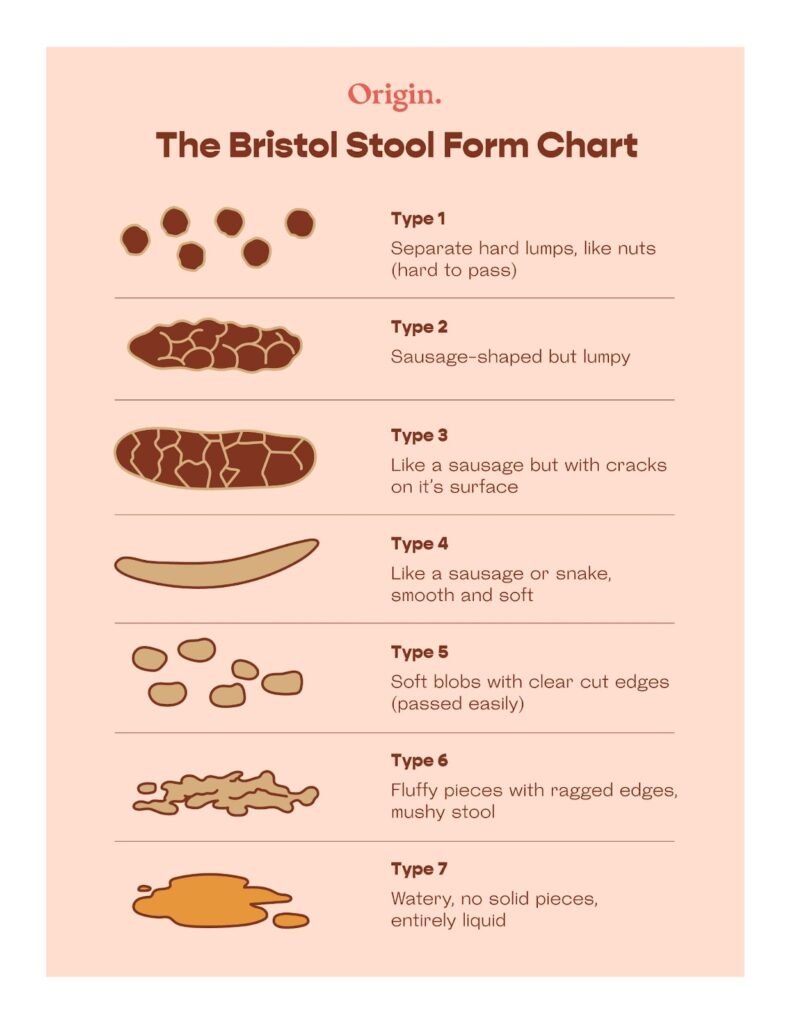
- Chronic constipation or diarrhea
- Pelvic floor disorders
- Aging and weakening of the muscles that control bowel movements
- Certain medical conditions such as diabetes, multiple sclerosis, or inflammatory bowel disease
- Surgical complications in the rectal or anal area
- Emotional or psychological factors
Understanding the underlying causes of bowel incontinence is essential for effective prevention and management.
Effects of Bowel Incontinence
Bowel incontinence can have both physical and emotional effects on individuals experiencing it. Physically, it can lead to skin irritation, rashes, and infections due to constant contact with stool. It can also cause discomfort, pain, and loss of self-esteem. Emotionally, individuals may feel embarrassed, anxious, or socially isolated, leading to a decreased quality of life.
Moreover, the fear of accidents and the need to constantly be near a bathroom can limit one’s activities and freedom. Therefore, managing and preventing bowel incontinence is crucial to improve overall well-being and maintain an active lifestyle.
Maintaining a Healthy Diet
Fiber-rich Foods
A well-balanced diet plays a vital role in preventing bowel incontinence. Including fiber-rich foods in your daily meals can promote regular bowel movements, improve stool consistency, and prevent both constipation and diarrhea. Some excellent sources of dietary fiber include whole grains, fruits, vegetables, legumes, and nuts. Aim to consume around 25 to 30 grams of fiber per day to maintain a healthy digestive system.
Hydration
Adequate hydration is essential for preventing bowel incontinence. Drinking enough water helps soften the stool, making it easier to pass. It also prevents dehydration, which can lead to constipation. Aim to drink at least 8 cups (64 ounces) of water per day, and increase your intake if you are physically active or in hot weather.
Avoiding Trigger Foods
Certain foods can trigger bowel incontinence or exacerbate its symptoms. These include spicy or greasy foods, caffeine, alcohol, and artificial sweeteners. It is important to pay attention to your body’s reaction to different foods and identify any triggers that may worsen your symptoms. Keeping a food diary can help you pinpoint any specific foods that may be causing issues, allowing you to adjust your diet accordingly.

Regular Exercise and Physical Activity
Benefits of Exercise
Engaging in regular exercise and physical activity can significantly improve bowel function and prevent bowel incontinence. Exercise helps stimulate the muscles in the intestines, promoting healthy bowel movements and preventing constipation. It also improves overall muscle tone and strengthens the pelvic floor muscles, which play a crucial role in bowel control.
Additionally, regular exercise can help manage weight, reduce stress levels, and enhance overall well-being. Aim for at least 150 minutes of moderate-intensity aerobic activity, such as brisk walking or cycling, per week to reap the benefits of exercise for bowel health.
Types of Exercises to Prevent Bowel Incontinence
Specific exercises targeting the pelvic floor muscles can be particularly effective in preventing and managing bowel incontinence. These exercises help strengthen the muscles that control bowel movements, improving control and reducing the risk of accidents.
-
Kegels: Kegel exercises involve contracting and relaxing the muscles in the pelvic floor. To perform Kegels, imagine trying to stop the flow of urine and hold that position for a few seconds before releasing. Repeat this exercise several times throughout the day to strengthen the pelvic floor muscles.
-
Squats: Squats are a great exercise to engage the pelvic floor muscles. Start by standing with your feet shoulder-width apart, then slowly lower yourself into a squatting position while keeping your back straight. Repeat this exercise for several repetitions, gradually increasing the difficulty as you become more comfortable.
-
Pilates: Pilates exercises focus on core strength and stability, which can help improve overall bowel control. Consider incorporating Pilates into your fitness routine, as it can provide numerous benefits for your pelvic floor muscles.
Remember to consult with a healthcare professional or a certified exercise specialist before starting any new exercise program, especially if you have any underlying medical conditions.
Establishing Regular Bowel Habits
Maintain a Routine
Establishing a regular bowel routine can be beneficial in preventing bowel incontinence. Try to maintain consistent meal times and allocate a specific time each day for bowel movements. This can help train your body to have regular and predictable trips to the bathroom, reducing the likelihood of accidents.
Adequate Time for Bowel Movements
Taking your time during bowel movements is essential to prevent straining and reduce the risk of bowel incontinence. Rushing or straining on the toilet can lead to weakened pelvic floor muscles and make it harder to control bowel movements. Allow yourself enough time in the bathroom and avoid any unnecessary stress or distractions that may hinder your body’s natural rhythm.
Pelvic Floor Exercises
What are Pelvic Floor Muscles?
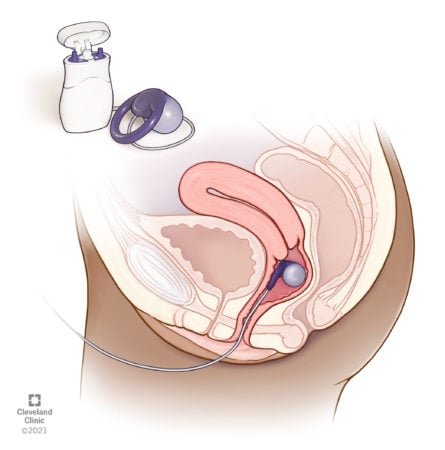
The pelvic floor muscles are a group of muscles that form a sling-like structure at the bottom of the pelvis, supporting the bladder, uterus, and rectum. These muscles play a crucial role in controlling bowel movements and maintaining continence. Weak pelvic floor muscles can contribute to bowel incontinence, making pelvic floor exercises an essential part of prevention and management.
Benefits of Pelvic Floor Exercises
Regularly engaging in pelvic floor exercises can strengthen the muscles responsible for controlling bowel movements and improve their overall function. These exercises can increase muscle tone, enhance control, and reduce the occurrence of accidental bowel leakage. Additionally, strengthening the pelvic floor can also improve sexual function and prevent other pelvic floor disorders.
Kegels: The Most Common Pelvic Floor Exercise
Kegel exercises, named after Dr. Arnold Kegel who developed them in the 1940s, are the most well-known and commonly recommended pelvic floor exercises. They involve the contraction and relaxation of the pelvic floor muscles, helping to strengthen and tone them over time.
To perform Kegels, start by identifying the pelvic floor muscles. Imagine trying to stop the flow of urine or prevent the passage of gas, and squeeze those muscles as if you were doing so. Hold the contraction for a few seconds before releasing and then repeat several times. Aim for three sets of ten repetitions each day and gradually increase the duration of each contraction as your muscles get stronger.
Lifestyle factors, such as pregnancy, childbirth, and aging, can weaken the pelvic floor muscles. Therefore, it is important to make pelvic floor exercises a regular part of your routine to prevent and manage bowel incontinence effectively.
Weight Management
Obesity and Bowel Incontinence
Maintaining a healthy weight is vital for preventing bowel incontinence. Obesity puts extra pressure on the abdominal and pelvic areas, weakening the muscles responsible for bowel control. Additionally, excess weight can contribute to conditions such as diabetes and cardiovascular disease, which are associated with bowel incontinence. Losing weight can significantly improve bowel function and reduce the risk of incontinence episodes.
Healthy Weight Loss Strategies
If you are overweight or obese, adopting healthy weight loss strategies can have a positive impact on your bowel health. Start by incorporating regular exercise and physical activity into your routine, aiming for a combination of cardiovascular and strength training exercises. Additionally, focus on consuming a balanced diet rich in fruits, vegetables, whole grains, and lean proteins. Portion control and mindful eating practices can also help you achieve and maintain a healthy weight.
Remember, weight loss should be gradual and sustainable, as rapid weight loss can contribute to nutritional deficiencies and impact overall health. It is always recommended to consult with a healthcare professional or a registered dietitian before starting any weight loss program.

Avoiding Straining During Bowel Movements
Proper Toilet Positioning
Proper toilet positioning can play a significant role in preventing straining during bowel movements. The ideal position is a squatting or squat-like position, which aligns the rectum and anus for easier passage of stool. To achieve this position, consider using a low stool or a specially designed squatting platform that elevates your feet while sitting on the toilet.
Relaxation Techniques
Relaxation techniques can also help prevent straining during bowel movements. Straining can make it harder to control bowel movements, increasing the risk of incontinence. To promote relaxation, try deep breathing exercises, meditation, or gentle stretching before and during your time on the toilet. Taking slow, deep breaths and consciously relaxing the pelvic floor muscles can help facilitate easier bowel movements.
Managing Medications
Reviewing Medications with a Healthcare Provider
Certain medications can affect bowel function and contribute to bowel incontinence. If you are experiencing bowel incontinence, it is essential to review your medications with a healthcare provider. They can assess whether any of your current medications may be contributing to the problem or recommend alternatives that are less likely to cause bowel incontinence. It is crucial to never stop or adjust medications without consulting a healthcare professional.
Managing Chronic Conditions
Treating Underlying Medical Conditions
In some cases, bowel incontinence may be a symptom of an underlying medical condition. It is important to address and manage these conditions to improve bowel control. Conditions such as diabetes, multiple sclerosis, inflammatory bowel disease, or even hemorrhoids can all contribute to bowel incontinence. Seeking appropriate medical treatment and following the recommended management plans can help alleviate the symptoms and reduce episodes of incontinence.
Managing Diarrhea or Constipation
Chronic diarrhea or constipation can significantly impact bowel control and increase the risk of incontinence. Managing these conditions effectively can help prevent bowel incontinence episodes. Treatment options may include dietary modifications, medications, or other interventions recommended by a healthcare professional. It is essential to address any ongoing issues with diarrhea or constipation promptly to improve overall bowel function.
Seeking Professional Help
Consulting a Healthcare Provider
If you are experiencing frequent or severe episodes of bowel incontinence, it is crucial to consult a healthcare provider. They can evaluate your symptoms, perform necessary tests or procedures, and develop a personalized treatment plan based on your specific needs. An accurate diagnosis is essential to determine the underlying causes of bowel incontinence and develop an effective prevention and management strategy.
Importance of Regular Check-ups
Regular check-ups with a healthcare provider are essential for overall health and well-being, including bowel health. Routine examinations can help identify any underlying conditions or changes that may affect bowel control. It is recommended to schedule regular check-ups to address any concerns, receive appropriate preventative care, and optimize your overall gastrointestinal health.
In conclusion, bowel incontinence can significantly impact an individual’s quality of life. While it may be an embarrassing topic to discuss, it is important to understand that effective prevention and management strategies are available. By maintaining a healthy diet, engaging in regular exercise, establishing regular bowel habits, performing pelvic floor exercises, managing weight, avoiding straining during bowel movements, being mindful of medications and chronic conditions, and seeking professional help when needed, you can take proactive steps towards preventing and managing bowel incontinence. Remember, consulting with a healthcare provider is always recommended for personalized advice and guidance.