
You may have noticed that some individuals have legs that curve outward, resembling the shape of a bow. This common condition, known as bow legs, can occur in both children and adults. If you’re concerned about this issue or want to ensure your child’s legs develop properly, this article will provide you with valuable tips and insights on how to prevent bow legs. By implementing simple exercises, adopting good posture habits, and seeking early intervention, you can take proactive steps to promote healthy leg alignment and prevent the development or worsening of bow legs.
Understanding Bow Legs
What are bow legs?
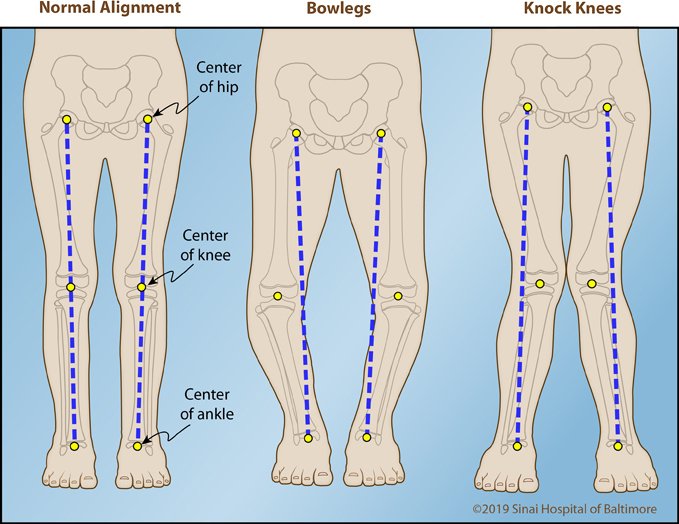
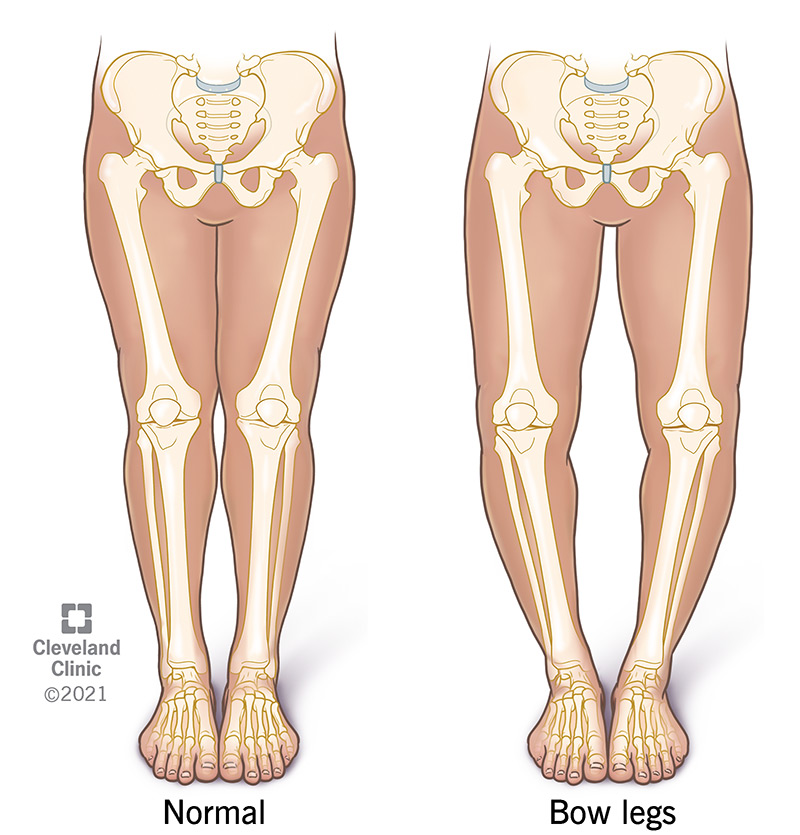
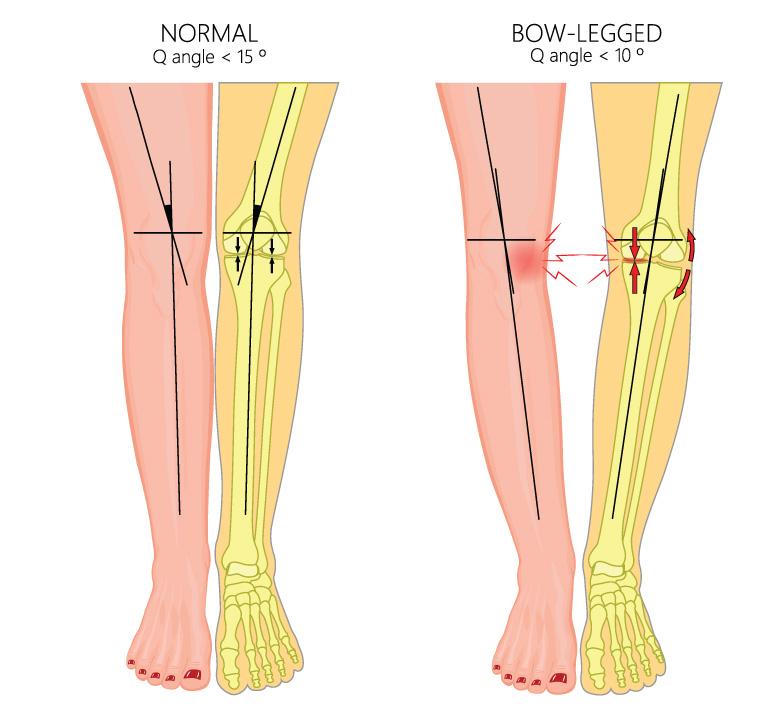
Bow legs, also known as genu varum, is a condition where a person’s legs appear curved outward, creating a bow-like shape. Instead of the legs being straight when standing upright, there is a noticeable gap between the knees, while the ankles are closer together. Bow legs can occur in one or both legs, and they can be present from birth or develop over time.
Causes of bow legs
Bow legs can be caused by a variety of factors. In infants, it is often a normal variation of their skeletal development. As they grow and start to walk, the legs gradually straighten out on their own. However, in some cases, bow legs can be caused by underlying medical conditions or genetic factors. Vitamin D deficiency, rickets, bone disorders, and certain genetic conditions can contribute to the development of bow legs. It is important to identify the cause to determine the appropriate treatment options.
Health risks associated with bow legs
While bow legs can be a normal part of a child’s development, severe or persistent bow legs can lead to health risks. The leg curvature can result in an uneven distribution of weight, leading to joint problems and increased wear and tear on the affected joints. Over time, this can result in pain, discomfort, and difficulty walking or performing everyday activities. It is crucial to address bow legs in a timely manner to prevent long-term complications.
Early Detection and Diagnosis
Signs of bow legs in infants
Identifying bow legs in infants is essential for early intervention. Some signs to look out for include a noticeable curve or gap between the knees when the baby is standing, an awkward and unstable gait, and difficulty bearing weight on the legs. It is important to note that mild bowing of the legs is common in infants and usually resolves on its own.
When to consult a doctor
It is recommended to consult a doctor if you notice persistently severe bowing of the legs beyond the age when most children’s legs have straightened (around 2-3 years old). Additionally, if your child experiences pain, difficulty walking, or any other concerning symptoms, it is crucial to seek medical advice for a proper diagnosis and appropriate treatment.
Diagnostic tests for bow legs
To assess the severity and underlying cause of bow legs, doctors may perform various diagnostic tests. This can include a physical examination to evaluate leg alignment, range of motion, and joint stability. Blood tests may also be conducted to check for any nutritional deficiencies or underlying medical conditions that may be contributing to the bow legs. In some cases, imaging tests like X-rays or bone scans may be recommended to further evaluate the bones and joints.
Exercises and Stretches
Benefits of exercises and stretches
Exercises and stretches can be beneficial for individuals with bow legs as they help improve muscle strength, flexibility, and overall leg alignment. By targeting specific muscle groups, these exercises can gradually correct the curvature and promote proper leg alignment. Additionally, exercises and stretches help reduce joint strain, improve balance, and enhance overall mobility.
Quadricep stretches
Quadricep stretches focus on stretching the front thigh muscles. One effective stretch is the standing quad stretch. Stand upright and pull one foot towards your glute with your hand. Hold the stretch for 30 seconds and repeat with the other leg. Another option is the lying quad stretch. Lie on your side, bend your top knee, and reach back to grab your ankle, pulling it towards your glute. Hold for 30 seconds on each side.
Hamstring stretches
Stretching the muscles at the back of the thigh, known as the hamstrings, can help improve leg alignment. One simple hamstring stretch is the seated hamstring stretch. Sit on the edge of a chair with one leg extended. Lean forward from the hips while keeping your back straight until you feel a gentle stretch at the back of your thigh. Hold for 30 seconds and repeat on the other leg.
Calf stretches
Calf stretches target the muscles at the back of the lower leg. One effective stretch is the wall calf stretch. Stand facing a wall with one foot slightly behind the other. Lean forward, placing your hands on the wall for support. Keep the back leg straight and gently press the heel on the floor until you feel a stretch in the calf muscle. Hold for 30 seconds and repeat with the other leg.
Weight Management
The importance of maintaining a healthy weight
Maintaining a healthy weight is crucial for individuals with bow legs as it helps reduce the strain on the joints and improves overall mobility. Excess weight can exacerbate the curvature of the legs, putting additional stress on the knees and ankles. By achieving and maintaining a healthy weight, individuals with bow legs can alleviate joint pain and minimize the risk of further complications.
Healthy diet tips
Incorporating a balanced and nutritious diet is essential for weight management and overall health. Focus on consuming a variety of fruits, vegetables, lean proteins, whole grains, and healthy fats. Avoid or limit processed foods, sugary drinks, and excessive salt intake. Stay hydrated by drinking an adequate amount of water throughout the day. Consult with a healthcare professional or registered dietitian for personalized dietary recommendations.
Tips for losing weight
To effectively lose weight, it is important to combine a healthy diet with regular physical activity. Incorporate exercises that target weight loss, such as cardio exercises like walking, jogging, swimming, or cycling. Aim for at least 150 minutes of moderate-intensity aerobic exercise per week. Additionally, strength training exercises can help build muscle, boost metabolism, and aid in weight loss. It is always recommended to consult with a healthcare professional before starting any weight-loss program.
Orthotic Devices
Understanding orthotic devices
Orthotic devices are external appliances designed to support and align the legs, ankles, and feet. They can be particularly beneficial for individuals with bow legs as they help distribute weight more evenly, improve leg alignment, and reduce strain on the joints. Orthotic devices are available in various forms, including shoe inserts, braces, and specialized footwear.
Types of orthotic devices
One common type of orthotic device used for bow legs is a shoe insert or orthopedic insole. These inserts can provide additional arch support and cushioning, promoting proper foot and leg alignment. Alternatively, leg braces can be utilized to help straighten the legs gradually. Braces are often adjustable, allowing for customization as the individual’s legs improve over time.
How to choose the right orthotic device
Choosing the right orthotic device for your specific needs requires consultation with a healthcare professional or orthotist. They can assess your leg alignment, mobility, and overall condition to recommend the most appropriate orthotic device. Factors such as the severity of the bow legs, any associated health conditions, and lifestyle considerations should be taken into account when selecting an orthotic device.
Bracing
The role of bracing in correcting bow legs
Bracing plays a significant role in the correction of bow legs, especially in children with severe or persistent leg curvature. By applying external forces to the legs, braces help gradually straighten the bones and improve leg alignment. Bracing can be particularly effective in infants and young children whose bones are still growing and more responsive to corrective measures.
Different types of braces
Various types of braces can be used to correct bow legs, depending on the severity and individual needs. A common type is a knee ankle foot orthosis (KAFO), which extends from the thigh to the foot, providing stability and support to the entire leg. Another type is a knee brace, which focuses on providing targeted support and alignment to the knee joint. These braces are typically adjustable and designed to accommodate growth.
Wearing and caring for braces
Proper care and usage of braces are essential for optimal outcomes. It is important to follow the healthcare professional’s instructions regarding the duration and frequency of brace usage. Regular check-ups and adjustments may be necessary as the legs improve. Keeping the braces clean and dry is crucial to prevent skin irritation or infections. It is also important to monitor the skin under the brace for any signs of pressure sores or discomfort.

Surgical Options
When surgery may be necessary
In severe cases of bow legs where other conservative treatment options have been exhausted or deemed ineffective, surgery may be recommended. Surgery is typically considered as a last resort when the leg curvature significantly impacts the individual’s quality of life, causes severe pain, or leads to other complications. The decision to undergo surgery should be made in consultation with an orthopedic surgeon who specializes in leg deformities.
Different surgical procedures for bow legs
There are several surgical procedures available for the correction of bow legs. One common procedure is an osteotomy, where the surgeon makes cuts in the affected bone to realign it correctly. The surgeon may also use internal fixation devices such as plates, screws, or rods to stabilize the bones during the healing process. Another surgical option is guided growth surgery, which involves placing small implants near the growth plate to direct bone growth and gradually correct the leg alignment.
Recovery and rehabilitation after surgery
Recovery and rehabilitation after surgery will vary depending on the specific procedure performed and individual factors. Physical therapy is often an integral part of the post-surgical recovery process. It helps restore range of motion, strengthen muscles, and improve overall leg function. Following the surgeon’s instructions closely, attending follow-up appointments, and adhering to the recommended rehabilitation program are crucial for a successful recovery.
Treating Underlying Conditions
Addressing Vitamin D deficiency
Vitamin D deficiency can contribute to the development of bow legs by impairing bone growth and strength. To treat underlying Vitamin D deficiency, healthcare professionals may recommend Vitamin D supplements or dietary changes aimed at increasing Vitamin D intake. Eating foods rich in Vitamin D, such as fatty fish, fortified dairy products, eggs, and exposure to natural sunlight, can help maintain adequate Vitamin D levels.
Managing bone disorders
Certain bone disorders, such as rickets or osteomalacia, can cause or exacerbate bow legs. Management of these conditions involves a combination of interventions, including medications to address underlying deficiencies or abnormalities, dietary adjustments, and lifestyle modifications. Regular monitoring and follow-up with a healthcare professional specializing in bone health is essential to effectively manage these conditions.
Dealing with genetic conditions
In some cases, bow legs may be caused by genetic conditions that affect bone development and growth. While it may not be possible to directly treat the underlying genetic condition, managing the symptoms and associated complications is crucial. Healthcare professionals can provide guidance on the appropriate treatment options and interventions to address any specific concerns that arise from the genetic condition.
Posture Correction
The importance of good posture
Maintaining good posture is essential for overall spinal health and proper leg alignment. Correct posture helps distribute weight evenly, reduces strain on the joints, and prevents musculoskeletal imbalances. By practicing good posture, individuals with bow legs can improve their overall leg alignment and alleviate any associated discomfort or pain.
Exercises to improve posture
Various exercises can be incorporated into a daily routine to improve posture. Strengthening exercises that target the core muscles, such as planks and abdominal crunches, can help support a stable and upright spinal alignment. Stretching exercises that focus on the chest, shoulders, and back muscles can also help improve posture by promoting flexibility and joint mobility.
Practicing proper body mechanics
In addition to exercises, practicing proper body mechanics in everyday activities is essential for maintaining good posture. This includes maintaining an upright position while sitting, avoiding slouching or hunching over, and lifting heavy objects using the legs and not the back. Being mindful of maintaining a neutral spine position and engaging the core muscles throughout the day can greatly contribute to improved posture and leg alignment.
Follow-up and Monitoring
Importance of regular check-ups
Regular check-ups with healthcare professionals are crucial to monitor the progress and effectiveness of the treatment for bow legs. These follow-up appointments allow for the evaluation of leg alignment, joint stability, and overall improvement. Healthcare professionals can make any necessary adjustments to the treatment plan based on the individual’s needs and progress.
Monitoring progress and effectiveness of treatment
Regular monitoring of leg alignment, joint mobility, and symptom improvement is necessary to assess the effectiveness of the chosen treatment methods. Physical examinations, imaging tests, and feedback from the individual experiencing bow legs are all utilized to determine progress. Adjustments to treatment or additional interventions may be recommended based on the monitoring results.
Making adjustments as needed
Treatment for bow legs may require ongoing adjustments based on the individual’s response to the interventions. This can include modifying exercise routines, altering orthotic devices or braces, adjusting rehabilitation programs, or exploring additional treatment options. Regular communication with healthcare professionals and adherence to recommended follow-up appointments allow for the timely identification of any necessary adjustments to ensure optimal outcomes.
In conclusion, understanding bow legs, its causes, and associated health risks is crucial for early detection and appropriate intervention. With exercises and stretches, weight management, orthotic devices, bracing, surgical options, treatment of underlying conditions, posture correction, and regular follow-up and monitoring, individuals with bow legs can improve leg alignment, alleviate discomfort, and optimize their overall quality of life. Remember to consult with healthcare professionals and specialists for personalized advice and treatment plans tailored to your specific needs.