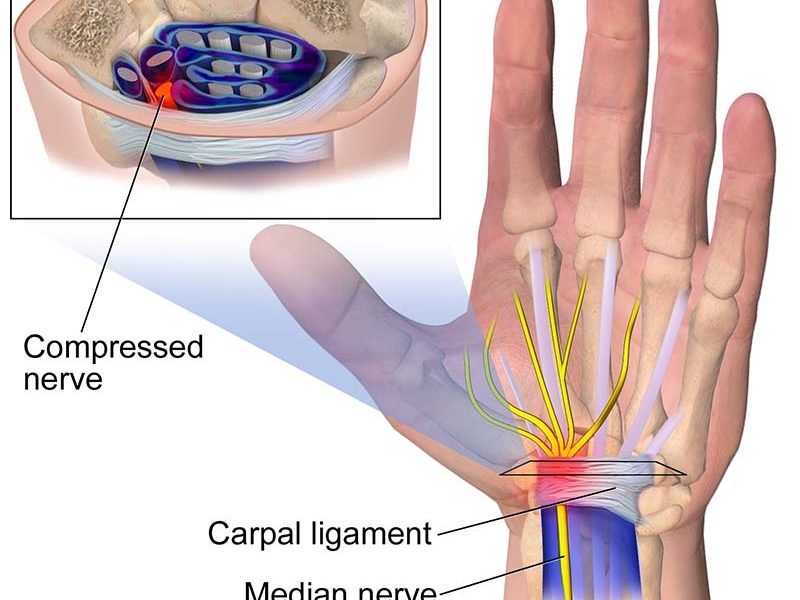
You spend hours each day typing away on your computer, and it’s starting to take a toll on your wrists. You may have heard of carpal tunnel syndrome, a painful condition that affects the hands and wrists. But fear not! In this article, we will provide you with some practical tips on how to prevent carpal tunnel syndrome and keep your wrists happy and healthy. So, sit back, relax, and let’s explore the world of wrist-friendly practices together.
Ergonomics in the Workplace
Proper posture
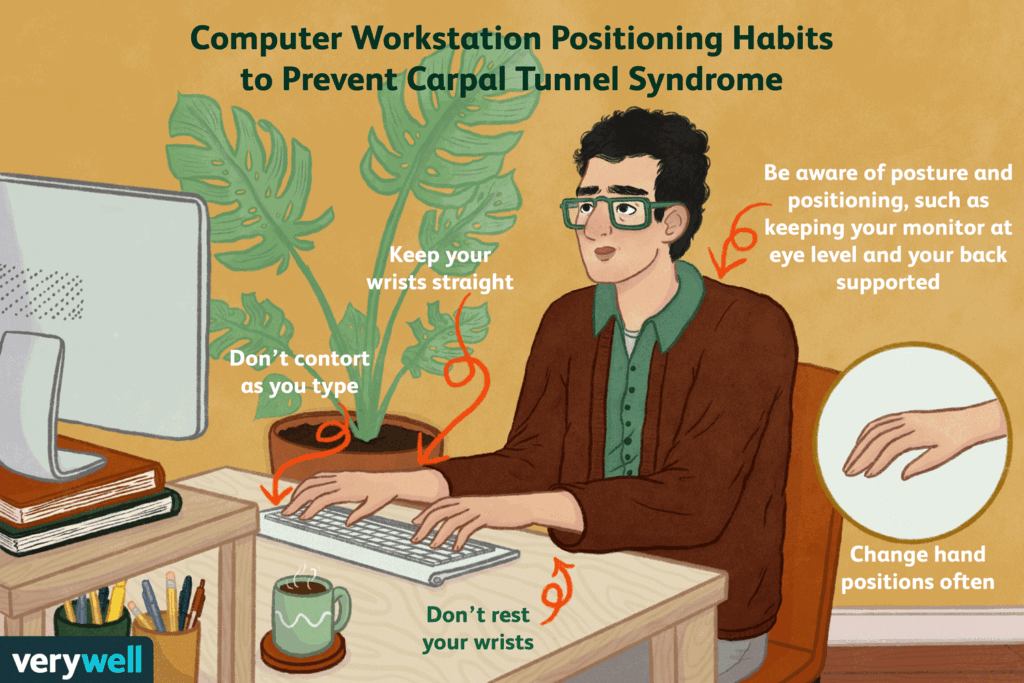
Maintaining a proper posture while working is essential for preventing carpal tunnel syndrome and other ergonomic issues. Sit up straight with your feet flat on the floor and your back supported by the chair. Keep your shoulders relaxed and avoid slouching forward or hunching over your desk. Align your head and neck with your spine to reduce strain on your neck and shoulders.
Adjustable workstation
Investing in an adjustable workstation can significantly improve your ergonomic setup. Adjusting your desk and chair height to the optimal level for your body can help reduce the risk of developing carpal tunnel syndrome. An adjustable workstation allows you to customize the position of your keyboard, mouse, and monitor, ensuring that they are at the correct height and angle for your comfort and proper alignment.
Proper keyboard and mouse positioning
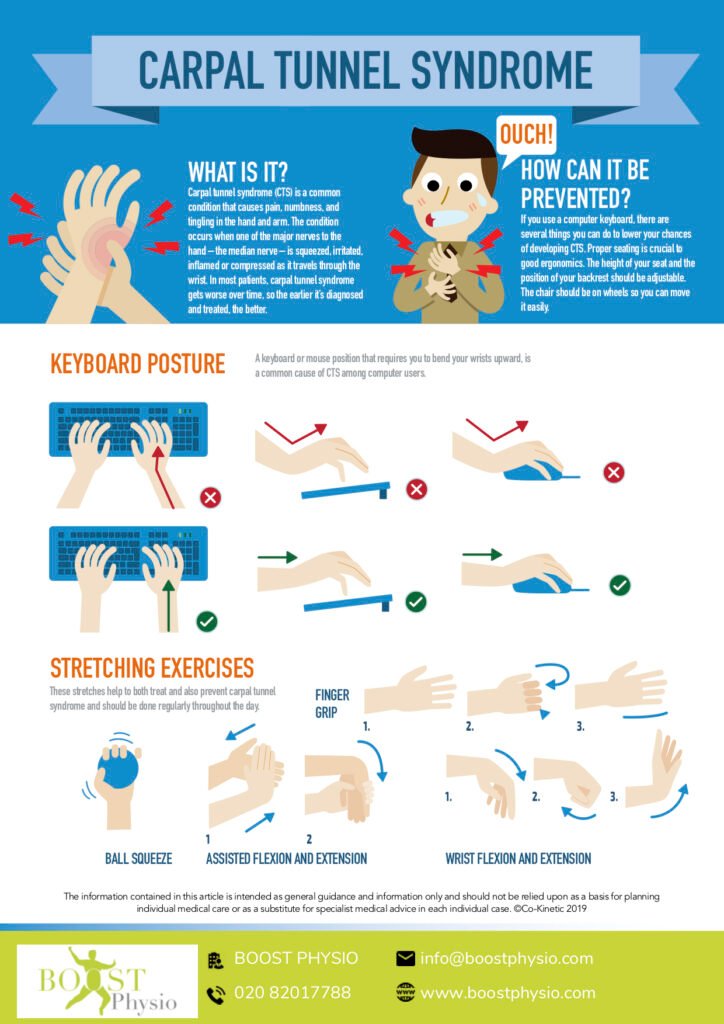
Position your keyboard and mouse in a way that allows your wrists to remain in a neutral position. Keep your wrists straight and avoid excessive bending or extension. Place the keyboard and mouse close to the edge of the desk to minimize reaching and straining. Consider using a keyboard tray or an ergonomic keyboard and mouse that are designed to promote a more natural hand and wrist position.
Take Frequent Breaks
Microbreaks
Taking regular microbreaks throughout your workday can help alleviate the strain on your hands and wrists. Every 20-30 minutes, take a short break to rest your hands, stretch your fingers, and relax your muscles. Use this time to stand up, walk around, and perform simple exercises to improve blood circulation and reduce muscle tension.
Stretching exercises
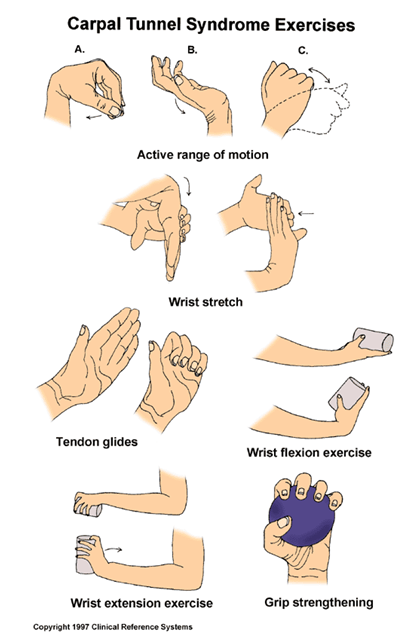
Performing stretching exercises specifically designed for your hands and wrists can help maintain their flexibility and reduce the risk of developing carpal tunnel syndrome. Stretch your fingers by gently pulling each one back individually, hold for a few seconds, and then release. Additionally, rotate your wrists clockwise and counterclockwise to help relieve stiffness and improve mobility.
Eye exercises
Although eye exercises may not directly relate to carpal tunnel syndrome prevention, they are crucial for maintaining overall wellbeing in the workplace. Staring at a computer screen for extended periods can cause eye strain and fatigue. Take breaks to focus on distant objects, blink frequently to lubricate your eyes, and practice eye exercises such as looking side to side, up and down, and in circular motions.
Maintain a Healthy Lifestyle
Regular exercise
Engaging in regular physical exercise outside of work can improve your overall health and reduce the risk of developing carpal tunnel syndrome. Regular aerobic exercises such as walking, jogging, or swimming improve circulation, strengthen muscles, and promote overall wellbeing. Incorporate strength training exercises to target the muscles in your hands, wrists, and arms.
Maintain a healthy weight
Maintaining a healthy weight is crucial for reducing the strain on your body, including your hands and wrists. Excess body weight can put additional pressure on your nerves, increasing the risk of developing carpal tunnel syndrome. Follow a balanced diet, stay hydrated, and engage in regular exercise to achieve and maintain a healthy weight.
Healthy diet
A nutritious diet plays a significant role in preventing carpal tunnel syndrome and promoting overall wellbeing. Include foods rich in omega-3 fatty acids, such as fish, nuts, and seeds, as they have anti-inflammatory properties that can reduce inflammation in the body. Additionally, consume a variety of fruits, vegetables, whole grains, and lean proteins to provide your body with essential nutrients for optimal health.
Use Proper Technique and Tools
Use tools with larger handles
Using tools with larger handles can distribute the force more evenly across your hand and reduce the strain on your fingers and wrists. Look for tools with ergonomic designs that provide a comfortable grip and reduce the risk of developing carpal tunnel syndrome.
Avoid repetitive movements
Repetitive movements can put excessive strain on your hand and wrist muscles, leading to the development of carpal tunnel syndrome. Whenever possible, vary your tasks and take breaks between repetitive movements to give your hands and wrists a chance to rest and recover.
Use proper typing technique
If you spend a significant amount of time typing on a keyboard, using proper typing technique can greatly reduce the strain on your hands and wrists. Position your fingers over the home row keys and use a light touch when pressing the keys. Avoid resting your wrists on the keyboard or desk while typing, as this can lead to strain and discomfort.
Wear Wrist Support
Wrist brace during physical activities
If you engage in physical activities that involve repetitive hand movements, such as sports or weightlifting, wearing a wrist brace can provide support and stability. A wrist brace can help prevent excessive bending or extension of the wrist, reducing the risk of injury and carpal tunnel syndrome.
Wrist support during sleep
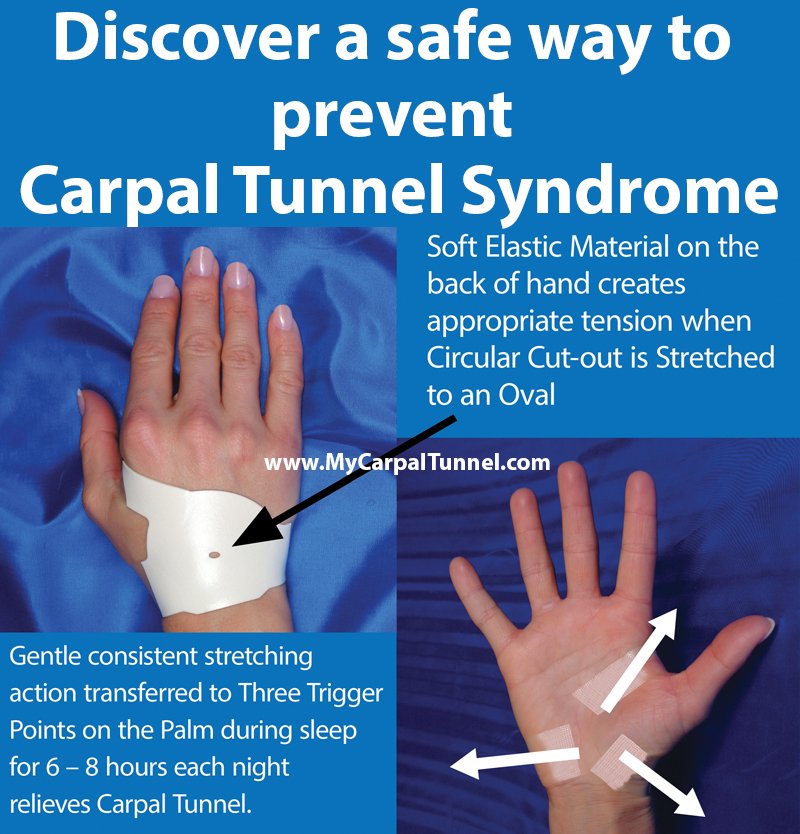
Wearing a wrist support brace while sleeping can help maintain a neutral position for your wrists, relieving pressure and reducing the risk of developing carpal tunnel syndrome. Choose a brace that is comfortable to wear throughout the night and provides adequate support to keep your wrists aligned properly.
Wrist support during work
Using a wrist support, such as a gel or foam rest, during work can help maintain a neutral wrist position and reduce strain on the muscles and tendons in your hands and wrists. Place the wrist support in front of your keyboard or mousepad, allowing your wrists to rest on it lightly when not actively typing or using the mouse.
Manage Hand and Wrist Position
Avoid bending or flexing wrists
Avoid bending or flexing your wrists at extreme angles, as this can increase the pressure on the median nerve and lead to carpal tunnel syndrome. Keep your wrists straight and in a neutral position as much as possible. Use a wrist rest or support to help maintain proper hand and wrist alignment.
Use a gel or foam wrist rest
Using a gel or foam wrist rest can help alleviate the pressure on your wrists and provide additional support during prolonged periods of typing or mouse usage. Place the wrist rest in front of your keyboard or mousepad, ensuring that it is at the correct height and angle for your comfort.
Alternate hands for tasks
Whenever possible, alternate hands for tasks that require repetitive motions, such as typing or using the mouse. This helps distribute the workload evenly and reduces the strain on a specific hand or wrist. Practice using both hands for various tasks to improve dexterity and prevent overuse injuries.
Change Workstation Setup
Modify chair height and position
Adjusting the height and position of your chair is essential for maintaining proper ergonomics in the workplace. Ensure that your feet are flat on the floor and your knees are at a 90-degree angle. Adjust the chair height to match the height of your desk, allowing your arms to rest comfortably on the desk while maintaining a proper typing and mouse position.
Adjust monitor height and distance
Position your monitor at eye level to avoid straining your neck and minimize the risk of developing carpal tunnel syndrome. Adjust the monitor height, angle, and distance from your eyes to ensure optimal visibility and reduce the need for excessive neck or eye movements during work.
Use footrest if necessary
If your feet do not reach the floor comfortably after adjusting your chair height, consider using a footrest. A footrest can help maintain proper leg and foot alignment, reducing strain on your lower back and promoting overall comfort and posture.
Pay Attention to Warning Signs
Monitor symptoms regularly
Be aware of any symptoms or discomfort in your hands, wrists, or fingers. If you experience numbness, tingling, pain, or weakness, it could be an early sign of carpal tunnel syndrome. Regularly monitor your symptoms and seek prompt medical attention if they persist or worsen.
Seek medical advice if symptoms persist
If you experience persistent or worsening symptoms despite taking preventive measures, it is crucial to seek medical advice. A healthcare professional, such as an orthopedic specialist or physical therapist, can evaluate your condition, provide appropriate treatment, and recommend further preventive strategies.
Recognize early signs of carpal tunnel syndrome
Knowing the early signs of carpal tunnel syndrome can help you take action before it progresses to a more severe condition. Look out for symptoms such as hand numbness, tingling, or pain that primarily affects the thumb, index, and middle fingers. Weakness in grip strength or difficulty in performing fine motor tasks may also indicate the onset of carpal tunnel syndrome.
Use Ergonomic Equipment
Ergonomic keyboard
Investing in an ergonomic keyboard can significantly improve your typing experience and reduce the risk of developing carpal tunnel syndrome. These keyboards typically have a split design, allowing your hands to rest in a more natural position, and are equipped with wrist supports to maintain proper hand and wrist alignment.
Ergonomic mouse
An ergonomic mouse is designed to fit the natural contours of your hand, reducing strain and promoting a more relaxed grip. These mice often have a larger size and adjustable features that allow you to customize the shape and angle to fit your hand comfortably.
Adjustable desk chairs
Using an adjustable desk chair can help you achieve proper posture and support while working. Look for a chair with lumbar support, adjustable armrests, and a comfortable seat cushion. Adjust the chair’s height, backrest, and armrests to meet your specific ergonomic needs and reduce the risk of developing carpal tunnel syndrome.
Perform Hand and Finger Exercises
Finger taps and stretches
To keep your fingers flexible and reduce the risk of developing carpal tunnel syndrome, perform finger taps and stretches regularly. Tap your fingertips against a flat surface, alternately tapping each finger in a rapid but controlled manner. Gently stretch your fingers back, holding the stretch for a few seconds before releasing.
Wrist flexion and extension
Performing wrist flexion and extension exercises helps strengthen the muscles and tendons in your wrists, reducing the risk of injury and carpal tunnel syndrome. Hold your arm out in front of you with your palm facing down. Bend your wrist forward, pointing your fingers toward the floor, and hold for a few seconds. Then, bend your wrist backward, pointing your fingers toward the ceiling, and hold the stretch.
Grip strengthening exercises
Strengthening your grip can help improve hand and wrist strength, making them more resistant to injury and reducing the risk of developing carpal tunnel syndrome. Squeeze a stress ball or a soft sponge ball in the palm of your hand for a few seconds, then release. Repeat this exercise several times throughout the day to strengthen your grip muscles.
By following these ergonomic principles and adopting healthy habits, you can significantly reduce the risk of developing carpal tunnel syndrome and other workplace-related injuries. Remember to pay attention to warning signs, seek medical advice if needed, and incorporate regular exercise and stretching into your routine. Prioritize your health and well-being in the workplace, as prevention is key to maintaining optimal hand and wrist health for years to come.