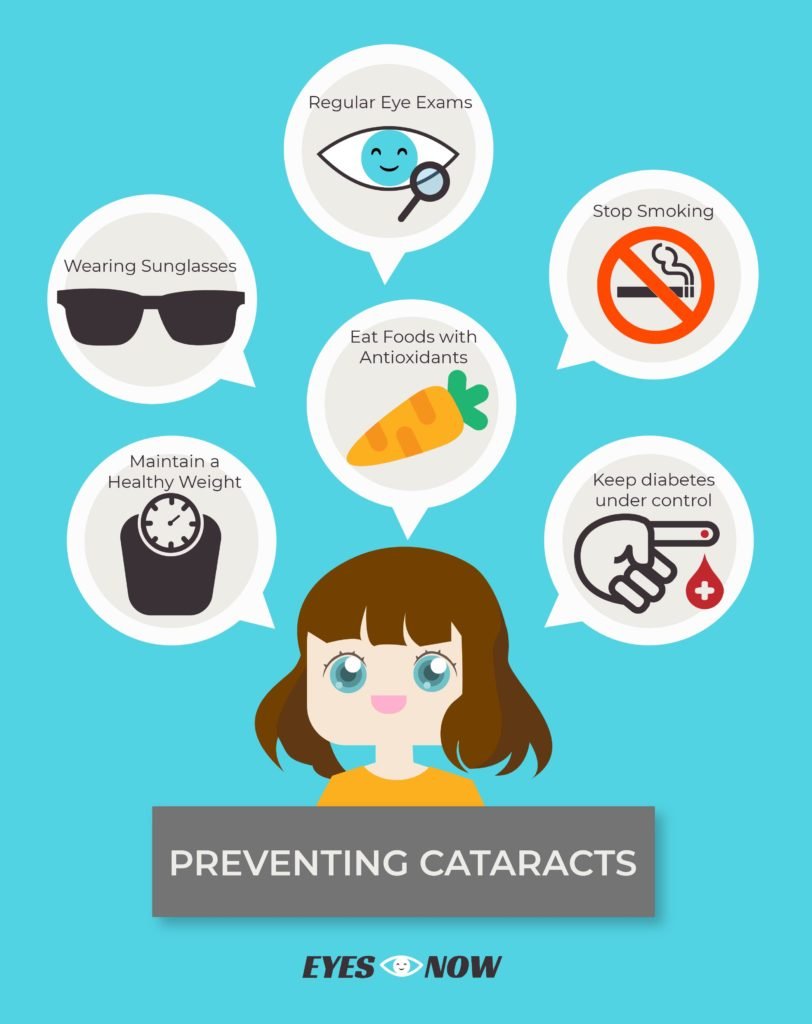
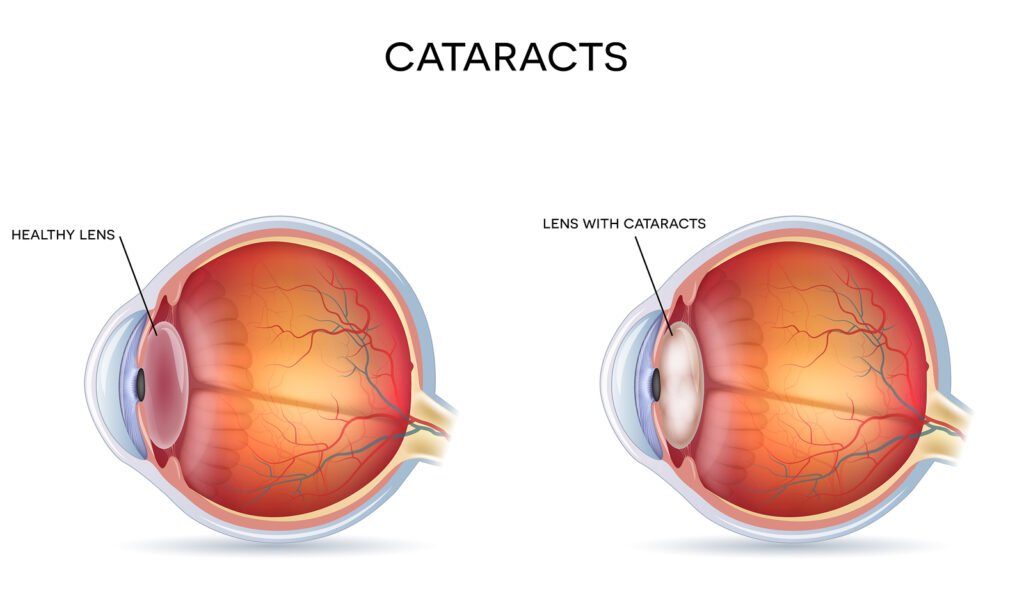
Cataracts can be a common age-related condition that affects your vision, causing cloudiness and blurriness. Fortunately, there are simple steps you can take to prevent the development of cataracts. From protecting your eyes from harmful UV rays to maintaining a healthy diet and lifestyle, this article will guide you through the various preventive measures you can incorporate into your daily routine. By implementing these strategies, you can safeguard your vision and enjoy clear eyesight for years to come.
Maintaining a Healthy Diet
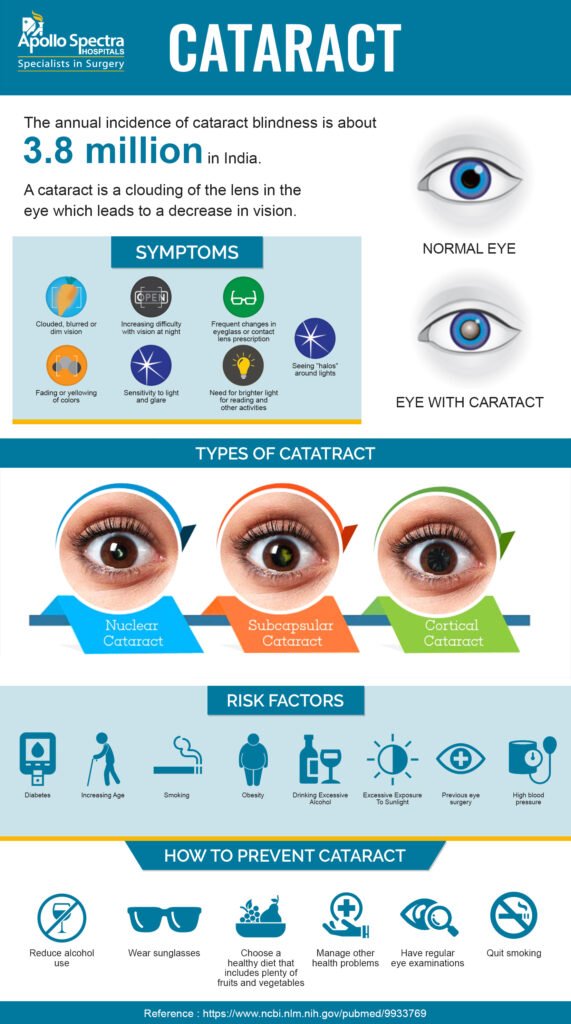
Eating a variety of fruits and vegetables is essential for maintaining a healthy diet and preventing cataracts. These foods are rich in essential vitamins and minerals that promote overall eye health. Include colorful fruits like berries, oranges, and kiwis, as well as leafy green vegetables such as spinach and kale. The vibrant colors of these foods are an indication of their high antioxidant content, which helps protect the eyes from oxidative stress.
In addition to fruits and vegetables, it is important to include foods that are rich in antioxidants. Antioxidants help neutralize harmful free radicals in the body, which can contribute to the development of cataracts. Some foods that are particularly high in antioxidants include dark chocolate, nuts, and green tea. Incorporating these foods into your diet can provide added protection for your eyes.
To further reduce the risk of cataracts, it is recommended to reduce the intake of saturated fats and cholesterol. High levels of saturated fats and cholesterol have been linked to an increased risk of cataracts. Instead, opt for healthier fats, such as those found in avocados, olive oil, and fatty fish like salmon. These fats are rich in omega-3 fatty acids, which are beneficial for maintaining eye health.
Another important aspect of a healthy diet for preventing cataracts is consuming foods high in vitamin C and E. These vitamins have been shown to have protective effects against cataract development. Foods rich in vitamin C include citrus fruits, strawberries, and bell peppers. Vitamin E can be found in nuts, seeds, and vegetable oils. Including these vitamins in your diet can help maintain the health of your eyes.
Lastly, ensuring an adequate intake of omega-3 fatty acids is beneficial for preventing cataract formation. Omega-3 fatty acids have anti-inflammatory properties and can help reduce oxidative stress in the eyes. Good sources of omega-3 fatty acids include fatty fish like salmon, tuna, and mackerel, as well as chia seeds and walnuts. Incorporating these foods into your diet can contribute to a healthier lifestyle and better eye health.
Protecting Your Eyes from UV Rays
Protecting your eyes from UV rays is crucial to prevent cataracts and other eye conditions. One easy and effective way to do this is by wearing sunglasses with UV protection. Look for sunglasses labeled with 100% UV protection, as they can block the harmful UVA and UVB rays from reaching your eyes. Regularly wearing sunglasses when outdoors can significantly reduce your risk of developing cataracts.
In addition to sunglasses, using wide-brimmed hats or caps can provide added protection against UV rays. These accessories offer shade for your eyes and face, reducing the direct exposure to sunlight. When combined with sunglasses, hats or caps can provide comprehensive protection for your eyes. It is especially important to wear hats or caps during peak hours when the sun’s rays are the strongest.
To further safeguard your eyes, it is best to avoid prolonged sun exposure. Especially during peak hours, which are generally between 10 am and 4 pm, try to limit your time outdoors. When you do go outside, seek shade whenever possible and take breaks from being directly under the sun. These simple measures can make a significant difference in protecting your eyes from the harmful effects of UV rays.
Quitting Smoking
Understanding the connection between smoking and cataracts is crucial for taking steps towards preventing cataract development. Smoking has been linked to an increased risk of cataracts, as well as other eye conditions such as age-related macular degeneration. The chemicals present in cigarettes can accelerate oxidative stress and damage the lens of the eyes, leading to the formation of cataracts.
Quitting smoking is the best way to protect your eyes and reduce the risk of cataracts. Seek support from healthcare professionals or support groups specialized in smoking cessation. They can provide you with guidance, resources, and strategies to help you quit smoking. Additionally, engaging in activities that distract from smoking urges, such as exercising or practicing hobbies, can also be beneficial in breaking the habit.
Remember, quitting smoking not only benefits your overall health but also plays a vital role in preventing cataracts and preserving your vision. Take the necessary steps to quit smoking and seek support if needed. Your eyes will thank you in the long run.
Limiting Alcohol Consumption
Recognizing the potential link between alcohol and cataracts is essential for maintaining good eye health. Excessive alcohol consumption has been associated with an increased risk of developing cataracts. To lower this risk, it is important to moderate your alcohol intake or abstain from drinking altogether.
If you choose to drink alcohol, it is recommended to do so in moderation. This means limiting your intake to one drink per day for women and up to two drinks per day for men, as defined by health guidelines. If you find it challenging to moderate your alcohol consumption, it is crucial to seek help from healthcare professionals or support groups specialized in alcohol recovery. They can provide the necessary support and resources to help you reduce or stop drinking.
By limiting alcohol consumption, you not only reduce the risk of cataracts but also benefit your overall health and wellbeing. Make informed choices when it comes to alcohol and prioritize your eye health.
Protecting Your Eyes from Injuries
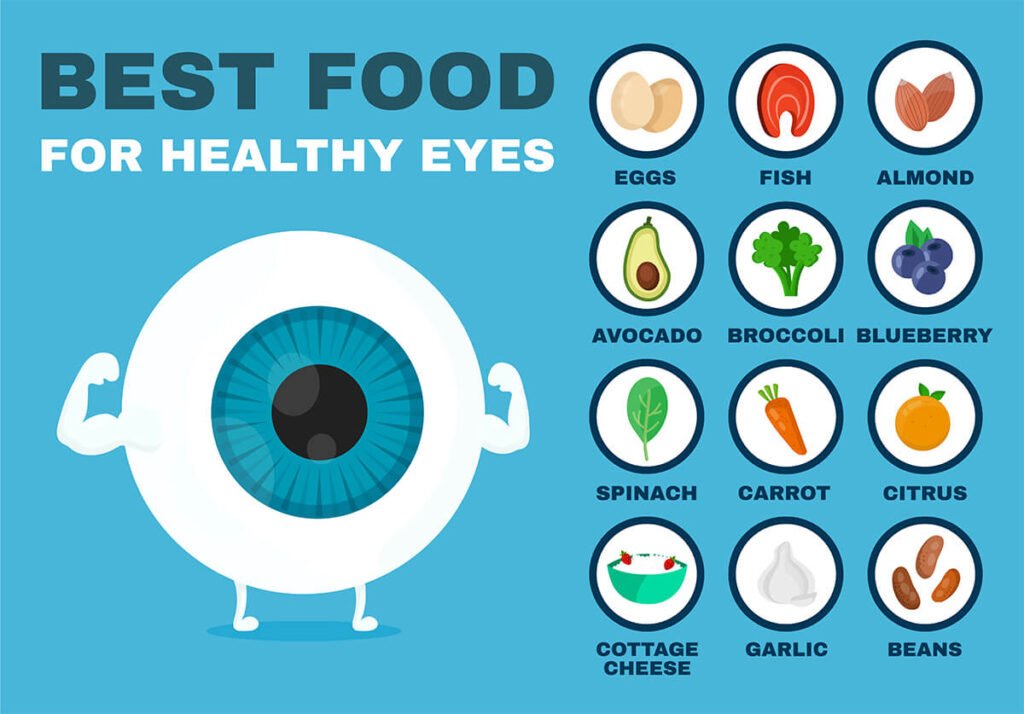
Taking precautions to protect your eyes from injuries can go a long way in preventing cataracts and maintaining good eye health. One fundamental step is to wear protective eyewear during certain activities. Whether it’s playing sports, working with tools, or engaging in any activity that poses a risk to your eyes, wearing safety glasses or goggles is essential. These protective eyewear can shield your eyes from potential impact or flying objects, preventing injuries that could lead to cataracts.
Equally important is to avoid rubbing or putting pressure on the eyes. Rubbing your eyes vigorously can cause damage to the delicate structures of the eyes and potentially lead to cataract formation. If you experience itching or irritation, try to refrain from rubbing and instead use a clean cloth or specialized eye drops to alleviate discomfort.
Taking precautions to prevent accidental eye trauma is also crucial. This includes being mindful of your surroundings and potential hazards. For instance, when using chemicals or cleaning agents, always read and follow the instructions carefully to avoid accidental splashes or exposure to the eyes. Similarly, when participating in recreational activities, such as swimming, make sure to use goggles to protect your eyes from harmful substances or debris in the water.
Remember, prevention is key when it comes to protecting your eyes from injuries. By following these guidelines and taking necessary precautions, you can reduce the risk of developing cataracts and keep your eyes safe.
Managing Chronic Diseases
Effectively managing chronic diseases such as diabetes, hypertension, and obesity is crucial for preventing cataracts and maintaining optimal eye health. These conditions can increase the risk of cataract development, as they often lead to chronic inflammation and oxidative stress in the body.
Controlling conditions like diabetes plays a significant role in preventing cataracts. High blood sugar levels associated with diabetes can accelerate cataract formation. It is important to monitor your blood sugar levels regularly and follow your prescribed treatment plan to keep them within a healthy range. Additionally, managing hypertension and obesity through proper medication and lifestyle modifications can also help reduce the risk of cataracts.
Following prescribed medication and treatment plans is essential for managing chronic diseases and preventing cataracts. Be sure to take medications as directed by your healthcare provider and attend regular check-ups to monitor your condition. It is also important to maintain a healthy lifestyle by following a balanced diet, engaging in regular exercise, and managing stress effectively. These lifestyle choices can significantly contribute to better management of chronic diseases and overall eye health.
Getting Regular Eye Examinations
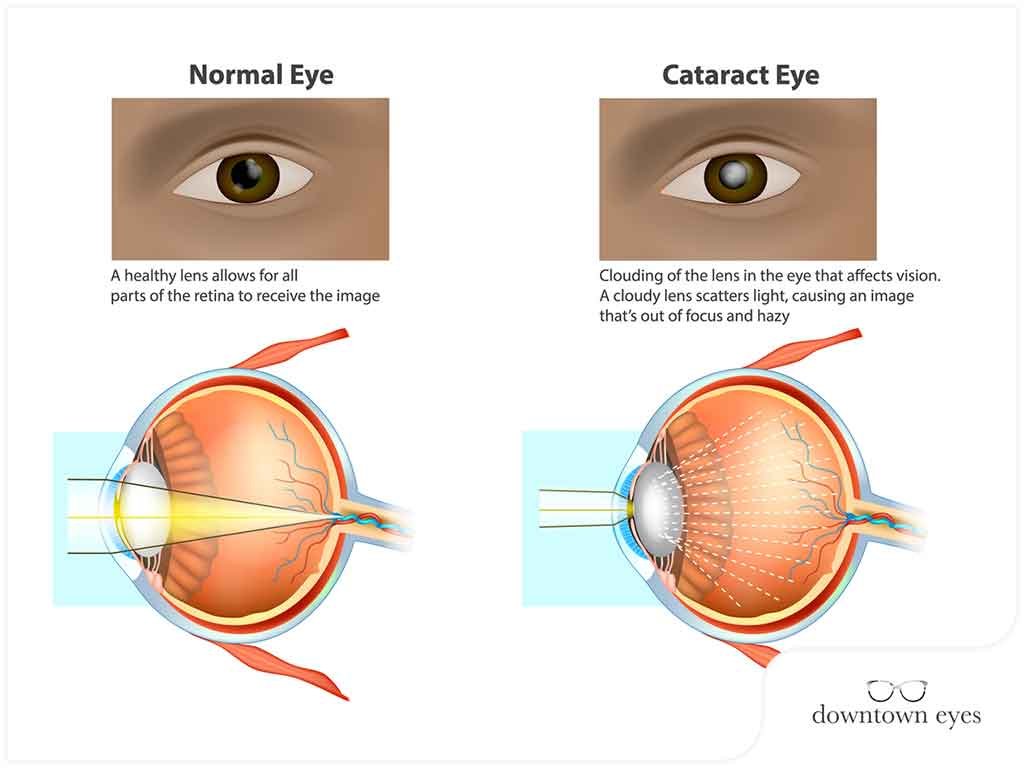
Scheduling regular comprehensive eye exams with an ophthalmologist is vital for early detection and prevention of cataracts. During these exams, your eye doctor will thoroughly examine your eyes to check for any signs of cataracts or other eye conditions. They can also evaluate your overall eye health and recommend any necessary interventions.
It is important to follow the recommended frequency for eye check-ups, even if you do not currently have any vision problems. Age and individual risk factors can influence how often you should have your eyes examined. Your eye doctor will provide guidance on how often you should schedule these exams based on your specific needs.
Being proactive in discussing any concerns or symptoms with your eye doctor is crucial. If you notice changes in your vision or any other issues with your eyes, do not hesitate to bring them up during your appointment. Early detection and intervention can significantly improve the outcomes and prevent cataract development.
Practicing Good Eye Hygiene
Maintaining good eye hygiene is an essential aspect of preventing cataracts and overall eye health. This includes simple habits that can help prevent eye infections and other issues that may contribute to cataract formation.
Washing your hands thoroughly before touching or applying anything to your eyes is crucial in preventing the spread of bacteria and viruses. Regular handwashing with soap and water for at least 20 seconds is recommended. This practice helps reduce the risk of eye infections, which can indirectly affect the health of your eyes.
Avoid sharing personal eye care items, such as contact lenses or eye drops, with others. Sharing these items can increase the risk of contamination and eye infections. It is essential to use your own personal eye care items to maintain good eye hygiene.
For contact lens wearers, following appropriate lens care instructions is essential for preventing eye infections and maintaining good eye health. This includes properly cleaning and disinfecting your lenses, as well as replacing them according to the recommended schedule. It is also important to avoid sleeping in your contact lenses unless otherwise instructed by your eye care professional.
By practicing good eye hygiene, you can reduce the risk of eye infections and maintain the health of your eyes, ultimately preventing cataracts and other eye conditions.
Maintaining a Healthy Lifestyle
Maintaining a healthy lifestyle is key to preventing cataracts and promoting overall eye health. Engaging in regular physical activity is beneficial for your eyes as it improves blood circulation and reduces the risk of chronic diseases. Aim for at least 30 minutes of moderate-intensity exercise most days of the week, such as brisk walking, cycling, or swimming.
Achieving and maintaining a healthy weight is also important for preventing cataracts. Excess weight can increase the risk of various health conditions, including diabetes and hypertension, which can contribute to cataract development. Adopting a balanced diet and participating in regular physical activity can help you reach and maintain a healthy weight.
Managing stress levels effectively is another crucial aspect of maintaining a healthy lifestyle. Chronic stress can negatively impact your overall health, including your eyes. Find healthy coping mechanisms that work for you, such as practicing mindfulness, engaging in hobbies, or seeking support from loved ones. By managing stress effectively, you can improve your overall well-being and support the health of your eyes.
Remember, a healthy lifestyle encompasses various aspects, including regular physical activity, healthy eating habits, and stress management. Take steps towards maintaining a healthy lifestyle, and you will be actively preventing cataracts and supporting the long-term health of your eyes.
Being Mindful of Medications
Being mindful of medications and their potential side effects is crucial for preventing cataracts and preserving your vision. Some medications, particularly those used to manage certain health conditions, may have adverse effects on eye health. It is important to understand these potential side effects and discuss any concerns with your healthcare professionals.
If you are taking medications for chronic conditions, such as diabetes or hypertension, it is important to monitor your eyes regularly and communicate with your healthcare provider. They can provide guidance on any specific measures you may need to take to protect your eyes while on medication.
If you have concerns about medication side effects, discuss them with your healthcare provider. They can provide information on alternative medication options or adjustments to your current treatment plan that may minimize the risk of cataract development.
Being mindful of medications and actively working with your healthcare professionals can help mitigate potential risks and support long-term eye health.
Preventing cataracts requires a proactive approach to maintaining good eye health. By following these guidelines and incorporating them into your daily routine, you can significantly reduce the risk of cataracts and preserve your vision for years to come. Remember, taking care of your eyes is an investment in your overall health and well-being.