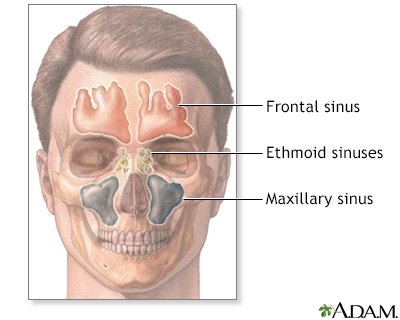
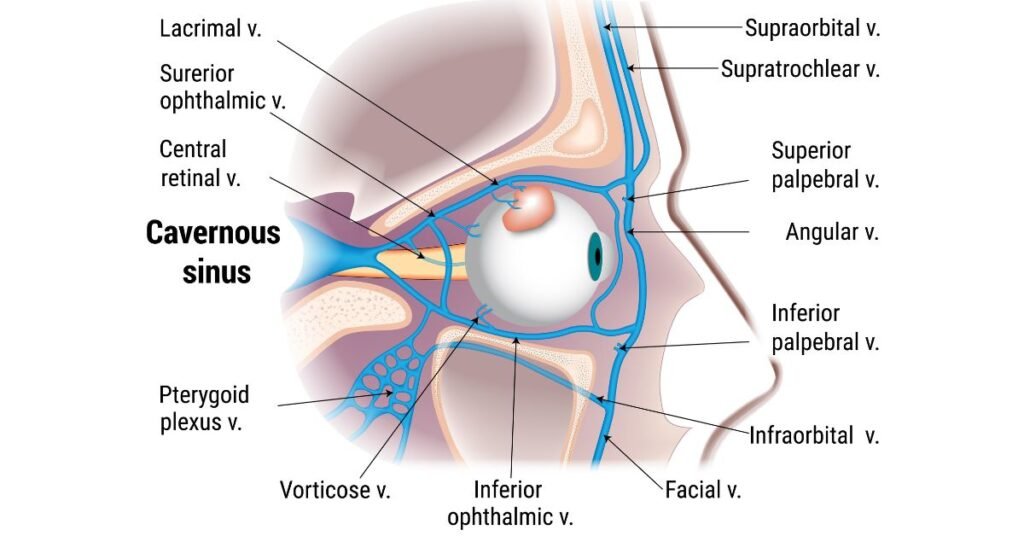
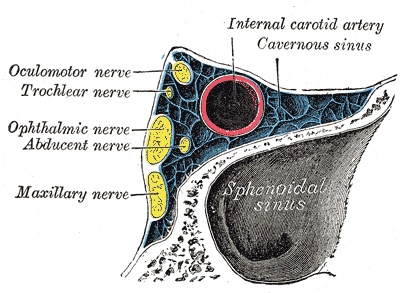
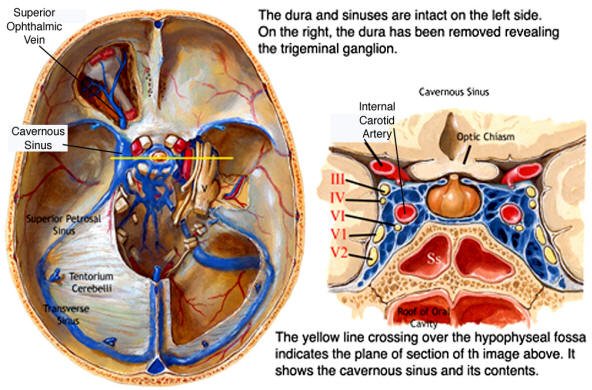
Are you concerned about the health of your sinuses? If so, it’s important to learn about a condition called Cavernous Sinus Thrombosis (CST) and what you can do to prevent it. CST is a rare but potentially serious condition where a blood clot forms in the cavernous sinus, a space behind the eyes. In this article, we will discuss some simple yet effective ways to reduce your risk of developing CST. By implementing these preventive measures, you can keep your sinuses healthy and avoid the complications associated with this condition. So let’s dive in and explore how to keep your cavernous sinuses free from thrombosis.
Maintain good oral hygiene
Good oral hygiene is essential for maintaining healthy teeth and gums. Brushing your teeth regularly is a fundamental practice to prevent cavities, plaque buildup, and gum disease. It is recommended to brush your teeth at least twice a day, using a fluoride toothpaste and a soft-bristle toothbrush. Be sure to brush all surfaces of your teeth, including the front, back, and chewing surfaces. Additionally, don’t forget to brush your tongue to remove bacteria and freshen your breath.
Flossing is equally important in maintaining good oral hygiene. It helps remove plaque and food particles from between your teeth and along the gum line. By flossing daily, you can prevent gum disease, tooth decay, and bad breath. Take a length of floss, wrap it around your fingers, and gently guide it between each tooth. Curve the floss around each tooth in a C-shape and slide it up and down to remove any debris.
Visiting a dentist regularly is crucial for oral health. A dentist can detect any potential issues early on and provide necessary treatments. It is recommended to schedule dental check-ups and cleanings every six months, or as advised by your dentist. During these visits, your dentist will assess your oral health, perform professional cleanings, and address any concerns you may have.
Avoiding smoking and tobacco use is vital not only for oral health but also for overall well-being. Smoking and tobacco use increase the risk of gum disease, tooth loss, oral cancer, and other serious health conditions. Quitting smoking or avoiding tobacco products altogether can greatly improve not only your oral health but also your general health.
Prevent sinus infections
Sinus infections, also known as sinusitis, can be uncomfortable and disruptive to your daily life. However, there are several measures you can take to prevent sinus infections and maintain healthy sinuses.
Practicing good hand hygiene is an essential step in preventing the spread of respiratory infections, including sinus infections. Wash your hands with soap and water for at least 20 seconds, especially before touching your face or eating. If soap and water are not available, use hand sanitizers containing at least 60% alcohol.
Avoiding close contact with people who have respiratory infections can significantly reduce the risk of contracting a sinus infection. Respiratory infections, such as the common cold or flu, can easily spread through droplets when an infected person sneezes or coughs. Maintaining a safe distance and avoiding direct contact with infected individuals can help minimize your exposure.
Keeping your sinuses moist with nasal saline sprays or rinses can help prevent infections and alleviate symptoms. Saline sprays help hydrate the nasal passages, thin mucus, and flush out irritants and bacteria. Use a saline spray as directed or consult with a healthcare professional for proper usage instructions.
Avoiding known allergens and irritants is crucial for preventing sinus infections, especially if you have allergies or sensitivities. Common allergens include pollen, dust mites, pet dander, and certain foods. Minimizing your exposure to these triggers can help prevent allergic reactions and subsequent sinus infections.
If you have allergies or chronic sinusitis, it is important to receive appropriate treatment. Allergies and chronic sinusitis can weaken the immune system and make you more susceptible to sinus infections. Consult with a healthcare professional to discuss effective treatment options based on your specific condition.
Manage and prevent thrombophilic conditions
Thrombophilic conditions refer to a group of disorders that make individuals more prone to blood clots. These conditions can be genetic or acquired and often require long-term management and preventive measures.
Maintaining a healthy lifestyle and weight is essential for managing thrombophilic conditions. Regular exercise, a balanced diet, and weight management can help reduce the risk of blood clots. Engaging in physical activity improves blood circulation, keeps blood vessels healthy, and lowers the likelihood of clot formation. Eating a diet rich in fruits, vegetables, and whole grains provides essential nutrients that support cardiovascular health.
Avoiding prolonged immobility is crucial for preventing blood clots. If you have a sedentary job or need to sit or stand in one position for an extended period, make an effort to take breaks and move around. Simple exercises, such as stretching or walking, can help promote blood flow and prevent clot formation.
Staying hydrated is important for maintaining optimal blood circulation and preventing blood clots. Make sure to drink an adequate amount of water throughout the day. Avoid excessive caffeine or alcohol consumption, as they can dehydrate the body and potentially increase the risk of clotting.
Monitoring and managing chronic medical conditions, such as diabetes and hypertension, are essential for overall health and minimizing the risk of blood clots. These conditions can alter normal blood clotting mechanisms, making individuals more susceptible to thrombophilic complications. It is important to follow your healthcare provider’s advice, take prescribed medications, and regularly monitor your condition.
Discussing potential genetic predispositions to thrombosis with your doctor is crucial, especially if you have a family history of blood clots. Testing for genetic mutations, such as Factor V Leiden or prothrombin gene mutation, can help identify individuals at higher risk and guide preventive measures. Your doctor can provide personalized recommendations based on your genetic profile.
Prevent the spread of infections
Preventing the spread of infections is crucial not only for your own health but also for the well-being of those around you. By following simple hygiene practices, you can significantly reduce the risk of transmitting infectious diseases.
Covering your nose and mouth when sneezing or coughing is an effective way to prevent the spread of respiratory droplets. These droplets can contain viruses or bacteria that cause infections. Use a tissue or your elbow to cover your mouth and nose when coughing or sneezing. Dispose of used tissues properly and avoid touching them afterward.
Washing your hands frequently with soap and water is one of the most important preventive measures. Proper handwashing eliminates germs that may be present on your hands. Use warm water and soap, lather your hands thoroughly for at least 20 seconds, making sure to clean all surfaces, including between your fingers and under your nails. Rinse your hands well and dry them with a clean towel or air dryer.
If soap and water are not available, use hand sanitizers that contain at least 60% alcohol. Apply a sufficient amount of sanitizer to your palms, rub them together, and cover all surfaces until the sanitizer dries. However, hand sanitizers are not a substitute for handwashing, especially when hands are visibly dirty or greasy.
Avoid touching your face, especially your nose and mouth, as this can transfer germs from your hands to vulnerable areas. Many infectious diseases enter the body through the eyes, nose, or mouth. Be conscious of this habit and make a conscious effort to minimize face touching.
Staying up to date with recommended vaccinations is vital for preventing various infectious diseases. Vaccinations help your immune system recognize and fight specific pathogens, reducing the likelihood of infection. Consult with your healthcare provider to ensure you are up to date on all necessary vaccinations for your age and health status.
Recognize and manage facial and dental infections promptly
Facial and dental infections can cause severe pain, discomfort, and potential complications if left untreated. Prompt recognition and management are essential to prevent the spread of infection and promote speedy recovery.
Seeking immediate dental care for infections or abscesses is crucial to prevent the infection from spreading. Dental infections can originate from tooth decay, gum disease, or dental trauma. If you experience symptoms such as severe tooth pain, swelling, fever, or foul taste in your mouth, contact your dentist as soon as possible. Timely treatment can save your tooth and prevent the infection from spreading to surrounding tissues.
Receiving appropriate treatment for jaw, sinus, or face infections is important to prevent complications. Facial and dental infections can often spread to the sinuses, jawbone, or other nearby structures. Your healthcare provider may prescribe antibiotics or recommend other interventions, such as drainage or surgery, depending on the severity and location of the infection. Adhering to the prescribed treatment plan and following up as directed is crucial for a successful recovery.
Avoid trauma to the face and head
Preventing trauma to the face and head is essential for maintaining overall health and minimizing the risk of facial injuries.
Wearing appropriate protective gear during sports or activities with a risk of injury is crucial. Helmets, faceguards, mouthguards, and other protective equipment can help absorb the impact and minimize the risk of facial trauma. Make sure to use properly fitted and approved protective gear based on the specific activity you are engaging in.
Taking precautions to prevent falls is particularly important for older adults. Falls can result in serious facial injuries, such as fractures or lacerations. Ensure that your living environment is free from hazards, such as loose rugs or cluttered pathways. Install handrails and grab bars in necessary areas, and consider using assistive devices, such as canes or walkers, if needed.
Avoiding activities that may result in facial trauma or injury is a proactive measure. Be cautious when engaging in high-risk activities, such as extreme sports or activities with a high likelihood of accidental impact. Assess the potential risks and take necessary precautions to protect your face and head.
Use caution with intravenous drug use
Intravenous (IV) drug use carries significant health risks, including infections and serious medical complications. If you find it necessary to use intravenous drugs, taking certain precautions can help minimize potential harm.
Avoiding using illicit drugs altogether is the best way to protect your health. Illicit drugs are often impure and contaminated, increasing the risk of infections, blood clots, and other complications. Seek help from healthcare professionals, support groups, or rehabilitation centers to overcome drug addiction and find healthier alternatives.
If intravenous drug use is unavoidable, it is crucial to use clean and sterile equipment every time. Sharing needles, syringes, or other drug paraphernalia increases the risk of bloodborne infections, such as HIV or hepatitis. Ensure that you have access to clean and sterile equipment, such as new needles and syringes, alcohol swabs, and sterile water.
Seeking help for drug addiction is vital for your overall well-being. Drug addiction can have severe physical, psychological, and social consequences. Speak with healthcare professionals and support groups to receive proper guidance and access to resources that can aid in overcoming addiction.
Manage and prevent blood clotting disorders
Blood clotting disorders, such as deep vein thrombosis (DVT) or pulmonary embolism (PE), require careful management and preventive measures to minimize the risk of potentially life-threatening complications.
Taking prescribed anticoagulant medications as directed is essential for individuals with blood clotting disorders. Anticoagulants help prevent the formation of blood clots or stop existing clots from growing larger. It is crucial to take the prescribed dosage at the specified times and inform your healthcare provider of any changes in your medication routine.
Following recommended monitoring and testing for clotting disorders is important to assess the effectiveness of treatment and detect any potential issues early on. Routine blood tests, such as international normalized ratio (INR) or activated partial thromboplastin time (aPTT), help monitor the coagulation status and ensure that the prescribed anticoagulant therapy is within the therapeutic range.
Discussing potential risks with your doctor before starting hormonal contraceptives or hormone replacement therapy is crucial. Estrogen-containing hormonal treatments can increase the risk of blood clots, especially in individuals with underlying clotting disorders. Your healthcare provider can assess your individual risk factors and guide you in choosing the most appropriate form of contraception or hormone replacement therapy.
Maintain a healthy lifestyle
Maintaining a healthy lifestyle is beneficial for overall health and can contribute to the prevention of various medical conditions.
Eating a balanced diet rich in fruits, vegetables, and whole grains provides essential nutrients for optimal health. These nutrient-dense foods support the immune system, cardiovascular health, and overall well-being. Limit intake of saturated and trans fats, cholesterol, and sodium to reduce the risk of heart disease and other health issues.
Regular exercise is vital for maintaining a healthy weight, promoting cardiovascular health, and reducing the risk of various medical conditions. Engage in aerobic activities, such as brisk walking, jogging, or swimming, for at least 150 minutes per week. Additionally, incorporate strength training exercises to build and maintain muscle mass.
Maintaining a healthy weight is important for overall health and reduces the risk of numerous health conditions, including cardiovascular disease, diabetes, and joint problems. Follow a balanced diet, engage in regular physical activity, and seek professional guidance if needed to achieve and maintain a healthy weight.
Managing stress levels is essential for both mental and physical health. Chronic stress can contribute to various medical conditions, including cardiovascular disease and immune system dysfunction. Practice stress management techniques, such as mindfulness, deep breathing, regular exercise, and maintaining a healthy work-life balance.
Avoiding excessive alcohol consumption is crucial for overall health. Excessive alcohol intake can lead to liver disease, cardiovascular problems, and other health issues. If you choose to consume alcohol, do so in moderation. The recommended limits are up to one drink per day for women and up to two drinks per day for men.
Follow post-operative care instructions
Following post-operative care instructions is essential for optimal healing and minimizing the risk of complications after surgery. Adhering to these instructions can significantly influence the success of your procedure.
Adhere to all instructions provided by your healthcare provider after surgery. These instructions may include wound care, medication schedules, dietary restrictions, and activity limitations. Follow them precisely to ensure proper healing and prevent infection or other post-operative complications.
Take prescribed medications as directed, including pain medications and antibiotics, if prescribed. Pain medications help manage discomfort associated with the surgical procedure, while antibiotics may be necessary to prevent infections. Make sure to follow the medication schedule and finish the prescribed course, even if you start feeling better.
Keep follow-up appointments with your healthcare provider as scheduled. These appointments are crucial for monitoring your progress, assessing the healing process, and addressing any concerns or complications that may arise. If you have any questions or unexpected symptoms between appointments, do not hesitate to contact your healthcare provider for guidance.
In conclusion, maintaining good oral hygiene, preventing sinus infections, managing and preventing thrombophilic conditions, preventing the spread of infections, recognizing and managing facial and dental infections promptly, avoiding trauma to the face and head, using caution with intravenous drug use, managing and preventing blood clotting disorders, maintaining a healthy lifestyle, and following post-operative care instructions are all important practices for maintaining optimal health and well-being. By incorporating these preventive measures into your daily routine, you can greatly reduce the risk of various medical conditions and improve your overall quality of life. Remember, your health is in your hands, and taking proactive steps to care for yourself is the best investment you can make.