
If you’re feeling frustrated by recurring episodes of bacterial vaginosis and seeking a gentle solution that aligns with your body’s natural healing abilities, this article is for you. In the following lines, we’ll explore a natural remedy that has garnered attention for its effectiveness in combating this common vaginal infection. By incorporating simple yet powerful ingredients into your self-care routine, you’ll discover a holistic approach to managing bacterial vaginosis and promoting overall vaginal health. Say farewell to discomfort and embrace a more balanced and thriving intimate well-being with this natural remedy.
Causes of Bacterial Vaginosis
Imbalance of vaginal bacteria
Bacterial vaginosis occurs when there is an imbalance in the natural bacteria present in the vagina. Normally, the vagina contains a delicate balance of “good” bacteria (Lactobacillus) and “bad” bacteria. When this balance is disrupted, it can lead to the overgrowth of harmful bacteria, causing bacterial vaginosis.
Use of certain hygiene products
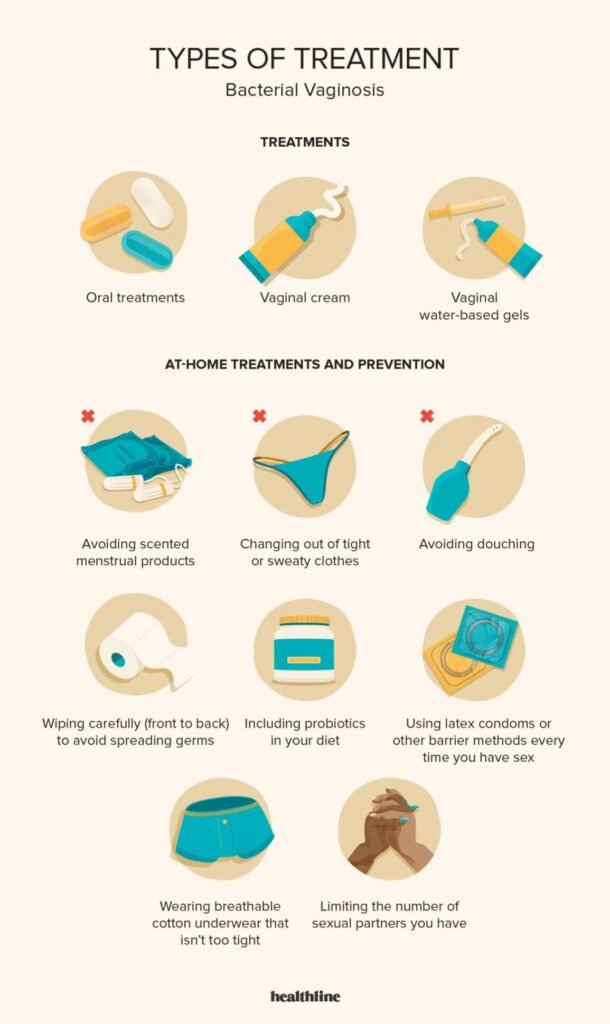
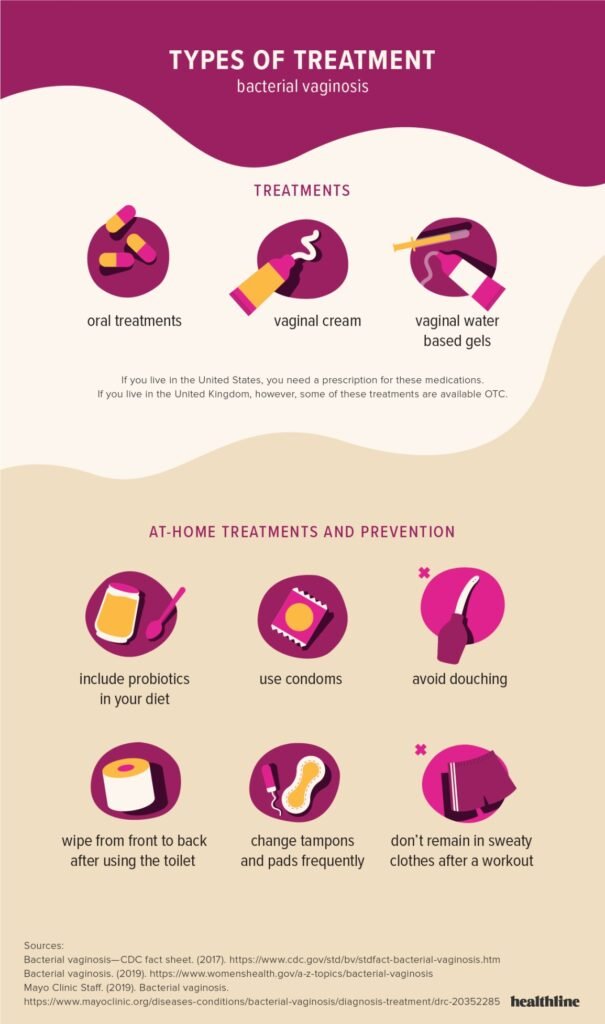
The use of certain hygiene products, such as scented soaps, vaginal deodorants, and douches, can disrupt the natural pH balance of the vagina. These products often contain chemicals that can irritate the delicate vaginal tissues and promote the growth of harmful bacteria.
Sexual activity
Engaging in sexual activity, especially with multiple partners or a new partner, can increase the risk of developing bacterial vaginosis. Sexual activity can introduce new bacteria into the vagina, disrupting the natural balance and potentially leading to an overgrowth of harmful bacteria.
Other risk factors
Certain factors can also increase the risk of developing bacterial vaginosis. These include smoking, using an intrauterine device (IUD) for birth control, and having a history of sexually transmitted infections (STIs). It is important to note that bacterial vaginosis is not considered a sexually transmitted infection, but rather a disruption of the vaginal flora.
Symptoms of Bacterial Vaginosis
Vaginal discharge
One of the most common symptoms of bacterial vaginosis is the presence of an abnormal vaginal discharge. The discharge is typically thin, watery, and grayish-white in color. It may have a strong, unpleasant odor similar to that of fish.
Foul odor
A distinct fishy odor is a key indicator of bacterial vaginosis. This odor may be particularly noticeable after sexual intercourse or during the menstrual cycle.
Burning sensation
Some women with bacterial vaginosis may experience a burning sensation in the vaginal area. This sensation can occur during urination or at any other time, causing discomfort and irritation.
Itching or irritation
Bacterial vaginosis can cause itching and irritation in the vaginal area. This itching may be accompanied by redness and inflammation, making it uncomfortable for women experiencing this symptom.
Painful urination
Bacterial vaginosis can lead to painful urination for some women. This symptom can be caused by the irritation and inflammation of the vaginal tissues.
Soreness or redness
Soreness and redness in the vaginal area are also common symptoms of bacterial vaginosis. The inflamed tissues can be sensitive to touch and may cause discomfort.
Why Choose Natural Remedies?
Avoiding antibiotics
Many women prefer natural remedies for bacterial vaginosis to avoid the use of antibiotics. While antibiotics can be effective in treating the infection, they may also disrupt the natural balance of bacteria in the vagina, leading to recurrent infections or other complications.
Reducing side effects
Natural remedies for bacterial vaginosis often have fewer side effects compared to pharmaceutical treatments. Antibiotics can sometimes cause gastrointestinal upset, yeast infections, or allergic reactions. Natural remedies offer a gentler approach to addressing the infection without these potential side effects.
Addressing root causes
Natural remedies focus on addressing the root causes of bacterial vaginosis rather than just treating the symptoms. By restoring the natural balance of bacteria in the vagina and promoting overall vaginal health, natural remedies can help prevent recurrent infections.
Promoting overall vaginal health
Using natural remedies can contribute to overall vaginal health and well-being. The ingredients found in these remedies often have additional benefits, such as soothing irritated tissues, promoting healing, and maintaining a healthy pH balance in the vagina.
Garlic
Antibacterial properties
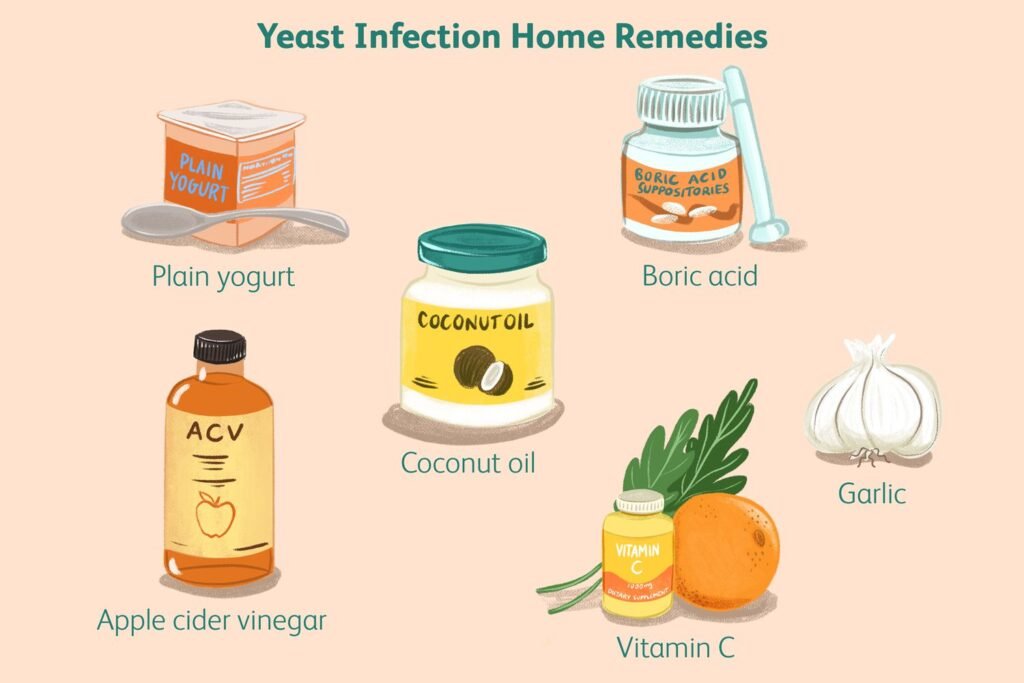
Garlic is well-known for its antibacterial properties, making it an effective natural remedy for bacterial vaginosis. It can help eliminate the harmful bacteria causing the infection and restore the natural balance of vaginal flora.
Applying garlic paste
A popular method of using garlic for bacterial vaginosis is by making a paste. Crush a few cloves of garlic and mix them with a small amount of water to create a paste. Apply this paste directly to the affected area for about 20 minutes before rinsing with warm water.
Consuming raw garlic
In addition to topical application, consuming raw garlic can also be beneficial. Eating one or two cloves of raw garlic daily can help fight off the infection from within the body, supporting the healing process.
Potential precautions
While garlic is generally safe, some people may experience skin irritation or allergic reactions. If you notice any adverse reactions, discontinue use and consult a healthcare professional.
Tea Tree Oil
Antifungal and antibacterial effects
Tea tree oil is known for its antifungal and antibacterial properties, making it an effective natural remedy for bacterial vaginosis. It can help kill off the harmful bacteria and fungi, restoring the natural balance in the vagina.
Diluting and using tea tree oil
To use tea tree oil for bacterial vaginosis, dilute a few drops of tea tree oil with a carrier oil, such as coconut oil or olive oil. Apply this mixture to a clean tampon and insert it into the vagina for a few hours. Repeat this process daily until the infection clears.
Bath with tea tree oil
Another option is to add a few drops of tea tree oil to warm bathwater and soak in it for 15-20 minutes. This can help soothe the irritated vaginal tissues and aid in the elimination of the infection.
Potential precautions
Tea tree oil is generally safe for topical use, but some individuals may experience skin irritation or allergic reactions. It is important to do a patch test before using tea tree oil and discontinue use if any adverse reactions occur.
Probiotics
Restoring vaginal balance
Probiotics are beneficial bacteria that can help restore the natural balance of vaginal flora. By introducing these “good” bacteria into the vagina, probiotics can crowd out the harmful bacteria, reducing the risk of bacterial vaginosis.
Consuming probiotic-rich foods
One way to incorporate probiotics into your routine is by consuming probiotic-rich foods. Yogurt, kefir, sauerkraut, and kimchi are excellent sources of probiotics. Incorporating these foods into your diet can promote a healthy balance of bacteria in the vagina.
Applying probiotic suppositories
Another option is to use probiotic suppositories specifically designed for vaginal health. These suppositories contain a high concentration of probiotics that can be directly applied to the vagina to help restore the natural balance of bacteria.
Potential precautions
While probiotics are generally safe, some individuals may experience digestive upset or allergic reactions. It is important to choose probiotic products from reputable sources and follow the recommended dosage guidelines.
Apple Cider Vinegar
Balancing vaginal pH
Apple cider vinegar is known for its pH-balancing properties, making it a popular natural remedy for bacterial vaginosis. It can help restore the natural acidic pH of the vagina, creating an environment that is inhospitable to harmful bacteria.
Diluting and using apple cider vinegar
To use apple cider vinegar for bacterial vaginosis, mix one to two tablespoons of apple cider vinegar with warm water. Use this mixture to rinse the vaginal area thoroughly. Repeat this process daily until the infection clears.
Sitz bath with apple cider vinegar
Another method is to add two cups of apple cider vinegar to a shallow bath of warm water. Soak in this sitz bath for 20-30 minutes to help soothe irritated tissues and promote healing.
Potential precautions
Apple cider vinegar is acidic and should be diluted before use to avoid causing irritation. It is also important to note that vinegar can cause a stinging sensation for some individuals, so it is advisable to do a patch test before using apple cider vinegar extensively.
Yogurt
Beneficial bacteria in yogurt
Yogurt contains beneficial bacteria, such as Lactobacillus, that can help restore the natural balance of vaginal flora. These “good” bacteria can crowd out the harmful bacteria, reducing the risk of bacterial vaginosis.
Applying yogurt topically
To use yogurt for bacterial vaginosis, apply a small amount of plain, unsweetened yogurt to a clean tampon and insert it into the vagina for a few hours. Repeat this process daily until the infection clears. The cold yogurt can also provide soothing relief to irritated tissues.
Consuming yogurt as a dietary addition
In addition to topical application, consuming yogurt as part of your regular diet can help promote vaginal health. Opt for plain, unsweetened yogurt with live and active cultures. Incorporate it into your meals or enjoy it as a snack to support the growth of beneficial vaginal bacteria.
Potential precautions
While yogurt is generally safe, some individuals may experience allergies or sensitivities to dairy products. Choose non-dairy alternatives, such as coconut milk yogurt or almond milk yogurt, if you have dairy intolerances.

Aloe Vera
Soothing and healing properties
Aloe vera is well-known for its soothing and healing properties, making it an effective natural remedy for bacterial vaginosis. It can help alleviate itching, reduce inflammation, and promote the healing of irritated vaginal tissues.
Applying aloe vera gel
To use aloe vera for bacterial vaginosis, apply a small amount of pure aloe vera gel directly to the affected area. Gently massage it into the skin and allow it to absorb. Repeat this process daily until the infection clears.
Potential precautions
While aloe vera is generally safe for topical use, some individuals may experience skin irritation or allergic reactions. It is advisable to do a patch test before using aloe vera extensively and discontinue use if any adverse reactions occur.
Dietary and Lifestyle Changes
Maintaining good hygiene
Maintaining good hygiene is essential for preventing and managing bacterial vaginosis. Practice proper genital hygiene by washing the external genital area with mild, unscented soap and warm water. Avoid douching, as it can disrupt the natural balance of bacteria in the vagina.
Avoiding irritants
Avoid using scented soaps, vaginal deodorants, and other personal care products that may contain harsh chemicals. These products can irritate the delicate vaginal tissues and disrupt the natural balance of bacteria.
Wearing breathable clothing
Wear loose-fitting, breathable clothing made of natural fibers, such as cotton. This allows for proper airflow and helps prevent excess moisture, creating an environment less favorable for the growth of harmful bacteria.
Maintaining a healthy diet
A healthy diet can contribute to overall vaginal health. Include plenty of fresh fruits and vegetables, whole grains, lean proteins, and healthy fats in your diet. Stay hydrated by drinking an adequate amount of water daily to help support the body’s natural defenses against infections.
By considering these natural remedies and adopting healthy lifestyle practices, you can take a proactive approach to managing bacterial vaginosis and promoting overall vaginal health. If your symptoms persist or worsen, it is important to consult a healthcare professional for further evaluation and guidance.

Related Terms About Natural Remedy For Bacterial Vaginosis.
Herbal Remedies For Bacterial Eye Infection, Home Remedies For Bacterial Infection Cough, Home Remedies For Bacterial Infection In Child, Home Remedies For Bacterial Infection In Colon, Home Remedies For Bacterial Infection In The Face, Home Remedies For Bacterial Infection In Toddlers, Home Remedies For Bacterial Infection In Tongue, Home Remedies For Bacterial Infection On Feet, Home Remedies For Bacterial Infection On Hand, Home Remedies For Bacterial Infection On Scalp