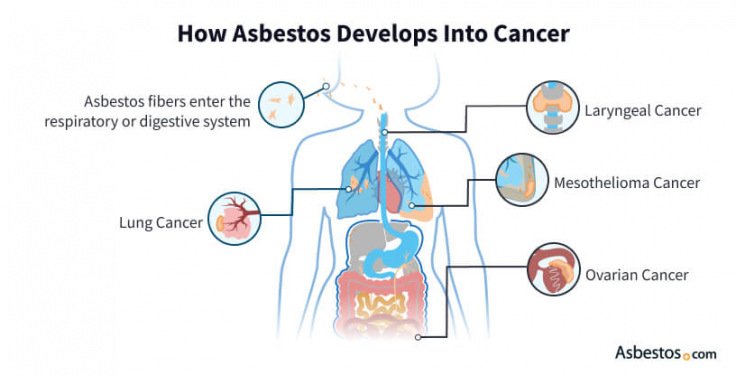
Asbestos cancer, also known as mesothelioma, is a rare and aggressive form of cancer that is primarily caused by exposure to asbestos fibers. In this article, we will explore the risk factors associated with asbestos cancer and the precautions you can take to protect yourself. By understanding the factors that increase your risk and implementing preventative measures, you can minimize your chances of developing this debilitating disease. So let’s dive into the world of asbestos cancer and equip ourselves with the knowledge to stay safe.
Risk Factors for Asbestos Cancer
Asbestos cancer, also known as mesothelioma, is a rare but aggressive cancer that is primarily caused by exposure to asbestos fibers. While not everyone who is exposed to asbestos will develop cancer, several risk factors can increase the likelihood of developing this disease.
Exposure to Asbestos Fibers
The most significant risk factor for asbestos cancer is direct exposure to asbestos fibers. Asbestos is a naturally occurring mineral that was once widely used in various industries due to its heat resistance and durability. Individuals working in construction, manufacturing, mining, shipbuilding, and other asbestos-related industries are at a higher risk of exposure. Furthermore, environmental exposure can occur when asbestos-containing materials are disturbed, releasing fibers into the air.
Duration and Intensity of Exposure
The duration and intensity of asbestos exposure play a crucial role in determining the risk of developing asbestos cancer. Long-term exposure to asbestos over several years significantly increases the likelihood of developing the disease. Similarly, individuals who have experienced high-intensity exposure to asbestos fibers are at a higher risk compared to those who had only minimal or intermittent exposure.
Smoking
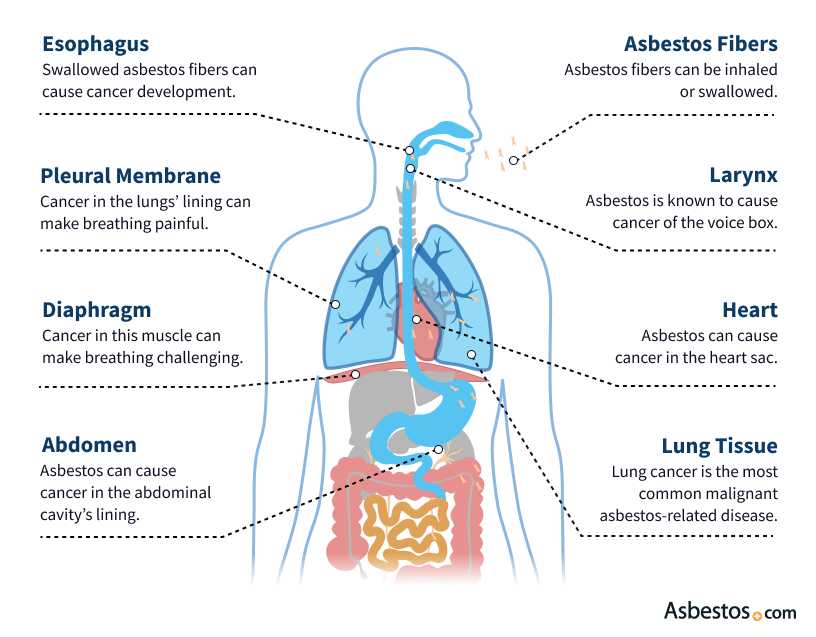
While smoking alone does not directly cause asbestos cancer, it can greatly increase the risk of developing the disease in individuals exposed to asbestos fibers. Smoking damages the lung tissues and impairs their ability to clear asbestos fibers, allowing them to accumulate and cause further damage. Smokers who are also exposed to asbestos have a synergistic effect on their risk of developing asbestos-related diseases, including lung cancer.
Age
Age is an important factor in determining the risk of asbestos cancer. The latency period between asbestos exposure and the development of cancer can range from 20 to 50 years. As a result, individuals who were exposed to asbestos at a younger age have a longer period for the cancer to manifest. Therefore, older individuals who were exposed to asbestos at a younger age have a higher risk of developing asbestos cancer.
Gender
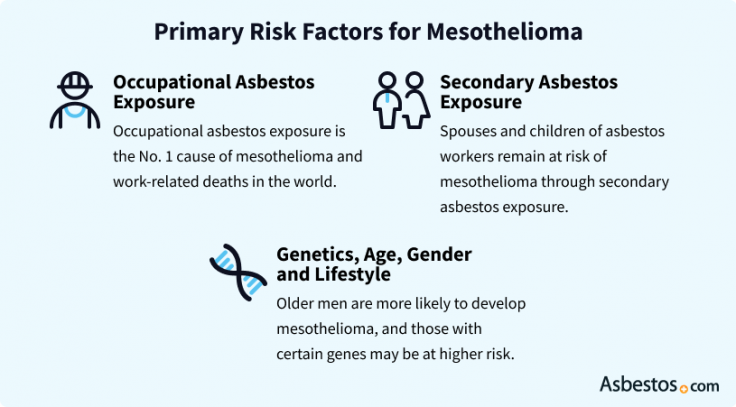
There is a slight gender disparity when it comes to asbestos cancer. Men are more commonly affected by the disease due to their historically higher rates of occupational exposure to asbestos in industries such as construction and manufacturing. However, women are not immune to asbestos-related diseases and can be at risk through secondary exposure or environmental exposure. Additionally, hormonal factors may also contribute to the different rates of asbestos cancer between genders.
Family History
A family history of asbestos-related diseases can also increase an individual’s susceptibility to asbestos cancer. Genetic factors may predispose some individuals to have a higher likelihood of developing the disease when exposed to asbestos. Additionally, shared environmental exposures within families can contribute to the risk as well.
Occupational Exposure
Occupations that involve direct contact with asbestos fibers pose a significant risk for asbestos cancer. Industries such as construction, shipbuilding, and mining have historically involved working with asbestos-containing materials, increasing the potential for exposure. Moreover, secondary exposure can occur when individuals come into contact with asbestos fibers brought home on the clothing or belongings of workers directly exposed to asbestos.
Environmental Exposure
Environmental exposure to asbestos can occur when asbestos-containing materials in buildings or infrastructure deteriorate or are disturbed during renovation or demolition. Individuals residing or working in these environments may inhale asbestos fibers released into the air, increasing their risk of developing asbestos cancer. It is vital to be aware of the presence of asbestos-containing materials and take precautions to minimize exposure.
Pre-existing Lung Conditions
Individuals with pre-existing lung conditions, such as chronic obstructive pulmonary disease (COPD) or lung fibrosis, may have a higher risk of developing asbestos cancer. These conditions can weaken the lungs and make them more susceptible to the harmful effects of asbestos fibers. It is crucial for individuals with such conditions to take extra precautions to avoid exposure to asbestos.
Genetic Factors
Certain inherited genetic mutations can make individuals more susceptible to asbestos-related diseases. These genetic factors may affect the body’s ability to repair DNA damage caused by asbestos fibers. Genetic testing and screening can help identify individuals who may have an increased risk, allowing for early detection and preventive measures.
Precautions to Reduce the Risk of Asbestos Cancer
While the risk factors for asbestos cancer cannot be entirely eliminated, there are several precautions that individuals can take to reduce their risk of developing this disease.
Identify and Manage Asbestos-Containing Materials
It is essential to identify and manage asbestos-containing materials in homes, workplaces, and other environments. Hiring a qualified professional to conduct an asbestos inspection can help identify any materials that may pose a risk and develop a plan for safe management or removal.
Use Personal Protective Equipment (PPE)
When working in environments where asbestos exposure is possible, it is crucial to use appropriate personal protective equipment (PPE). This may include respirators, gloves, coveralls, and eyewear designed to limit the inhalation or contact with asbestos fibers.
Follow Safety Guidelines and Regulations
Adhering to safety guidelines and regulations related to asbestos-containing materials is crucial in reducing the risk of exposure. This includes following proper procedures for handling, removal, and disposal of asbestos-containing materials, as well as implementing asbestos management plans in workplaces.
Avoid Disturbing Asbestos-Containing Materials
Whenever possible, it is best to avoid disturbing asbestos-containing materials. If renovation or demolition work is necessary, it is important to hire professionals experienced in working with asbestos to ensure proper handling and minimize fiber release.
Proper Handling and Disposal of Asbestos
When handling asbestos-containing materials, it is crucial to follow proper procedures to prevent fiber release. This includes wetting asbestos materials to minimize the generation of airborne fibers and using sealed containers for disposal to prevent further contamination.
Regular Occupational Health Surveillance
Regular occupational health surveillance, including medical examinations and lung function tests, can help detect early signs of asbestos-related diseases. Early detection allows for timely intervention and management, reducing the risk of developing advanced stages of asbestos cancer.
Proper Ventilation in Workplaces
Proper ventilation in workplaces can help reduce the concentration of asbestos fibers in the air, minimizing the risk of inhalation. Ensuring good airflow and ventilation systems can contribute to creating a safer work environment.
Avoiding Smoking or Quitting Smoking
As smoking increases the risk of developing asbestos-related diseases, it is crucial to avoid smoking or quit smoking altogether. Quitting smoking can improve lung health and reduce the risk of developing lung cancer and other respiratory conditions associated with asbestos exposure.
Maintain a Healthy Lifestyle
Maintaining a healthy lifestyle, including regular exercise, a balanced diet, and adequate sleep, can improve overall health and strengthen the immune system. A healthy immune system is better equipped to fight off diseases and may help reduce the risk of developing asbestos-related cancers.
Creating Asbestos-Free Environments
The ultimate goal in reducing the risk of asbestos cancer is to create asbestos-free environments. This involves advocating for the ban of asbestos use in all industries and promoting the use of safer alternatives. By eliminating asbestos from our surroundings, we can protect future generations from the devastating effects of asbestos-related diseases.
In conclusion, understanding the risk factors associated with asbestos cancer and taking appropriate precautions can significantly reduce the likelihood of developing this aggressive disease. By minimizing exposure to asbestos fibers, following safety guidelines, and maintaining a healthy lifestyle, we can work towards creating safer environments and protecting ourselves and future generations from the dangers of asbestos.