
Imagine yourself constantly experiencing pain, stiffness, and swelling in your joints. You may wonder what could be causing these discomforts and what steps you can take to alleviate them. Enter bone spurs, those tiny, bony projections that can develop along your joints. In this article, we will explore the risk factors associated with bone spurs, such as aging and certain medical conditions, and provide practical precautions to help you prevent and manage them. Prepare to gain a deeper understanding of this common orthopedic condition and discover the key to maintaining healthy joints.
Risk Factors for Bone Spurs
Bone spurs, also known as osteophytes, are bony projections that develop along the edges of bones. While they can occur in any bone, they are most commonly found in joints. Bone spurs may be asymptomatic or cause pain, depending on their location and size. Understanding the risk factors associated with bone spurs is crucial in identifying ways to prevent their development. By making small changes in your lifestyle and taking precautionary measures, you can potentially reduce your risk of developing bone spurs and the associated discomfort.
Aging
Aging is a natural process that brings about various changes in the body, including the formation of bone spurs. As you grow older, degenerative changes occur in your joints, leading to wear and tear. The body’s ability to repair and regenerate tissues diminishes, making it more susceptible to the development of bone spurs. Over time, the tissues in your joints can also undergo calcification, resulting in the formation of bone spurs.
Joint diseases
Certain joint diseases increase the likelihood of developing bone spurs. Osteoarthritis, the most common form of arthritis, causes the breakdown of cartilage that cushions the joints. As a result, the body tries to repair the damage by developing bone spurs. Rheumatoid arthritis, an autoimmune disease, can also lead to the formation of bone spurs. Additionally, conditions like ankylosing spondylitis, gout, and Paget’s disease of bone are associated with an increased risk of developing bone spurs.
Joint stress and overuse
Excessive stress and overuse of joints can contribute to the development of bone spurs. Repetitive motions, such as those involved in sports activities or certain occupational tasks, can strain the joints and lead to the formation of bone spurs. Additionally, improper posture while performing these activities can further increase the risk. By maintaining proper form and taking regular breaks to rest and stretch, you can help reduce the strain on your joints and minimize the likelihood of developing bone spurs.
Obesity
Obesity not only puts added pressure on your joints but also places extra strain on your skeletal system as a whole. The excessive weight can accelerate joint degeneration and increase the risk of developing bone spurs. By maintaining a healthy weight through a balanced diet and regular exercise, you can reduce the stress on your joints and potentially lower the risk of bone spurs.

Improper footwear
Wearing improper footwear, particularly shoes that do not provide adequate support, can contribute to the development of bone spurs. Ill-fitting shoes, especially those with narrow toe boxes, can cause compression of the toes and lead to the development of bone spurs. High heels, with their unnatural foot positioning and increased pressure on certain areas, can also be a risk factor. Additionally, lack of arch support can contribute to poor foot mechanics and lead to the development of bone spurs. Choosing footwear that fits correctly and provides proper support can help prevent the formation of bone spurs.
Genetics
Family history plays a significant role in determining your risk of developing bone spurs. If you have a family member who has had bone spurs, you may be more likely to develop them as well. Inherited abnormalities in bone structure can make certain individuals more susceptible to bone spur formation. While you cannot change your genetics, being aware of this risk factor can help you take appropriate precautions to prevent or mitigate the development of bone spurs.
Posture and body mechanics
Maintaining good posture and proper body mechanics is essential for overall musculoskeletal health. Poor posture puts additional stress on your joints and can contribute to the formation of bone spurs. Incorrect body mechanics, such as lifting heavy objects with your back instead of using your legs, can also increase the risk. Misalignment of the spine, whether due to poor posture or other factors, can impact the surrounding joints and potentially lead to the development of bone spurs. By practicing good posture and using proper body mechanics in your daily activities, you can reduce the strain on your joints and minimize the risk of bone spur formation.
Injury or trauma
Injuries or trauma to the bones and joints can increase the likelihood of developing bone spurs. Fractures, particularly those involving the joint surfaces, can disturb the natural structure and function of the affected joint, potentially leading to the formation of bone spurs. Damage to joint ligaments can also result in abnormal movement patterns and eventual spur development. Furthermore, repetitive impact injuries, such as those experienced by athletes or individuals involved in manual labor, can contribute to the development of bone spurs. Practicing caution and using protective measures during physical activities can help reduce the risk of injury and subsequent bone spur formation.
Lack of exercise
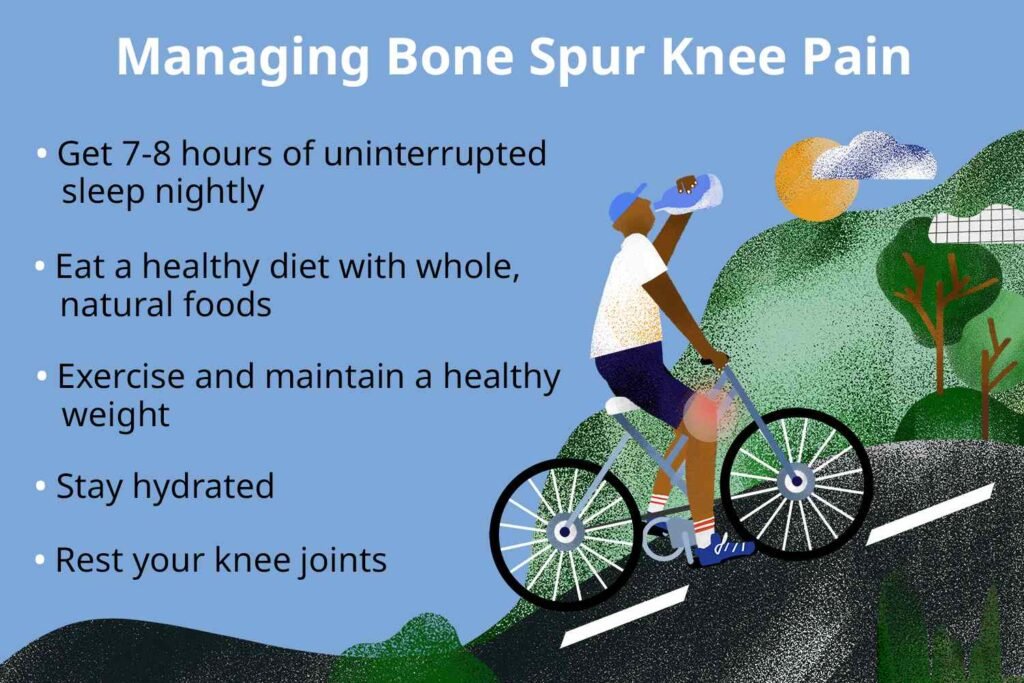
Regular exercise is essential for maintaining overall joint health and preventing the development of bone spurs. Physical activity helps strengthen muscles and ligaments, improves joint flexibility, and promotes blood flow to the tissues. Lack of exercise can lead to joint stiffness and weakness, making them more prone to degenerative changes and spur formation. By incorporating exercises that focus on joint mobility and strength into your routine, you can support joint health and potentially reduce the risk of bone spur development.
Bone spurs in other areas
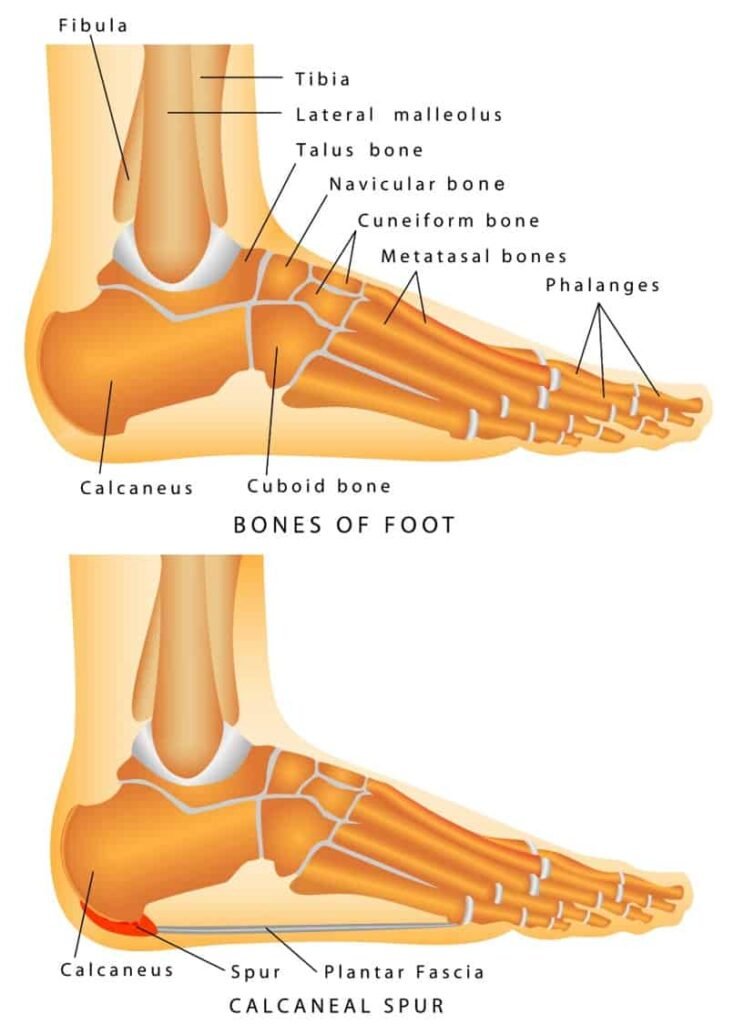
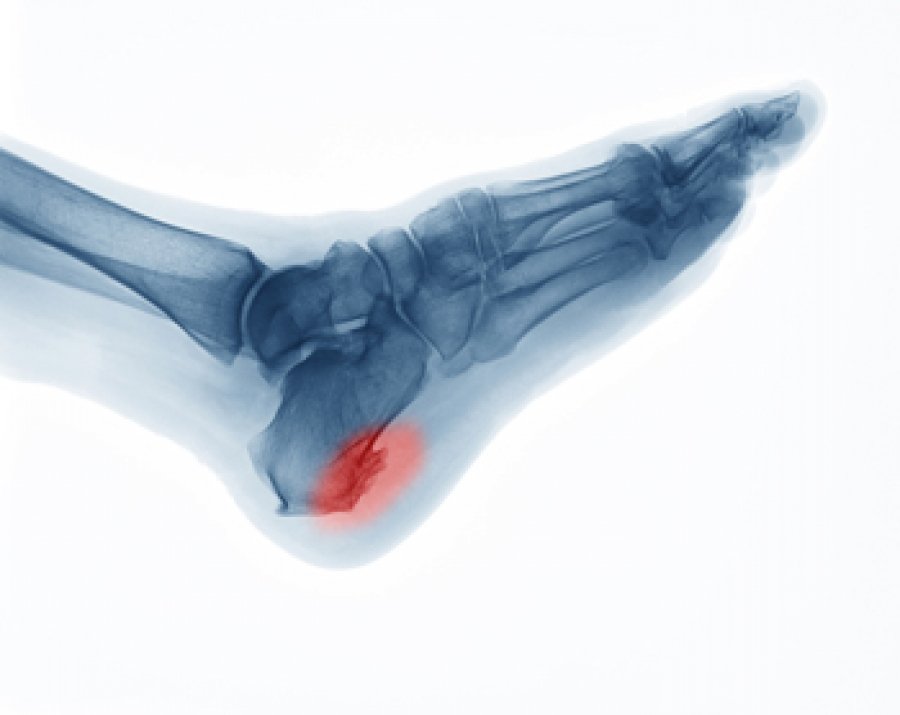
While bone spurs are commonly associated with joint-related issues, they can also occur in other areas of the body. For example, bone spurs can develop on the spine, which can be caused by degenerative changes or conditions like spinal stenosis. Similarly, bone spurs can form on the heels, known as heel spurs, which are often associated with plantar fasciitis. The risk factors for these types of bone spurs may vary, but maintaining overall musculoskeletal health and addressing specific condition-related risk factors can help prevent or alleviate their formation.
Considering surgical options
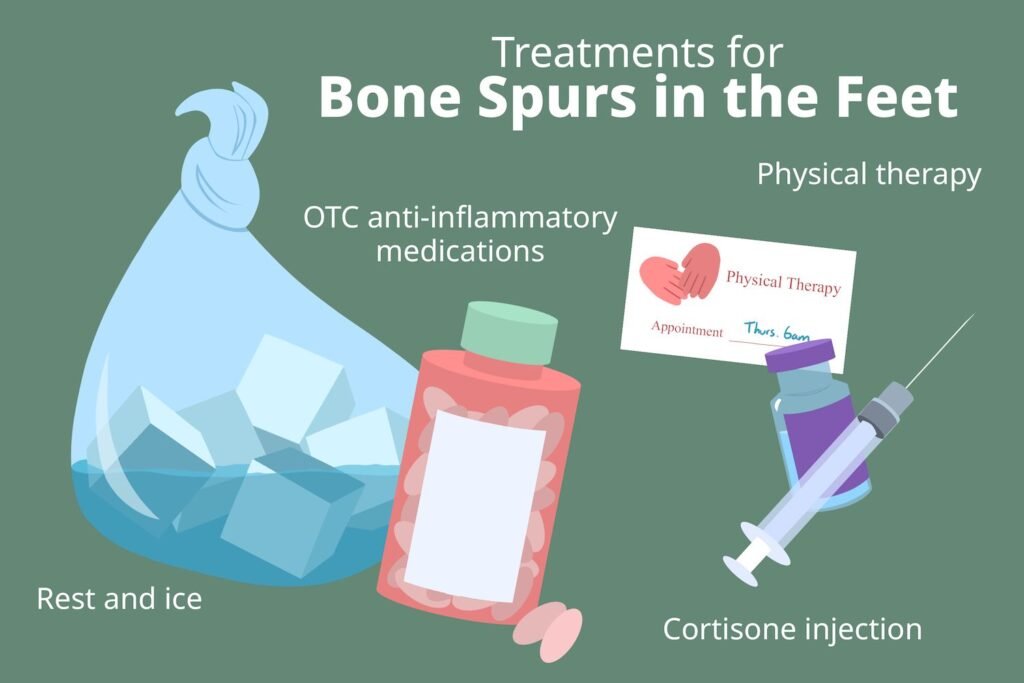
In cases where conservative treatments fail to provide relief from pain and discomfort caused by bone spurs, surgical intervention may be a viable option. Surgery can involve the removal of spurs or repair of any associated damage. However, surgery is typically considered a last resort after exhausting all non-invasive treatment options. Following surgery, a rehabilitation and recovery process is often necessary to ensure the successful healing of the affected joint. Consulting with a healthcare professional and carefully weighing the risks and benefits of surgical intervention is vital in determining the most appropriate course of action for your specific situation.
In conclusion, bone spurs can be a source of discomfort and may significantly impact your quality of life. Understanding the risk factors associated with bone spurs is crucial in taking proactive measures to reduce their development. By addressing age-related changes, managing joint diseases, avoiding excessive joint stress and overuse, maintaining a healthy weight, wearing appropriate footwear, considering genetic factors, practicing good posture and body mechanics, preventing injury, engaging in regular exercise, and being aware of bone spurs in other areas, you can potentially minimize your risk of developing bone spurs. Remember, when conservative treatments fail, surgical options should be carefully considered under the guidance of a healthcare professional. By prioritizing your joint health and taking preventative measures, you can reduce the likelihood of bone spur formation and enjoy a more active and pain-free lifestyle.