
In this article, you will explore the various risk factors associated with blood disorders and learn about the precautions you can take to maintain a healthy blood profile. With a friendly tone, we will highlight key information and provide practical tips to help you understand the potential risks and protect your wellbeing. So, let’s delve into the world of blood disorders together and empower you with knowledge to safeguard your health.
Risk Factors for Blood Disorders
Blood disorders encompass a wide range of conditions that affect the composition and function of blood cells, including red blood cells, white blood cells, and platelets. While some blood disorders are inherited or genetic in nature, others may be influenced by various risk factors. Understanding these risk factors is crucial in identifying potential causes and taking necessary precautions. In this article, we will explore the different risk factors associated with blood disorders and delve into each category in detail.
Genetic Factors
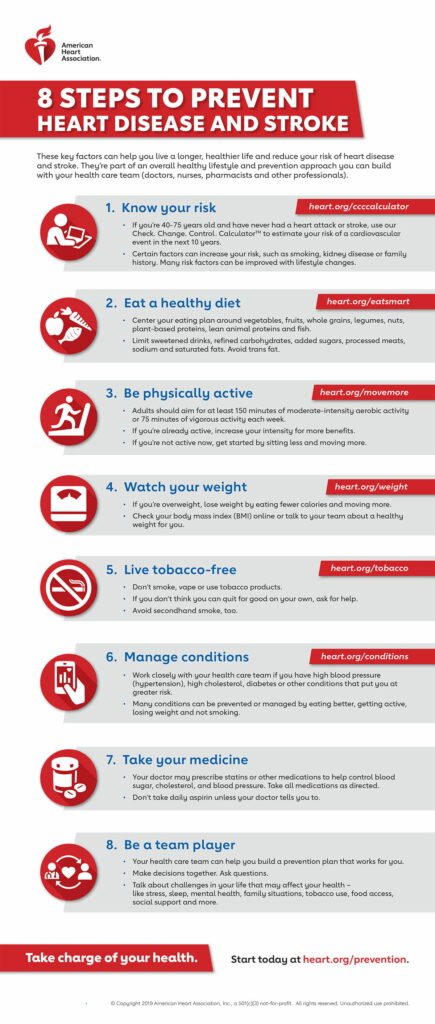
Genetic factors play a significant role in the development of blood disorders. Inherited gene mutations, such as sickle cell anemia and thalassemia, can lead to abnormalities in the structure or function of blood cells. Similarly, chromosomal abnormalities like Down syndrome and Turner syndrome can impact blood cell production and function. It is important to note that having a genetic predisposition does not necessarily guarantee the development of a blood disorder, as other factors often come into play.
Age
Age is another crucial risk factor when it comes to blood disorders. The effects of aging on blood cells can result in changes in their composition and functionality. As we grow older, our bone marrow, which is responsible for producing blood cells, may become less efficient. This decrease in efficiency can lead to a decrease in red blood cell count or platelet count, increasing the risk of anemia or bleeding disorders. Furthermore, there are empirical risks associated with blood disorders at different age groups. For example, children may be more prone to certain genetic blood disorders, while elderly individuals may be more susceptible to conditions like myelodysplastic syndromes.
Gender
Gender can also influence the risk of developing certain blood disorders. Differences in blood disorders between males and females have been observed, indicating a role played by hormonal factors. For instance, women have a higher risk of developing iron deficiency anemia due to menstrual blood loss. On the other hand, certain blood disorders, such as hemophilia, primarily affect males due to the inheritance of a specific gene on the X chromosome. These gender-specific risks highlight the importance of considering gender when evaluating an individual’s susceptibility to blood disorders.
Family History
Family history is a significant risk factor for blood disorders. Individuals with a family history of certain blood disorders may have an increased likelihood of developing the same condition. This is particularly true for inherited blood disorders, where genetic abnormalities are passed down through generations. For example, a person with a parent or sibling affected by sickle cell anemia has a higher chance of inheriting the mutated gene responsible for the condition. By understanding your family history, you can be proactive in monitoring and managing potential risks.

Medical Conditions
Certain underlying medical conditions can contribute to the development of blood disorders. Autoimmune disorders, such as lupus and rheumatoid arthritis, can lead to the destruction of healthy blood cells by the immune system. Liver or kidney diseases can affect the production or function of blood cells, leading to anemia or clotting disorders. Additionally, bone marrow disorders, like aplastic anemia and myelofibrosis, can disrupt the normal production of blood cells in the bone marrow. Furthermore, individuals with cancer often experience disturbances in blood cell production and function, which can result in blood disorders.
Medications and Treatments
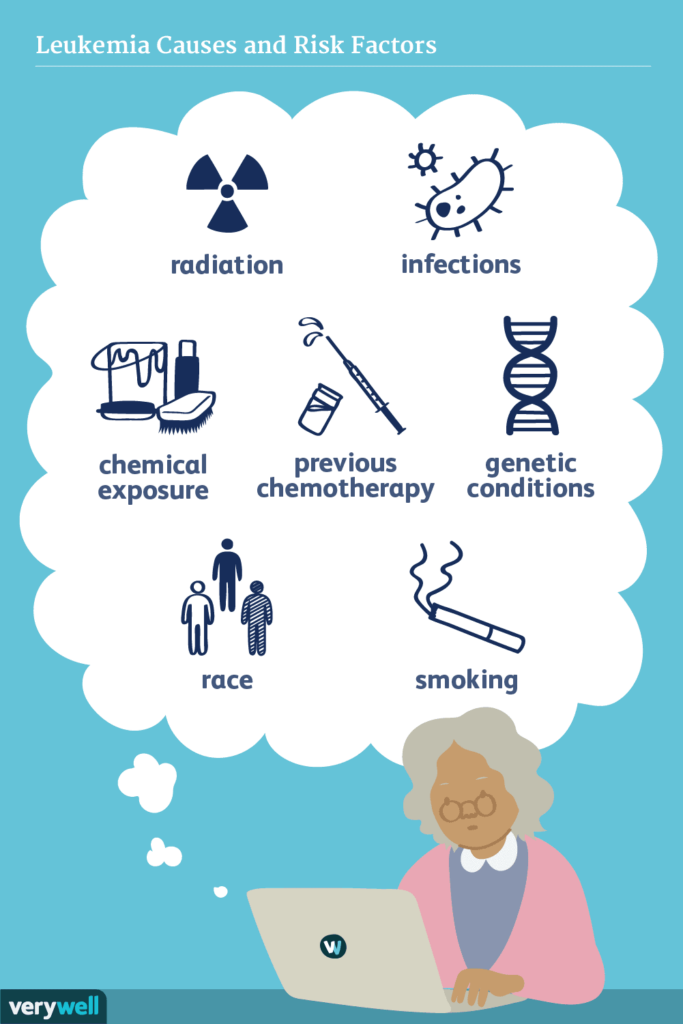
The use of certain medications and treatments can also be a risk factor for blood disorders. Chemotherapy and radiation therapy, commonly used in cancer treatment, can suppress bone marrow function, leading to a decrease in blood cell counts. Immunosuppressive drugs, used to prevent organ rejection after transplantation, can weaken the immune system and increase the risk of blood disorders. Blood-thinning medications, such as warfarin and aspirin, can affect clotting mechanisms, possibly resulting in bleeding disorders. It is crucial to closely monitor blood counts and discuss potential risks with your healthcare provider when undergoing these treatments.
Infections
Infections, whether viral, bacterial, parasitic, or fungal, can have adverse effects on blood cells, leading to various blood disorders. Viral infections like HIV and Epstein-Barr virus can directly infect blood cells or weaken the immune system, making individuals more susceptible to other blood disorders. Bacterial infections can lead to conditions like sepsis or infective endocarditis, both of which can impact blood cell production or function. Parasitic infections, such as malaria, can cause the destruction of red blood cells and result in anemia. Similarly, fungal infections can affect the bone marrow and compromise blood cell production.
Exposure to Toxins and Chemicals
Exposure to toxins and chemicals, whether in the workplace or the environment, can also increase the risk of developing blood disorders. Certain occupations, such as those involving exposure to benzene, pesticides, or heavy metals, have been associated with an increased risk of blood disorders. Environmental toxins, such as air pollution and contaminated water sources, can also have detrimental effects on blood cell production and function. Heavy metals like lead or mercury, when ingested or inhaled, can accumulate in the body and disrupt normal blood cell processes. Even exposure to pesticides and herbicides has been linked to blood disorders.
Smoking
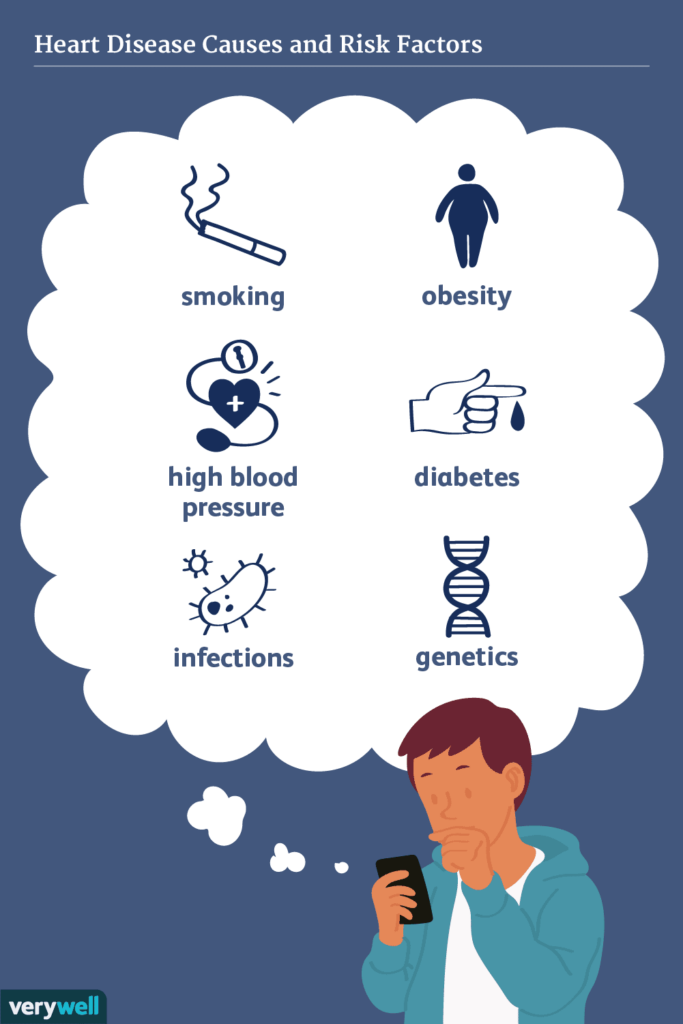
Smoking is a widely recognized risk factor for various health conditions, and blood disorders are no exception. The chemicals present in tobacco smoke can damage blood cells and affect their ability to function properly. Smoking has been associated with an increased risk of developing conditions like chronic myeloid leukemia, myelodysplastic syndromes, and thrombocytopenia. Quitting smoking can significantly reduce the risk of blood disorders and improve overall health.
Lifestyle Factors
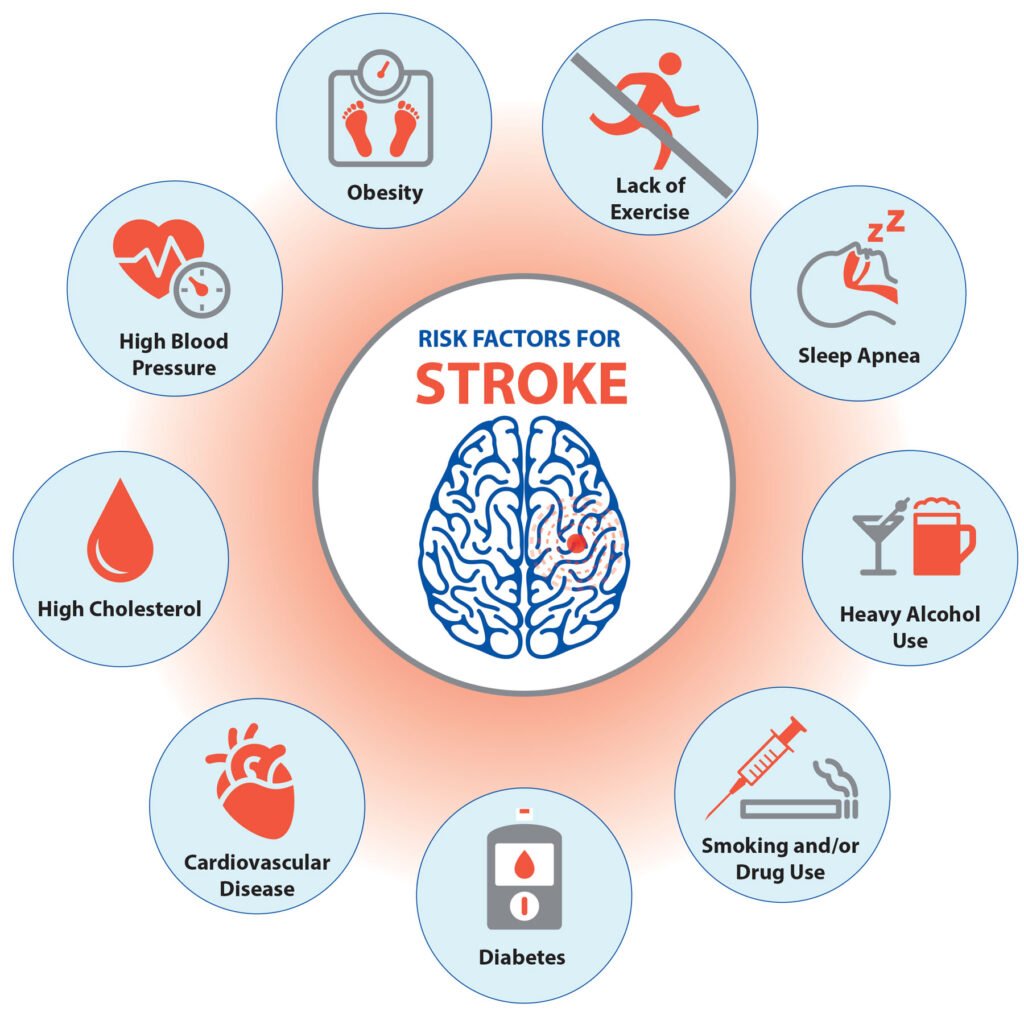
Several lifestyle factors can influence the risk of developing blood disorders. Obesity, for instance, is known to increase the risk of conditions like deep vein thrombosis and polycythemia. Dietary factors, such as a deficiency in certain nutrients like iron or vitamin B12, can result in anemia. Physical inactivity, on the other hand, can impair blood circulation and potentially contribute to the formation of blood clots. Excessive alcohol consumption can have a detrimental effect on blood cell health, leading to conditions like anemia or clotting disorders. Adopting a healthy lifestyle, including regular exercise, a balanced diet, and moderate alcohol consumption, can help reduce the risk of blood disorders.
In conclusion, blood disorders can be influenced by various risk factors, including genetic factors, age, gender, family history, medical conditions, medications, infections, exposure to toxins and chemicals, smoking, and lifestyle factors. Identifying and understanding these risk factors can aid in early detection, preventive measures, and effective management of blood disorders. It is essential to consult with healthcare professionals to assess individual risks and make informed decisions regarding lifestyle modifications and necessary precautions.