
Did you know that arthritis affects millions of people worldwide, causing pain, stiffness, and reduced mobility? In this article, we will explore the various risk factors associated with arthritis and the precautions you can take to minimize your chances of developing this condition. By understanding the potential triggers and adopting preventive measures, you can potentially lead a healthier and more manageable life. So, let’s dive into the world of arthritis and learn how to protect yourself!

What is Arthritis?
Arthritis is a chronic condition that affects the joints in your body. It is characterized by inflammation, pain, and stiffness in the affected joints. There are over 100 different types of arthritis, each with its own specific symptoms and causes. Common types of arthritis include osteoarthritis, rheumatoid arthritis, and psoriatic arthritis. While arthritis primarily affects the joints, it can also impact other parts of the body, such as the skin, eyes, and organs.
Risk Factors for Arthritis
Various factors can increase your risk of developing arthritis. It’s important to be aware of these risk factors and take necessary precautions to reduce your chances of developing this condition.
Age
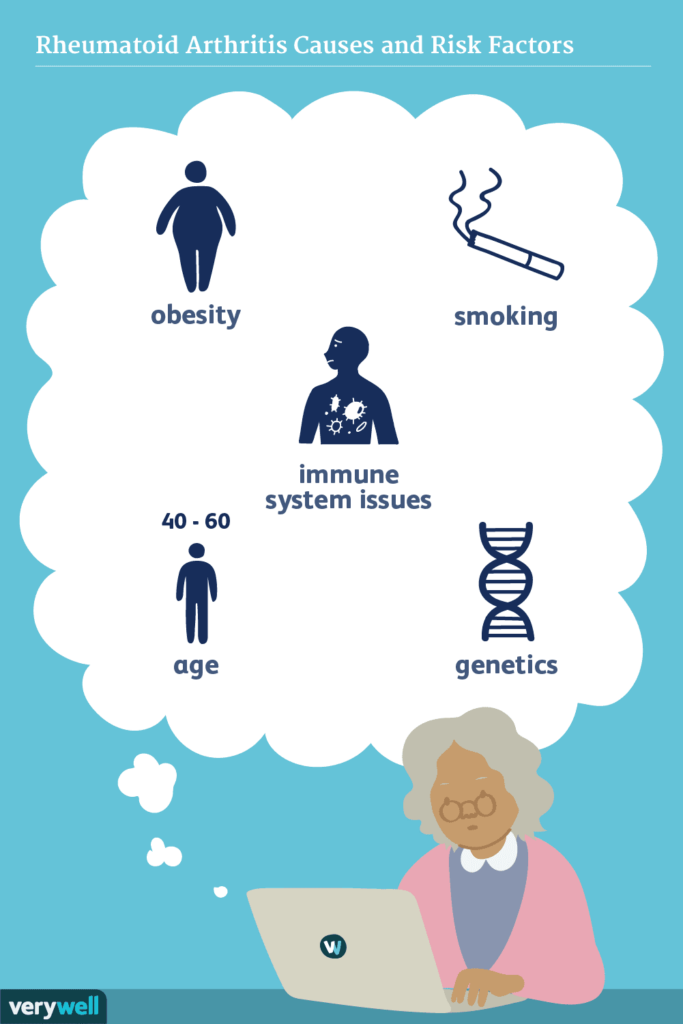
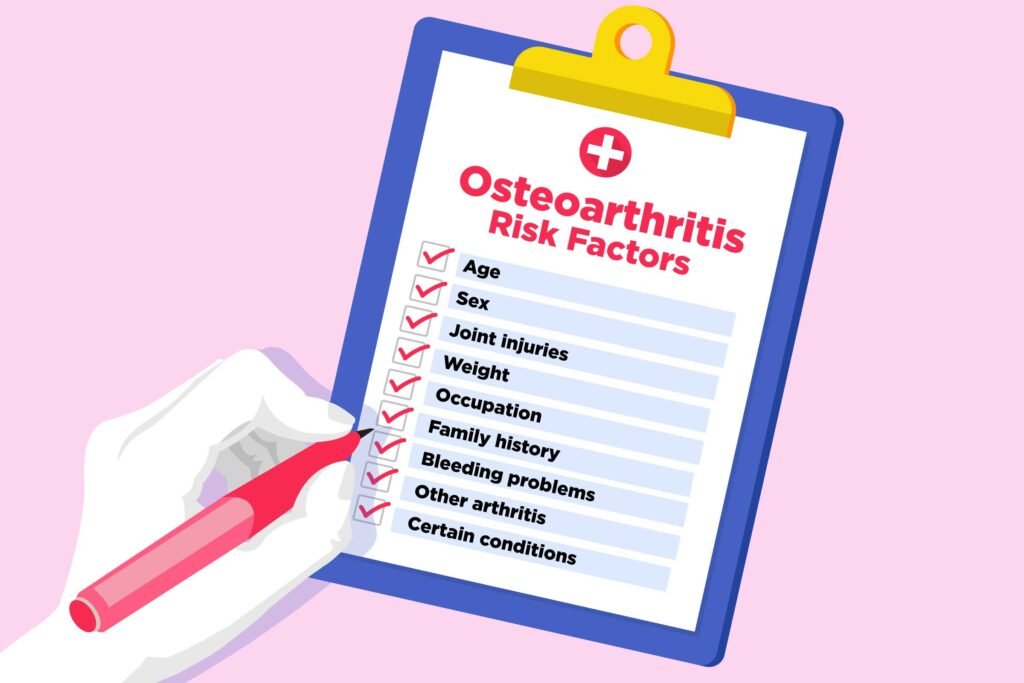
One of the primary risk factors for arthritis is age. The likelihood of developing arthritis increases as you get older. Osteoarthritis, the most common type of arthritis, is commonly seen in individuals over the age of 65. However, arthritis can affect individuals at any age, including children.
Gender
Arthritis is more prevalent in women compared to men. Women are more likely to develop rheumatoid arthritis, while men are more prone to developing gout, a form of arthritis.
Family History
Having a family history of arthritis increases your risk of developing the condition. If your parents or siblings have arthritis, it’s important to be proactive in taking precautions to minimize your chances of developing it.
Obesity
Excess weight puts extra strain on your joints, increasing the risk of developing arthritis, particularly osteoarthritis. Maintaining a healthy weight is crucial in reducing the stress on your joints and preventing arthritis.
Joint Injuries
Previous joint injuries, such as a fracture or dislocation, can increase the risk of arthritis. It’s important to take proper care and seek medical attention if you have had a joint injury to minimize the risk of arthritis in the future.
Occupation
Certain occupations that involve repetitive joint movements or expose you to heavy lifting and physical stress can increase the risk of arthritis. It’s essential to take necessary precautions and use protective gear to minimize the strain on your joints.
Infections
Certain infections, such as Lyme disease, can lead to a type of arthritis known as infectious arthritis. It’s crucial to seek timely treatment for infections to reduce the risk of developing arthritis as a complication.
Autoimmune Diseases
Autoimmune diseases, such as rheumatoid arthritis, lupus, or psoriasis, can increase the risk of developing arthritis. These conditions cause the immune system to attack the body’s own tissues, including the joints.
Smoking
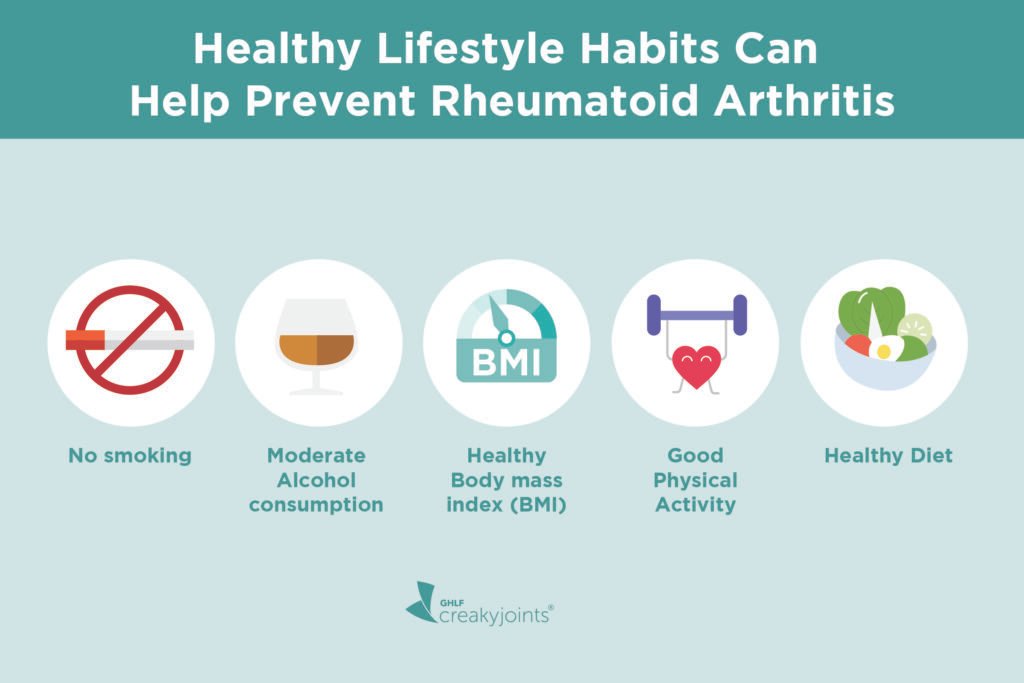
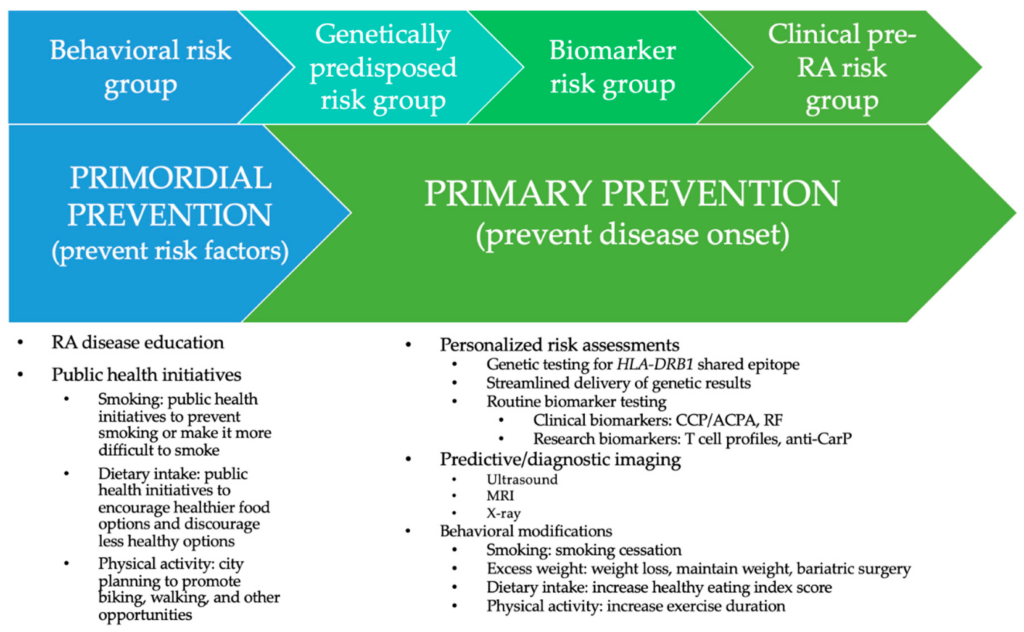
Smoking has been linked to an increased risk of developing rheumatoid arthritis. It can also worsen the symptoms and progression of existing arthritis. Quitting smoking can significantly reduce the risk and improve the overall health of your joints.
Precautions to Reduce the Risk of Arthritis
While there is no foolproof way to prevent arthritis, there are certain precautions you can take to reduce your risk and maintain optimal joint health.
Maintain a Healthy Weight
Maintaining a healthy weight is crucial in reducing the strain on your joints, particularly the weight-bearing joints such as the knees and hips. A balanced diet and regular exercise can help you achieve and maintain a healthy weight.
Exercise Regularly
Regular exercise helps strengthen the muscles around your joints, improving their support and stability. Low-impact exercises such as walking, swimming, and cycling are particularly beneficial for joint health. It’s important to consult with a healthcare professional or a physical therapist to determine the most suitable exercise routine for your needs.
Protect Your Joints
Take measures to protect your joints from excessive stress and injury. This includes using proper body mechanics when lifting heavy objects, wearing knee pads when kneeling, and using ergonomic equipment to reduce joint strain.
Avoid Joint Injuries
Be cautious to avoid joint injuries as they can increase the risk of developing arthritis in the affected joints. Use protective gear when participating in sports or activities that carry a risk of joint injury, and be mindful of your body’s limits.
Take Breaks and Modify Your Activities
If your occupation or daily activities involve repetitive joint movements, take regular breaks and modify your work or activity to minimize strain on the joints. Using assistive devices or ergonomic tools can also help reduce joint stress.
Manage Stress
Chronic stress can contribute to the development and progression of arthritis. Finding healthy ways to manage stress, such as practicing relaxation techniques, engaging in hobbies, or seeking support from friends and family, can help reduce the risk.
Quit Smoking
As mentioned earlier, smoking has been linked to an increased risk of developing arthritis. Quitting smoking not only reduces this risk but also improves overall joint health and general well-being.
Ensure Adequate Vitamin D Levels
Vitamin D plays a crucial role in bone health and may help prevent certain types of arthritis. Adequate sun exposure and consuming foods rich in vitamin D, such as fatty fish and fortified dairy products, can help maintain optimal vitamin D levels.
Be Aware of Medications’ Side Effects
Be cautious of medications that have potential side effects on joint health. Some medications, such as certain antibiotics and cholesterol-lowering drugs, may increase the risk of developing arthritis. Discuss any concerns with your healthcare professional.
Stay Hydrated
Proper hydration is essential for maintaining joint health. Drink an adequate amount of water throughout the day to ensure optimal joint lubrication and reduce the risk of arthritis-related inflammation.
Diagnosis of Arthritis
If you experience joint pain or stiffness, it’s important to consult with a healthcare professional for a proper diagnosis. Diagnosing arthritis typically involves a combination of medical history evaluation, physical examination, and various laboratory and imaging tests.
Medical History
Your doctor will review your medical history and ask detailed questions about your symptoms, including the location, duration, and severity of joint pain or stiffness. They will also inquire about any previous injuries or infections that may have contributed to the condition.
Physical Examination
A physical examination will be conducted to assess the affected joints for swelling, tenderness, warmth, and range of motion limitations. Your doctor may also check for signs of joint inflammation or deformities.
Laboratory Tests
Blood tests can help identify certain markers and antibodies associated with different types of arthritis. These tests can help confirm or rule out specific forms of arthritis, such as rheumatoid arthritis or gout.
Imaging Tests
Imaging tests, such as X-rays, MRIs, or ultrasounds, may be used to visualize the joints and assess for any signs of joint damage, inflammation, or structural abnormalities. These tests help determine the severity and type of arthritis.
Treatment Options for Arthritis
The treatment approach for arthritis varies depending on the type and severity of the condition. Treatment aims to reduce pain, manage inflammation, improve joint function, and slow down the progression of the disease.
Medications
Medications commonly prescribed for arthritis include nonsteroidal anti-inflammatory drugs (NSAIDs) to relieve pain and reduce inflammation, disease-modifying antirheumatic drugs (DMARDs) to slow joint damage in rheumatoid arthritis, and corticosteroids to reduce inflammation. Your healthcare professional will prescribe the most appropriate medication based on your specific condition.
Physical Therapy
Physical therapy plays a vital role in managing arthritis by improving joint strength, flexibility, and function. A physical therapist can design and guide you through exercises tailored to your individual needs, relieve pain, and improve overall joint health.
Occupational Therapy
Occupational therapy focuses on adapting daily activities and using assistive devices to minimize joint stress and improve your ability to perform daily tasks. An occupational therapist can provide guidance on joint protection techniques and recommend assistive devices to make daily activities easier.
Assistive Devices
Assistive devices, such as splints, braces, or orthopedic footwear, can provide support and stability to the affected joints, reducing pain and improving mobility. Your healthcare professional or therapist can help determine which assistive devices are suitable for your specific arthritis condition.
Natural Remedies
Some individuals find relief from arthritis symptoms through natural remedies such as herbal supplements, acupuncture, or dietary changes. It’s important to consult with a healthcare professional before trying any natural remedies to ensure they are safe and effective for your specific condition.
Surgical Interventions
In severe cases of arthritis, when conservative treatments fail to provide relief, surgical interventions may be necessary. Joint replacement surgeries, such as hip or knee replacements, can alleviate pain, improve joint function, and enhance quality of life.
Lifestyle Modifications for Arthritis
In addition to medical treatments, making certain lifestyle modifications can greatly help manage arthritis symptoms and improve overall joint health.
Dietary Changes
Adopting a balanced and nutritious diet can contribute to your overall joint health. A diet rich in fruits, vegetables, whole grains, lean proteins, and healthy fats can help reduce inflammation and provide the necessary nutrients for optimal joint function.
Exercise and Stretching
Regular exercise tailored to your specific abilities and joints can strengthen the muscles around the joints, improve flexibility, and promote overall joint health. Additionally, incorporating stretching exercises can help maintain joint flexibility and reduce stiffness.
Weight Management
Maintaining a healthy weight is crucial for individuals with arthritis. Excess weight puts extra stress on the joints, leading to increased pain and joint damage. Following a balanced diet and engaging in regular exercise can help achieve and maintain a healthy weight.
Heat and Cold Therapy
Applying heat or cold to the affected joints can help alleviate pain and reduce inflammation. Warm compresses or heating pads can provide relief for stiff joints, while cold packs or ice packs can help numb the pain and reduce swelling.
Stress Management
Managing stress is essential for individuals with arthritis, as stress can exacerbate symptoms. Engaging in relaxation techniques, such as deep breathing exercises, meditation, or yoga, can help reduce stress and promote overall well-being.
Sleep Hygiene
Getting enough restful sleep is crucial for individuals with arthritis to promote overall healing and reduce pain and fatigue. Practicing good sleep hygiene, such as establishing a regular sleep schedule, creating a comfortable sleep environment, and avoiding stimulants before bedtime, can contribute to better sleep quality.
Managing Arthritis Pain
Pain management is an important aspect of arthritis treatment. Various methods can help alleviate pain and improve the quality of life for individuals living with arthritis.
Over-the-Counter Pain Relievers
Over-the-counter pain relievers, such as acetaminophen or nonsteroidal anti-inflammatory drugs (NSAIDs) like ibuprofen, can provide temporary relief from arthritis pain. It’s important to consult with a healthcare professional before taking any medications to ensure they are suitable for your specific condition.
Prescription Medications
In cases of severe or persistent pain, your healthcare professional may prescribe stronger pain medications or disease-modifying antirheumatic drugs (DMARDs) to manage arthritis symptoms. These medications should be taken under the guidance and supervision of a healthcare professional.
Topical Pain Relievers
Topical pain relievers, such as creams, gels, or patches, can be applied directly to the affected joints to provide localized pain relief. These products often contain ingredients like menthol or capsaicin, which can help reduce pain and inflammation.
Heat and Cold Therapy
As mentioned earlier, applying heat or cold to the affected joints can help alleviate pain. Heat therapy, such as warm compresses or heating pads, can relax muscles and improve blood flow, while cold therapy can numb the affected area and reduce inflammation.
Transcutaneous Electrical Nerve Stimulation (TENS)
TENS therapy involves applying mild electrical currents to the skin over the affected joints, which can help block pain signals and provide relief. This therapy is often performed under the guidance of a healthcare professional or physical therapist.
Lifestyle Modifications
Lifestyle modifications, such as adopting a balanced diet, engaging in regular exercise, maintaining a healthy weight, and managing stress, can all contribute to reducing arthritis pain. It’s important to incorporate these modifications into your daily routine to achieve long-term pain relief.
Home Remedies for Arthritis
In addition to medical treatments and lifestyle modifications, several home remedies can help alleviate arthritis symptoms and provide relief.
Hot and Cold Compresses
Applying hot or cold compresses to the affected joints can help reduce pain and inflammation. Alternating between hot and cold compresses can have a soothing effect and promote joint healing.
Epsom Salt Baths
Epsom salt baths are a popular home remedy for arthritis pain relief. Adding Epsom salt to warm bathwater and soaking in it can help relax muscles, reduce pain, and promote overall relaxation.
Ginger Tea
Ginger has anti-inflammatory properties that can help reduce arthritis pain and swelling. Drinking ginger tea regularly can provide relief for individuals with arthritis. To make ginger tea, steep fresh ginger slices in hot water for about 10 minutes and enjoy.
Turmeric
Turmeric contains a compound called curcumin, which has been found to possess anti-inflammatory properties. Incorporating turmeric into your diet or taking turmeric supplements can help reduce arthritis inflammation and discomfort.
Fish Oil Supplements
Fish oil supplements, rich in omega-3 fatty acids, have been shown to have anti-inflammatory effects that can benefit individuals with arthritis. Consult with a healthcare professional before starting any supplements to determine the appropriate dosage for your condition.
Acupuncture
Acupuncture involves the insertion of thin needles into specific points on the body to stimulate healing and provide pain relief. Some individuals find acupuncture helpful for managing arthritis pain, but its effectiveness may vary from person to person.
Alternative Treatment Options for Arthritis
In addition to traditional medical treatments, several alternative therapies have shown promise in managing arthritis symptoms and improving overall well-being.
Acupuncture
As mentioned earlier, acupuncture can help alleviate arthritis pain and improve joint function by stimulating specific points on the body. Many individuals find acupuncture to be a beneficial adjunct therapy for managing arthritis symptoms.
Massage Therapy
Massage therapy involves applying pressure and manipulating the soft tissues of the body to improve circulation, reduce muscle tension, and provide pain relief. Some individuals find regular massage therapy helpful in reducing arthritis pain and promoting relaxation.
Chiropractic Care
Chiropractic care focuses on aligning the spine and musculoskeletal system to improve overall health and function. Chiropractors can provide treatments and adjustments to alleviate joint pain and stiffness associated with arthritis.
Tai Chi
Tai Chi is a mind-body practice that combines gentle movements, breathing exercises, and meditation. Regular practice of Tai Chi has been shown to improve balance, flexibility, and joint function in individuals with arthritis.
Yoga
Yoga is an ancient practice that combines physical postures, breathing techniques, and meditation. It can help improve joint flexibility, strengthen muscles, reduce pain, and promote overall well-being for individuals with arthritis.
Meditation
Meditation focuses on training the mind to achieve a state of calm and relaxation. Regular meditation practice can help reduce stress, manage pain, and promote emotional well-being for individuals with arthritis.
Tips for Living with Arthritis
Living with arthritis can present challenges, but adopting certain strategies and seeking support can greatly improve your quality of life.
Create an Arthritis-Friendly Home
Make modifications to your home to accommodate your arthritis needs. This may include installing handrails, using adaptive equipment in the bathroom, or using ergonomic tools in the kitchen.
Use Adaptive Equipment
Utilize adaptive equipment to make daily activities easier and reduce strain on your joints. This can include using jar openers, reachers, or specialized utensils that are designed to minimize joint stress.
Seek Support
Join support groups or seek professional counseling to help cope with the emotional and physical challenges of living with arthritis. Connecting with others who understand your experiences can provide valuable support and guidance.
Get Regular Check-ups
Regular check-ups with your healthcare professional are essential for monitoring your arthritis condition and adjusting treatment as necessary. Don’t hesitate to discuss any concerns or changes in symptoms with your doctor.
Stay Positive and Educated
Maintaining a positive mindset and staying informed about your condition can empower you to manage arthritis effectively. Stay updated with the latest treatment options and methods for self-care.
Follow Your Treatment Plan
It’s important to follow the treatment plan recommended by your healthcare professional. This may include taking medications as prescribed, attending therapy sessions, and incorporating lifestyle modifications into your daily routine.
By understanding the risk factors for arthritis, taking necessary precautions, and adopting a comprehensive treatment approach, you can effectively manage arthritis and improve your overall quality of life. Remember to consult with a healthcare professional for personalized advice and guidance tailored to your specific needs.