
Imagine waking up in the morning to find itchy, red welts on your skin. You might brush it off as just another bug bite, but what if those bites are actually caused by bed bugs? In this article, we will explore the risk factors associated with bed bug bites and provide you with some essential precautions to keep these pesky pests at bay. So grab a cup of coffee and get ready to arm yourself with the knowledge needed to protect yourself from bed bug bites.
Risk Factors for Bed Bug Bites
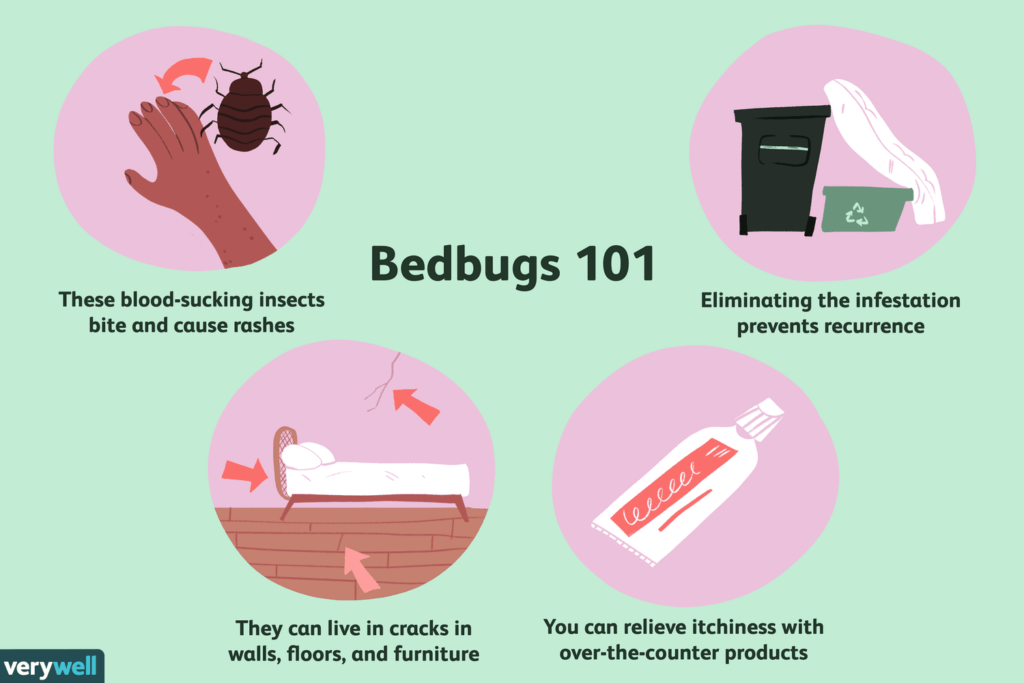
Bed bug bites are a common problem that can occur in various settings. Understanding the risk factors associated with bed bug infestations can help you take necessary precautions to avoid these pesky insects. Here are some factors that increase the likelihood of bed bug bites:
Traveling and hotel stays
One of the most common ways people come into contact with bed bugs is during their travels, especially when staying in hotels. Bed bugs can easily hitch a ride in luggage or clothing and infest hotel rooms. Therefore, it’s essential to inspect hotel rooms before staying to ensure they are bed bug-free.
Used furniture and belongings
Bringing used furniture or belongings into your home without proper inspection can introduce bed bugs. These insects can hide in cracks and crevices of furniture, and if you’re not cautious, they may find their way into your living space. Thoroughly examine used items before bringing them home to avoid infestations.
Shared living spaces
Living in shared spaces, such as apartments or dormitories, increases the risk of bed bug infestations. Bed bugs can easily travel between units, spreading from one infested area to another. Maintaining good communication with neighbors and reporting any signs of infestation promptly can help prevent the spread of bed bugs.
Close contact with infested individuals
Having close contact with individuals who are already infested with bed bugs can put you at risk. Bed bugs can crawl onto your clothes or belongings, hitching a ride back to your own space. Be cautious and avoid close contact with infested individuals to minimize the risk of bed bug bites.
Cluttered spaces
Cluttered spaces offer more hiding spots for bed bugs, making it easier for them to go unnoticed and multiply. It’s important to keep your living environment organized and clutter-free to reduce the risk of bed bug infestations.
Poor hygiene practices
While bed bugs are not attracted to dirt or filth, poor hygiene practices can indirectly contribute to bed bug infestations. Cluttered and unclean living spaces provide more hiding spots for bed bugs to thrive. Maintaining good hygiene practices is crucial in preventing bed bug infestations.
Lack of awareness and prevention
Lack of knowledge about bed bugs and their prevention methods increases the risk of infestations. Educating yourself on bed bug identification, preventive measures, and early detection can help you avoid the discomfort and hassle associated with bed bug bites.
Precautions to Avoid Bed Bug Bites
Taking proper precautions can greatly reduce the risk of bed bug bites. By following these preventive measures, you can protect yourself from these blood-sucking pests:
Inspecting hotel rooms before staying
When checking into a hotel, take a few moments to thoroughly inspect the room for any signs of bed bugs. Check the mattress seams, headboard, furniture, and other potential hiding spots. If you find any signs of infestation, request a room change or choose a different hotel.
Taking preventive measures while traveling
When traveling, especially to areas known for bed bug infestations, take extra precautions. Keep luggage elevated on luggage racks, away from walls and furniture. Avoid placing clothing or personal items on upholstered surfaces. By being proactive, you can minimize the risk of bringing bed bugs back home with you.
Thoroughly examining used furniture and belongings
Before bringing any used furniture or belongings into your home, carefully inspect them for signs of bed bugs. Pay close attention to seams, cracks, and crevices where bed bugs can hide. If you suspect any infestation, it’s best to avoid bringing the item home to prevent spreading bed bugs.
Maintaining a clean and clutter-free environment
Keeping your living space clean and clutter-free is an important preventive measure against bed bug infestations. Regularly clean and vacuum your home, paying close attention to mattresses, furniture, and areas where bed bugs are likely to hide. Decluttering your living space reduces potential hiding spots for bed bugs.
Regularly washing and vacuuming bedding and upholstery
Washing your bedding, curtains, and any other washable fabrics on a regular basis can help eliminate bed bugs and their eggs. Use hot water and high heat settings to ensure thorough cleaning. Vacuuming upholstery, mattresses, and carpets can also help remove any bed bugs or eggs that may be present.
Using bed bug-proof encasements
Investing in bed bug-proof encasements for your mattress and box spring can provide an additional layer of protection. These encasements create a barrier that prevents bed bugs from infesting your mattress and make it easier to detect and eliminate any existing infestations.
Avoiding close contact with infested individuals
If you know someone who has a bed bug infestation, it’s important to avoid close contact with them and their belongings. Bed bugs can easily transfer from one person to another through direct contact or by hitching a ride on clothing or personal items.
Educating yourself on bed bug identification and prevention
Being well-informed about bed bugs and their behaviors is essential in preventing infestations. Learn how to identify bed bugs and their signs, such as small red bites, blood stains on bedding, or dark spots on mattresses. Understanding preventive measures and early detection techniques will empower you to protect yourself and your home.

Risk Factors for Infestation
Apart from the risk factors associated with bed bug bites, certain factors increase the likelihood of a full-blown infestation. Being aware of these risk factors can help you take necessary precautions to prevent bed bug infestations. Here are some common risk factors:
Living in multi-unit buildings
If you reside in an apartment complex or any other multi-unit building, your risk of dealing with bed bug infestations is higher. Bed bugs can easily migrate between units through wall voids, electrical outlets, and shared plumbing. Regular communication with neighbors and reporting any signs of infestation promptly can help prevent infestations from spreading.
Frequent visitors or guests
Having frequent visitors or guests in your home can increase the risk of bed bug infestations. People may unknowingly bring bed bugs with them, and if proper precautions are not taken, these insects can establish themselves in your living environment. Therefore, it’s important to be vigilant and inform guests about the importance of preventing bed bugs.
Using shared laundry facilities
Shared laundry facilities, such as laundromats or communal laundry rooms in apartment buildings, can be breeding grounds for bed bugs. Bed bugs can crawl onto your clothing or personal items while they are being washed or dried. Taking precautions, such as using sealed bags for transporting laundry and inspecting the facilities for signs of infestation, can help prevent bed bug introductions.
Using public transportation
Public transportation, such as buses, trains, and airplanes, can be potential sources of bed bug infestations. Bed bugs can hitch a ride on seats, upholstery, or luggage and find their way into your home. While it may not be practical to avoid public transportation altogether, being cautious and inspecting your belongings after using them can help minimize the risk.
Working or studying in high-risk environments
Certain professions or educational settings can expose individuals to a higher risk of bed bug infestations. For example, people working in healthcare facilities, hotels, and schools may be more susceptible to bed bugs due to the frequent movement of people and items. Taking preventive measures, such as regular inspections and using bed bug-proof protective covers for personal belongings, can help reduce the risk.
Precautions to Prevent Infestation
Preventing bed bug infestations requires a proactive approach. By implementing these precautions, you can significantly reduce the chances of pesky bed bugs establishing themselves in your home:
Sealing cracks and crevices in walls and furniture
Bed bugs can hide in tiny cracks and crevices, making it crucial to seal any openings in walls, flooring, and furniture. Use caulk or sealant to fill gaps and cracks, preventing bed bugs from finding harborage areas.
Regularly inspecting and cleaning living spaces
Regularly inspecting your living spaces, including bedrooms, living rooms, and common areas, can help you detect bed bugs early on. Look for signs such as dark spots on bedding, small red bites on your body, or bloodstains on mattresses. If infestation signs are detected, take immediate action.
Using protective covers on electrical outlets
Electrical outlets can provide a pathway for bed bugs to move between units in multi-unit buildings. Use protective covers designed specifically to prevent bed bugs from accessing these outlets. Additionally, seal any cracks or gaps around the outlets to prevent bed bug movement.
Avoiding bringing second-hand furniture home
While second-hand furniture can be a cost-effective option, it’s crucial to be cautious when acquiring such items. Inspect used furniture thoroughly for signs of bed bug infestations before bringing them into your home. Consider purchasing new furniture or ensuring proper treatment if you suspect any infestation.
Washing and drying clothes on high heat
Bed bugs and their eggs can be killed by heat. Washing and drying your clothes on high heat settings, especially after traveling or staying in potentially infested areas, can help eliminate any hidden bed bugs or eggs.
Vacuuming regularly
Regular vacuuming can help remove bed bugs, eggs, and other debris from your living spaces. Pay special attention to areas where bed bugs are likely to hide, such as mattress seams, upholstered furniture, and carpeted areas. Dispose of the vacuum bag or empty and clean the canister immediately after use.
Taking precautions while using shared facilities
When using shared facilities, such as laundromats or shared kitchens, take precautions to prevent the introduction of bed bugs. Use sealed bags or containers for transporting your belongings, inspect the facilities for signs of infestation, and avoid placing personal items on shared surfaces.
Being cautious with shared items in high-risk environments
In high-risk environments, such as schools or shared workplaces, be cautious when using shared items. Avoid sharing items like clothing, bedding, or personal care items that could potentially harbor bed bugs. Educate yourself and others about the risks and preventive measures to minimize the chances of infestations.
Factors That Make Bed Bugs Difficult to Control
Bed bugs are notoriously difficult to control due to their unique characteristics and behaviors. Understanding these factors can help you develop effective strategies for dealing with infestations. Here are some reasons why bed bugs are challenging to control:
Rapid reproduction and infestation growth
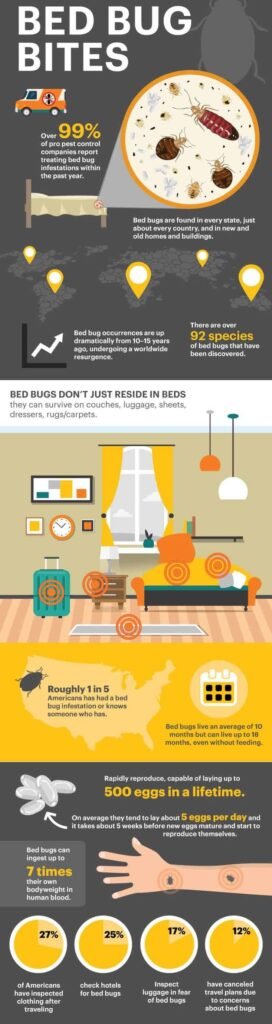
Bed bugs have a remarkable ability to reproduce rapidly and establish large infestations in a short period. A single female bed bug can lay hundreds of eggs throughout her lifetime, with each egg capable of developing into a new infestation. This rapid reproduction makes it challenging to eliminate bed bugs entirely without proper intervention.
Ability to hide in small cracks and crevices
Bed bugs are experts at hiding in tiny cracks and crevices, making it difficult to detect and eliminate them. They can squeeze into spaces as thin as a credit card, seeking refuge in mattress seams, furniture joints, electrical outlets, and even behind wallpaper. These hidden harborages offer protection for bed bugs, making it harder to locate and eradicate them.
Resilience and resistance to many pesticides
Bed bugs have developed resistance to many common pesticides, making eradication efforts more challenging. These resilient pests can survive exposure to various chemical treatments, rendering some traditional pest control methods ineffective. It is crucial to use targeted and well-researched pesticides to combat bed bug infestations successfully.
Ability to survive without feeding for months
Bed bugs have the remarkable ability to survive for extended periods without feeding. They can go several months without a blood meal, which allows them to stay hidden and wait for an opportune time to emerge and feed. This survival mechanism makes it difficult to starve out bed bugs as a control method.
Nomadic tendencies and ease of spreading
Bed bugs are excellent hitchhikers and can easily be transported from one place to another. They can attach themselves to clothing, luggage, or personal belongings, moving from infested areas to new locations. This mobility and ease of spreading make it challenging to prevent bed bug introductions and eliminate established infestations.
Precautions for Effective Bed Bug Control
While dealing with bed bug infestations can be challenging, taking the following precautions can improve the effectiveness of your control efforts:
Early detection and immediate action
Early detection is crucial in preventing bed bug infestations from spreading. Regularly inspect your living spaces for signs of infestation, including the presence of live bed bugs, shed skins, or dark spots on bedding. If you suspect an infestation, take immediate action to prevent further spreading and contact professional pest control services.
Hiring professional pest control services
When faced with a severe or persistent infestation, it is highly recommended to seek professional assistance. Professional pest control companies have the expertise, tools, and knowledge necessary to effectively treat bed bug infestations. They can employ various methods and techniques to eliminate bed bugs and provide long-lasting relief.
Using a combination of treatment methods
Combining multiple treatment methods can enhance the efficacy of bed bug control. A comprehensive approach may include chemical treatments, heat treatments, vacuuming, steam cleaning, and the use of bed bug-proof encasements. Consult with professionals to determine the most suitable combination of treatment methods for your specific situation.
Applying targeted pesticides
Applying targeted pesticides is an essential part of bed bug control. However, it is crucial to use appropriate pesticides that are specifically designed for bed bug eradication. Consult with professionals or follow the product labels carefully to ensure safe and effective application.
Properly preparing the infested area for treatment
Before undergoing professional treatment or implementing DIY control methods, proper preparation of the infested area is essential. This may include decluttering, removing personal items, laundering bedding and clothing on high heat, and vacuuming thoroughly. Follow the instructions provided by professionals or treatment product labels to ensure optimal results.
Regular monitoring and follow-up treatments
Regular monitoring is essential to ensure that bed bug infestations are completely eradicated. After treatment, continue inspecting your living spaces for any signs of re-infestation, such as new bites or bed bug activity. If necessary, schedule follow-up treatments to address any persistent infestations and prevent re-establishment.
Ensuring proper ventilation during treatment
When undergoing professional chemical treatments or using DIY products, ensure proper ventilation to minimize exposure to chemicals. Open windows and use fans to increase airflow during treatments. Follow any safety precautions recommended by professionals or product manufacturers to protect yourself and others.

Health Risks Associated with Bed Bug Bites
While bed bug bites are generally considered a nuisance, they can also have various health risks. Understanding these risks can help you take proper precautions and seek appropriate medical attention when needed. Here are some potential health risks associated with bed bug bites:
Allergic reactions
Some individuals may have an allergic reaction to bed bug bites. These reactions can vary in severity and may include symptoms such as itching, swelling, redness, and blisters. In rare cases, severe allergic reactions, known as anaphylaxis, can occur and require immediate medical attention.
Secondary skin infections
Scratching bed bug bites excessively can break the skin and introduce bacteria, leading to secondary skin infections. Bacterial infections can range from mild to severe and may require medical treatment, including antibiotics.
Mental health impacts
Dealing with bed bug infestations and the resulting bites can have a significant impact on mental health. The stress, anxiety, and sleep disturbances caused by these pests can affect overall well-being. It is important to seek support and professional help if needed.
Sleep disturbances
Bed bug bites can cause significant discomfort, leading to sleep disturbances. Itching and the fear of further bites can make it difficult to get a good night’s sleep, potentially resulting in daytime fatigue and decreased productivity.
Anemia in severe cases
Although rare, severe bed bug infestations, especially in vulnerable individuals such as infants or the elderly, can lead to anemia. Anemia occurs when the body lacks sufficient healthy red blood cells, often caused by constant blood loss from bed bug feeding.
Precautions for Treating Bed Bug Bites
If you are unfortunate enough to experience bed bug bites, it’s crucial to take proper precautions for effective treatment and prevent complications. Here are some precautions to consider:
Avoid scratching to prevent infections
While bed bug bites can be itchy, scratching them excessively can lead to skin breakdown and increase the risk of secondary infections. Use gentle measures, such as applying cold compresses or antihistamine creams, to relieve itchiness instead of scratching.
Cleaning the affected area with soap and water
Clean the affected area with mild soap and water to minimize the risk of infection. Gently wash the bitten area and pat it dry with a clean towel. Avoid using harsh or irritating substances that may aggravate the skin.
Applying over-the-counter creams or ointments
Over-the-counter creams or ointments containing ingredients like hydrocortisone or calamine can provide relief from itching and soothe the skin. Follow the product instructions and use them as directed.
Using antihistamines or corticosteroids for itching and inflammation
Oral antihistamines or corticosteroids can be taken to reduce itching, inflammation, and allergic reactions caused by bed bug bites. However, it is essential to consult with a healthcare professional or pharmacist before using these medications, especially if you have any underlying medical conditions.
Seeking medical attention for severe reactions or complications
If you experience severe allergic reactions, persistent swelling, or signs of infection such as increasing pain, redness, or oozing from the bites, it is crucial to seek medical attention promptly. A healthcare professional can provide appropriate treatment and advice based on your specific condition.

Effectiveness and Safety of Home Remedies
When dealing with bed bug infestations or bites, it’s important to evaluate the effectiveness and safety of home remedies. While some home remedies may provide temporary relief, they are generally not sufficient to eliminate bed bugs entirely. It is best to consult with a professional pest control service for effective and safe treatment options. Here are some considerations regarding home remedies:
Lack of scientific evidence
Many home remedies lack scientific evidence to support their effectiveness in treating bed bug infestations. While some may show short-term benefits, they often fail to address the root of the problem, allowing infestations to persist.
Limited success in eradicating bed bugs
Bed bugs are resilient pests that require targeted and comprehensive control measures for eradication. Home remedies alone rarely achieve complete eradication. They may temporarily reduce the number of bed bugs or provide symptom relief, but the infestation is likely to return if not properly addressed.
Potential health risks and toxicities
Some home remedies involve the use of chemicals or substances that may pose health risks or toxicities. Without proper knowledge and expertise, there is a potential risk of misusing or exposing yourself to hazardous substances. It’s essential to prioritize safety and consult with professionals when dealing with bed bug infestations.
Professional Assistance for Bed Bug Control
When dealing with stubborn bed bug infestations or seeking effective prevention strategies, professional assistance can make a significant difference. Here are some factors to consider regarding professional pest control services:
When to seek professional help
If you have attempted DIY control methods without success or are dealing with a severe infestation, it is time to seek professional help. Professional pest control companies have the necessary knowledge, experience, and resources to effectively eliminate bed bug infestations.
Choosing a reputable pest control company
When selecting a pest control company, it’s important to choose a reputable and experienced one. Look for companies with a good track record, positive customer reviews, and certifications. Consider obtaining multiple quotes and asking about the specific methods and treatments they use.
Understanding treatment options and costs
Consulting with professionals allows you to gain insight into the range of treatment options available for your situation. They can provide advice on the most suitable methods and discuss the associated costs. Understanding the treatment options and costs helps you make informed decisions.
Preparing for professional inspections and treatments
Before the arrival of pest control professionals, it’s essential to prepare your living space accordingly. Follow the instructions provided by the professionals regarding decluttering, removing personal items, and any other necessary preparations. Proper preparation ensures optimal treatment effectiveness.
Following post-treatment recommendations
After professional treatment, it’s crucial to follow any post-treatment recommendations provided by the professionals. This may include measures such as regular monitoring, further cleaning, or follow-up treatments. Adhering to these recommendations maximizes the chances of successful control and prevents re-infestations.
In conclusion, understanding the risk factors and taking necessary precautions can help you avoid bed bug bites and prevent infestations. It is imperative to inspect hotel rooms, thoroughly examine used furniture, and maintain a clean living environment. Equally important is being aware of the challenges associated with controlling bed bugs and seeking professional assistance when needed. By following these comprehensive precautions and considering professional help, you can minimize the risks associated with bed bug infestations and effectively manage this common nuisance.