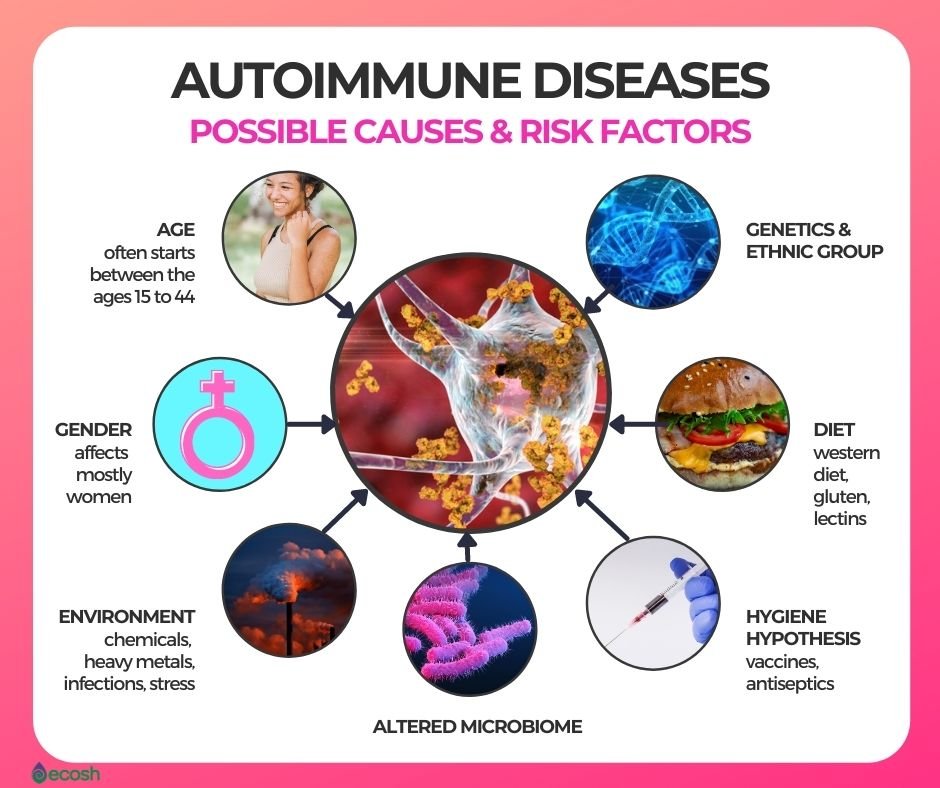
Hey there! Have you ever wondered what factors can put your immune system at risk? In this article, we’ll be exploring the various risk factors associated with immune system disorders and discussing the precautions you can take to keep your immune system in tip-top shape. So, if you’re interested in learning how to safeguard your immune system and stay healthy, keep reading!

Risk Factors for Immune System Disorders
When it comes to immune system disorders, there are various factors that can contribute to their development. Understanding these risk factors can help you take the necessary precautions and make informed decisions about your health. In this article, we will explore the different risk factors associated with immune system disorders and discuss how you can mitigate their impact.
Genetic Factors
One of the primary risk factors for immune system disorders is genetic predisposition. Family history plays a crucial role in determining your susceptibility to certain conditions. If you have close relatives who have been diagnosed with immune system disorders, you may have a higher likelihood of developing them as well. Additionally, specific genes have been identified that increase the risk of certain disorders. Genetic testing can provide valuable insights into your risk profile and allow for early intervention if necessary.
Environmental Factors
Apart from genetics, environmental factors can also contribute to the development of immune system disorders. Exposure to allergens, such as pollen, dust mites, or pet dander, can trigger allergic reactions and potentially lead to chronic conditions. Toxin exposure from substances like pesticides or industrial chemicals can also have a negative impact on immune function. Moreover, living in areas with high pollution levels or being exposed to radiation can further compromise your immune system.
Age
Age plays a significant role in the risk of developing immune system disorders. Infancy and early childhood are particularly critical periods as the immune system is still developing. Children are more susceptible to infections and allergies during this time, which can potentially lead to the development of chronic conditions later in life. On the other end of the spectrum, older age is also associated with an increased risk of immune system disorders. As we age, our immune system naturally weakens, making us more vulnerable to infections and other immune-related complications.
Gender
Interestingly, gender can also influence the risk of immune system disorders. Women are generally more likely to develop autoimmune disorders compared to men. The reasons behind this disparity are not yet fully understood, but researchers suggest that hormonal differences and genetic factors may contribute to the higher prevalence in females. It is important for women to be aware of this increased risk and take the necessary precautions to maintain a healthy immune system.
Smoking and Substance Abuse
Unhealthy lifestyle choices, such as smoking and substance abuse, can have a detrimental effect on the immune system. Cigarette smoking, in particular, damages the immune system’s ability to fight off infections and increases the risk of developing autoimmune disorders. Alcohol and drug abuse also weaken the immune system, making individuals more susceptible to infections and other immune-related complications. Quitting smoking and avoiding substance abuse are crucial steps in maintaining a strong and healthy immune system.
Chronic Stress
Chronic stress is another significant risk factor for immune system disorders. Prolonged psychological stress can suppress immune function, making you more susceptible to infections and inflammatory conditions. Physical stress, such as chronic illness or undergoing major surgeries, can also weaken the immune system. It is important to manage stress through healthy coping mechanisms like exercise, meditation, and seeking support from friends, family, or professionals to reduce the impact on your immune health.
Autoimmune Disorders
Autoimmune disorders occur when the immune system mistakenly attacks healthy tissues in the body. Several conditions fall under this category, including rheumatoid arthritis, lupus, and type 1 diabetes. These disorders have a complex interplay between genetic and environmental factors. If you have a family history of autoimmune disorders or have been exposed to certain triggers, it is essential to monitor your symptoms closely and seek medical advice early on. Timely treatment and management can help minimize the impact of these disorders on your overall health.
Viral Infections
Certain viral infections can also increase the risk of immune system disorders. HIV/AIDS, for instance, specifically targets and weakens the immune system, leaving individuals more susceptible to other infections. Epstein-Barr virus (EBV) and cytomegalovirus (CMV) are other viral infections associated with immune-related complications. It is crucial to take necessary precautions to prevent the spread of these infections, especially if you have a weakened immune system or are at higher risk due to other factors.
Malnutrition
A balanced and nutritious diet is essential for maintaining a healthy immune system. However, malnutrition can significantly impact immune function. Deficiencies in essential nutrients, such as vitamins (particularly vitamin D and vitamin C), minerals, and proteins, can weaken the immune response, making you more susceptible to infections and other immune system disorders. It is important to prioritize a nutrient-rich diet and consider supplementation if necessary to ensure optimal immune health.
Excessive Inflammation
Inflammation is a natural response of the immune system to protect the body from infections and injuries. However, excessive inflammation can be harmful and contribute to the development of immune system disorders. Chronic inflammation can occur due to various reasons, including autoimmune disorders, infections, or exposure to environmental toxins. Reducing inflammation through lifestyle modifications, such as eating an anti-inflammatory diet, exercising regularly, and managing stress, can help lower the risk of immune-related complications.

Seek Medical Advice
While it is important to be aware of the risk factors for immune system disorders, it is equally crucial to prioritize your health by seeking medical advice. Consulting a healthcare professional allows for proper evaluation of your individual risk profile and the development of a personalized prevention and management plan. Regular check-ups, open discussions about your symptoms and concerns, and adherence to recommended screenings and treatment plans are essential in protecting and supporting your immune system health.
In conclusion, understanding the risk factors associated with immune system disorders is essential for taking proactive steps towards maintaining a healthy immune system. Genetic predisposition, environmental factors, age, gender, unhealthy lifestyle choices, chronic stress, autoimmune disorders, viral infections, malnutrition, and excessive inflammation all play a role in shaping immune health. By identifying these factors and adopting appropriate precautions, you can mitigate the impact of these risks and safeguard your immune system for optimal overall health. Remember to consult a healthcare professional for personalized advice and guidance tailored to your specific needs.