
Are you concerned about your heart health? This article will provide you with valuable information on the risk factors for heart attack, as well as the precautions you can take to prevent it. By understanding the factors that contribute to heart attack and implementing preventative measures, you can significantly reduce your risk and ensure a healthier future. Stay informed and take control of your heart health today.
Risk Factors for Heart Attack
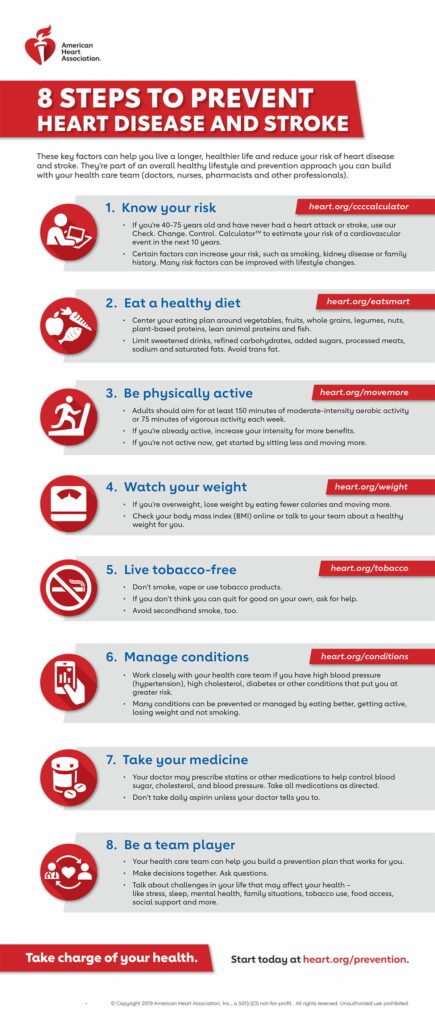
A heart attack, also known as a myocardial infarction, occurs when blood flow to the heart muscle is severely reduced or blocked. While heart attacks can happen suddenly, they are often the result of a combination of risk factors that have been present over time. By understanding these risk factors, you can take proactive steps to reduce your chances of experiencing a heart attack. Here are some common risk factors to be aware of:
Age
As you age, your risk of having a heart attack increases. Most heart attacks occur in individuals who are 65 years or older. This is partly due to the fact that as you age, the arteries that supply blood to the heart tend to narrow and become less flexible, making them more prone to blockages.
Gender
Gender also plays a role in heart attack risk. Men are generally at a higher risk of heart attack compared to women, especially at younger ages. However, after menopause, a woman’s risk of heart attack increases significantly and might equal that of men.
Family History
If you have a family history of heart disease, your risk of having a heart attack is higher. This is because certain genetic factors can make you more susceptible to developing cardiovascular problems. It’s important to be aware of any family history of heart disease and share this information with your healthcare provider.
High Blood Pressure
High blood pressure, also known as hypertension, is a leading risk factor for heart attack. When your blood pressure is consistently elevated, it puts additional strain on your heart and blood vessels, increasing the likelihood of a heart attack.
High Cholesterol Levels
Having high cholesterol levels can contribute to the formation of plaque deposits in the arteries, leading to atherosclerosis and increasing your risk of heart attack. Cholesterol is a fatty substance that can build up and narrow the arteries, limiting blood flow to the heart.
Smoking
Smoking is a major risk factor for heart attacks. The chemicals in tobacco smoke can damage the heart and blood vessels, leading to the development of atherosclerosis. Additionally, smoking reduces oxygen levels in the blood, making the heart work harder to pump blood.
Obesity
Being overweight or obese increases your risk of heart attack. Excess weight puts stress on the heart and can contribute to the development of other risk factors such as high blood pressure, high cholesterol, and diabetes.
Diabetes
Diabetes is a chronic condition characterized by high blood sugar levels. It significantly increases the risk of heart attack due to its impact on blood vessels and the heart. Uncontrolled diabetes can damage the blood vessels and increase the likelihood of plaque buildup and blood clots.
Physical Inactivity
Leading a sedentary lifestyle without regular physical activity can contribute to heart attack risk. When you don’t engage in regular exercise, your heart and blood vessels may become weaker and less efficient in pumping blood, increasing your chances of experiencing a heart attack.
Stress
Chronic stress can have negative effects on your heart health. Elevated stress levels can increase blood pressure and lead to unhealthy coping mechanisms such as overeating, excessive alcohol consumption, or smoking, all of which can increase heart attack risk.
Precautions to Reduce the Risk of Heart Attack
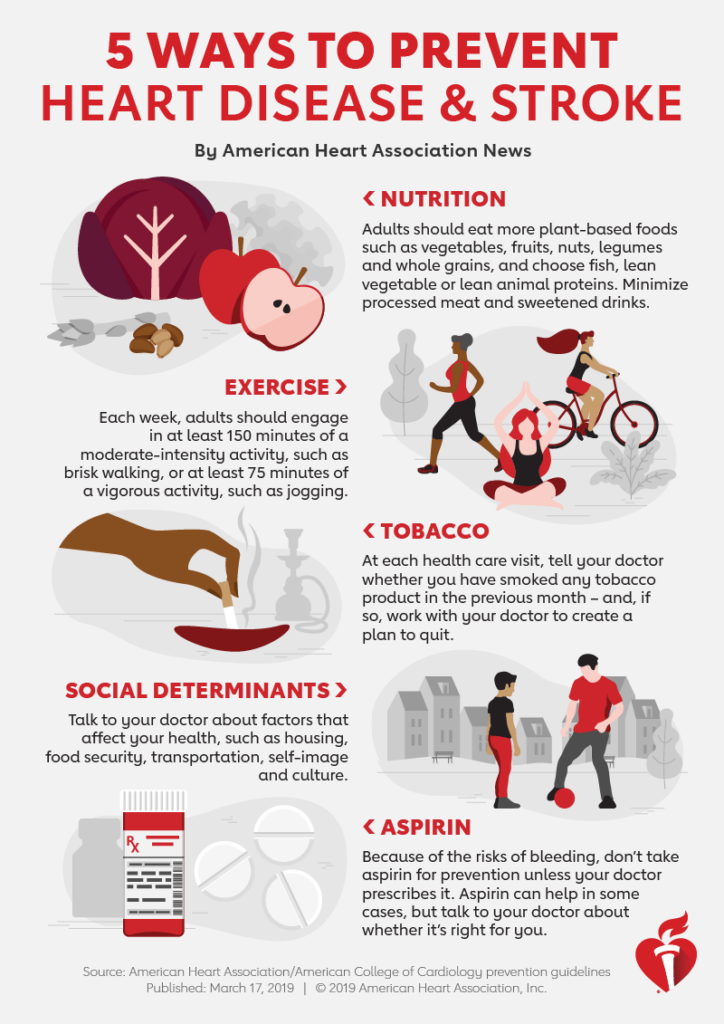
While you cannot change certain risk factors such as age or family history, there are several precautions you can take to reduce your risk of a heart attack. By incorporating these measures into your lifestyle, you can promote heart health and improve your overall well-being:
Maintain a Healthy Diet
Eating a balanced diet that includes plenty of fruits, vegetables, whole grains, lean proteins, and healthy fats can help lower your risk of heart attack. Avoid foods that are high in saturated and trans fats, sodium, and added sugars. Opt for heart-healthy options such as fish, nuts, olive oil, and foods rich in fiber.
Exercise Regularly
Engaging in regular physical activity is crucial for maintaining heart health and preventing heart attacks. Aim for at least 150 minutes of moderate-intensity aerobic exercise or 75 minutes of vigorous-intensity exercise every week. Consult with your healthcare provider before starting any exercise program.
Quit Smoking
If you smoke, quitting is one of the most important steps you can take to protect your heart. Seek assistance from healthcare professionals or support groups to help you quit smoking and make lasting lifestyle changes. After quitting, your heart attack risk decreases over time.
Control Blood Pressure
Monitoring and managing your blood pressure is key to reducing the risk of heart attack. Follow a heart-healthy diet, limit sodium intake, exercise regularly, and take prescribed medications as directed by your healthcare provider to maintain healthy blood pressure levels.
Manage Cholesterol Levels
Work with your healthcare provider to keep your cholesterol levels in check. A combination of a healthy diet, regular exercise, and prescribed medications if necessary can help lower high cholesterol and reduce the risk of developing atherosclerosis.
Maintain a Healthy Weight
If you are overweight or obese, losing weight can significantly reduce your heart attack risk. Focus on creating a calorie deficit through a combination of healthy eating and regular physical activity. Consult with a registered dietitian or healthcare provider for personalized guidance.
Control Diabetes
Effectively managing diabetes is crucial for minimizing the risk of heart attack. Follow your healthcare provider’s recommendations for medication, monitor blood sugar levels, eat a balanced diet, engage in regular exercise, and maintain a healthy weight to keep diabetes under control.
Reduce Stress Levels
Finding healthy ways to manage stress is important for heart health. Engage in stress-reducing activities such as exercise, meditation, deep breathing exercises, spending time with loved ones, and engaging in hobbies that bring you joy. Prioritize self-care and make time for activities that help you unwind.
Limit Alcohol Intake
Excessive alcohol consumption can increase your risk of heart attack and other cardiovascular problems. If you drink alcohol, do so in moderation. Limit your intake to one drink per day for women and up to two drinks per day for men.
Get Enough Sleep
Adequate sleep plays a vital role in maintaining heart health. Aim for 7-9 hours of quality sleep each night. Poor sleep or sleep deprivation can contribute to high blood pressure, obesity, and other heart disease risk factors.
It’s important to remember that everyone is unique, and your individual risk factors may vary. Consult with your healthcare provider for personalized guidance on reducing your risk of heart attack based on your specific circumstances. By taking these precautions and prioritizing heart-healthy habits, you can greatly reduce your chances of experiencing a heart attack and enjoy a healthier life.
