
Hyperthyroidism, a condition where the thyroid gland produces excessive amounts of thyroid hormone, can have a significant impact on your overall health and well-being. In this article, we will explore the key risk factors associated with hyperthyroidism and discuss important precautions that you can take to minimize your chances of developing this condition. By understanding these factors and implementing the necessary precautions, you can take control of your thyroid health and ensure a better quality of life. So, let’s dive in and learn more about the risk factors and precautions for hyperthyroidism.

Risk Factors for Hyperthyroidism
Family History
Having a family history of hyperthyroidism can increase your risk of developing the condition. If one or more of your close relatives, such as your parents or siblings, have been diagnosed with hyperthyroidism, there is a greater likelihood that you may also develop it. This is because certain gene mutations can be passed down through generations, making some individuals more susceptible to thyroid dysfunction.
Autoimmune Diseases
Autoimmune diseases, such as Graves’ disease and Hashimoto’s thyroiditis, are known to be risk factors for hyperthyroidism. In these conditions, the immune system mistakenly attacks the thyroid gland, leading to either an overactive or underactive thyroid. If you have been diagnosed with an autoimmune disease, it is important to monitor your thyroid function regularly and seek appropriate treatment to prevent or manage hyperthyroidism.
Gender and Age
Both gender and age can play a role in determining your risk for hyperthyroidism. Women are more likely to develop hyperthyroidism than men, with the condition being most common in women aged 20 to 40 years. Additionally, older individuals are more susceptible to thyroid disorders, including hyperthyroidism. It is important to be aware of these demographic factors and take necessary precautions to maintain optimal thyroid health.
Iodine Levels
Iodine is an essential mineral that the body needs to produce thyroid hormones. While iodine deficiency is a known cause of hypothyroidism, excessive iodine intake can also lead to hyperthyroidism. It is important to strike a balance and ensure that your iodine levels are within the recommended range. If you live in an area with iodine-deficient soil or consume large amounts of iodine-rich foods or supplements, it is advisable to consult with a healthcare professional to determine the appropriate iodine intake for you.
Emotional Stress
Emotional stress can have a significant impact on your thyroid health. When you experience chronic or severe stress, it can disrupt the delicate balance of hormones in your body, including the thyroid hormones. This disruption can potentially trigger or exacerbate hyperthyroidism. To prevent this, it is crucial to prioritize stress management techniques such as relaxation exercises, mindfulness, and seeking emotional support when needed.
Smoking
Smoking is not only detrimental to your respiratory health but also increases the risk of developing hyperthyroidism. Research suggests that smoking may alter the immune system’s response, leading to an increased likelihood of autoimmune thyroid diseases. Quitting smoking is highly recommended to reduce the risk of developing hyperthyroidism and to promote overall health and well-being.
Pregnancy
Pregnancy can also be a risk factor for hyperthyroidism, particularly during the first trimester. An overactive thyroid during pregnancy, known as gestational hyperthyroidism, can have adverse effects on both the mother and the developing fetus. It is essential for pregnant women to receive regular prenatal care that includes monitoring thyroid function. Early detection and appropriate management can help prevent complications associated with hyperthyroidism during pregnancy.
Certain Medications
Some medications, such as amiodarone (used for heart arrhythmias) and interleukin-2 (used for certain types of cancer), have been associated with an increased risk of developing hyperthyroidism. If you are prescribed any medications, it is essential to discuss potential side effects with your healthcare provider and be vigilant about monitoring your thyroid function while taking these medications.
Infections
Certain infections, such as viral or bacterial infections, can trigger or contribute to the development of hyperthyroidism. Infections affecting the thyroid gland can cause inflammation and disruption of thyroid hormone production, leading to hyperthyroidism. Maintaining good hygiene practices, getting vaccinated as recommended, and promptly treating infections can help reduce the risk of thyroid-related complications.
Radiation Exposure
Exposure to certain types of radiation, such as radiation therapy for the head and neck area or nuclear accidents, can increase the risk of developing hyperthyroidism. It is important to be aware of potential sources of radiation exposure and take necessary precautions to minimize the risk. If you have undergone radiation therapy, regular thyroid check-ups and close monitoring of thyroid function are crucial to detect any abnormalities early on.
Precautions to Prevent Hyperthyroidism
Regular Thyroid Check-ups
Regular thyroid check-ups are essential for early detection and prevention of hyperthyroidism. Routine blood tests, including measurement of thyroid hormone levels, can help identify any abnormalities in thyroid function. By monitoring your thyroid function regularly, you can address any issues promptly and take necessary precautions to prevent the progression of hyperthyroidism.
Maintaining a Healthy Diet
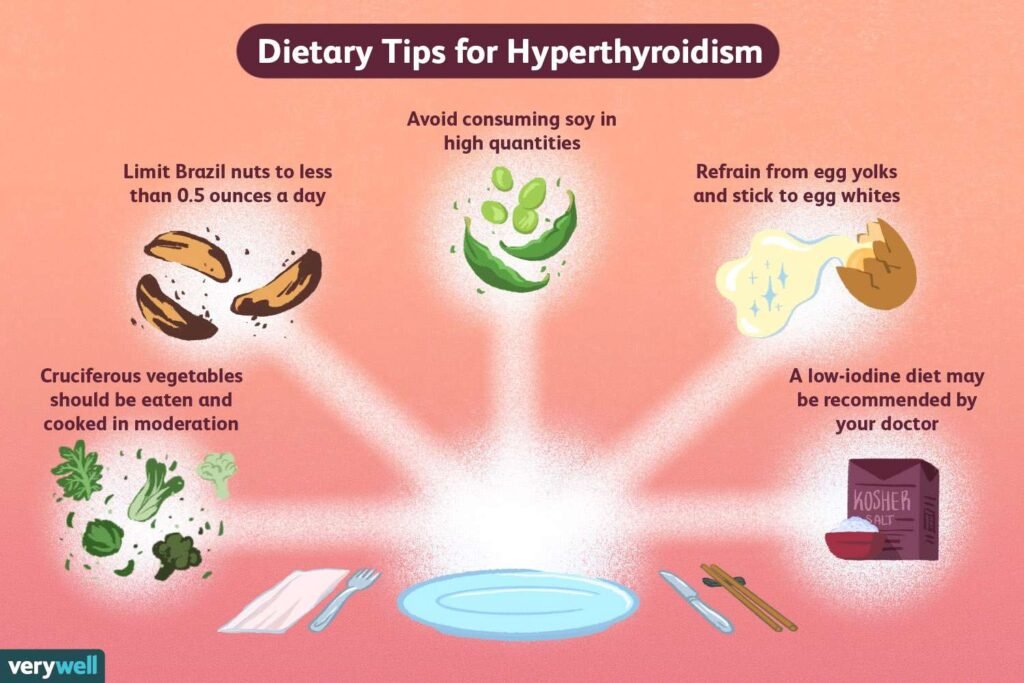
A healthy diet plays a crucial role in maintaining optimal thyroid function. It is important to include a variety of nutritious foods that provide essential vitamins, minerals, and antioxidants. Foods rich in iodine, such as seafood and iodized salt, should be consumed in moderation to avoid excessive intake. Additionally, incorporating selenium-rich foods, such as Brazil nuts and spinach, can support thyroid health. Remember to consult with a healthcare professional or a registered dietitian to personalize your diet according to your specific needs and health conditions.
Avoiding Iodine Deficiency
Iodine deficiency can lead to thyroid disorders, including hyperthyroidism. To prevent iodine deficiency, it is important to ensure an adequate intake of iodine through diet or supplementation. Some natural sources of iodine include seaweed, dairy products, and eggs. However, excessive iodine intake should be avoided to prevent the risk of hyperthyroidism. Consulting with a healthcare professional can help determine the appropriate iodine intake for you based on your individual circumstances.
Stress Management
Managing stress effectively is crucial for maintaining optimal thyroid health. Chronic stress can disrupt the production and regulation of thyroid hormones, potentially leading to hyperthyroidism. Engaging in stress-reducing activities such as exercise, meditation, deep breathing exercises, and hobbies can help alleviate stress. It is important to prioritize self-care and develop healthy coping mechanisms to avoid the negative impact of stress on your thyroid function.
Smoking Cessation
If you are a smoker, quitting smoking is paramount for your overall health and for preventing hyperthyroidism. Smoking not only increases the risk of autoimmune thyroid diseases but also worsens the symptoms and progression of existing thyroid disorders. There are various resources available, such as counseling programs and nicotine replacement therapies, to assist you in quitting smoking. Taking the necessary steps to quit smoking can significantly reduce your risk of developing hyperthyroidism and improve your overall well-being.
Using Medications with Caution
Certain medications have the potential to affect thyroid function and increase the risk of hyperthyroidism. If you are prescribed any medications, it is crucial to discuss potential side effects with your healthcare provider. They can help you understand the risks and benefits of the medications and monitor your thyroid function regularly. It is important to inform all healthcare providers about your thyroid health and medications you are currently taking to ensure your thyroid is closely monitored and managed appropriately.
Proper Thyroid Function during Pregnancy
Pregnant women should receive regular prenatal care that includes monitoring thyroid function to prevent complications associated with hyperthyroidism. It is essential to inform your healthcare provider about any pre-existing thyroid conditions or family history of thyroid disorders. Close monitoring during pregnancy can help detect any abnormalities early on and facilitate timely intervention to ensure the proper functioning of the thyroid gland for both the mother and the developing fetus.
Prevention of Infections
Taking precautions to prevent infections can reduce the risk of developing hyperthyroidism. Practicing good hygiene, such as frequent handwashing, getting vaccinated as recommended, and avoiding close contact with individuals who have contagious infections, can significantly decrease the likelihood of infections affecting the thyroid gland. Promptly seeking medical attention and adhering to appropriate treatment strategies when infections do occur can minimize the impact on thyroid health.
Avoiding Radiation Exposure
Minimizing exposure to radiation is important for preventing the development of hyperthyroidism. If you have undergone radiation therapy in the past or have been exposed to radiation due to occupational, accidental, or environmental reasons, it is crucial to closely monitor your thyroid function. Regular thyroid check-ups and maintaining open communication with your healthcare provider can help detect any radiation-related thyroid abnormalities early on and facilitate appropriate management.
Awareness of Symptoms and Early Treatment
Being aware of the common symptoms of hyperthyroidism and seeking early treatment can prevent complications and minimize the impact of the condition. Symptoms such as unexplained weight loss, increased heart rate, trembling hands, excessive sweating, irritability, and difficulty sleeping should not be ignored. If you notice any of these symptoms, it is important to consult with a healthcare professional for a thorough evaluation and appropriate treatment recommendations. Early intervention can help manage hyperthyroidism effectively and improve the overall quality of life.
By understanding the risk factors and taking necessary precautions, you can reduce the likelihood of developing hyperthyroidism or manage the condition effectively if diagnosed. Remember to prioritize regular thyroid check-ups, maintain a healthy lifestyle, manage stress, quit smoking, and seek prompt medical attention for any concerns. Taking proactive steps towards maintaining optimal thyroid health will contribute to your overall well-being and longevity.
