Hemorrhoids, a common ailment that affects many individuals, can be a source of discomfort and pain. This article aims to provide you with essential information about the risk factors associated with hemorrhoids and the precautions you can take to prevent their occurrence or alleviate the symptoms. By understanding these factors and implementing the necessary precautions, you can potentially reduce the likelihood of experiencing the unpleasant effects of hemorrhoids.
Risk Factors for Hemorrhoids
Age
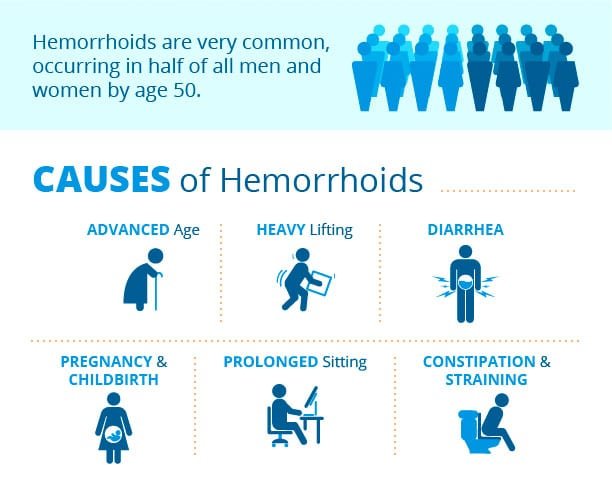
As you age, your risk of developing hemorrhoids increases. This is especially true for individuals over the age of 50. As you grow older, the connective tissues in your body may weaken, including those in the rectal area. This weakening can make the veins more prone to swelling and developing hemorrhoids.
Pregnancy
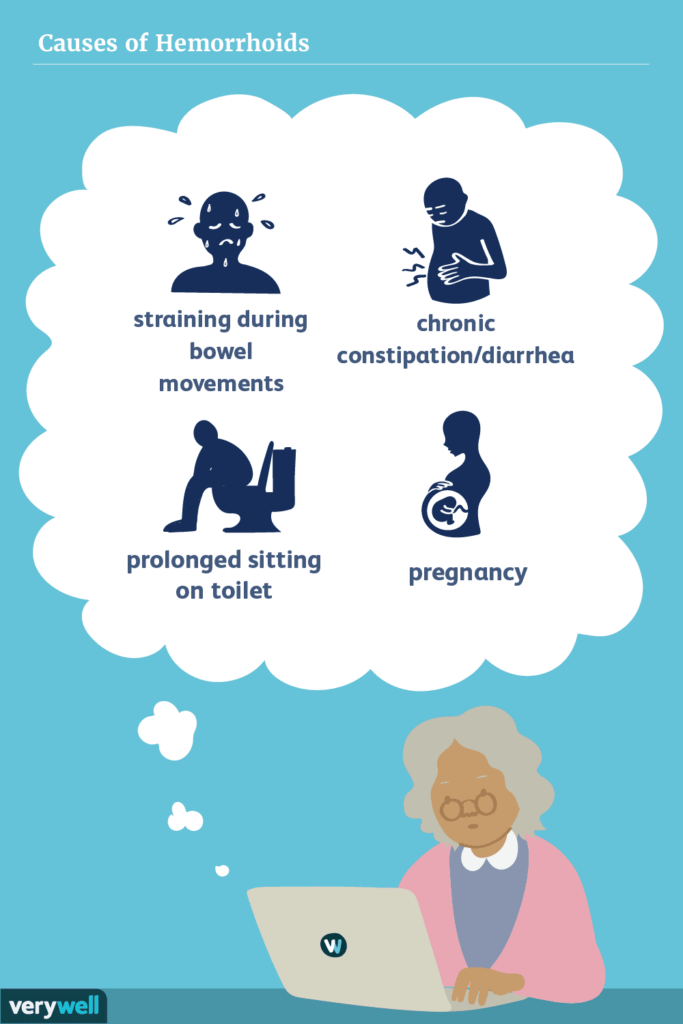
If you’re pregnant or have recently given birth, you may be at a higher risk of developing hemorrhoids. Pregnancy puts increased pressure on the veins in the rectal area, making them more likely to become swollen and painful. Additionally, hormonal changes during pregnancy can affect the blood vessels, making them more susceptible to hemorrhoidal issues. The act of straining during labor can also contribute to the development of hemorrhoids.
Chronic constipation
Chronic constipation can be a risk factor for hemorrhoids. Straining during bowel movements, particularly when stools are hard and difficult to pass, can put excessive pressure on the veins in the rectal area. Weak or infrequent bowel movements can also contribute to the development of hemorrhoids. It is important to address and manage chronic constipation to reduce the risk of hemorrhoidal issues.
Chronic diarrhea
On the other hand, chronic diarrhea can also contribute to the development of hemorrhoids. Frequent loose stools and increased bowel movements can irritate and inflame the rectal area, making it more prone to hemorrhoidal issues. It is crucial to manage chronic diarrhea to minimize the risk of developing or worsening hemorrhoids.
Obesity
Carrying excess body weight can put increased pressure on the veins in the rectal area, increasing the risk of developing hemorrhoids. Maintaining a healthy body weight is important not just for overall health, but also for reducing the risk of hemorrhoidal problems. Proper diet and regular exercise can help manage weight and decrease the likelihood of developing hemorrhoids.
Sitting for long periods
If you spend a significant amount of time sitting, especially in one position, you may be at a higher risk of developing hemorrhoids. Prolonged sitting can lead to increased pressure in the rectal area, reducing blood flow to the region. This increased pressure and reduced blood flow can contribute to the development of hemorrhoids. Taking regular breaks from sitting and engaging in physical activity can help alleviate the risk of hemorrhoids caused by prolonged sitting.
Heavy lifting
Engaging in heavy lifting regularly can strain both the abdominal and rectal areas, increasing pressure on the veins. This increased pressure can lead to the development or worsening of hemorrhoids. If you frequently lift heavy objects, it is important to be mindful of your body and take precautions to avoid excessive straining. Using proper lifting techniques and seeking assistance when needed can help reduce the risk of hemorrhoidal issues.
Genetics
Your genetic makeup can also play a role in determining the risk of developing hemorrhoids. If your family has a history of hemorrhoids, you may be more prone to developing them as well. While you can’t change your genetics, being aware of your family history can help you take proactive steps to reduce your risk, such as adopting a healthy lifestyle and practicing good preventive measures.
Poor diet
A poor diet lacking in fiber can increase the risk of developing hemorrhoids. Fiber is essential for maintaining regular bowel movements and preventing constipation. When you don’t consume enough fiber, your stools may become hard and difficult to pass, leading to straining and increased pressure on the rectal veins. To reduce the risk of hemorrhoids, it is important to maintain a high-fiber diet with plenty of fruits, vegetables, whole grains, and legumes.
Lack of exercise
Regular physical activity is crucial for maintaining overall health, including the health of your digestive system. A lack of exercise can contribute to chronic constipation, which is a known risk factor for hemorrhoids. When you lead a sedentary lifestyle, your bowels may become sluggish, making it harder to have regular bowel movements. Incorporating exercise into your daily routine can help promote healthy bowel function and decrease the likelihood of hemorrhoidal issues.
Precautions for Hemorrhoids
Maintain a high-fiber diet
To reduce the risk of hemorrhoids or manage existing ones, it is important to maintain a high-fiber diet. Fiber helps soften the stool and promotes regular bowel movements, preventing constipation and the need for straining. Include plenty of fruits, vegetables, whole grains, and legumes in your diet to ensure an adequate intake of fiber.
Stay hydrated
Proper hydration is essential for preventing constipation and maintaining healthy bowel movements. When you’re dehydrated, your stools can become harder and more difficult to pass, increasing the risk of straining. Make sure to drink enough water throughout the day to keep your body well hydrated and support healthy digestion.
Avoid straining during bowel movements
When you strain during bowel movements, you put excessive pressure on the rectal veins, increasing the risk of hemorrhoids. To avoid straining, it is important to address any underlying digestive issues, such as constipation or diarrhea. Eating a high-fiber diet, drinking plenty of water, and taking the time to relax and allow natural bowel movements can help prevent the need for straining.
Take regular breaks from sitting
If your lifestyle involves sitting for extended periods, it is crucial to take regular breaks and move around. Prolonged sitting can lead to increased pressure in the rectal area, contributing to the development of hemorrhoids. Get up from your chair and stretch or walk around every hour or so to alleviate the pressure and improve blood flow to the region.
Stay physically active
Engaging in regular physical activity is important for overall health and can help reduce the risk of hemorrhoids. Exercise promotes healthy bowel function and prevents constipation. Whether it’s a brisk walk, jogging, swimming, or any other form of exercise you enjoy, aim for at least 30 minutes of moderate activity most days of the week.
Manage body weight
Maintaining a healthy body weight is essential for reducing the risk of hemorrhoids. Excess body weight puts increased pressure on the veins in the rectal area, making them more susceptible to swelling and developing hemorrhoids. If you are overweight or obese, adopting a balanced diet and incorporating regular exercise can help you manage your weight and decrease the likelihood of hemorrhoidal issues.
Do not delay or ignore the urge to defecate
When you feel the urge to defecate, it is important not to ignore or delay it. Holding in stool for an extended period can result in the stool becoming harder and more difficult to pass, leading to straining and an increased risk of hemorrhoids. Pay attention to your body’s signals and respond promptly to the urge to defecate.
Avoid heavy lifting
If you frequently engage in heavy lifting, take precautions to avoid excessive strain. Heavy lifting can put increased pressure on the abdominal and rectal areas, increasing the risk of hemorrhoids. Use proper lifting techniques, ask for assistance when needed, and be mindful of your body’s limitations and warning signs.
Practice good anal hygiene
Maintaining good anal hygiene is important for preventing irritation and inflammation that can contribute to hemorrhoids. After bowel movements, gently clean the anal area with mild soap and water or use fragrance-free moist wipes. Avoid using rough or scented toilet paper, as these can further irritate the area. Pat dry gently instead of rubbing to avoid further irritation.
Avoid prolonged sitting on the toilet
Limit the amount of time you spend sitting on the toilet. Prolonged sitting can lead to increased pressure in the rectal area and reduce blood flow, contributing to the development of hemorrhoids. Avoid straining or sitting in an improper position. Once you have finished your bowel movement, it’s important to get up and resume your activities.
By understanding the risk factors associated with hemorrhoids and taking necessary precautions, you can reduce your risk of developing these uncomfortable and sometimes painful conditions. Maintaining a healthy lifestyle, including a high-fiber diet, staying active, and addressing any underlying digestive issues, can go a long way in preventing hemorrhoids and promoting overall digestive health. Remember to listen to your body, practice good hygiene, and take timely preventative measures for a healthier and more comfortable life.