
Flu season is just around the corner, and it’s important to be aware of the risk factors and take necessary precautions to stay healthy. From young children to the elderly, anyone can be susceptible to the flu virus, especially those with weakened immune systems or underlying health conditions. By getting vaccinated, practicing good hygiene, and avoiding close contact with sick individuals, you can significantly reduce your risk of falling ill. So, gear up and protect yourself and your loved ones from the flu this season!
Risk Factors for Flu
Age
One of the significant risk factors for flu is age. Both the very young and the elderly are more susceptible to contracting the virus. Infants, children, and adolescents have a less mature immune system, making it harder for them to fight off the infection. Similarly, older adults often have weakened immune responses, making them more vulnerable to the flu.
Underlying Health Conditions
Individuals with underlying health conditions are at a greater risk of developing complications from the flu. Conditions such as chronic lung disease, asthma, heart disease, diabetes, kidney disorders, liver disorders, neurological conditions, blood disorders, cancer, and HIV/AIDS weaken the body’s ability to fight off infections. Having one of these conditions increases the likelihood of experiencing severe flu symptoms and can lead to hospitalization or even death.
Pregnancy
Pregnant women experience changes in their immune system, heart, and lungs that make them more susceptible to developing severe complications if they contract the flu virus. The hormonal and physical changes during pregnancy can also put pregnant women at a higher risk of hospitalization or premature labor and delivery. It is crucial for expectant mothers to take precautions to protect themselves from the flu and seek medical attention if they experience flu-like symptoms.
Weakened Immune System
Individuals with weakened immune systems are more susceptible to the flu. This includes people with immunodeficiency disorders, transplant recipients who take immunosuppressive medication, and individuals on certain medications that compromise the immune system. Having a weakened immune system makes it harder for the body to fight off infections, making the flu particularly dangerous for these individuals.
Occupation
Certain occupations expose individuals to a higher risk of contracting the flu. Healthcare workers, who come into contact with infected individuals regularly, are at an increased risk of contracting the virus. Teachers and daycare providers also face higher exposure due to being in close contact with young children who may carry the flu virus. First responders, including police officers and firefighters, are constantly exposed to various pathogens, including the flu. Those working in the travel industry, such as flight attendants, may come into contact with passengers from all over the world, increasing their risk of exposure. Additionally, animal caretakers, who work closely with animals that can carry influenza viruses, are also at higher risk.
Living Conditions
Certain living conditions can increase the risk of flu transmission. Nursing homes and assisted living facilities often house individuals with weakened immune systems, making them more susceptible to infections. The close living quarters in these facilities increase the likelihood of the virus spreading rapidly. Prisons and correctional facilities also face similar challenges, as do homeless shelters, where individuals often lack access to proper healthcare and may have compromised immune systems.
Travel
Traveling, particularly to areas with high flu activity, increases the risk of exposure to the virus. Being in confined spaces such as airplanes, buses, or crowded airports can heighten the chances of transmission. Additionally, being in close proximity to individuals from different geographical areas significantly increases the risk of contracting the flu. It is crucial for travelers to take necessary precautions to protect themselves from the flu, such as practicing good hand hygiene and avoiding close contact with sick individuals.
Exposure to Infected Individuals
Direct contact with someone who has the flu significantly increases the chances of contracting the virus. This can occur through respiratory droplets produced when an infected individual coughs, sneezes, or talks. Touching surfaces contaminated with the flu virus and then touching your face, particularly your eyes, nose, or mouth, can also lead to infection. Close contact in households, schools, or workplaces with individuals who have the flu increases the risk of transmission.
Precautions to Avoid Flu
Vaccination
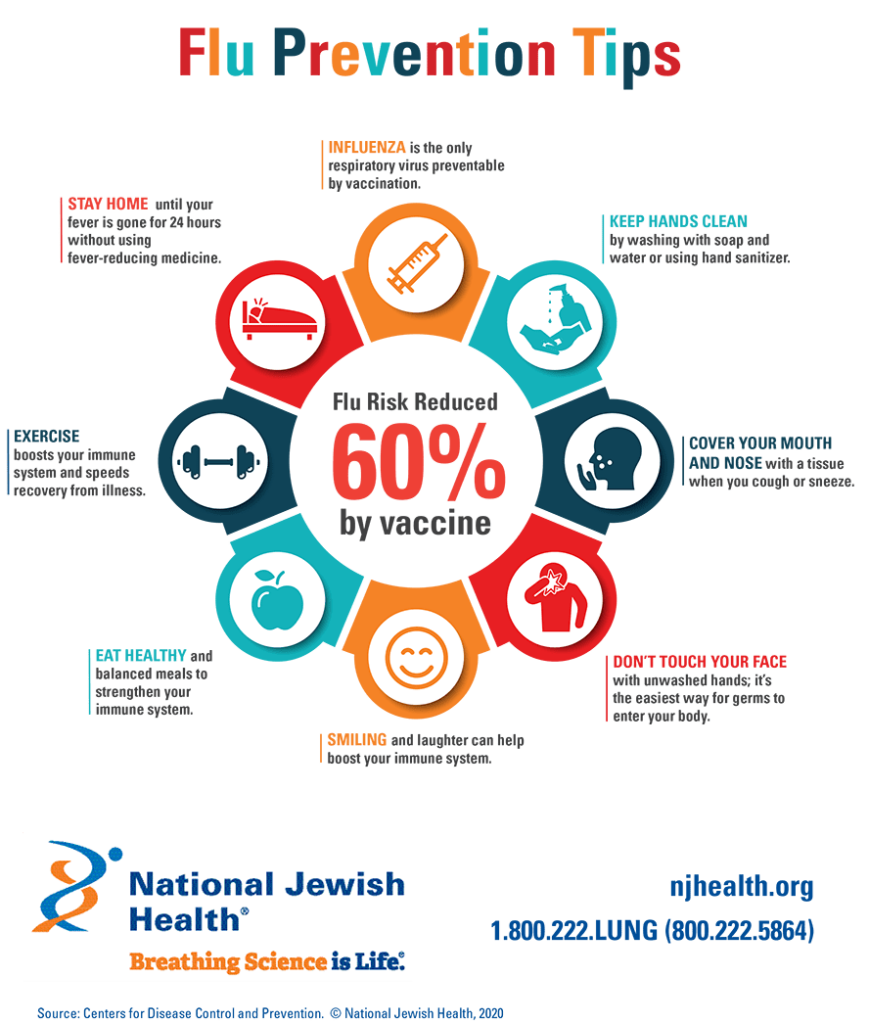
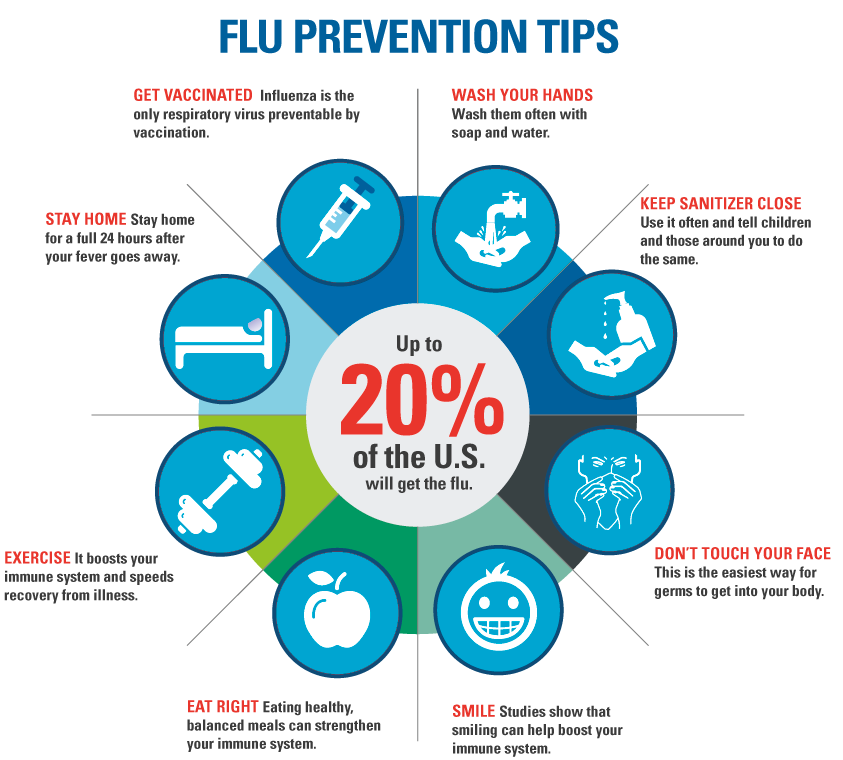
Getting an annual flu vaccine is the most effective way to prevent the flu. The vaccine helps the body develop immunity to specific flu viruses, reducing the risk of infection and the severity of symptoms. It is recommended for everyone aged six months and older, particularly those at high risk of complications from the flu.
Frequent Handwashing
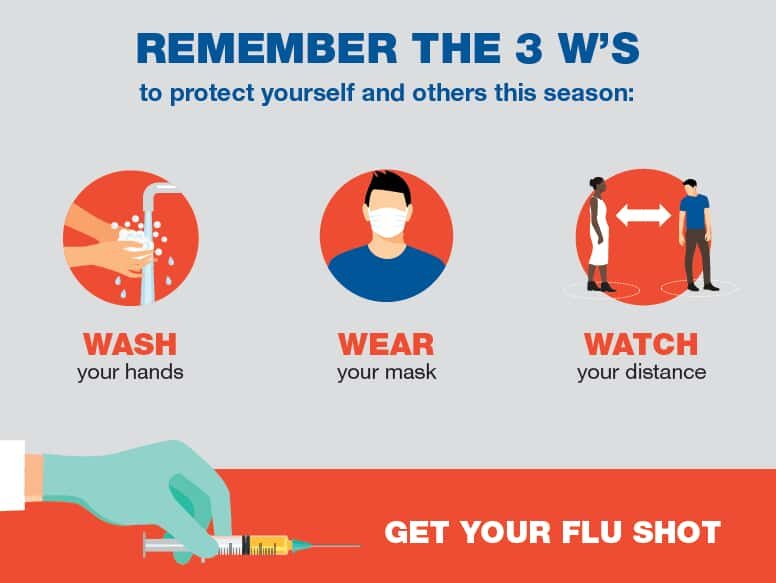
Regular handwashing with soap and water for at least 20 seconds is essential to prevent the spread of the flu virus. If soap and water are not available, using an alcohol-based hand sanitizer can effectively kill the virus. It is especially important to wash hands before eating, after using the restroom, and after touching surfaces that may be contaminated.
Avoiding Touching Face
Touching your face, particularly your eyes, nose, and mouth, can introduce the flu virus into your body. Avoiding unnecessary face-touching and practicing good hand hygiene can reduce the risk of infection. It is also advisable to avoid close contact with individuals who have flu-like symptoms, as they may be contagious.
Covering Nose and Mouth
Covering the nose and mouth with a tissue or the elbow when coughing or sneezing helps prevent the spread of respiratory droplets containing the flu virus. Properly disposing of used tissues and washing hands afterward is essential to prevent the transmission of the virus. If a tissue is not available, coughing or sneezing into the elbow rather than the hands can help reduce the risk of hand contamination.
Avoiding Crowded Places
Crowded places, such as shopping centers, public transportation, or crowded events, increase the risk of exposure to the flu virus. When possible, it is advisable to avoid such places or take extra precautions, such as wearing a face mask and practicing good hand hygiene. If you must be in a crowded place, try to maintain distance from individuals who appear to be sick and utilize proper respiratory etiquette.
Staying Home when Sick
If you experience flu-like symptoms, it is crucial to stay home to prevent the spread of the virus to others. Not only does this protect those around you, but it also allows you to rest and recover more quickly. During this time, it is important to practice good respiratory hygiene by covering your mouth and nose with a tissue or your elbow when coughing or sneezing. Additionally, seeking medical advice if symptoms worsen or persist is recommended.

Age
Elderly Population
The elderly population, typically aged 65 and older, is at an increased risk of developing complications from the flu due to age-related changes in the immune system. As people age, the immune response weakens, making it more challenging to fight off infectious diseases like the flu. Older adults are also more likely to have one or more underlying health conditions that further increase their vulnerability to flu-related complications.
Children and Infants
Children and infants, particularly those under the age of 5, are more vulnerable to the flu due to their developing immune system. Their immune response is not as robust as that of adults, making it harder for their bodies to fight off infections. Additionally, infants and young children often have close contact with others, such as in daycare settings or schools, increasing their risk of exposure to the flu virus.
Underlying Health Conditions
Chronic Lung Disease
Individuals with chronic lung diseases, such as chronic obstructive pulmonary disease (COPD) and bronchitis, are more susceptible to severe flu symptoms due to their compromised lung function. The flu can exacerbate their existing respiratory conditions and lead to pneumonia or other severe complications.
Asthma
Asthma patients have inflamed airways, making them more susceptible to respiratory infections like the flu. The flu can trigger asthma attacks and exacerbate their symptoms, potentially leading to hospitalization.
Heart Disease
Individuals with heart disease, including conditions such as congestive heart failure and coronary artery disease, are at increased risk of complications from the flu. The flu can place additional stress on the heart, leading to worsening symptoms or even heart attacks.
Diabetes
People with diabetes are more prone to developing severe flu symptoms due to their compromised immune system and impaired lung function. High blood sugar levels can also weaken the body’s ability to fight off infections.
Kidney Disorders
Individuals with kidney disorders, including chronic kidney disease or kidney failure, have weaker immune systems, making them more susceptible to infections like the flu. The flu can also worsen kidney function and lead to complications in these individuals.
Liver Disorders
Liver disorders, such as hepatitis or cirrhosis, weaken the body’s immune response and increase the risk of flu-related complications. Individuals with liver disorders should take extra precautions to avoid the flu and seek medical attention if they develop symptoms.
Neurological Conditions
Certain neurological conditions, such as epilepsy or multiple sclerosis, can weaken the immune system and make individuals more vulnerable to flu infections. Additionally, the flu can worsen existing neurological symptoms in these individuals.
Blood Disorders
Individuals with blood disorders, such as sickle cell disease or thalassemia, may have weakened immune systems, making them more susceptible to infections. The flu can also worsen these blood disorders and lead to severe complications.
Cancer
Cancer patients, particularly those undergoing chemotherapy or radiation treatment, have weakened immune systems, making them more susceptible to the flu. The flu can also worsen their cancer treatment side effects and increase the risk of hospitalization.
HIV/AIDS
People living with HIV/AIDS have compromised immune systems, making them highly vulnerable to infections like the flu. The flu can also lead to a worsening of their HIV/AIDS symptoms and an increased risk of opportunistic infections.

Pregnancy
Increased Risk
Pregnant women are more susceptible to the flu due to changes in their immune system, heart, and lungs during pregnancy. These changes make them more prone to severe complications if they contract the flu virus, including pneumonia and preterm labor.
Protection for Pregnant Women
Getting the flu vaccine during pregnancy is crucial for both the mother and the developing baby. The flu vaccine helps protect pregnant women from developing severe flu symptoms and reduces the risk of complications. It also provides some immunity to the baby during the first few months of life. Pregnant women should also take precautions to avoid close contact with individuals who have flu-like symptoms and practice good hand hygiene.
Weakened Immune System
Immunodeficiency
Individuals with immunodeficiency disorders, such as HIV infection or primary immunodeficiency diseases, have weakened immune systems, making them highly susceptible to infections like the flu. These individuals should take extra precautions to avoid exposure to the flu and seek medical attention immediately if they develop symptoms.
Transplant Recipients
Transplant recipients, both solid organ and bone marrow, take immunosuppressive medications to prevent organ rejection. These medications weaken the immune system, making transplant recipients more vulnerable to infections like the flu. It is important for them to take precautions and receive the annual flu vaccine to protect themselves.
Certain Medications
Certain medications, such as corticosteroids or chemotherapy drugs, can weaken the immune system, making individuals more susceptible to infections like the flu. People taking these medications should be extra vigilant in practicing good hand hygiene and avoiding close contact with sick individuals.
Occupation
Healthcare Workers
Healthcare workers, including doctors, nurses, and other medical staff, are at an increased risk of contracting the flu due to frequent exposure to infected individuals. It is crucial for healthcare workers to receive the annual flu vaccine, practice good hand hygiene, wear appropriate personal protective equipment, and follow infection control protocols to protect themselves and their patients.
Teachers and Daycare Providers
Teachers and daycare providers work closely with children, who can easily spread the flu virus. These professionals should receive the flu vaccine, encourage good respiratory hygiene in children, promote handwashing, and maintain a clean environment to help prevent the spread of the flu.
First Responders
First responders, such as police officers, firefighters, and emergency medical personnel, are often exposed to various pathogens, including the flu, while performing their duties. It is important for these professionals to take precautions, such as wearing personal protective equipment and practicing good hand hygiene, to minimize the risk of contracting and spreading the flu.
Travel Industry Workers
Individuals working in the travel industry, such as flight attendants, come into contact with passengers from diverse backgrounds and geographical areas. This constant exposure significantly increases their risk of contracting the flu. It is essential for these workers to receive the flu vaccine, practice good respiratory hygiene, and maintain good hand hygiene to minimize their risk.
Animal Caretakers
Animal caretakers, such as veterinarians and zookeepers, may come into contact with animals that can carry influenza viruses. These individuals should take proper precautions, including wearing personal protective equipment and practicing good hand hygiene, to reduce the risk of contracting the flu from animals.
Living Conditions
Nursing Homes
Nursing homes often house older adults with weakened immune systems and underlying health conditions, making them more susceptible to infections like the flu. The close living quarters and communal areas in these facilities increase the risk of flu transmission. Strict infection control measures, including proper hand hygiene, respiratory etiquette, and routine cleaning and sanitization, are crucial in preventing flu outbreaks in nursing homes.
Assisted Living Facilities
Similar to nursing homes, assisted living facilities house individuals who may have underlying health conditions and weakened immune systems. The risk of flu transmission in these facilities can be mitigated through thorough adherence to infection control practices, including vaccination of residents and staff, hand hygiene, and respiratory etiquette.
Prisons and Correctional Facilities
Prisons and correctional facilities often have high population density, which increases the risk of flu transmission among inmates and staff. Limited access to healthcare and inadequate facilities for proper hygiene further contribute to the potential spread of the flu. Implementing comprehensive infection control measures, including vaccination programs, routine cleaning, and access to healthcare, is vital in controlling flu outbreaks in these settings.
Homeless Shelters
Homeless shelters often house individuals with compromised immune systems, limited access to healthcare, and poor living conditions, making them more susceptible to infections like the flu. The close proximity of individuals in these facilities increases the risk of transmission. It is crucial for homeless shelters to implement infection control measures, provide access to vaccinations and healthcare, and promote good hygiene practices to protect their residents.
Travel
Increased Exposure
Traveling, particularly to areas with high flu activity, increases the risk of exposure to the flu virus. Being in close proximity to individuals from various geographical areas and in confined spaces such as airplanes, buses, or crowded airports significantly heightens the chances of transmission. It is important for travelers to practice good hand hygiene, avoid close contact with sick individuals, and consider receiving the flu vaccine before traveling to protect themselves and others.
Precautions for Travelers
Travelers should take necessary precautions to avoid the flu while traveling. This includes practicing good hand hygiene by washing hands regularly with soap and water or using an alcohol-based hand sanitizer. It is also crucial to avoid touching the face, particularly the eyes, nose, and mouth, as this can introduce the flu virus into the body. Wearing a face mask, especially in crowded places, can provide an additional layer of protection. If flu-like symptoms develop during travel or after returning, seeking medical attention is recommended.
Staying Home when Sick
Protecting Others
Staying home when you are sick with the flu is essential to prevent the spread of the virus to others. The flu is highly contagious, and close contact with infected individuals can easily lead to transmission. By staying home and avoiding contact with others, you help protect vulnerable populations, such as the elderly and those with underlying health conditions, from contracting the flu and experiencing severe complications.
Managing Symptoms at Home
When staying home with the flu, it is important to manage your symptoms properly. Drinking plenty of fluids to stay hydrated, getting sufficient rest, and taking over-the-counter medications to alleviate fever, pain, and congestion can help relieve flu symptoms. Following good respiratory hygiene, such as using tissues or your elbow to cover your mouth and nose when coughing or sneezing, can minimize the spread of the virus within your household. If symptoms worsen or persist, seeking medical advice is recommended.