
Juvenile diabetes, also known as type 1 diabetes, can be a challenging condition for young individuals to manage. Understanding the risk factors and taking necessary precautions can greatly help in managing and preventing this condition. In this article, we will explore the various risk factors associated with juvenile diabetes and provide key precautions that can be taken to maintain a healthy lifestyle and minimize the risks.

Risk Factors for Juvenile Diabetes
Juvenile diabetes, also known as Type 1 diabetes, is a chronic condition that affects many children and adolescents around the world. Understanding the risk factors associated with the development of this disease is crucial in order to take necessary precautions and potentially prevent its onset. This article explores various risk factors for juvenile diabetes and provides insight into preventive measures that can be taken.
Genetic Factors
Genetic factors play a significant role in the development of juvenile diabetes. Research has shown that certain genes are inherited and can increase the risk of developing the condition. In fact, if a close family member has Type 1 diabetes, your risk of developing it is considerably higher. This is due to the transmission of specific genes associated with the disease from one generation to another.
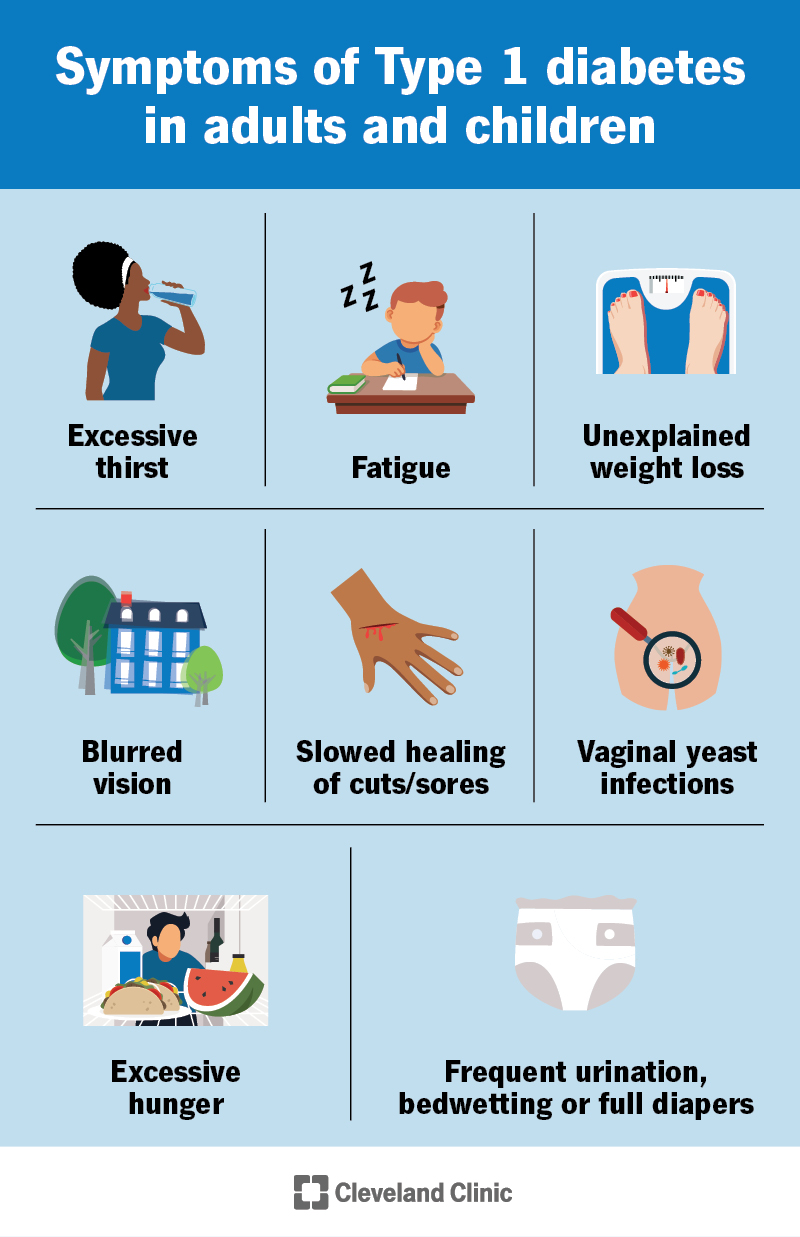
Autoimmune Factors
Autoimmune factors also contribute to the development of juvenile diabetes. In individuals with this condition, the immune system mistakenly attacks the insulin-producing cells in the pancreas, leading to a deficiency of insulin. This dysfunction of the immune system is an important risk factor for developing Type 1 diabetes. Additionally, the presence of autoantibodies, which are immune proteins that attack the body’s own tissues, may indicate an increased risk of developing the disease.
Environmental Factors
Environmental factors can also play a role in the development of juvenile diabetes. Certain viral infections, such as enteroviruses and cytomegalovirus, have been linked to an increased risk of Type 1 diabetes. Exposure to cow’s milk in early childhood has also been associated with an increased risk. Similarly, introducing solid foods to infants at an early age may contribute to the development of the disease. These environmental factors interact with genetic and autoimmune factors, increasing the likelihood of developing Type 1 diabetes.

Family History
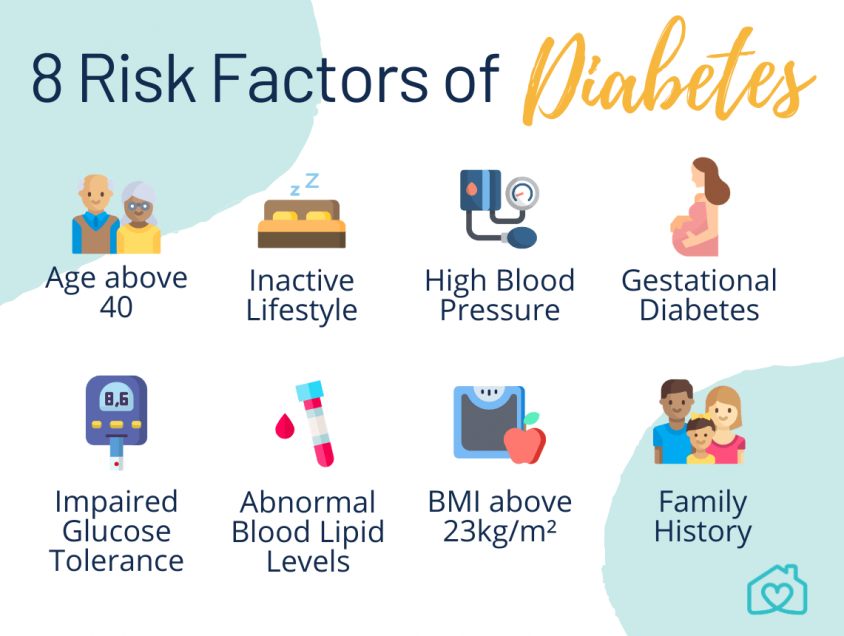
Having a family history of Type 1 diabetes is a significant risk factor. If you have a first-degree relative, such as a parent or sibling, with the condition, your risk of developing it is higher compared to individuals without a family history. It is important to be aware of your family’s medical history and inform your healthcare provider if there is a history of Type 1 diabetes. Regular screenings and monitoring can help in early detection and management of the disease.
Race and Ethnicity
Race and ethnicity can also influence the risk of developing juvenile diabetes. Research has shown that individuals of white ethnicity, particularly those of Northern European descent, have a higher risk of Type 1 diabetes compared to individuals of other races and ethnicities. Although the exact reasons for this are not fully understood, it is believed that genetics and environmental factors specific to certain racial and ethnic groups contribute to the increased risk.

Age
The age at which Type 1 diabetes is diagnosed can vary, but there is a peak age of onset. Most cases are diagnosed in children and adolescents, usually between the ages of 10 and 14. However, juvenile diabetes can also be diagnosed in adults. The age at onset can influence the way the disease is managed and the potential complications that may arise. Early detection and prompt management are essential in reducing the risk of complications associated with Type 1 diabetes.
Gender
Gender is another important risk factor for juvenile diabetes. Research has shown that there is a slightly higher prevalence of the disease in males compared to females. The reasons for this gender difference are not yet fully understood, but it may be related to hormonal, genetic, or environmental factors. Regardless of gender, it is important for both males and females to be aware of the risk factors and take appropriate preventive measures.
Body Weight
Body weight is a modifiable risk factor for many health conditions, including juvenile diabetes. Being overweight or obese increases the risk of developing Type 1 diabetes. Excess weight can lead to insulin resistance, which is a precursor to Type 2 diabetes. However, it is important to note that Type 1 diabetes is an autoimmune condition, and weight alone does not cause the disease. Maintaining a healthy body weight through a balanced diet and regular physical activity can help reduce the risk of developing juvenile diabetes.
Preventive Measures for Complications
While it may not be possible to completely prevent the development of Type 1 diabetes, there are steps that can be taken to reduce the risk of complications associated with the disease. Regular medical check-ups, including screenings for potential complications, are essential. Good blood sugar control, through the use of insulin and adherence to a diabetes management plan, is crucial in preventing long-term complications. Additionally, adopting a healthy lifestyle that includes a balanced diet, regular exercise, and stress management can help minimize the impact of Type 1 diabetes on overall health and well-being.
In conclusion, juvenile diabetes is a complex condition that involves a combination of genetic, autoimmune, environmental, and lifestyle factors. Understanding these risk factors can help individuals and healthcare providers take appropriate preventive measures and manage the disease more effectively. By being aware of the risk factors associated with Type 1 diabetes and making healthy lifestyle choices, individuals can minimize the impact of the disease and live a fulfilling life. Remember, early detection, regular monitoring, and proactive management are key in reducing the risk of complications and maintaining optimum health.