Have you ever experienced a loss of appetite and wondered what could be causing it? In this article, we will explore the risk factors that can contribute to a loss of appetite and discuss precautions you can take to maintain a healthy relationship with food. Whether it’s due to stress, medical conditions, or lifestyle choices, understanding these factors can help you better navigate through periods of decreased appetite and ensure your overall well-being. So, let’s dive into the world of loss of appetite and discover what steps you can take to keep your appetite in check.
Risk Factors for Loss of Appetite
General health conditions
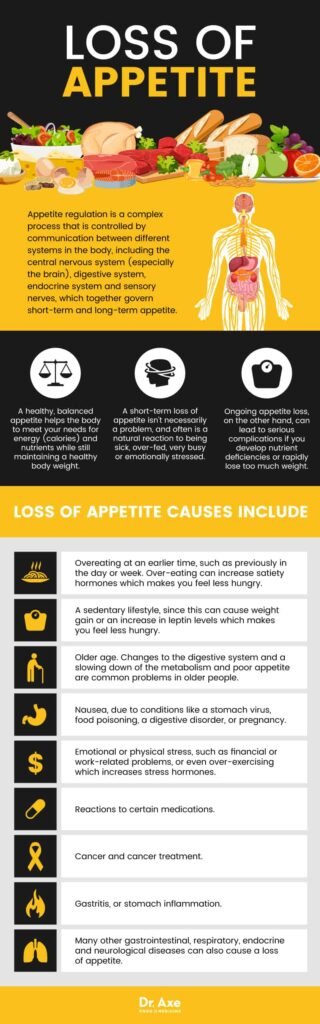
Loss of appetite can be caused by various general health conditions. These conditions include infections, such as influenza or the common cold, as well as chronic diseases like cancer or kidney disease. When your body is fighting an illness or dealing with the effects of a chronic condition, it is common to experience a decrease in appetite.
Mental health disorders
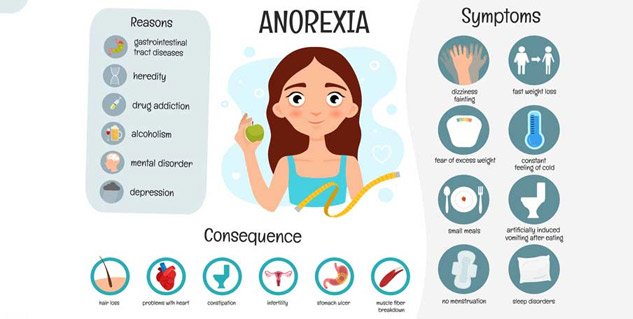
Mental health disorders can also contribute to a loss of appetite. Conditions such as depression, anxiety, and eating disorders can all have an impact on your desire to eat. These disorders can affect the chemical balance in your brain, leading to a decreased appetite.
Medications
Certain medications can have the side effect of decreasing your appetite. This is particularly true for medications used to treat conditions such as depression, nausea, and certain types of pain. If you are taking any medications and experiencing a loss of appetite, it is important to discuss this with your healthcare provider.
Poor diet and nutrition
Lack of proper diet and nutrition can also lead to a loss of appetite. If your body is not receiving the necessary nutrients it needs to function properly, it may respond by decreasing your appetite. This can create a vicious cycle, as a decreased appetite leads to poor nutrition, further impacting your overall health.
Gastrointestinal disorders
Gastrointestinal disorders, such as acid reflux, peptic ulcers, or irritable bowel syndrome (IBS), can cause discomfort and pain that can lead to a loss of appetite. These conditions can make eating difficult or uncomfortable, resulting in a reduced desire to consume food.
Socioeconomic factors
Socioeconomic factors can play a role in appetite loss. Financial challenges, food insecurity, and limited access to nutritious meals can all contribute to a decreased appetite. Additionally, stressors associated with socioeconomic factors can impact your mental health, further exacerbating the issue.
Lifestyle factors
Certain lifestyle factors can also increase the risk of experiencing a loss of appetite. Smoking, excessive alcohol consumption, and lack of physical activity can all have a negative impact on your appetite. It is important to maintain a balanced and healthy lifestyle to promote appetite regulation.
Precautions for Loss of Appetite
Consulting a healthcare professional
If you are experiencing a persistent loss of appetite, it is important to consult a healthcare professional. They can assess your overall health, conduct necessary tests, and determine the underlying cause of your decreased appetite. Seeking medical advice can help identify any potential serious underlying conditions that may require treatment.
Regular medical check-ups
Regular medical check-ups are crucial for maintaining overall health and monitoring any changes in appetite or other symptoms. These check-ups allow healthcare professionals to identify any potential risk factors for appetite loss and address them promptly. Regular check-ups also provide an opportunity to discuss any concerns or changes in health with your healthcare provider.
Addressing underlying health conditions
Identifying and addressing underlying health conditions is essential in managing loss of appetite. Whether it is an infection, chronic disease, or mental health disorder, treating the root cause can help improve your overall health and restore your appetite. Working closely with your healthcare provider will ensure a comprehensive approach to managing and treating any underlying conditions.
Managing mental health
Managing your mental health is crucial in addressing appetite loss associated with mental health disorders. Engaging in therapy, practicing stress management techniques, and taking prescribed medications can help improve your mental well-being and restore your appetite. It is important to seek professional help and develop a support system to effectively manage mental health conditions.
Optimizing medication usage
If medications are causing a loss of appetite, it is important to work with your healthcare provider to optimize their usage. They may be able to adjust the dosage or switch to alternative medications that have less impact on appetite. It is crucial to never adjust or stop taking medications without consulting a healthcare professional.
Improving diet and nutrition
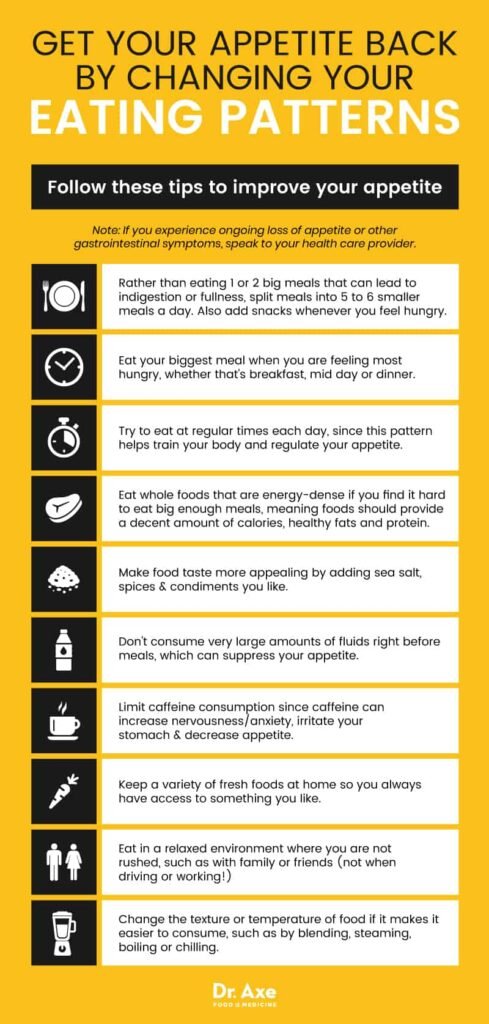
Improving your diet and nutrition is key in managing a loss of appetite. Focus on consuming nutrient-dense foods that provide essential vitamins and minerals. Eating smaller, more frequent meals throughout the day instead of large meals can also help stimulate your appetite. Additionally, staying hydrated by drinking an adequate amount of water is important for overall health and appetite regulation.
Treating gastrointestinal disorders
If gastrointestinal disorders are contributing to a loss of appetite, it is important to seek appropriate treatment. This may involve medication to manage symptoms, lifestyle changes, or dietary modifications. Working closely with a healthcare professional and possibly a registered dietitian can help identify the most appropriate treatment plan for your specific condition.
Addressing socioeconomic factors
If socioeconomic factors are impacting your appetite, it is important to address these issues. Seeking assistance from community resources, such as food banks or government programs, can help alleviate food insecurity. Additionally, exploring ways to reduce financial stress and improve access to nutritious meals can have a positive impact on your appetite.
Adopting a healthy lifestyle
Adopting a healthy lifestyle can significantly improve your appetite. Engage in regular physical activity, avoid smoking and excessive alcohol consumption, and prioritize stress management techniques. These lifestyle changes can positively influence your overall health and appetite regulation.
Considering alternative therapies
In some cases, alternative therapies such as acupuncture, herbal supplements, or aromatherapy may be considered to help restore appetite. However, it is important to consult a healthcare professional before trying any alternative therapies to ensure their safety and effectiveness. They can provide guidance and help you make informed decisions regarding these treatments.
Taking precautionary measures and managing risk factors for loss of appetite can help improve your overall health and well-being. By addressing underlying health conditions, optimizing medication usage, improving diet and nutrition, and adopting a healthy lifestyle, you can support your body’s natural appetite regulation. Remember to seek professional advice and consult with healthcare providers to ensure a comprehensive and personalized approach to managing loss of appetite.