Are you frequently experiencing joint pain? Joint pain can be a frustrating and debilitating condition that affects individuals of all ages. In this article, we will explore the various risk factors that contribute to joint pain and provide you with essential precautions to help alleviate and manage this discomfort. Whether you are seeking preventive measures or are currently dealing with joint pain, this article will provide you with helpful information to promote joint health and well-being.
Risk Factors
Joint pain can affect individuals of all ages and backgrounds. Understanding the various risk factors associated with joint pain is crucial for taking proactive measures to prevent or manage this condition. Here, we will explore the different factors that can contribute to joint pain and discuss the precautions you can take to maintain healthy joints.
Age
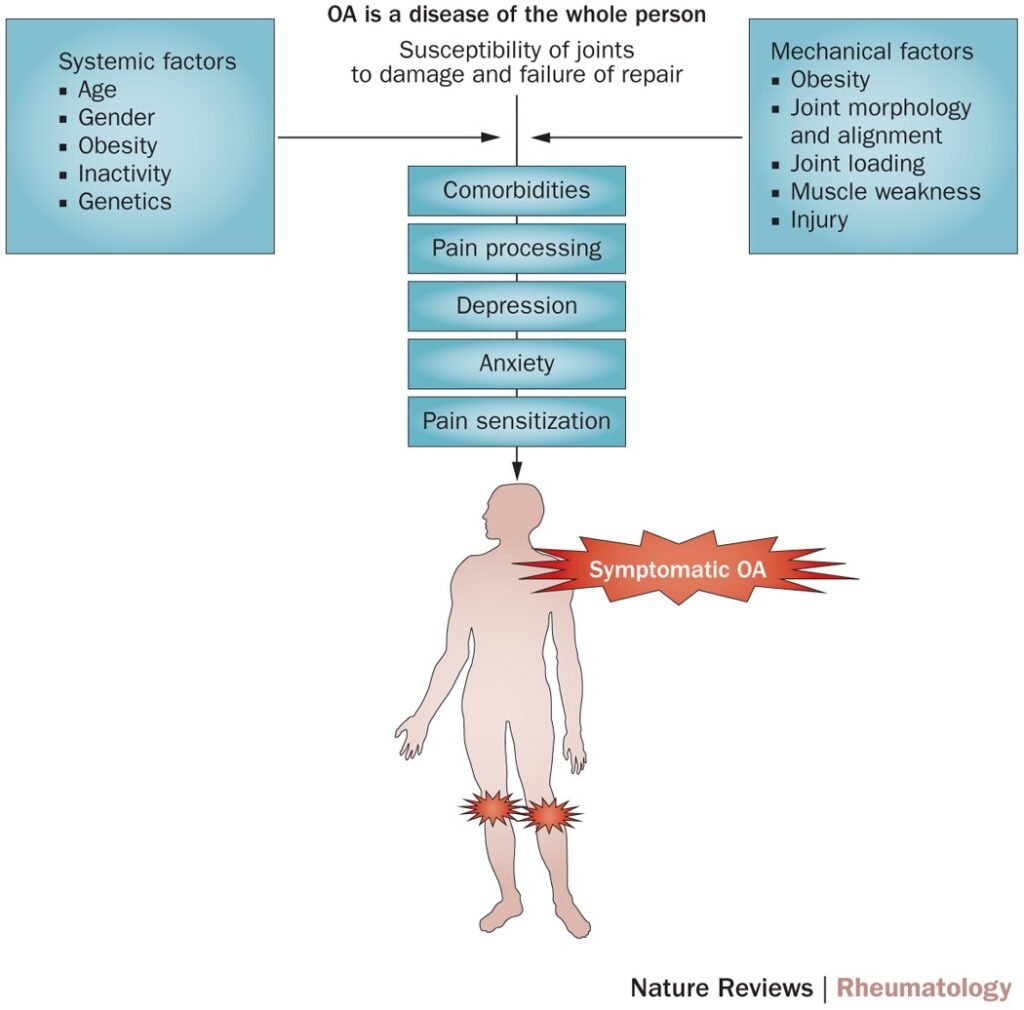
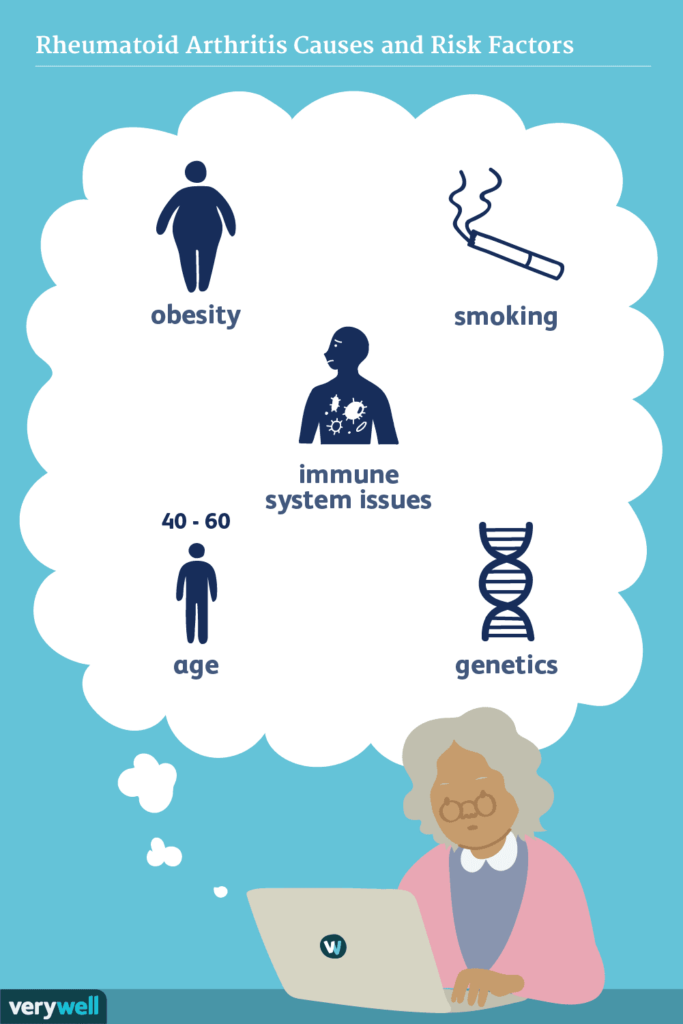
Age plays a significant role in joint health. As we grow older, natural wear and tear occur in our joints, leading to increased vulnerability to joint pain and degenerative joint diseases. Our joints lose their cushioning cartilage, which can result in pain, stiffness, and reduced mobility. Therefore, it is essential to recognize the effects of aging and take appropriate precautions to support joint health.
Gender
Gender also contributes to the prevalence of joint pain. Studies have shown that women are more prone to joint pain compared to men. This difference can be partially attributed to hormonal factors. The hormonal changes that occur during pregnancy and menopause can cause joint pain in women. On the other hand, men are more susceptible to certain joint-related conditions, such as gout. Understanding these gender-specific risks can help in managing joint pain effectively.
Obesity
Carrying excess weight puts additional stress on our joints, particularly the weight-bearing joints like the hips and knees. The impact of excess weight on joints can accelerate degenerative changes and lead to chronic pain. Obesity is closely linked to joint inflammation, which further aggravates joint pain. Maintaining a healthy weight through lifestyle modifications, including a balanced diet and regular exercise, is crucial for reducing the risk of joint pain.
Genetics
Genetics plays a significant role in determining an individual’s susceptibility to joint pain. Some people may inherit specific disorders that affect the joints, such as rheumatoid arthritis or osteoarthritis. Additionally, having a family history of joint pain can increase the likelihood of experiencing it yourself. Understanding your genetic predisposition can help in early detection and proactive management of joint pain.
Previous Joint Injury
Past joint injuries can have long-term consequences, increasing the risk of developing joint pain later in life. Traumatic injuries, such as fractures or dislocations, can lead to chronic pain and even osteoarthritis. It is crucial to give proper attention and care to any joint injury and seek appropriate treatment to minimize the long-term impact on joint health.
Occupational Factors
Certain occupations involve tasks that put excessive stress on the joints, increasing the risk of joint pain. Repetitive motion injuries, such as those experienced by factory workers or athletes, can cause joint pain over time. Jobs that require heavy lifting or physically demanding tasks can also contribute to joint stress. Additionally, sedentary work that involves prolonged sitting or poor ergonomic setups can lead to joint pain. Awareness of the occupational factors that can affect joint health and implementing proper workplace ergonomics is essential for prevention.
Lifestyle Factors
Our lifestyle choices can have a profound impact on our joint health. Physical inactivity can weaken the surrounding muscles and tendons, leading to joint pain and stiffness. Regular exercise, including strength training and low-impact activities, helps maintain joint mobility and strength. Smoking and excessive alcohol consumption can also contribute to joint inflammation, exacerbating joint pain. Making healthier lifestyle choices, such as staying physically active, quitting smoking, and moderating alcohol intake, can significantly reduce the risk of joint pain.
Poor Posture
Maintaining good posture is essential for the overall health of our joints. Incorrect posture places unnecessary stress on the joints, leading to discomfort and pain. Common postural imbalances, such as rounded shoulders or forward head posture, can cause joint strain over time. Whether sitting or standing, it is vital to maintain proper posture by aligning the spine and keeping the joints in their natural positions. Using ergonomic support, such as ergonomic chairs or lumbar pillows, can also help in maintaining good posture and reducing joint pain.
Certain Medical Conditions
Several medical conditions are closely associated with joint pain. Rheumatoid arthritis, osteoarthritis, gout, lupus, and fibromyalgia are some examples of conditions that can lead to joint pain and inflammation. It is crucial to manage any underlying medical condition properly, working closely with healthcare professionals to alleviate joint pain symptoms.
Medication Usage
Some medications can contribute to joint pain as a side effect. It is important to be aware of the potential joint-related side effects of any medication you are taking. Discussing these potential side effects with your healthcare provider is crucial, and they can advise alternative medications or additional measures to prevent or manage joint pain effectively.
Precautions
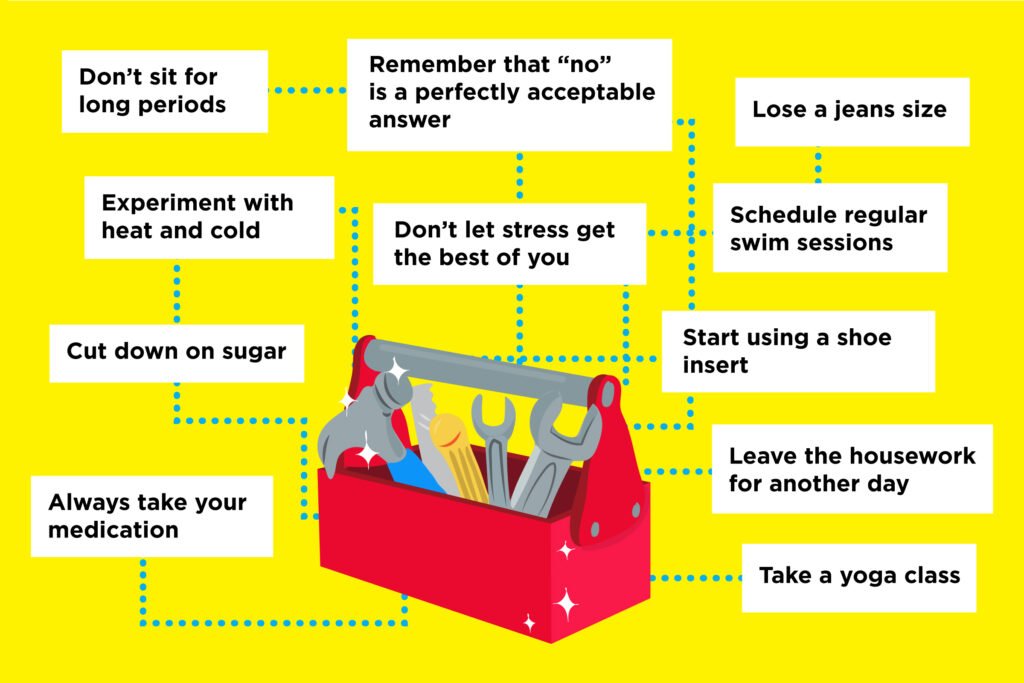
While certain risk factors may be beyond our control, there are several precautions we can take to maintain healthy joints and reduce the risk of joint pain. By incorporating these precautions into our daily lives, we can support joint health and enhance overall well-being.
Maintaining a Healthy Weight
Maintaining a healthy weight is crucial for overall joint health. By avoiding excess weight gain and shedding any excess pounds, we can reduce the stress on our joints and minimize the risk of joint pain and inflammation. A balanced diet that emphasizes whole foods, fruits, vegetables, and lean proteins can aid in weight management.
Regular Exercise and Joint Mobility
Engaging in regular exercise helps strengthen the muscles around the joints, providing stability and support. It is essential to incorporate a mix of cardiovascular exercises, strength training, and flexibility exercises into our routine to maintain joint mobility and strength. Low-impact activities like swimming or cycling can be particularly beneficial for individuals with joint pain or arthritis.
Proper Posture and Body Mechanics
Maintaining proper posture and body mechanics is essential for joint health. Whether we are sitting, standing, or lifting, aligning our spine and joints correctly can minimize stress and reduce the risk of joint pain. It is crucial to be mindful of our posture throughout the day and make necessary adjustments to avoid unnecessary strain on the joints.
Avoiding Repetitive Stress on Joints
Repetitive stress on joints, such as repetitive movements or activities, can contribute to joint pain and inflammation. To minimize this risk, it is important to take regular breaks, vary tasks, and use proper techniques to avoid overusing specific joints. For individuals with physically demanding occupations, using proper protective gear and adopting ergonomic practices is vital.
Protective Gear During Physical Activities
When participating in physical activities or sports, it is essential to use appropriate protective gear to reduce the risk of joint injuries. Wearing knee pads, wrist guards, or ankle braces can provide added support and help prevent joint trauma. Taking precautions and using protective gear can significantly reduce the risk of joint-related injuries.
Balanced Diet for Joint Health
A balanced diet plays a crucial role in maintaining joint health. Incorporating foods rich in omega-3 fatty acids, such as fatty fish, nuts, and seeds, can help reduce inflammation in the joints. Antioxidant-rich fruits and vegetables can also contribute to joint health by reducing oxidative stress. A diet that includes a variety of nutrients, vitamins, and minerals is essential for supporting overall joint health.
Managing Underlying Medical Conditions
If you have an underlying medical condition that contributes to joint pain, it is vital to work closely with healthcare professionals to manage and treat the condition effectively. This may involve medication, physical therapy, or other therapeutic interventions. By managing underlying medical conditions, joint pain can be minimized, allowing for improved quality of life.
Avoiding Excessive Medication Usage
While medications can be effective in managing joint pain, it is important to avoid excessive usage to prevent potential side effects. Many medications used for joint pain relief, such as nonsteroidal anti-inflammatory drugs (NSAIDs), have potential risks if used excessively or for prolonged periods. It is important to follow the guidance of healthcare professionals and use medications as directed.
Regular Check-Ups with Healthcare Professionals
Regular check-ups with healthcare professionals, including primary care physicians and specialists, can help monitor joint health and identify any potential issues early on. These professionals can provide guidance on preventive measures, recommend lifestyle modifications, and address any concerns related to joint pain. Regular communication and follow-ups are essential for staying proactive when it comes to joint health.
Importance of Early Intervention
Lastly, early intervention is crucial when it comes to joint pain. Paying attention to any warning signs or symptoms and seeking prompt medical attention can prevent further deterioration and ensure timely treatment. Early detection and intervention can significantly improve outcomes and reduce the impact of joint pain on daily life.
By understanding the various risk factors associated with joint pain and implementing these precautions in our lives, we can take charge of our joint health and maintain pain-free, mobile joints for years to come. Remember, joint pain doesn’t have to be inevitable; with the right knowledge and preventive measures, we can keep our joints happy and healthy.