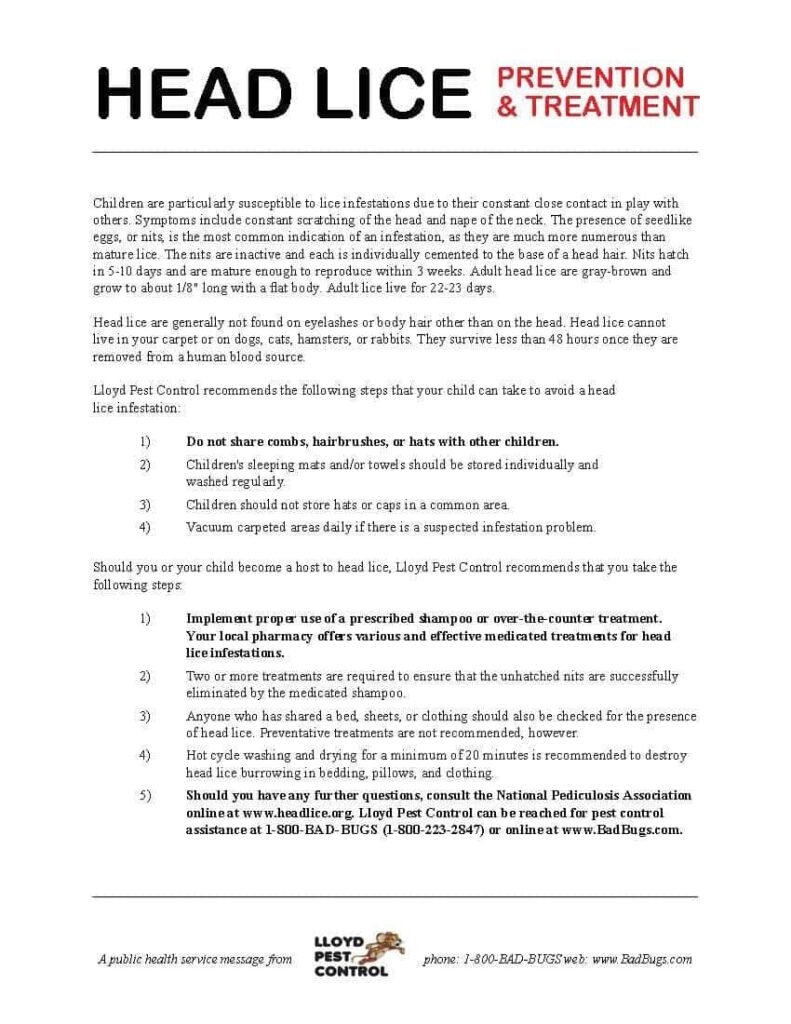
Are you worried about the risk factors and precautions for head lice? This article aims to provide you with a brief overview of the key factors that increase the risk of getting head lice and the precautions you can take to prevent their infestation. It’s important to know that head lice can affect anyone regardless of age or cleanliness, so being well-informed on how to keep them at bay is essential. So, let’s dive into the world of head lice and discover how you can protect yourself and your loved ones from these tiny yet bothersome creatures.

Risk Factors for Head Lice
Head lice, those tiny, irksome insects that infest the scalp, are a common problem, especially among children. While they may not pose a serious health risk, they can be extremely bothersome and difficult to eliminate. Understanding the risk factors associated with head lice infestations can help you take proactive steps to prevent them. In this article, we will explore the various risk factors for head lice and discuss precautions you can take to keep these pesky bugs at bay. So, let’s dive in!
Direct Head-to-Head Contact
Direct head-to-head contact is one of the most common ways head lice are transmitted. Whether it’s kids playing together or friends embracing each other, close contact provides an opportunity for lice to crawl from one person’s hair to another’s. This is why children, who often engage in such activities, are particularly susceptible to head lice.
Activities like sports and crowded places, where kids come into close contact or share equipment, increase the risk of head lice transmission. While this doesn’t mean you need to avoid these activities altogether, being aware of the risk can help you take precautions to minimize the chances of infestation.
Sharing Personal Items
Sharing personal items, such as combs, brushes, hats, hair accessories, and styling tools, significantly increases the risk of head lice transmission. These tiny insects can easily transfer from one’s infested hair to these objects and then find a new home on someone else’s scalp. Similarly, towels, pillowcases, and bedding can also harbor lice and facilitate their spread.
To prevent head lice, it’s important to discourage the sharing of personal items, especially among children. Encourage them to have their own hair accessories and styling tools, and ensure that towels and bedding are regularly washed and not shared between family members.
Close Living Conditions
Living in close quarters can greatly contribute to the spread of head lice. Places like schools, daycares, college dormitories, military barracks, and homeless shelters where individuals share living spaces increase the chances of lice transmission. This is because it’s easier for lice to move from one person to another when they are in close proximity for an extended period.
If you or your child lives in such close living conditions, it becomes even more essential to take preventive measures to avoid head lice infestations. Regularly checking for lice and educating those around you about the importance of maintaining personal hygiene can go a long way in minimizing the risk.
Age and Gender
Age and gender also play a significant role in determining the risk of head lice infestation. Children and adolescents, especially those attending school or daycare, are more prone to getting head lice due to their close interactions with others. Girls, in particular, are at higher risk because they often have longer hair that provides more opportunities for lice to attach and lay eggs.
Although both boys and girls can get head lice, it’s important to pay extra attention to girls’ hair and take preventative measures accordingly. Women, especially those who work closely with children or in healthcare settings, may also be at an increased risk due to their proximity to potential sources of lice infestations.
Personal Hygiene Habits
Contrary to popular belief, personal hygiene habits, such as washing hair frequently, have little to do with the risk of head lice infestation. Cleanliness or lack thereof does not determine whether you or your child will get lice. These tiny insects are just as likely to infest clean hair as they are to infest dirty hair.
Therefore, it’s important not to stigmatize individuals who have head lice, as it has nothing to do with personal hygiene. Educating yourself and others about the true risk factors and prevention strategies is far more valuable in combating head lice infestations.
Recognizing the Symptoms of Head Lice
Knowing the symptoms of head lice is crucial in identifying and addressing the problem at an early stage. Here are some common signs to watch out for:
Persistent Itching
Persistent itching is often the first and most noticeable symptom of a head lice infestation. The irritants injected into the scalp by lice during feeding can cause intense itching, which is typically worse behind the ears and at the nape of the neck.
Tickling or Crawl Sensation
Another telltale sign of head lice is a tickling or crawling sensation on the scalp. This sensation occurs when lice move around the hair, feeding on blood from the scalp.
Visible Nits or Eggs
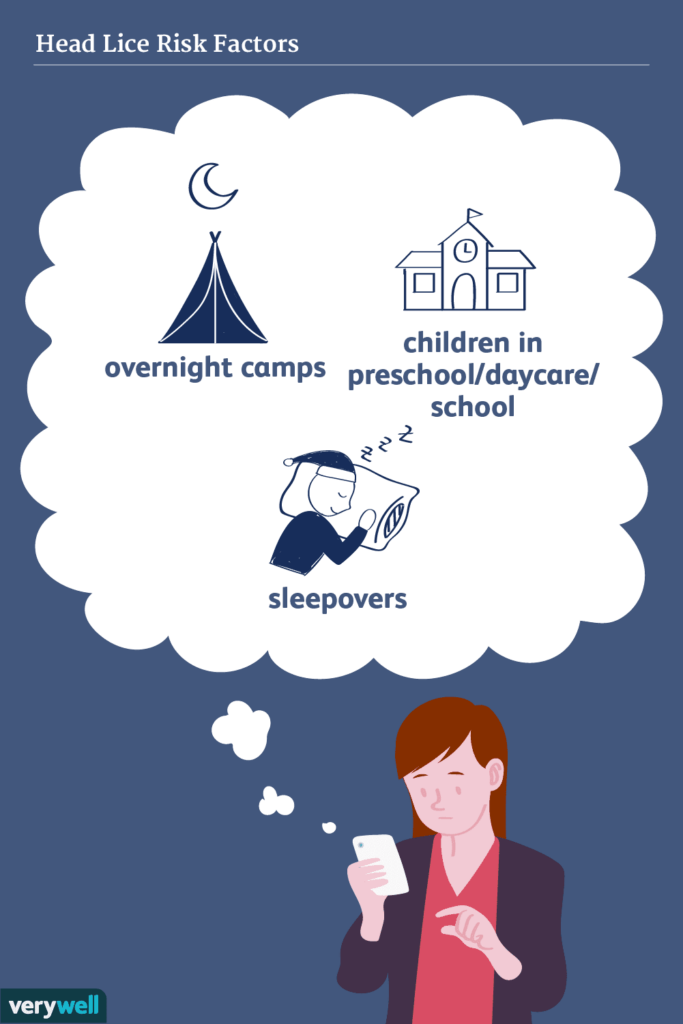
Nits, also known as lice eggs, are tiny, oval-shaped eggs that are firmly attached to individual hair shafts. They are often mistaken for dandruff but can be differentiated by their difficulty to remove. Nits are usually found close to the scalp and are a clear indication of an active lice infestation.
Crawling Lice
If you observe tiny insects crawling around your hair, it’s a clear sign that you have head lice. Adult lice are around the size of a sesame seed and are tan to grayish-white in color. They can be difficult to spot due to their small size and ability to move quickly.
Irritated or Red Scalp
In some cases, head lice infestations may cause an irritated or red scalp. This inflammation is a response to the lice’s saliva and can result in discomfort and tenderness.
If you notice any of these symptoms, it is crucial to take prompt action to prevent the lice from spreading further and causing additional discomfort.
Precautions for Preventing Head Lice
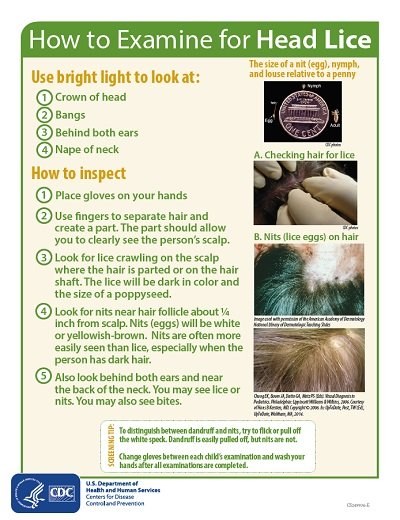
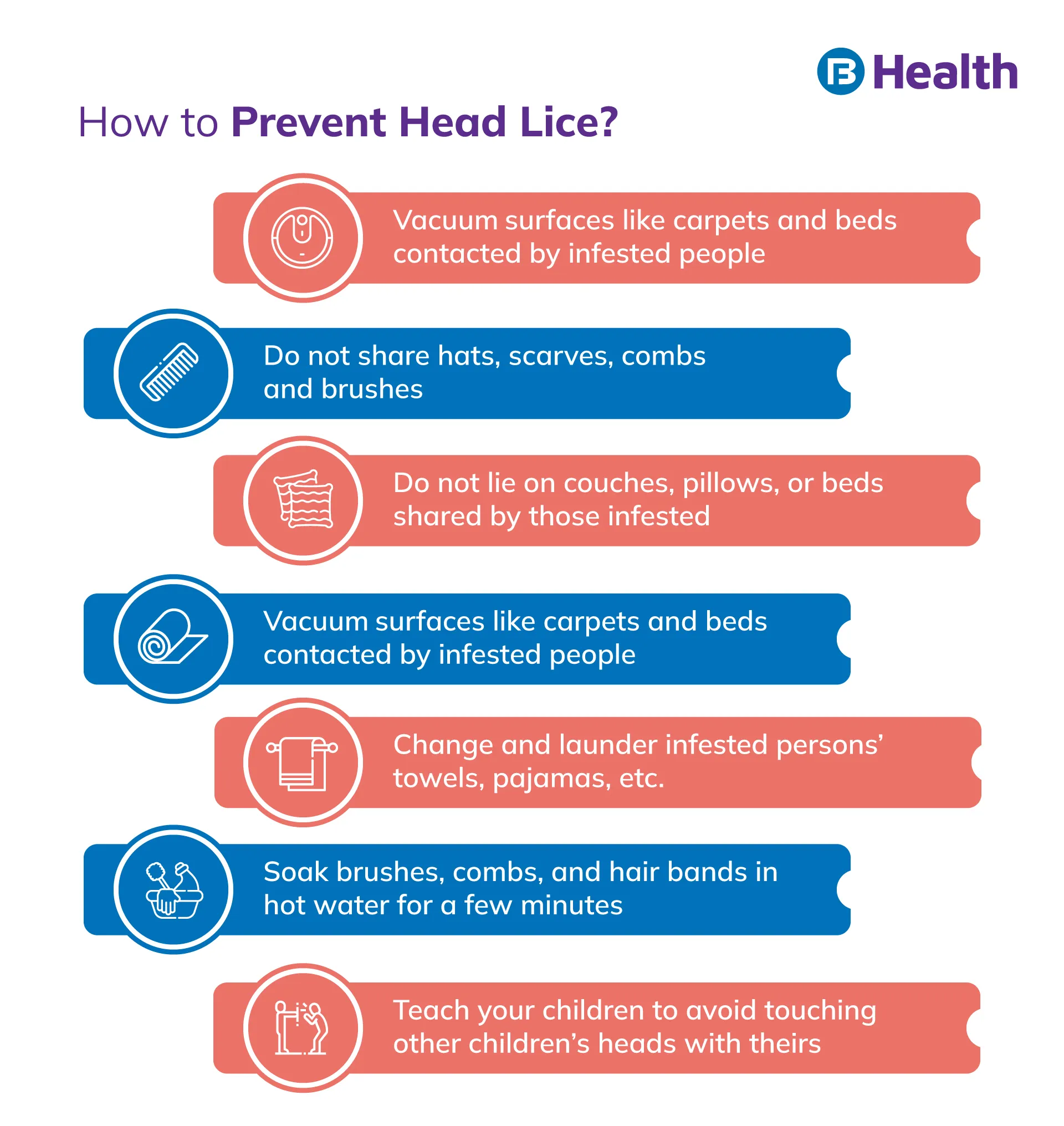
Prevention is always better than dealing with an infestation. By taking a few simple precautions, you can significantly reduce the risk of head lice and protect yourself and your loved ones. Here are some preventive measures you can implement:
Avoid Head-to-Head Contact
One of the most effective ways to prevent head lice is to avoid direct head-to-head contact. Encourage your children to maintain personal space when playing or interacting with others. Teach them to avoid hugging or cuddling too closely and to be cautious in social settings where head-to-head contact is common.
Limit Sharing of Personal Items
As mentioned earlier, sharing personal items increases the risk of lice transmission. To minimize this risk, discourage the sharing of combs, brushes, hats, hair accessories, and styling tools. Ensure that each family member has their own set of these items.
Additionally, avoid sharing towels, pillowcases, and bedding, especially with individuals who have active lice infestations. Regularly wash and dry these items on high heat to kill any potential lice or eggs.
Regularly Clean and Vacuum
Maintaining a clean environment is crucial in preventing head lice. Regularly clean and vacuum the areas where you spend most of your time, particularly sofas, beds, and carpets. This helps remove any stray lice or eggs that may have fallen off the head.
Educate Children and Adults
Education is key to prevent head lice infestations. Teach your children about the risks and how to identify lice and nits. Encourage them to report any itching or discomfort to you or their teachers. Similarly, educate adults, especially those working in childcare settings or healthcare facilities, about the risk factors and prevention strategies.
Regularly Check for Lice
Periodically checking for lice is essential, especially if you suspect an infestation. Use a fine-toothed comb or a lice detection comb to comb through the hair, paying close attention to the scalp and behind the ears. Regular checks can help detect and address the problem early on.
Use Preventative Products
There are various preventative products available on the market, such as lice repellent sprays and shampoos. While these products may not guarantee complete prevention, they can act as an additional measure to deter lice from infesting the hair.
Treat Infestations Immediately
If you or your child is unlucky enough to get head lice, prompt treatment is essential to prevent the infestation from spreading further. There are over-the-counter treatments available, such as medicated shampoos and lice combs, which can help eliminate lice and their eggs. In more severe cases, prescription medications may be necessary.
Additionally, there are home remedies and natural treatments that some people find effective. These include essential oils like tea tree oil or neem oil, vinegar rinses, and mayonnaise treatments. However, their efficacy varies, and it’s always a good idea to consult a healthcare professional before trying any home remedies.
In conclusion, head lice infestations can be a nuisance, but with the right precautions, you can reduce the risk of experiencing this unpleasant problem. By understanding the risk factors associated with head lice and taking proactive measures, such as avoiding head-to-head contact, limiting the sharing of personal items, and regularly checking for lice, you can keep yourself and your loved ones lice-free. Remember, prevention is key, so stay informed and take the necessary steps to minimize the chance of encountering these persistent pests.