
Dry skin can be a common yet pesky problem that many individuals face. From harsh weather conditions to excessive use of hot water, various risk factors can lead to dry, itchy, and uncomfortable skin. However, understanding these risk factors and taking necessary precautions can help you combat dryness and maintain a healthy and moisturized complexion. In this article, we will explore the different elements that contribute to dry skin and provide practical tips on how to prevent and manage this condition effectively. So, get ready to bid farewell to flaky skin as we uncover the secrets to keeping your skin hydrated and glowing.
Risk Factors for Dry Skin
Dry skin is a common condition that can affect anyone at any age. It occurs when your skin lacks the necessary moisture and oils to keep it hydrated and protected. While dry skin can be caused by various factors, it is important to understand the risk factors associated with this condition to effectively prevent and manage it. Here are some of the most common risk factors for dry skin:
Climate and Weather
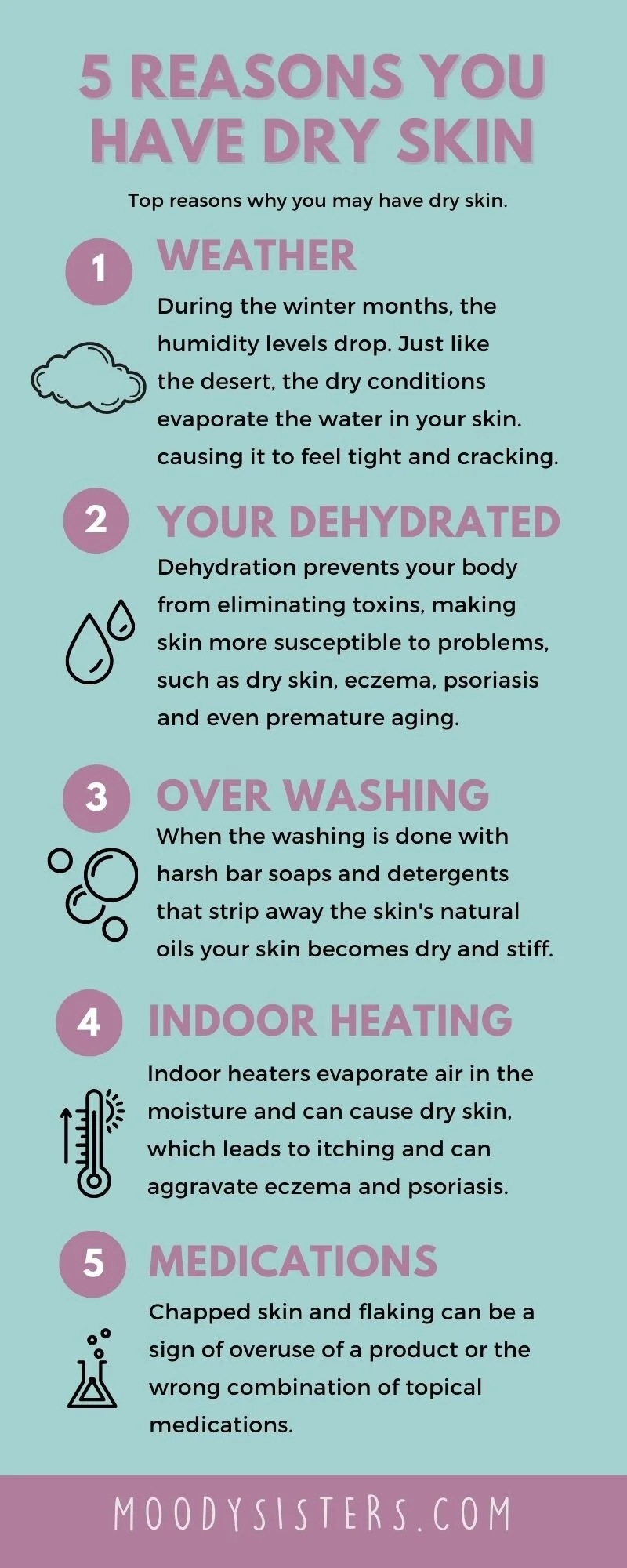
The climate and weather in your region can have a significant impact on the moisture levels in your skin. Dry and cold weather, especially during the winter months, can strip your skin of its natural oils and cause it to become dry and flaky. Similarly, hot and arid climates can also dehydrate your skin, leading to dryness. It is important to take precautions and protect your skin from extreme weather conditions to maintain its moisture balance.
Age
As we age, our skin becomes less efficient at producing the necessary oils and retaining moisture. This natural aging process can lead to dry skin, especially in individuals over the age of 40. The skin’s barrier function weakens with age, making it more susceptible to moisture loss. Therefore, it is essential for older individuals to pay extra attention to their skincare routine and take steps to keep their skin hydrated.
Genetics
Genetics also play a role in determining the health and condition of your skin. Some individuals may have naturally drier skin due to their genetic makeup. If your parents or close relatives have a history of dry skin, there is a higher likelihood that you may also experience this condition. However, even if you have a genetic predisposition to dry skin, you can still take steps to minimize its effects and keep your skin well-moisturized.
Harsh Soaps and Cleansers
Using harsh soaps and cleansers can disrupt the natural balance of oils in your skin and strip it of its moisture. Cleansers that contain alcohol, fragrances, or harsh chemicals can be particularly drying to the skin. It is important to choose gentle, fragrance-free cleansers and soaps that are specifically formulated for dry or sensitive skin. Opt for moisturizing cleansers that help to replenish moisture while cleansing your skin.
Hot Showers or Baths
While hot showers or baths can be soothing and relaxing, they can also be detrimental to your skin’s health. Prolonged exposure to hot water can strip your skin of its natural oils and cause it to become dry and irritated. It is recommended to limit your shower or bath time and use warm, rather than hot, water. Additionally, moisturizing immediately after bathing while your skin is still damp can help lock in moisture and prevent dryness.
Environmental Factors
Apart from individual risk factors, there are also environmental factors that can contribute to dry skin. Here are some common environmental factors that you should be aware of:
Low Humidity
Low humidity levels in the air can cause moisture to evaporate from your skin, leading to dryness. This is particularly common in arid climates or during the winter months when the air tends to be drier. To counteract the effects of low humidity, consider using a humidifier in your home or office to add moisture to the air. This can help keep your skin hydrated, especially while you sleep.
Exposure to Air Conditioning or Heating
Both air conditioning and heating systems can significantly affect the moisture levels in the air. Spending extended periods in air-conditioned environments can dehydrate your skin, while exposure to central heating can also strip your skin of moisture. To minimize the impact of these environmental factors, try to maintain a moderate temperature and use a humidifier in heated or air-conditioned spaces to add moisture back into the air.
Lifestyle Habits
Certain lifestyle habits can contribute to dry skin and exacerbate its symptoms. By making some changes to your routines and habits, you can help prevent or manage dry skin more effectively. Here are some common lifestyle factors that may contribute to dry skin:
Frequent Handwashing
While proper hand hygiene is essential for preventing the spread of germs, frequent handwashing can also strip your skin of its natural oils and leave it dry. To prevent dryness, it is important to choose gentle, moisturizing hand soaps and apply hand cream immediately after washing your hands. This will help replenish lost moisture and keep your hands soft and supple.
Excessive Sun Exposure
Exposure to the sun’s harmful UV rays can also contribute to dry skin. Prolonged sun exposure can damage the skin’s moisture barrier and lead to dehydration. It is crucial to protect your skin from the sun by applying sunscreen with a high SPF, wearing protective clothing, and seeking shade during peak sun hours. Taking these precautions will not only prevent dryness but also reduce the risk of sunburn and skin damage.
Tobacco and Alcohol Use
Tobacco and excessive alcohol consumption can have detrimental effects on your skin’s health. Both substances can dehydrate your body and sap your skin of moisture, making it prone to dryness. Quitting smoking and reducing alcohol intake can significantly improve your skin’s hydration levels and overall health. Your skin will thank you for making these positive lifestyle changes.
Poor Nutrition
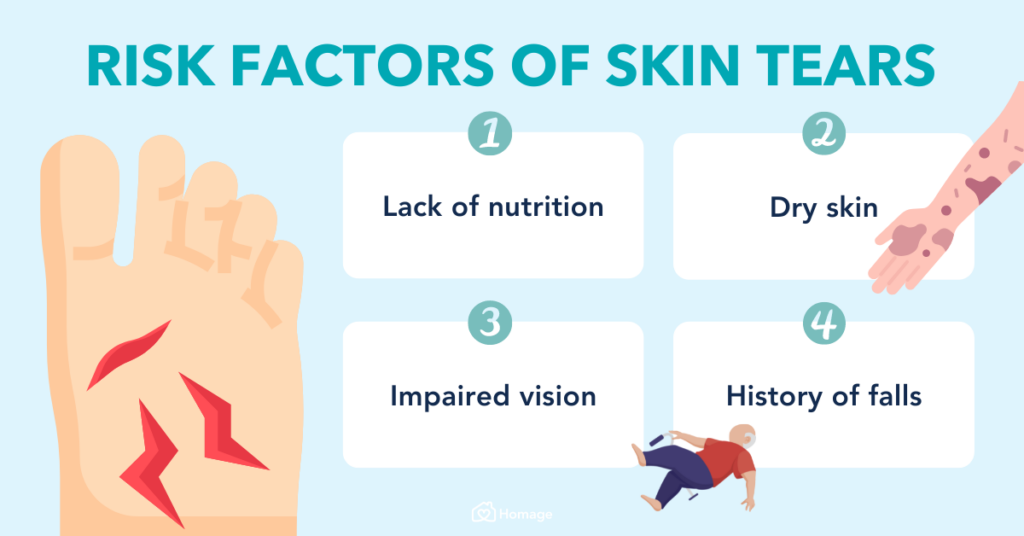
A balanced and nutritious diet is not only essential for your overall health but also has a direct impact on the health of your skin. A diet lacking in essential vitamins, minerals, and healthy fats can lead to dry and lackluster skin. To nourish your skin from within, ensure that your diet includes plenty of fruits, vegetables, whole grains, lean proteins, and sources of healthy fats like avocados and nuts.
Medical Conditions
Certain underlying medical conditions can contribute to dry skin or exacerbate its symptoms. If you have any of the following conditions, it is important to consult with a healthcare professional for proper management:
Atopic Dermatitis
Atopic dermatitis, also known as eczema, is a chronic inflammatory skin condition characterized by dry, itchy, and red patches of skin. This condition can be genetic and is often triggered by environmental factors or allergens. Managing atopic dermatitis involves moisturizing the skin regularly, using topical corticosteroids or other prescribed medications, and avoiding triggers that can worsen the condition.
Psoriasis
Psoriasis is a chronic autoimmune condition that causes the accelerated growth of skin cells, leading to the development of thickened, scaly patches. Dry skin is a common symptom of psoriasis, and flare-ups can be triggered by stress, infections, or certain medications. Treatment options for psoriasis include topical treatments, phototherapy, systemic medications, and lifestyle modifications.
Hypothyroidism
Hypothyroidism is a condition in which the thyroid gland does not produce enough thyroid hormones, leading to a slowdown of various bodily functions. Dry skin is a common symptom of hypothyroidism, along with other symptoms such as fatigue, weight gain, and cold sensitivity. Managing hypothyroidism involves hormone replacement therapy and regular monitoring by a healthcare professional.
Diabetes
Diabetes can affect various systems in the body, including the skin. Dry skin is a common symptom in individuals with diabetes due to poor blood circulation and nerve damage. It is important for individuals with diabetes to maintain healthy blood sugar levels, practice good skincare habits, and promptly address any skin issues to prevent complications.
Allergies
Allergies, particularly respiratory allergies like hay fever or allergic rhinitis, can affect the skin and contribute to dryness and itchiness. Allergens in the environment can trigger an allergic reaction, leading to symptoms that affect the skin, such as a dry or flaky complexion. Managing allergies involves identifying and avoiding triggers, taking prescribed medications, and implementing proper skincare practices.

Occupational Hazards
If you work in certain professions or industries, you may be exposed to occupational hazards that can contribute to dry skin. These hazards can range from frequent exposure to water to working with chemicals or irritants. Here are some common occupational hazards that can cause dry skin:
Frequent Exposure to Water
Jobs that involve frequent exposure to water, such as dishwashing, cleaning, or hairdressers, can strip the skin of its natural oils and cause dryness. To minimize the effects of water exposure, it is important to wear protective gloves whenever possible and moisturize your hands regularly. Applying a barrier cream before working can also provide a protective layer to prevent excessive moisture loss.
Working with Chemicals or Irritants
Certain professions require working with chemicals or irritants that can be harsh on the skin. These substances can disrupt the skin’s moisture barrier and cause dryness and irritation. It is crucial to use personal protective equipment, such as gloves and protective clothing, to minimize direct contact with these substances. Additionally, moisturizing your skin before and after work can help restore moisture and provide a protective barrier.
Precautions for Dry Skin
While it may not be possible to completely prevent dry skin, taking certain precautions can significantly minimize its effects. By incorporating these precautions into your daily routine, you can keep your skin well-moisturized and alleviate dryness. Here are some important precautions to consider:
Moisturize Regularly
Moisturizing regularly is one of the most effective ways to prevent and manage dry skin. Choose a moisturizer that suits your skin type and apply it at least twice a day, focusing on the areas that tend to be drier, such as the hands, elbows, knees, and feet. Opt for moisturizers that contain ingredients like hyaluronic acid, glycerin, or ceramides, as these can help attract and retain moisture in the skin.
Choose Gentle Cleansers
When cleansing your skin, it is important to choose gentle cleansers that do not strip away the skin’s natural oils. Look for mild, fragrance-free cleansers that are specifically formulated for dry or sensitive skin. Avoid using hot water while cleansing, as it can further dehydrate your skin. Instead, use lukewarm water and gently pat your skin dry with a soft towel.
Avoid Hot Water
As mentioned earlier, hot water can be harsh on your skin and cause it to become dry and irritated. When washing your face or taking showers, opt for lukewarm water instead of hot water. Hot water can strip away the natural oils from your skin, leaving it vulnerable to dryness. By using lukewarm water, you can maintain the moisture balance in your skin and prevent excessive drying.
Use a Humidifier
Using a humidifier in your home or office can be beneficial, especially during the winter months or in dry climates. Humidifiers add moisture to the air, which can help prevent your skin from becoming dry and dehydrated. Place a humidifier in your bedroom while you sleep to allow your skin to replenish its moisture levels throughout the night.
Protect from Harsh Weather
Harsh weather conditions, such as cold winds and low humidity, can take a toll on your skin’s moisture levels. To protect your skin from these environmental factors, wear appropriate clothing that covers your body, including your face and hands. Use scarves, gloves, and hats to shield your skin from the cold and wind, and apply a moisturizer with SPF before going outside.
Wear Sunscreen
Sunscreen is not just essential for protecting your skin from harmful UV rays; it also helps to prevent dryness caused by sun exposure. Apply a broad-spectrum sunscreen with an SPF of 30 or higher, even on cloudy days. Make sure to reapply every two hours, especially if you are outdoors for an extended period. By protecting your skin from the sun, you can minimize the risk of dryness and other sun-related skin damage.
Stay Hydrated
Drinking an adequate amount of water is crucial for maintaining hydration throughout your body, including your skin. Aim to drink at least eight glasses of water a day or more if you are physically active or in a dry environment. Proper hydration helps to keep your skin moisturized from the inside out and supports overall skin health.
Eat a Balanced Diet
A well-balanced diet rich in essential nutrients can significantly benefit your skin’s health and moisture levels. Include foods that are high in omega-3 fatty acids, vitamins A, C, and E, and antioxidants in your diet. These nutrients help promote healthy skin and can help combat dryness. Examples of such foods include fatty fish, avocado, nuts, leafy greens, citrus fruits, and berries.
Avoid Excessive Alcohol and Tobacco
Excessive alcohol consumption and tobacco use can have a detrimental effect on your skin’s health and moisture levels. Both alcohol and tobacco dehydrate your body, including your skin, leading to dryness and premature aging. Minimize or avoid alcohol consumption and refrain from smoking to maintain your skin’s hydration and overall well-being.
Manage Stress Levels
Stress can have numerous negative effects on your body, including your skin. High levels of stress can disrupt your skin’s barrier function and contribute to dryness and other skin conditions. It is important to incorporate stress management techniques into your daily routine, such as exercise, meditation, deep breathing exercises, or engaging in activities that you enjoy. By managing stress, you can promote overall skin health and prevent dryness.
Skincare Routine Tips
In addition to taking precautions, adopting an effective skincare routine can help prevent and alleviate dry skin. Here are some valuable skincare tips to keep your skin hydrated and healthy:
Limit Shower Time
While long showers may be relaxing, they can also strip your skin of its natural oils and contribute to dryness. Limit your shower or bath time to 10-15 minutes and avoid using hot water. This will help prevent excessive moisture loss and protect your skin’s natural oils.
Pat Dry Instead of Rubbing
After bathing or washing your face, avoid rough towel drying. Instead, gently pat your skin dry with a soft towel. Rubbing vigorously can irritate your skin and cause it to become dry and sensitive.
Apply Moisturizer on Damp Skin
For maximum hydration, apply moisturizer immediately after cleansing your face or taking a shower. Pat your skin dry until it is slightly damp, then massage the moisturizer into your skin. This helps to lock in moisture and create a protective barrier.
Use Products with Hyaluronic Acid
Hyaluronic acid is a powerhouse ingredient known for its ability to attract and retain moisture in the skin. Look for moisturizers, serums, and other skincare products that contain hyaluronic acid to give your skin an extra boost of hydration.
Exfoliate Gently
Exfoliation is an important step in any skincare routine to remove dead skin cells and promote a healthy complexion. However, it is essential to exfoliate gently, especially if you have dry skin. Use a mild exfoliator and avoid scrubbing too harshly, as this can further strip your skin of its natural oils.
Avoid Fragrances and Irritants
Fragrances and other irritants can irritate and dry out your skin. Opt for fragrance-free or hypoallergenic skincare products to minimize the risk of irritation. Pay attention to the ingredients in your skincare products and avoid those known to be potential irritants.
Clothing and Fabric Choices
The fabric and clothing choices you make can also have an impact on the moisture levels in your skin. Here are some tips to help you choose skin-friendly clothing:
Prefer Soft and Breathable Fabrics
Soft, natural fabrics like cotton or bamboo are gentle on the skin and allow it to breathe. These materials help to reduce friction and irritation, preventing dryness and itchiness.
Avoid Rough and Synthetic Materials
Rough or synthetic materials can cause friction and irritation, leading to dryness and discomfort. Avoid fabrics like wool or polyester, which can be harsh on the skin. Instead, choose fabrics that are smooth and hypoallergenic.
Choose Loose-Fitting Clothing
Tight clothing can rub against the skin, causing irritation and dryness. Opt for loose-fitting clothing that allows your skin to breathe and move freely. This can help prevent excessive friction and promote better air circulation around your body.
Wear Gloves in Cold Weather
During cold weather, wearing gloves can help protect your hands from the drying and damaging effects of the cold air. Choose gloves made from soft, insulating materials that provide warmth without causing excessive sweating.

Additional Precautions
In addition to the precautions mentioned above, there are a few more steps you can take to prevent dry skin. These additional precautions can make a significant difference in maintaining your skin’s hydration levels:
Limit Time in Chlorinated Pools
Chlorine in swimming pools can have a drying effect on your skin. Limit your time in chlorinated pools, and make sure to shower and moisturize your skin after swimming to remove any chlorine residue.
Avoid Long and Hot Baths
While baths can be relaxing, prolonged exposure to hot water can be drying to your skin. Limit the duration of your baths and opt for warm water rather than hot water. This will help prevent your skin from becoming excessively dry.
Protect Hands with Gloves during Cleaning
When cleaning or using cleaning agents, it is important to protect your hands from harsh chemicals and irritants. Wear gloves to shield your skin from direct contact and prevent moisture loss.
Use a Mild Laundry Detergent
Certain laundry detergents contain harsh chemicals and fragrances that can irritate and dry out your skin. Opt for mild, fragrance-free laundry detergents that are gentle on your skin and minimize the risk of irritation.
Avoid Scratching or Scrubbing Dry Skin
When your skin feels dry or itchy, avoid scratching or scrubbing aggressively. This can further irritate the skin and disrupt its moisture barrier. Instead, gently moisturize the affected area to relieve dryness and soothe any discomfort.
When to Seek Medical Advice
While dry skin is often a common and manageable condition, there are instances when it is necessary to seek medical advice. If you experience any of the following symptoms or conditions, it is important to consult with a healthcare professional:
Persistent Dryness and Itching
If your dryness and itching persist despite following a diligent skincare routine and taking precautions, it may be a sign of an underlying condition that requires medical attention. A healthcare professional can help determine the cause of your persistent dryness and recommend appropriate treatment options.
Cracked or Bleeding Skin
Severely dry skin can lead to cracks or fissures in the skin, which can be painful and increase the risk of infection. If you notice any signs of cracked or bleeding skin, it is important to seek medical advice and proper treatment to prevent further complications.
Skin Infections
Dry skin can be more susceptible to infections, particularly if you scratch or irritate the skin. If you develop signs of a skin infection, such as redness, swelling, or pus-filled bumps, it is crucial to see a healthcare professional for proper diagnosis and treatment.
Severe Discomfort or Pain
If your dry skin is causing severe discomfort, pain, or interfering with your daily activities, it is important to consult with a healthcare professional. They can assess your condition, provide appropriate treatment options, and help alleviate your symptoms.
Worsening of Existing Skin Conditions
If you have an existing skin condition, such as eczema or psoriasis, and notice a significant worsening of symptoms or new patches of dryness, it may indicate a flare-up or exacerbation of your condition. Seek medical advice to ensure proper management and control of your skin condition.
In conclusion, understanding the risk factors for dry skin and taking the necessary precautions can significantly help in preventing and managing this common condition. By addressing external factors, adopting a proper skincare routine, making lifestyle modifications, and seeking medical advice when necessary, you can maintain healthy, hydrated skin and alleviate the discomfort associated with dryness. Remember to prioritize skin health and take proactive measures to protect and nourish your skin, as it plays a vital role in overall well-being and self-confidence.