
Are you tired of dealing with hot flashes and the discomfort they bring? Look no further – this article will provide you with a comprehensive overview of the risk factors associated with hot flashes and the precautions you can take to alleviate their intensity. Whether you’ve just started experiencing these sudden waves of heat or have been battling them for years, understanding the factors that contribute to hot flashes and implementing preventative measures can significantly improve your quality of life. Let’s dive in and explore the various risk factors and precautions for hot flashes. Hot flashes are a common symptom experienced by many individuals, particularly women, during certain stages of their lives. While they can be quite uncomfortable and disruptive, it’s important to understand the risk factors that contribute to the occurrence of hot flashes. By identifying these risk factors, individuals can take the necessary precautions to manage and alleviate their symptoms effectively.

Age
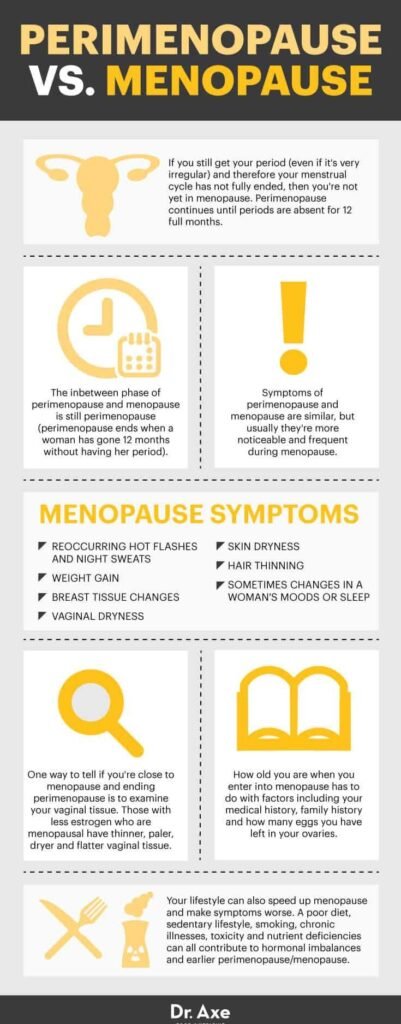
Age is a significant risk factor for hot flashes. As women go through different stages in their reproductive lives, their hormonal levels fluctuate, leading to the occurrence of hot flashes. The specific life stages associated with hot flashes include perimenopause, menopause, and postmenopause.
Perimenopause
Perimenopause refers to the period leading up to menopause and usually occurs in women in their 40s. During this stage, the ovaries start to produce less estrogen, which can result in hormonal imbalances and hot flashes.
Menopause
Menopause marks the end of a woman’s reproductive years and typically occurs around the age of 50. Estrogen levels significantly decrease during menopause, causing hot flashes.
Postmenopause
Postmenopause refers to the phase following menopause. Some women may continue to experience hot flashes even after reaching postmenopause, albeit with reduced frequency and intensity.
Sex
Sex also plays a crucial role in determining the risk factors for hot flashes. Hot flashes are more commonly experienced by women than men, primarily due to the hormonal changes that occur during menopause. However, men who have undergone hormone therapy or have certain medical conditions may also experience hot flashes.

Hormonal Changes
Hormonal changes, particularly fluctuations in estrogen levels, are major contributors to hot flashes.
Decreased Estrogen Levels
During menopause, the ovaries produce less estrogen, which can disrupt the body’s temperature regulation. This hormonal imbalance can trigger hot flashes, causing sudden feelings of intense heat.
Fluctuating Hormone Levels
Aside from menopause, other life events that cause hormonal fluctuations can also contribute to hot flashes. These events include pregnancy and the postpartum period, where the body undergoes significant hormonal shifts.
Obesity
Obesity is another risk factor for hot flashes. Research suggests that individuals who are overweight or obese are more likely to experience hot flashes compared to those with a healthy weight. The exact reason for this correlation is still unclear, but it is believed that the excess body fat may affect the body’s ability to regulate its temperature.
Certain Medications
Taking certain medications can increase the risk of experiencing hot flashes.
Hormone Therapy
While hormone therapy is commonly prescribed to alleviate menopause symptoms, it can paradoxically trigger hot flashes in some individuals. Hormone therapy involves using medications that contain hormones, such as estrogen, to compensate for the declining levels in the body.
Antidepressants
Certain antidepressant medications, particularly selective serotonin reuptake inhibitors (SSRIs), have been shown to cause or worsen hot flashes in some individuals. This risk is more significant in individuals who are already prone to experiencing hot flashes.
Opioid Analgesics
Opioid analgesics, powerful pain-relieving medications, have also been associated with an increased risk of hot flashes. The mechanism behind this association is not fully understood, but it is believed to involve the opioid receptors in the brain.
Breast Cancer Treatments
Some treatments for breast cancer, such as hormone therapy or chemotherapy, can induce hot flashes. These therapies aim to suppress estrogen production or block its effects, ultimately leading to hormonal imbalances and hot flashes.
Medications affecting Blood Pressure
Certain medications that regulate blood pressure, such as beta-blockers, have been linked to increased hot flash occurrence. However, the precise relationship between these medications and hot flashes is still being explored.
Smoking and Alcohol Consumption
Unhealthy lifestyle habits, such as smoking and excessive alcohol consumption, can contribute to the frequency and intensity of hot flashes. Research suggests that both smoking and alcohol can disrupt hormonal balance and negatively affect blood vessel function, enhancing the risk of experiencing hot flashes.
Ethnicity
Ethnicity may also influence the risk of hot flashes. Studies have shown that some ethnic groups, such as African American women, may experience more severe and frequent hot flashes compared to women of other ethnic backgrounds. However, the exact reasons for these differences are still not fully understood and require further research.
Family History
If you have a family history of hot flashes, you may be at a higher risk of experiencing them yourself. Genetic factors and shared environmental influences can contribute to the development of hot flashes and make them more likely to occur in certain individuals.
Medical Conditions
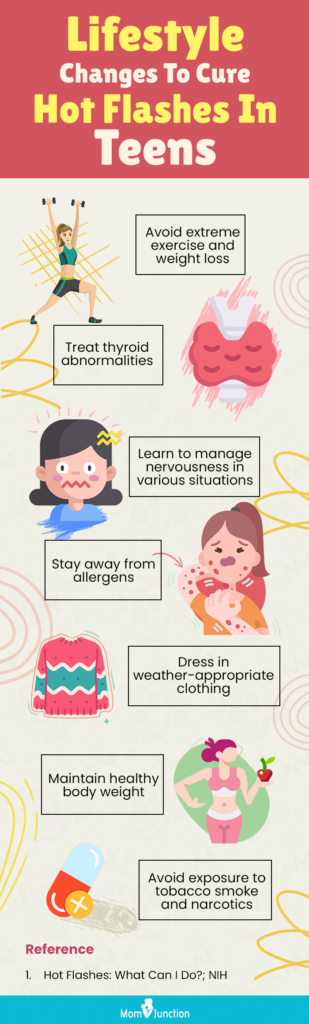
Several medical conditions can increase the risk of experiencing hot flashes. These conditions include thyroid disorders, diabetes, certain neurological disorders, and autoimmune diseases. Proper management and treatment of these underlying conditions can help alleviate hot flashes.
Stress and Anxiety
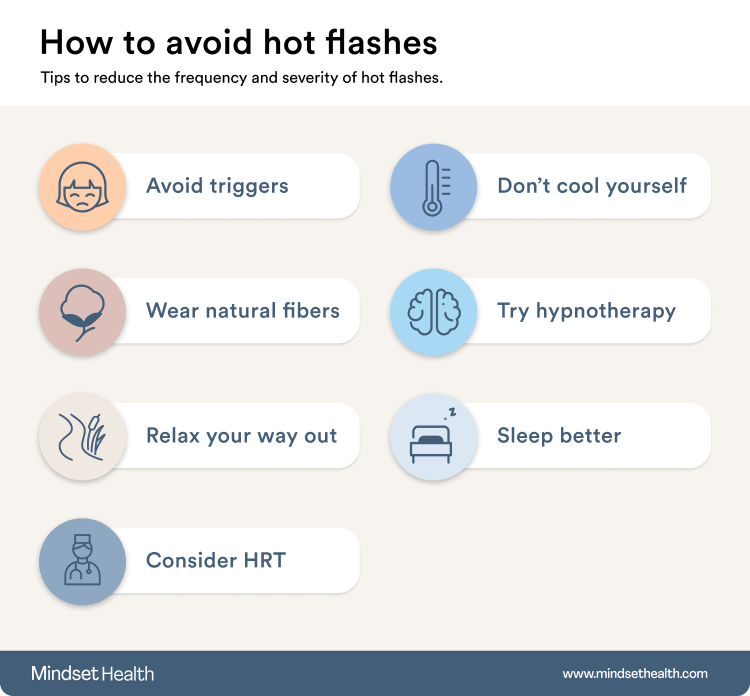
Stress and anxiety can exacerbate the frequency and severity of hot flashes. Emotional stress and heightened anxiety levels compromise the body’s ability to regulate its temperature, potentially triggering hot flashes in susceptible individuals. Implementing stress-reduction techniques, such as mindfulness meditation or yoga, can help manage and reduce the occurrence of hot flashes.
In conclusion, various factors contribute to the risk of experiencing hot flashes. Age, sex, hormonal changes, obesity, certain medications, smoking and alcohol consumption, ethnicity, family history, medical conditions, and stress can all influence the occurrence and severity of hot flashes. By understanding these risk factors, individuals can take proactive measures to manage their symptoms effectively and improve their overall quality of life. It’s essential to consult a healthcare professional for personalized guidance and treatment options to address hot flashes comprehensively.