
Are you wondering what causes heat rash and how to prevent it? In this article, we will explore the risk factors associated with heat rash and provide you with valuable precautions to keep your skin cool and comfortable. Whether you’re heading out for a day at the beach or planning a hike in the summer heat, understanding these factors and taking necessary steps can help you avoid the discomfort and irritation of heat rash. So, let’s dive in and learn how to stay rash-free in the summer sun!

What is Heat Rash
Heat rash, also known as prickly heat or miliaria, is a common skin condition that occurs when sweat glands become blocked and sweat cannot be properly released. This results in a buildup of sweat under the skin, leading to irritation, redness, and the formation of small red bumps or pimples.
Definition
Heat rash is a dermatological condition characterized by the inflammation of the sweat glands and the surrounding skin. It occurs when the body’s sweat glands become clogged, trapping sweat beneath the skin. This often happens in hot and humid weather or when excessive sweating occurs due to physical activity.
Types of Heat Rash
There are three main types of heat rash:
-
Miliaria crystallina: This is the mildest form of heat rash and presents as tiny, clear, fluid-filled blisters on the surface of the skin. These blisters can easily rupture and do not cause any lasting skin damage.
-
Miliaria rubra: Also known as prickly heat, this type of heat rash appears as red bumps or pimples on the skin. It is the most common form of heat rash and may cause itching and a prickling sensation.
-
Miliaria profunda: This is the least common and most severe form of heat rash. It occurs in individuals who frequently experience recurrent episodes of miliaria rubra. Miliaria profunda affects the deeper layers of the skin and can cause large, flesh-colored lesions that resemble goosebumps.
Risk Factors
Several factors can increase the risk of developing heat rash. Understanding these risk factors can help individuals take appropriate precautions to prevent or minimize the occurrence of heat rash.
Hot and Humid Weather
Hot and humid weather is a common risk factor for heat rash. In such weather conditions, the body may produce excessive amounts of sweat, which can contribute to the blockage of sweat glands and the development of heat rash.
Sweating
Excessive sweating, whether due to physical activity or certain medical conditions, can increase the risk of heat rash. When the body produces more sweat than can be effectively evaporated, the sweat can become trapped under the skin, leading to heat rash.
Overdressing
Wearing excessive clothing or tight-fitting garments can impede the body’s ability to cool down through sweat evaporation. This can contribute to the development of heat rash, especially if the clothing fabrics are not breathable.
Physical Activity
Engaging in vigorous physical activity or exercises that induce heavy sweating can increase the likelihood of developing heat rash. The increased sweating combined with friction from clothing can exacerbate the condition.
Age
Infants and young children are more susceptible to heat rash due to their underdeveloped sweat glands and less efficient regulation of body temperature. The elderly may also be at higher risk due to age-related changes in skin structure and reduced ability to sweat.
Obesity
Being overweight or obese can lead to increased sweating and friction between skin folds, increasing the risk of heat rash. Sweat and moisture can become trapped in these areas, exacerbating the condition.
Bedridden Individuals
Individuals who are bedridden or have limited mobility may experience increased pressure and friction on the skin, which can contribute to the development of heat rash.
Skin Infections
Pre-existing skin infections or conditions that lead to compromised skin integrity, such as eczema or dermatitis, can increase the risk of heat rash. These conditions can disrupt the normal functions of the sweat glands, making them more prone to blockages.
Use of Occlusive Clothing
Wearing occlusive clothing, such as tight-fitting or impermeable fabrics, can restrict airflow and hinder sweat evaporation. This can create a favorable environment for the development of heat rash.
Poor Hygiene
Lack of proper hygiene can contribute to the occurrence of heat rash. Sweat, dirt, and bacteria can accumulate on the skin, leading to clogged sweat glands and increased vulnerability to heat rash.

Symptoms
Recognizing the symptoms of heat rash is essential for timely intervention and effective management of the condition.
Red Bumps or Pimples
The most common symptom of heat rash is the presence of small red bumps or pimples on the affected skin. These may be accompanied by mild swelling and tenderness. The bumps may resemble a rash or appear as individual lesions.
Itching
Heat rash often causes itching, which can range from mild to severe. The itching is a result of skin irritation caused by the trapped sweat and the inflammatory response in the affected area.
Prickling or Tingling Sensation
Many individuals with heat rash report experiencing a prickling or tingling sensation on the affected skin. This sensation can vary in intensity and may be exacerbated by factors such as heat and sweat.
Increased Sensitivity to Heat
People with heat rash may experience heightened sensitivity to heat. The affected area may feel warm to the touch or become easily irritated when exposed to heat sources, such as the sun or warm water.
Fluid-filled Blisters
In more severe cases of heat rash, fluid-filled blisters may develop. These blisters can range in size and may appear clear or cloudy. They can be tender and prone to rupture, leaving the skin vulnerable to infection.
Skin Swelling
Heat rash can sometimes cause localized swelling in the affected area. The swelling is usually mild and accompanies other symptoms such as redness, itching, or the presence of blisters.
Heat Exhaustion or Heat Stroke
In extreme cases and prolonged exposure to hot environments, heat rash can be accompanied by symptoms of heat exhaustion or heat stroke. These symptoms include dizziness, nausea, headache, rapid heartbeat, and body temperature elevation. Immediate medical attention is required if these symptoms occur.
Prevention
Taking preventive measures is crucial in reducing the risk of heat rash, especially during periods of high temperature and humidity.
Dress Appropriately
Choose loose-fitting, lightweight clothing that allows for proper airflow and helps to wick away moisture. Opt for breathable fabrics such as cotton or moisture-wicking materials to help keep the skin dry and prevent sweat from becoming trapped.
Stay Hydrated
Drink plenty of fluids, especially water, to stay hydrated. This can help regulate body temperature and prevent excessive sweating. Avoid or limit beverages that can dehydrate the body, such as alcohol or caffeinated drinks.
Take Frequent Breaks
If engaging in physical activity or spending time outdoors in hot weather, take regular breaks in shaded or cool areas. This allows the body to cool down and reduce the risk of excessive sweating and heat rash development.
Use Air Conditioning or Fans
Make use of air conditioning or fans to keep indoor environments cool. This helps to maintain a comfortable temperature and minimize sweating. Circulating air can also help evaporate sweat and prevent sweat gland blockages.
Avoid Overdressing
Avoid wearing excessive layers of clothing or heavy fabrics that can trap sweat and heat. Dress in lighter clothing that allows for better air circulation and facilitates sweat evaporation.
Choose Breathable Fabrics
Opt for fabrics that are breathable and moisture-wicking, such as cotton or synthetic blends specifically designed for active wear. These fabrics allow sweat to evaporate more easily, reducing the risk of sweat gland blockage.
Shower or Bathe Regularly
Regularly shower or bathe to keep the skin clean and free of sweat, bacteria, and other impurities. This helps to prevent sweat gland blockage and reduce the risk of heat rash.
Keep the Skin Dry
After bathing or showering, thoroughly dry the skin. Pay special attention to areas prone to excessive sweating, such as the armpits, groin, and skin folds. Keeping the skin dry can prevent sweat accumulation and reduce the risk of heat rash.
Use Powders or Anti-Chafing Creams
Applying talcum powder or cornstarch to areas prone to excessive sweating can help absorb moisture and prevent friction between the skin. Anti-chafing creams or ointments can also provide a protective barrier and reduce the risk of heat rash.
Maintain a Healthy Weight
Maintaining a healthy weight can reduce the risk of increased sweating and skin friction. Regular exercise and a balanced diet can help achieve and maintain a healthy weight, potentially reducing the risk of heat rash.

Treatment
In most cases, heat rash can be managed at home with simple remedies and lifestyle adjustments. However, if the symptoms persist or worsen, professional medical treatment may be necessary.
Rest and Cool Down
The first step in treating heat rash is to immediately remove yourself from a hot or humid environment. Find a cool and well-ventilated area or use a fan to help lower your body temperature. Resting and avoiding activities that induce excessive sweating can allow the skin to recover.
Oatmeal Baths
Taking oatmeal baths can provide relief from itching, redness, and inflammation associated with heat rash. The soothing properties of oatmeal can help calm the skin and reduce irritation. Add colloidal oatmeal to lukewarm bathwater and soak in it for about 15-20 minutes. Gently pat the skin dry after the bath.
Cold Compresses
Applying cold compresses to the affected area can help reduce inflammation and soothe the skin. Soak a clean cloth or towel in cool water, wring out excess moisture, and gently apply it to the affected area for 10-15 minutes. Repeat as needed to alleviate discomfort.
Topical Steroids
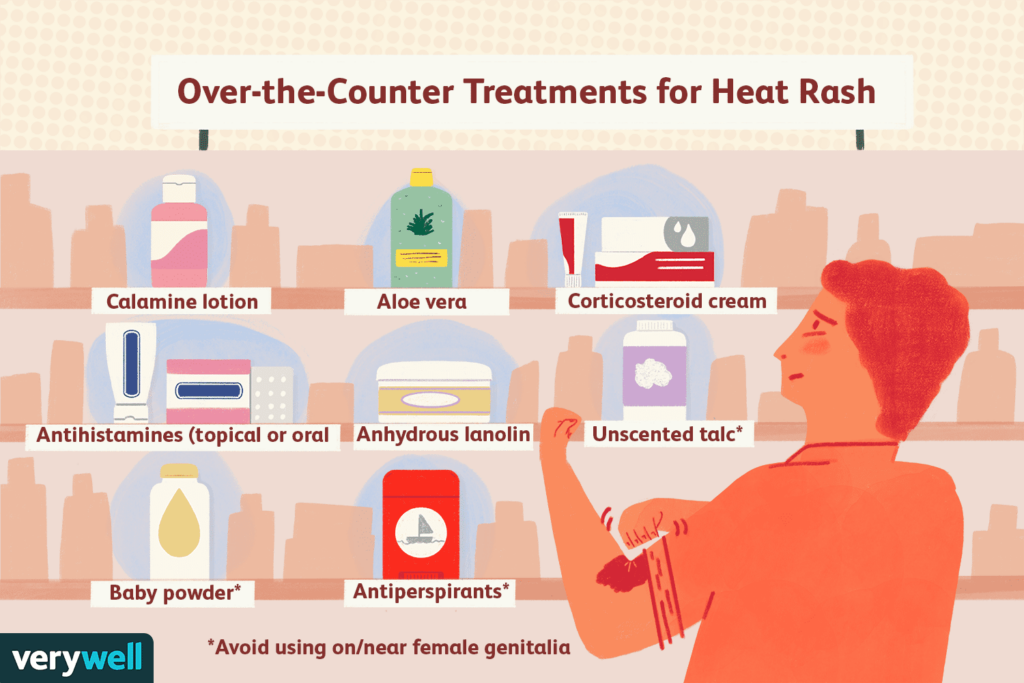
In some cases, a healthcare professional may prescribe topical steroids to reduce inflammation and promote healing. These creams or ointments can help alleviate itching, redness, and swelling associated with heat rash. Follow the instructions provided by the healthcare professional and use the medication as directed.
Calamine Lotion
Calamine lotion can provide relief from itching and soothe the skin affected by heat rash. Apply a thin layer of calamine lotion to the affected area and allow it to dry. Reapply as needed to alleviate itching and discomfort.
Antihistamines
Over-the-counter antihistamines may be recommended to help alleviate itching and reduce allergic reactions associated with heat rash. Consult a healthcare professional before taking any medications to ensure their suitability and appropriate dosage.
Avoid Scratching
To prevent further irritation and potential infection, it is important to resist the urge to scratch the affected area. Scratching can break the skin, leading to secondary infections and potential scarring. Instead, use gentle measures such as applying cool compresses or using soothing lotions to alleviate itching.
Professional Medical Treatment
In severe cases or when symptoms do not improve with home remedies, it is advisable to seek medical attention. A healthcare professional can assess the severity of the heat rash, prescribe appropriate medications, and provide further guidance on management and treatment.
Complications
Although heat rash is generally a mild condition, complications may arise if left untreated or if risk factors are not addressed.
Secondary Infections
Heat rash can create an environment conducive to bacterial or fungal growth, increasing the risk of secondary infections. Symptoms of infection include increased redness, warmth, swelling, pus, and pain. Prompt medical attention is necessary if signs of infection occur.
Scarring
In some cases, heat rash can cause scarring, particularly if the affected area is repeatedly scratched or if infection occurs. Scarring can result in permanent changes to the texture and appearance of the skin.
Hyperpigmentation
The skin affected by heat rash may experience hyperpigmentation, causing darkening of the affected area. This pigmentation change can be temporary or permanent, depending on the individual and the extent of the rash.
Heat Exhaustion
If heat rash is left untreated and the individual continues to be exposed to excessive heat, it can progress to heat exhaustion. Heat exhaustion is a more serious condition characterized by symptoms such as weakness, dizziness, elevated body temperature, nausea, and headache. Immediate medical attention is required for heat exhaustion.
Heat Stroke
Heat rash can also be a precursor to heat stroke, a life-threatening condition that occurs when the body’s temperature regulation mechanisms fail. Symptoms of heat stroke include a body temperature above 103°F (39.4°C), altered mental state, confusion, rapid breathing, rapid heartbeat, and loss of consciousness. Heat stroke is a medical emergency and requires immediate medical attention.
When to See a Doctor
Although most cases of heat rash can be managed at home, certain circumstances warrant medical intervention.
Severe Symptoms
If you experience severe symptoms such as an extremely itchy or painful rash, rapidly spreading redness, widespread swelling, or difficulty breathing, seek immediate medical attention.
Signs of Infection
If the heat rash becomes infected, signs may include increased redness, warmth, tenderness, pus, or the development of fever. These are indications that medical attention is necessary.
Worsening Symptoms
If your symptoms persist or worsen despite home remedies or preventive measures, consult a healthcare professional for further evaluation and guidance.
Persistent Rash
If the heat rash does not show signs of improvement after several days or if new rashes continue to develop, it is important to seek medical advice for proper diagnosis and treatment.
Presence of Fever
The sudden onset of fever accompanying heat rash should not be ignored. Fever may be an indication of an underlying infection or a more serious heat-related condition.
Conclusion
Heat rash, although a common condition, can cause discomfort and inconvenience. Understanding the risk factors and practicing appropriate preventive measures can help minimize the occurrence of heat rash. By dressing appropriately, staying hydrated, and maintaining good hygiene practices, individuals can reduce the risk of developing heat rash. Should symptoms arise, prompt treatment using home remedies or professional medical intervention can alleviate discomfort and prevent complications. Monitoring for signs of infection, hyperpigmentation, or more serious heat-related conditions is essential for the early detection and management of potential complications. In conclusion, understanding risk factors, taking preventive measures, and seeking medical attention when necessary are crucial in effectively managing and minimizing the impact of heat rash on overall well-being.
