
Cancer, a word that strikes fear in many hearts. It’s time to arm yourself with knowledge about the risk factors and precautions to protect yourself from this dreaded disease. In this article, we will explore the various factors that contribute to the development of cancer and provide practical tips on how to minimize your risk. By understanding these crucial aspects, you can take proactive steps towards maintaining your health and reducing the likelihood of falling victim to this devastating illness.
Risk Factors for Cancer
Cancer is a disease that can affect anyone, but there are certain risk factors that can increase your chances of developing it. It’s important to be aware of these risk factors so that you can make informed decisions about your health and take preventive measures. In this article, we will explore the various risk factors for cancer, including age, family history, genetics, lifestyle choices, and environmental factors. We will also discuss precautions you can take to reduce your risk of developing cancer and promote a healthy lifestyle.
Age
Age is a major risk factor for cancer. As we age, our cells become more prone to damage and mutation, making us more susceptible to cancerous growth. This is because our body’s natural defense mechanisms, such as DNA repair, tend to decline as we get older. According to the American Cancer Society, more than half of all cancer cases are diagnosed in people aged 65 and older. However, cancer can affect individuals of any age group, so it’s important to be aware of other risk factors as well.
Impact of Aging on Cancer Risk
As we age, the risk of developing cancer increases. This is mainly due to the accumulation of genetic mutations and changes in our body’s ability to regulate cell growth and division. Age-related factors such as hormonal changes and weakened immune system function can also contribute to the development of cancer. It’s important to recognize the impact of aging on cancer risk and to adopt preventive measures at every stage of life.
Age-Specific Cancer Risks
Certain types of cancer are more common in specific age groups. For example, breast cancer is more prevalent among women in their 40s and 50s, while prostate cancer is more common in men over the age of 50. Understanding age-specific cancer risks can help healthcare professionals develop targeted screening and detection strategies. It’s important to stay informed about the cancer risks associated with your specific age group and to discuss them with your healthcare provider.
Family History
Your family history can play a significant role in determining your risk of developing cancer. If you have close relatives, such as parents, siblings, or children, who have been diagnosed with cancer, your risk of developing the same or a related cancer is higher than that of the general population. This is because certain genetic mutations can be inherited and passed down through generations. It’s crucial to know your family history and share this information with your healthcare provider.
Importance of Family History
Knowing your family history is important because it can help identify patterns and potential genetic factors that may increase your risk of developing cancer. By understanding your family history, you and your healthcare provider can assess your risk more accurately and create a tailored plan for early detection and prevention. It’s essential to have open and honest conversations with your family members about their health history and to keep this information up to date.
Types of Cancer with Genetic Link
Certain types of cancer have a strong genetic link, meaning that specific gene mutations can significantly increase your risk of developing these cancers. Examples of such cancers include breast, ovarian, colorectal, and pancreatic cancer. If you have a family history of these cancers, it’s important to discuss genetic counseling and testing with your healthcare provider. This can help determine whether you carry inherited gene mutations and inform your risk assessment and preventive measures.
Genetic Counseling and Testing
Genetic counseling and testing can provide valuable insights into your individual cancer risk. Genetic counselors are healthcare professionals specially trained to analyze family health history and assess the likelihood of inherited gene mutations. They can help you understand your risk, guide you through the testing process, and provide support and resources. Genetic testing involves analyzing your DNA to identify specific gene mutations that may increase your risk of developing cancer. This information can empower you to make informed decisions about your health and take appropriate preventive measures.
Genetics
Genetics play a crucial role in cancer development. While most cancers are not directly caused by inherited gene mutations, certain gene mutations can significantly increase your risk of developing cancer. It’s important to understand the role of genetics in cancer and to be aware of the specific genes associated with cancer risk.
Inherited Gene Mutations
Inherited gene mutations are gene changes that are passed down from parents to children. These mutations can increase the risk of developing certain types of cancer. For example, mutations in the BRCA1 and BRCA2 genes are known to significantly increase the risk of breast and ovarian cancer. Other gene mutations, such as those in the Lynch syndrome genes, are associated with colorectal and uterine cancer. If you have a family history of cancer and suspect an inherited gene mutation, genetic counseling and testing can help provide clarity.
BRCA1 and BRCA2 Genes
BRCA1 and BRCA2 are two of the most well-known genes associated with an increased risk of breast and ovarian cancer. Mutations in these genes can be inherited from a parent and can significantly increase the risk of developing these cancers. It’s important to note that not everyone with a BRCA1 or BRCA2 mutation will develop cancer, but the risk is higher compared to those without the mutations. Genetic counseling and testing can help identify whether you carry these gene mutations and determine the appropriate preventive measures.
Other Genes Associated with Cancer Risk
In addition to BRCA1 and BRCA2, there are several other genes associated with an increased risk of developing cancer. For example, mutations in the TP53 gene are associated with an increased risk of several types of cancer, including breast, ovarian, and colorectal cancer. Other genes, such as PTEN, CDH1, and PALB2, are also known to be associated with specific cancers. Understanding these gene mutations and their implications can help you and your healthcare provider develop targeted preventive measures and screening strategies.

Lifestyle Choices
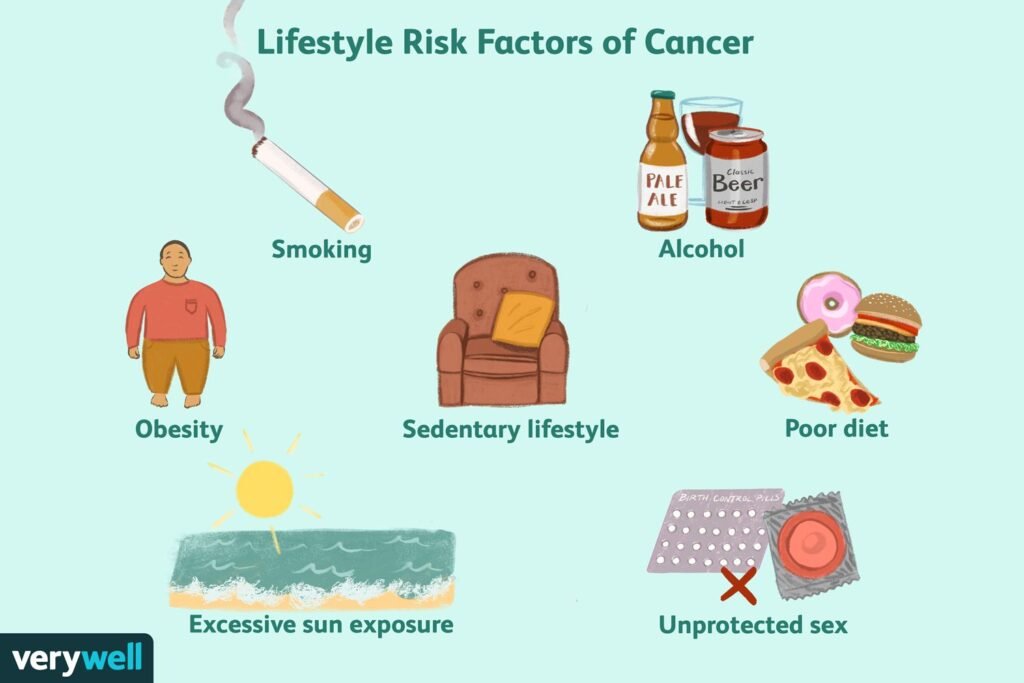
Your lifestyle choices can significantly impact your risk of developing cancer. Certain behaviors and habits, such as tobacco use, unhealthy diet, lack of physical activity, excessive alcohol consumption, and obesity, can increase your chances of developing various types of cancer. By making conscious choices to adopt a healthy lifestyle, you can reduce your risk of cancer and improve your overall well-being.
Tobacco Use
Tobacco use is a major risk factor for cancer. Smoking tobacco, as well as using smokeless tobacco products, can increase the risk of developing lung, mouth, throat, esophageal, bladder, and many other types of cancer. Even secondhand smoke exposure can be harmful. Quitting tobacco use is one of the most effective ways to reduce your risk of cancer and improve your health overall. If you need assistance in quitting, there are various resources available, including support groups, medications, and counseling.
Unhealthy Diet
A poor diet is another risk factor for cancer. Consuming a diet high in processed foods, red and processed meats, unhealthy fats, and sugary beverages can increase your risk of developing colorectal, pancreatic, and breast cancer, among others. On the other hand, a healthy diet rich in fruits, vegetables, whole grains, lean proteins, and healthy fats can help lower your risk of cancer and promote overall well-being. It’s important to make conscious choices about what you eat and to strive for a balanced and nutritious diet.
Lack of Physical Activity
Leading a sedentary lifestyle and not engaging in regular physical activity can increase your risk of developing cancer. Lack of exercise has been linked to an increased risk of colorectal, breast, and endometrial cancer, among others. Engaging in regular physical activity can help maintain a healthy weight, strengthen your immune system, improve circulation, and reduce inflammation, all of which can contribute to a lower risk of cancer. Aim for at least 150 minutes of moderate-intensity exercise or 75 minutes of vigorous exercise per week.
Excessive Alcohol Consumption
Excessive alcohol consumption is another lifestyle choice that can increase your risk of developing cancer. Alcohol consumption has been linked to an increased risk of several types of cancer, including breast, liver, colorectal, and mouth cancer. It’s important to be mindful of your alcohol intake and to limit it to moderate levels. For women, this means no more than one drink per day, and for men, no more than two drinks per day.
Obesity
Obesity is a significant risk factor for cancer. Being overweight or obese increases the risk of developing various types of cancer, including breast, colorectal, pancreatic, and kidney cancer. This is believed to be due to the excess fat tissue producing hormones and other substances that can promote the growth of cancer cells. Maintaining a healthy weight through a combination of healthy eating and regular physical activity is important in reducing your risk of cancer.
Environmental Factors
In addition to age, family history, genetics, and lifestyle choices, environmental factors can also play a role in cancer development. Exposure to certain carcinogens, radiation exposure, occupational hazards, and air and water pollution can increase the risk of developing cancer. It’s important to be aware of these environmental factors and take steps to minimize your exposure.
Exposure to Carcinogens
Exposure to certain chemicals and substances known as carcinogens can increase your risk of developing cancer. These include chemicals found in tobacco smoke, asbestos, benzene, formaldehyde, and others. It’s important to be cautious in your workplace and ensure that proper safety measures are in place to protect against carcinogen exposure. Additionally, avoiding secondhand smoke, using protective equipment when necessary, and following safety guidelines can help minimize your exposure to carcinogens.
Radiation Exposure
Exposure to ionizing radiation, such as medical imaging tests like X-rays and CT scans, can increase your risk of developing cancer. Prolonged exposure to radiation, especially at high doses, can damage the DNA in your cells and increase the likelihood of cancerous changes. It’s important to discuss the necessity and potential risks of radiation-based procedures with your healthcare provider. In some cases, alternative imaging techniques or limiting unnecessary exposure can be considered.
Occupational Hazards
Certain occupations may involve increased exposure to carcinogens or other environmental risk factors that can increase the risk of cancer. For example, asbestos exposure in construction workers, benzene exposure in chemical industry workers, and sun exposure in outdoor workers can all contribute to an increased risk of cancer. It’s important to follow safety protocols, use protective equipment, and be aware of the potential hazards in your workplace to minimize your risk.
Air and Water Pollution
Exposure to air and water pollution can also increase your risk of developing cancer. Pollutants such as heavy metals, polycyclic aromatic hydrocarbons (PAHs), and industrial chemicals can contaminate the air and water supply, leading to potential health problems. Be aware of the quality of the air you breathe and the water you consume. If you live in an area with high pollution levels, take measures to minimize your exposure, such as using air purifiers or filters and drinking filtered or bottled water.

Precautions for Cancer
While it’s not possible to completely eliminate the risk of developing cancer, there are precautions you can take to reduce your risk and promote early detection. By being proactive and making certain lifestyle changes, you can stack the odds in your favor and improve your overall health.
Early Detection
Early detection plays a crucial role in the successful treatment of cancer. Regular check-ups and screenings can help detect cancer at an early stage when it’s most treatable. Pay attention to any unusual changes or symptoms in your body, and promptly report them to your healthcare provider. It’s important to discuss with your healthcare provider the appropriate screening tests based on your age, gender, family history, and other risk factors.
Screening Tests
Regular screening tests can help detect cancer before any symptoms become apparent. Some common cancer screening tests include mammograms for breast cancer, Pap smears for cervical cancer, colonoscopies for colorectal cancer, and prostate-specific antigen (PSA) tests for prostate cancer. The frequency and timing of these screenings may vary depending on your risk factors and individual circumstances. It’s important to follow the recommended screening guidelines and discuss any concerns or questions with your healthcare provider.
Self-Examination
Performing regular self-examinations can also help in the early detection of certain types of cancer. For example, self-breast examinations can aid in the early detection of breast cancer. It’s important to learn how to perform self-examinations correctly and to be aware of any changes or abnormalities. If you notice any concerning symptoms or changes, it’s important to report them to your healthcare provider for further evaluation.
Preventive Measures
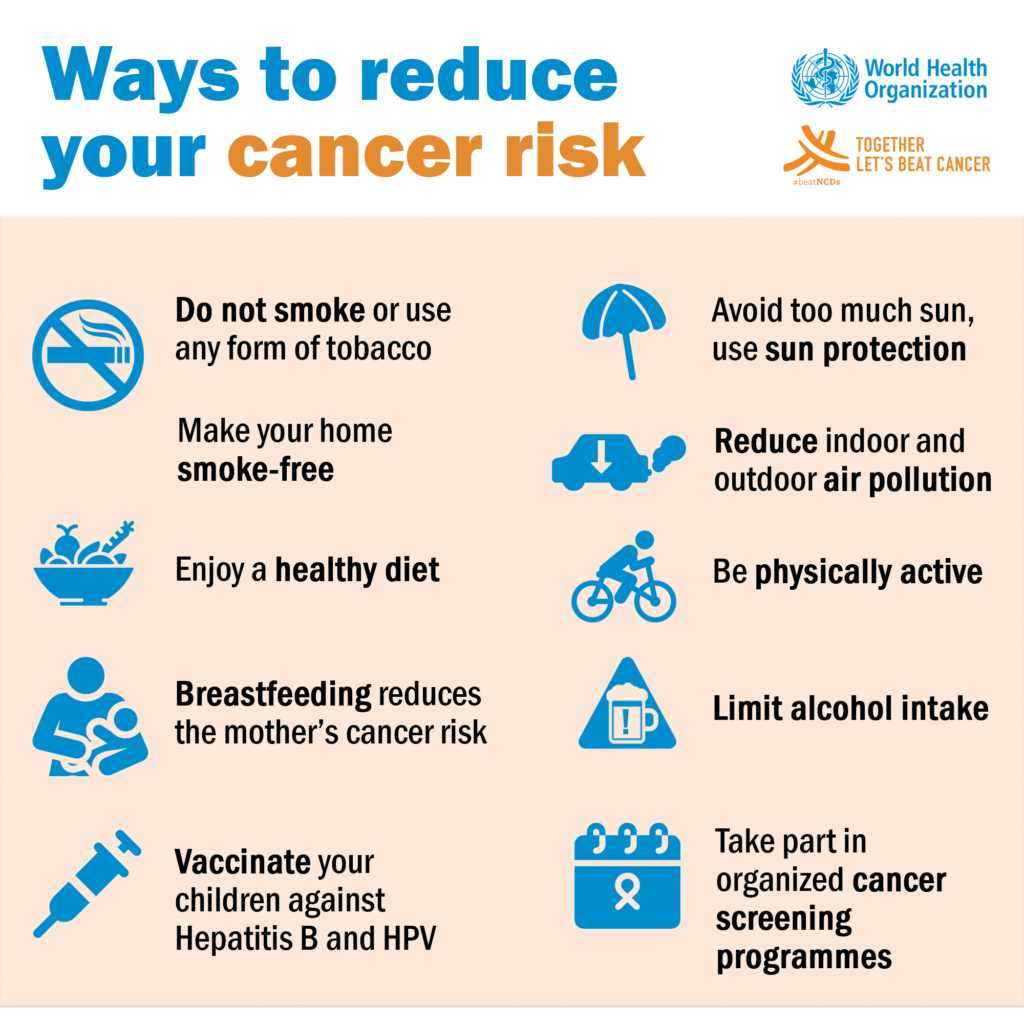
Adopting preventive measures can significantly reduce your risk of developing cancer. These include maintaining a healthy lifestyle, avoiding tobacco use, following a balanced diet, engaging in regular physical activity, limiting alcohol consumption, managing stress, and practicing safe sun exposure. By making conscious choices and incorporating these preventive measures into your daily life, you can lower your risk of cancer and improve your overall health.
Vaccinations
Certain vaccines can help prevent specific types of cancer. The human papillomavirus (HPV) vaccine, for example, can protect against HPV infection, which is a known cause of cervical, anal, and other types of cancer. Hepatitis B vaccination can also reduce the risk of liver cancer. It’s important to discuss with your healthcare provider the appropriate vaccinations based on your age, gender, and individual circumstances.
Healthy Lifestyle
Maintaining a healthy lifestyle is one of the most important factors in reducing your risk of cancer. This includes avoiding smoking and tobacco use, following a balanced diet rich in fruits, vegetables, whole grains, lean proteins, and healthy fats, engaging in regular physical activity, limiting alcohol consumption, managing stress, practicing safe sun exposure, and getting enough sleep. By making these healthy choices, you can promote overall well-being and reduce your risk of developing cancer.
Early Detection
Early detection is crucial when it comes to successfully treating cancer. Detecting cancer at an early stage allows for more treatment options and generally leads to better outcomes. Regular check-ups, routine screenings, and awareness of common early symptoms are key in the early detection of cancer.
Importance of Early Detection
Early detection can significantly improve cancer prognosis and increase the chances of successful treatment. When cancer is detected early, it is often localized and has not yet spread to other parts of the body. This makes treatment more effective and may even allow for less invasive treatment options. Regular check-ups and screenings can catch cancer in its early stages when it’s most treatable, improving the chances of survival and reducing the need for aggressive interventions.
Common Early Symptoms
Recognizing common early symptoms of cancer can also aid in early detection. While these symptoms may vary depending on the type and stage of cancer, common early signs include unexplained weight loss, persistent fatigue, changes in the appearance of skin or moles, unusual bleeding or discharge, persistent pain, and changes in bowel or bladder habits. It’s important to pay attention to your body and consult with your healthcare provider if you notice any concerning symptoms.
Significance of Routine Check-ups
Routine check-ups with your healthcare provider are essential for early detection of cancer. These check-ups may involve a physical examination, discussions about your medical history and lifestyle choices, and monitoring of any concerning symptoms. Your healthcare provider can provide guidance on appropriate screenings based on your personal risk factors and age. Regular check-ups can help detect cancer or precancerous changes before symptoms appear, increasing the chances of successful treatment.

Screening Tests
Screening tests are an important tool in the early detection of cancer. These tests can detect cancer or precancerous changes before symptoms arise, allowing for timely treatment and improved outcomes. Various screening tests are recommended for different types of cancer, based on factors such as age, gender, and family history.
Types of Cancer Screening
There are several types of cancer screening tests available, each designed to detect specific types of cancer. Some of the common screening tests include mammograms for breast cancer, Pap smears for cervical cancer, colonoscopies for colorectal cancer, and PSA tests for prostate cancer. Other examples include lung cancer screening through low-dose CT scans in high-risk individuals and skin cancer screenings for melanoma. The frequency of screening tests may vary depending on your age, gender, family history, and individual risk factors.
Recommended Screening Guidelines
Different organizations provide guidelines for cancer screening based on scientific evidence. It’s important to follow the recommended screening guidelines established by reputable organizations, such as the American Cancer Society, the U.S. Preventive Services Task Force, and the National Comprehensive Cancer Network. These guidelines consider factors such as age, gender, family history, and individual risk factors to determine the appropriate timing and frequency of screening tests. Regular screenings can significantly improve the chances of detecting cancer early and achieving successful treatment outcomes.
Benefits and Limitations of Screening
Screening tests offer several benefits, including the early detection of cancer, increased treatment options, improved chances of survival, and potentially less invasive treatment procedures. However, it’s essential to understand that screening tests also have limitations. False positives and false negatives are possible, leading to unnecessary follow-up tests or missed diagnoses. Additionally, some screening tests may carry risks, such as radiation exposure or complications from invasive procedures. It’s important to discuss the benefits and limitations of screening tests with your healthcare provider and make informed decisions based on your individual circumstances.
Healthy Lifestyle
Leading a healthy lifestyle is key to reducing your risk of various diseases, including cancer. By making conscious choices and adopting healthy habits, you can significantly lower your risk of cancer and improve your overall well-being.
No Smoking or Tobacco Use
Avoiding smoking and tobacco use is one of the most effective ways to reduce your risk of cancer. Smoking is a major cause of various types of cancer, including lung, mouth, throat, esophageal, and bladder cancer. Secondhand smoke exposure is also harmful and can increase the risk of cancer. If you are a smoker, quitting is the best choice you can make for your health. There are various resources available, such as counseling services, support groups, and medications, to help you quit smoking and live a smoke-free life.
Balanced Diet
Eating a balanced diet is important for overall health and can help reduce your risk of cancer. A diet rich in fruits, vegetables, whole grains, lean proteins, and healthy fats provides the necessary nutrients and antioxidants to support your body’s natural defense mechanisms. Good nutrition can also help maintain a healthy weight, which is important in reducing the risk of obesity-related cancers. Limiting processed foods, red and processed meats, unhealthy fats, and sugary beverages is also crucial for cancer prevention.
Regular Exercise
Engaging in regular physical activity is a key component of a healthy lifestyle and can significantly reduce your risk of cancer. Exercise helps maintain a healthy weight, strengthens your immune system, improves circulation, reduces inflammation, and supports overall well-being. Aim for at least 150 minutes of moderate-intensity exercise or 75 minutes of vigorous exercise per week. Find activities you enjoy, such as walking, swimming, dancing, or cycling, and make exercise a part of your daily routine.
Limited Alcohol Consumption
Excessive alcohol consumption can increase your risk of various types of cancer, including breast, liver, colorectal, and mouth cancer. To reduce your risk, it’s important to limit your alcohol consumption. For women, this means no more than one drink per day, and for men, no more than two drinks per day. If you have difficulty controlling your alcohol consumption, seek help and support from healthcare professionals or support groups.
Stress Management
Chronic stress can have detrimental effects on your physical and mental health, including an increased risk of cancer. Therefore, it’s important to find healthy ways to manage stress. Engaging in relaxation techniques, such as deep breathing exercises, meditation, yoga, or tai chi, can help reduce stress levels and improve overall well-being. It’s also important to prioritize self-care, maintain a healthy work-life balance, and seek support from loved ones or professionals when needed.
In conclusion, being aware of the risk factors for cancer and taking appropriate precautions can significantly reduce your chances of developing this disease. Age, family history, genetics, lifestyle choices, and environmental factors all play a role in cancer development. By adopting a healthy lifestyle, participating in regular check-ups and screenings, and managing your individual risk factors, you can increase your chances of detecting cancer early and improving treatment outcomes. Remember, prevention is key in the fight against cancer, and your health is in your hands.