
Are you familiar with the risk factors and precautions for kidney stones? Kidney stones can be a painful and uncomfortable condition that affects many individuals. This article aims to shed light on the various risk factors that contribute to the development of kidney stones, as well as provide valuable precautions to help prevent their occurrence. Read on to learn how certain lifestyle choices and medical conditions can increase your chances of developing kidney stones, and discover practical tips to minimize your risk.

Risk Factors for Kidney Stones
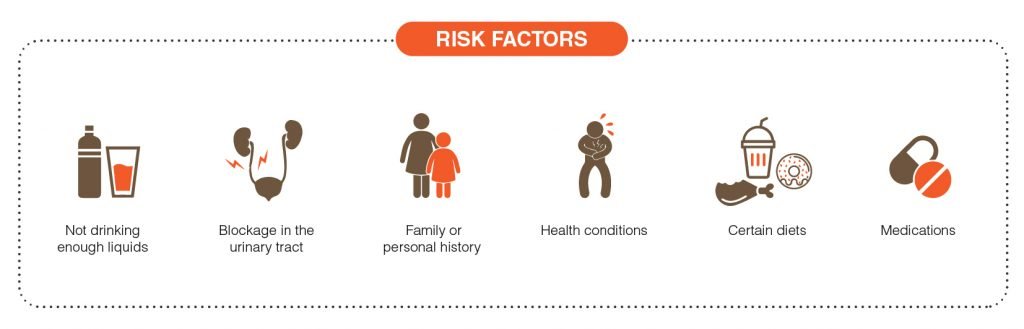
Kidney stones can be a painful and debilitating condition, and understanding the risk factors can help you take the necessary precautions to prevent them. Several factors can increase your risk of developing kidney stones, including family or personal history, age and gender, certain medical conditions, dehydration, dietary factors, obesity, digestive diseases, and certain medications. Let’s take a closer look at each of these risk factors and how you can mitigate them to protect your kidney health.
Family or Personal History
Your family and personal history can play a role in your likelihood of developing kidney stones. If you have a close relative who has previously had kidney stones, you may have a genetic predisposition that increases your risk. Additionally, if you have had kidney stones in the past, you are more likely to develop them again in the future. Therefore, it is important to be vigilant about preventive measures if you have a family or personal history of kidney stones.

Age and Gender
Age and gender can also influence your risk of developing kidney stones. Men are more prone to kidney stones than women, especially between the ages of 30 and 50. This may be because men tend to have higher levels of certain substances in their urine that can contribute to stone formation. Additionally, postmenopausal women face an increased risk due to hormonal changes that can lead to changes in urine composition. Being aware of these age and gender factors can prompt you to take proactive steps to prevent kidney stones.
Certain Medical Conditions
Several underlying medical conditions can increase your risk of developing kidney stones. Urinary tract infections (UTIs), chronic kidney disease (CKD), inflammatory bowel diseases (IBDs) such as Crohn’s disease and ulcerative colitis, and hyperparathyroidism are all associated with a higher likelihood of developing kidney stones. If you have any of these medical conditions, it is essential to work closely with your healthcare provider to manage your condition and reduce the risk of kidney stone formation.

Dehydration
Dehydration is a significant risk factor for kidney stone formation. When you don’t drink an adequate amount of fluids, the concentration of substances in your urine becomes higher, increasing the chance of stone formation. Dehydration can occur due to insufficient fluid intake, hot climates or excessive sweating, and occupations with high physical activity. To minimize the risk of kidney stones, it is crucial to stay properly hydrated by drinking enough fluids throughout the day, especially in challenging environments or during periods of increased activity.
Dietary Factors
Your dietary choices can have a substantial impact on your kidney health and the formation of kidney stones. Several dietary factors can increase the risk, such as a high intake of sodium, animal protein, and oxalate-rich foods. Consuming excessive amounts of these substances can contribute to the formation of kidney stones. On the other hand, a low intake of fluids and calcium can also increase the risk. To mitigate these dietary risks, it is recommended to follow a healthy diet that includes a moderate intake of animal protein, limited sodium consumption, sufficient fluid intake, and proper calcium levels.

Obesity
Obesity is a risk factor that can significantly increase the likelihood of kidney stone formation. The excess weight can lead to metabolic changes in the body that promote a higher concentration of substances in the urine, making kidney stones more likely to develop. Furthermore, obesity is associated with an increased risk of stone recurrence. By maintaining a healthy body weight through regular physical activity and a balanced diet, you can decrease the risk of kidney stones and improve overall health.
Digestive Diseases
Digestive diseases such as Crohn’s disease, ulcerative colitis, and a history of gastric bypass surgery can contribute to kidney stone formation. These conditions can affect the absorption and processing of minerals in the body, leading to the development of stones. If you have any digestive diseases, it is important to work closely with your healthcare provider to manage your condition and take appropriate measures to prevent kidney stones.
Medications
Certain medications have been linked to an increased risk of kidney stones. Diuretics, commonly used to treat conditions like high blood pressure, can impact urine concentration and make stone formation more likely. Anti-seizure medications and calcium-based antacids have also been associated with an increased risk. Additionally, protease inhibitors, a type of medication used in the treatment of HIV, can contribute to stone formation. If you are taking any of these medications, it is essential to be aware of the potential risks and work closely with your healthcare provider to manage your medication regimen and prevent kidney stones.
Precautions for Kidney Stones
While it may not be possible to completely eliminate the risk of kidney stones, there are several precautions you can take to minimize your chances of developing them. Maintaining adequate hydration is crucial, so make a conscious effort to drink enough fluids throughout the day. A healthy diet that includes dietary adjustments, such as monitoring sodium and calcium intake, limiting oxalate-rich foods, and moderating animal protein consumption, can also help reduce the risk. It is important to avoid excessive intake of vitamin C, as high doses have been associated with increased stone formation. Managing your body weight through a balanced diet and regular exercise can also lower your risk. If you have underlying medical conditions, such as UTIs, CKD, IBDs, or hyperparathyroidism, working closely with your healthcare professional to manage these conditions is essential. Lastly, always follow proper medication guidelines and consult a healthcare professional if you have any concerns.
By understanding the risk factors for kidney stones and taking appropriate precautions, you can significantly reduce your chances of developing this painful condition. Incorporate these preventive measures into your lifestyle to promote optimal kidney health and overall well-being. Remember, prevention is always better than cure, and your kidneys will thank you for taking care of them!