Did you know that kidney disease affects millions of people worldwide? In this article, we will explore the risk factors associated with kidney disease and discuss the precautions you can take to maintain good kidney health. Understanding the factors that increase your risk of kidney disease and adopting preventative measures can play a crucial role in preventing the onset of this debilitating condition. So let’s dive in and learn more about how you can protect your kidneys and ensure their optimal functioning.
Risk Factors for Kidney Disease
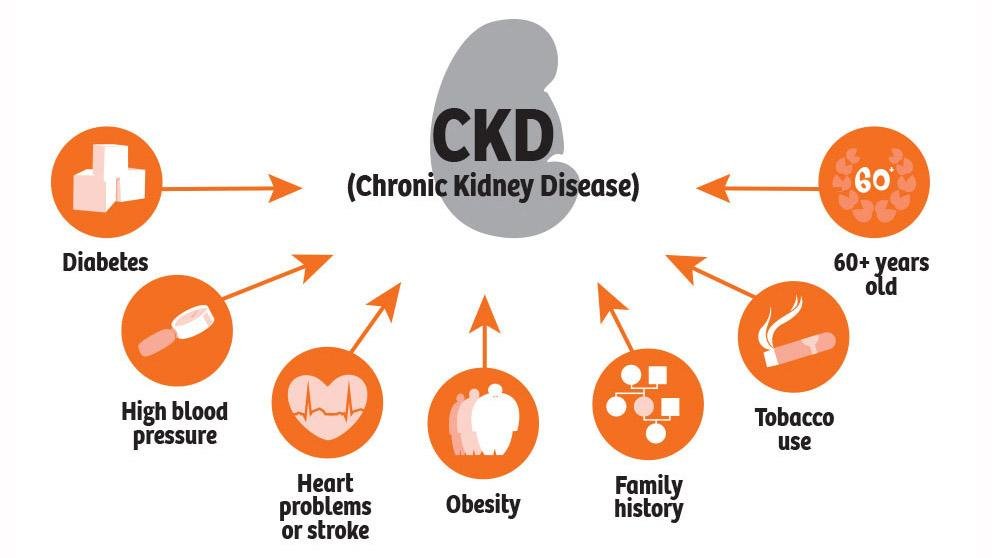
Kidney disease, also known as renal disease, refers to the impaired function of the kidneys that hinders their ability to filter waste products and excess fluids from the blood. This can lead to a buildup of toxins in the body, which can cause a range of health problems. While kidney disease can affect anyone, there are certain risk factors that can increase your chances of developing this condition. By being aware of these risk factors, you can take proactive steps to reduce your risk and protect your kidney health.
Age
As we age, the risk of developing kidney disease increases. This is because our kidneys naturally undergo changes over time, and their ability to function efficiently may decline. However, age alone is not a determining factor, and it is possible to maintain good kidney health well into your senior years by adopting a healthy lifestyle and managing other risk factors.
Family History
Your genetic makeup plays a significant role in determining your risk of developing various health conditions, including kidney disease. If you have a family history of kidney disease, particularly in immediate family members such as parents or siblings, your risk is elevated. This is because certain genetic factors may make you more susceptible to kidney problems. It is important to know your family medical history and share this information with your healthcare provider to better assess your risk and take appropriate precautions.
Diabetes
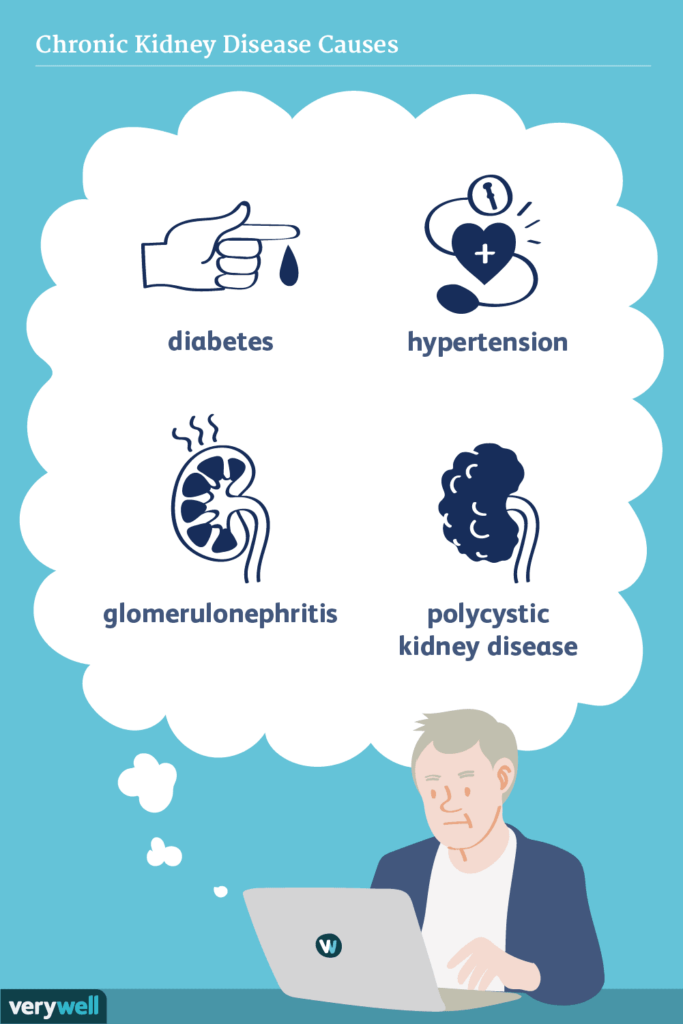
Diabetes, both type 1 and type 2, is a leading cause of kidney disease. When blood sugar levels are poorly controlled over an extended period, it can damage the blood vessels in the kidneys and impair their function. Over time, this can lead to kidney disease, and in severe cases, end-stage renal disease (ESRD) where dialysis or a kidney transplant may be required. If you have diabetes, it is crucial to manage your blood sugar levels effectively through regular monitoring, medication, and lifestyle modifications.
High Blood Pressure
High blood pressure, also known as hypertension, is another primary cause of kidney disease. The kidneys play a crucial role in regulating blood pressure by filtering excess water and salts from the blood. When blood pressure remains consistently high, it can damage the blood vessels in the kidneys, leading to impaired kidney function. Conversely, kidney disease can also cause high blood pressure, creating a vicious cycle. It is essential to monitor and control your blood pressure through regular check-ups, medication, and lifestyle changes to reduce the risk of kidney disease.
Obesity
Being overweight or obese can significantly increase your risk of developing kidney disease. Excess weight puts strain on the kidneys and increases the likelihood of developing other risk factors such as diabetes and high blood pressure. Obesity is also associated with the accumulation of fat in the liver, which can lead to chronic kidney disease. By maintaining a healthy weight through a balanced diet and regular exercise, you can reduce the strain on your kidneys and lower your risk of kidney disease.
Smoking
Smoking doesn’t just harm your lungs and cardiovascular system; it also damages your kidneys. The toxic chemicals in cigarette smoke can constrict blood vessels, reducing blood flow to the kidneys. This can impair their ability to function properly and increase the risk of kidney disease. Quitting smoking is essential not only for kidney health but for overall well-being. Consult with your healthcare provider for assistance and support in your journey to quit smoking.
High Cholesterol
High cholesterol levels can lead to the buildup of plaque in blood vessels, including those in the kidneys, known as atherosclerosis. This can impair blood flow to the kidneys and contribute to kidney damage. Monitoring and managing your cholesterol levels through a healthy diet, regular exercise, and, if necessary, medication, can help protect your kidneys and reduce the risk of kidney disease.
Cardiovascular Disease
Kidney disease and cardiovascular disease often go hand in hand. Individuals with heart problems, such as heart failure, coronary artery disease, or a history of heart attacks, are at an increased risk of developing kidney disease. The connection between these two conditions is complex and multifaceted, but managing cardiovascular risk factors, such as high blood pressure, high cholesterol, and diabetes, can help reduce the risk of kidney disease.
Autoimmune Diseases
Certain autoimmune diseases, such as lupus and rheumatoid arthritis, can cause kidney damage. The immune system mistakenly attacks the body’s own tissues, including the kidneys, leading to inflammation and impaired kidney function. If you have an autoimmune disease, it is crucial to work closely with your healthcare provider to manage the condition and monitor kidney function regularly to detect any signs of kidney disease early on.
Urinary Tract Infections
Untreated or recurrent urinary tract infections (UTIs) can sometimes result in kidney infections, a condition called pyelonephritis. These infections can cause inflammation and damage to the kidneys, leading to kidney disease if left untreated. Drinking plenty of water, practicing good hygiene, and emptying the bladder regularly can help prevent UTIs and reduce the risk of kidney complications.
Precautions to Prevent Kidney Disease
While certain risk factors for kidney disease may be beyond your control, there are a number of precautions you can take to protect your kidney health and reduce the risk of developing kidney disease.
Maintain a Healthy Lifestyle
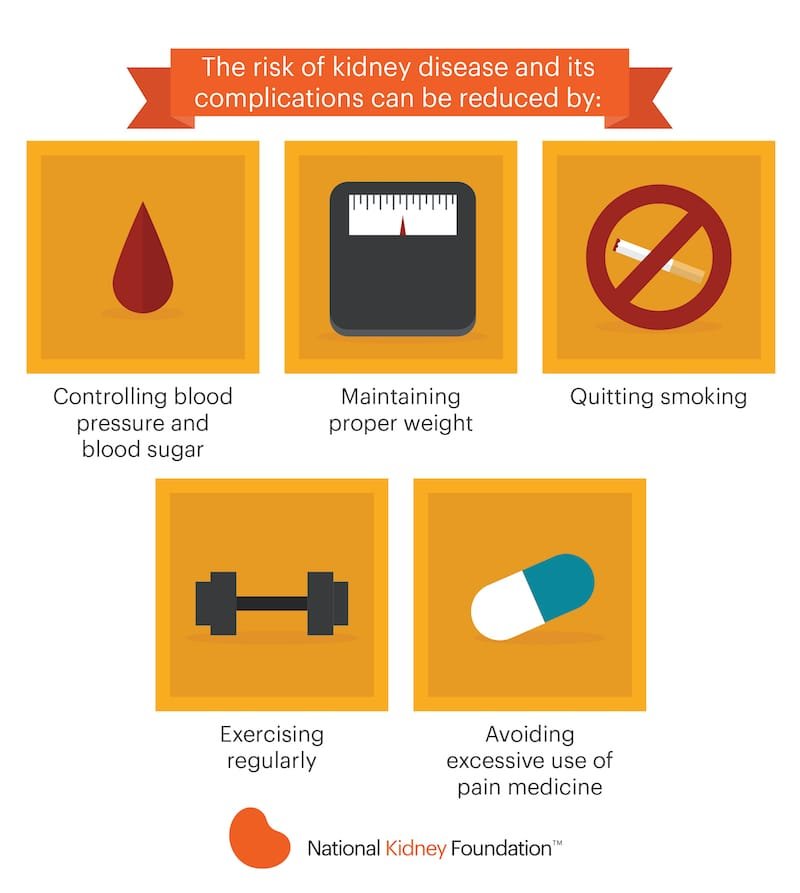
Adopting a healthy lifestyle is one of the most effective ways to prevent kidney disease. This includes eating a well-balanced diet that is low in sodium, saturated fats, and processed foods, and rich in fruits, vegetables, whole grains, and lean proteins. Regular exercise, adequate sleep, and managing stress are also important components of a healthy lifestyle that can promote overall kidney health.
Manage Diabetes
If you have diabetes, it is crucial to closely manage your blood sugar levels to prevent kidney damage. Monitor your blood sugar regularly, take medications as prescribed, follow a diabetes-friendly diet, and engage in regular physical activity. Working with your healthcare provider and diabetes care team is essential to ensure your diabetes is well-managed and minimize the risk of kidney disease.
Control High Blood Pressure
Since high blood pressure is a leading cause of kidney disease, it is crucial to monitor and control your blood pressure. This can be achieved through regular check-ups, taking prescribed medications, reducing sodium intake, incorporating physical activity into your routine, and managing stress. Lifestyle modifications such as maintaining a healthy weight, limiting alcohol consumption, and quitting smoking are also effective in managing and preventing high blood pressure.
Maintain a Healthy Weight
Maintaining a healthy weight is important for overall kidney health. If you are overweight or obese, losing weight through a combination of healthy eating and regular exercise can reduce the strain on your kidneys and lower the risk of kidney disease. It is advisable to consult with a healthcare professional to determine the most suitable weight loss plan for you.
Exercise Regularly
Engaging in regular physical activity not only helps maintain a healthy weight but also promotes overall kidney health. Exercise improves blood circulation, reduces blood pressure, and supports cardiovascular health, all of which are important for preventing kidney disease. Aim for at least 150 minutes of moderate-intensity exercise or 75 minutes of vigorous exercise per week, as recommended by health authorities.
Quit Smoking
Smoking is detrimental to your overall health, including your kidney health. Quitting smoking is one of the best things you can do to reduce the risk of kidney disease. Seek support from healthcare professionals, join smoking cessation programs, or explore nicotine replacement therapies to increase your chances of successfully quitting. The sooner you quit smoking, the better it is for your kidneys and your overall well-being.
Monitor Cholesterol Levels
Regular monitoring and management of cholesterol levels are important for kidney health. Work with your healthcare provider to understand your cholesterol levels and develop a plan to keep them within a healthy range. This may include dietary modifications, increased physical activity, and, if necessary, cholesterol-lowering medications.
Manage Heart Disease
If you have been diagnosed with heart disease, it is crucial to work closely with your healthcare team to manage the condition and reduce the risk of kidney disease. This involves closely monitoring and managing high blood pressure, high cholesterol, and diabetes. Following a heart-healthy lifestyle that includes regular exercise, a balanced diet, and prescribed medications can help protect your kidneys from disease.
Seek Treatment for Autoimmune Diseases
If you have an autoimmune disease, such as lupus or rheumatoid arthritis, it is important to receive appropriate treatment and regularly monitor kidney function. Collaborate with your healthcare provider and rheumatologist to manage your condition, minimize inflammation, and prevent the progression of kidney disease. Adhering to treatment plans and attending regular check-ups is crucial for maintaining kidney health.
Prevent Urinary Tract Infections
Preventing urinary tract infections (UTIs) can help protect your kidneys from potential damage. Practice good hygiene by washing your hands regularly, wiping from front to back after using the bathroom, and staying hydrated by drinking plenty of water. Empty your bladder fully when urinating and avoid holding in urine for long periods. If you experience recurrent UTIs or suspect an infection, seek medical attention promptly to prevent the infection from spreading to the kidneys.
In conclusion, while there are several risk factors that can increase your chances of developing kidney disease, there are also numerous precautions you can take to protect your kidney health. By maintaining a healthy lifestyle, managing chronic conditions such as diabetes and high blood pressure, and being proactive in preventing infections, you can reduce your risk of kidney disease and promote overall kidney health. Remember to consult with your healthcare provider for personalized advice and guidance on how to best protect your kidneys and maintain optimal health.