
Have you ever wondered about the common risk factors and precautions to take in order to avoid food poisoning? In this article, we will explore the various factors that can increase your chances of experiencing food poisoning, such as improper food handling and storage, as well as the precautions you can take to protect yourself and your loved ones. So, if you want to stay healthy and enjoy your meals worry-free, keep reading to learn about these important tips and guidelines.
Common Causes of Food Poisoning
Bacterial contamination
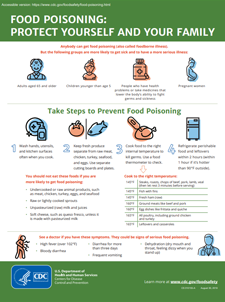
Bacterial contamination is one of the most common causes of food poisoning. Certain bacteria, such as Salmonella, E. coli, and Campylobacter, can contaminate food and cause illness when consumed. These bacteria can be present in contaminated water, raw or undercooked meats, unpasteurized dairy products, and fruits and vegetables that have been contaminated during cultivation or handling.
Viral contamination
Foodborne viruses, such as norovirus and hepatitis A, can also cause food poisoning. These viruses can survive on surfaces or in contaminated food and can easily spread to others. Poor hygiene practices by food handlers, inadequate food storage temperatures, and consumption of raw or undercooked foods are common ways for viral contamination to occur.
Parasitic contamination
Parasites, such as Cryptosporidium and Giardia, can cause food poisoning when ingested. These parasites can contaminate food and water, especially in areas with poor sanitation practices or contaminated water sources. Consumption of contaminated fruits, vegetables, or undercooked meat can lead to parasitic contamination and subsequent illness.
Chemical contamination
Chemicals, such as pesticides, heavy metals, and toxins produced by certain molds or bacteria, can contaminate food and cause food poisoning. This type of contamination can occur during food production, processing, or preparation. Chemical contamination can result in acute poisoning or long-term health effects, depending on the type and amount of the contaminant consumed.
Cross-contamination
Cross-contamination occurs when bacteria or other pathogens from one food item or surface are transferred to another. This can happen through direct contact or through contaminated utensils, cutting boards, or surfaces. Cross-contamination can lead to the spread of pathogens and increase the risk of food poisoning. It is important to practice proper food handling and hygiene to prevent cross-contamination.
Improper food storage
Improper food storage, such as keeping perishable foods at room temperature for too long, can promote bacterial growth and increase the risk of food poisoning. Certain foods, such as dairy products, cooked meats, and prepared dishes, should be refrigerated promptly to prevent the growth of bacteria. Failure to store food at the correct temperature can lead to bacterial contamination and subsequent illness.
Poor hygiene practices
Poor hygiene practices, both by food handlers and individuals at home, can contribute to food poisoning. Failure to wash hands properly, using contaminated utensils or surfaces, and not following proper food handling practices can all increase the risk of contamination. It is important to maintain good personal hygiene and practice safe food handling to reduce the likelihood of foodborne illness.
Undercooked food
Consuming undercooked food, particularly meats, poultry, seafood, and eggs, can allow bacteria or parasites to survive and cause illness. It is important to cook these foods to the appropriate internal temperature to ensure the destruction of pathogens. Consuming undercooked food is a common cause of food poisoning and can lead to severe gastrointestinal symptoms.
Expired or spoiled food
Consuming expired or spoiled food can result in food poisoning. When food reaches its expiration date, the quality and safety may be compromised. Consuming expired food can expose you to harmful bacteria or toxins produced by microorganisms. Additionally, consuming food that has signs of spoilage, such as an off smell, abnormal appearance, or unusual texture, can also lead to food poisoning.
Improper food handling
Improper food handling, such as allowing food to come into contact with contaminated surfaces or not washing hands before preparing food, can lead to food poisoning. Contaminated hands, utensils, or surfaces can introduce bacteria or other pathogens to the food, increasing the risk of illness. It is crucial to follow safe food handling practices to minimize the risk of contamination and food poisoning.
At-Risk Populations
Pregnant women
Pregnant women are at an increased risk of food poisoning due to changes in their immune system and hormone levels. Foodborne illnesses can have more severe consequences for both the mother and the developing fetus. Certain bacteria, such as Listeria and Toxoplasma, can pose a particular risk during pregnancy. Pregnant women should take extra precautions to avoid high-risk foods and practice safe food handling.
Young children
Young children have developing immune systems and are more susceptible to infections caused by foodborne pathogens. They may also have limited awareness of proper food handling practices. Due to their small body size, even a small amount of contaminated food can cause severe illness. It is important to ensure that food given to young children is safe, properly cooked, and free from contamination.
Elderly individuals
As people age, their immune system may weaken, making them more vulnerable to infections, including those caused by foodborne pathogens. Aging can also lead to changes in the digestive system, potentially affecting the body’s ability to fight off infections. Elderly individuals should pay extra attention to food safety practices to reduce the risk of food poisoning and its complications.
Immunocompromised individuals
Individuals with weakened immune systems, such as those with HIV/AIDS, undergoing cancer treatment, or taking immunosuppressive medications, are at a higher risk of developing severe illness from foodborne pathogens. Their immune systems may be unable to fight off infections as effectively, increasing the likelihood of complications. Special care should be taken to prevent foodborne infections in immunocompromised individuals.
People with chronic illnesses
People with chronic illnesses, such as diabetes or liver disease, may have an increased risk of complications from foodborne infections. Certain chronic conditions can weaken the immune system or affect the body’s ability to process and eliminate toxins. It is important for individuals with chronic illnesses to follow safe food handling practices and avoid high-risk foods to reduce the risk of food poisoning.
Travellers to foreign countries
Travelling to foreign countries can expose individuals to different food safety practices and potential foodborne pathogens. Contaminated food and water are common sources of illness for travellers. It is crucial to research the food and water safety at your destination and take necessary precautions, such as avoiding tap water, consuming only well-cooked foods, and practicing good hand hygiene, to prevent food poisoning while abroad.
Symptoms of Food Poisoning
Nausea and vomiting
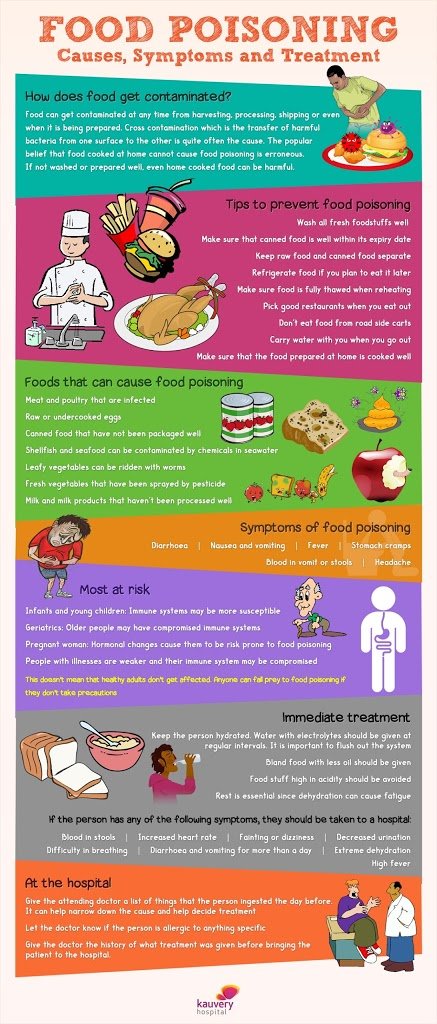
Nausea and vomiting are common symptoms of food poisoning. They occur as a result of the body’s response to toxins or irritants in the gastrointestinal tract. Nausea is the uncomfortable feeling of wanting to vomit, while vomiting is the forceful expulsion of stomach contents through the mouth.
Abdominal cramps
Abdominal cramps are another common symptom of food poisoning. They are characterized by aching or sharp pains in the abdomen. These cramps can range from mild discomfort to severe pain and may be accompanied by bloating or a sensation of fullness.
Diarrhea
Diarrhea is a common symptom of food poisoning and is characterized by loose, watery stools. It occurs when the intestines become irritated or inflamed in response to pathogens or toxins. Diarrhea can lead to dehydration and electrolyte imbalances if not properly managed.
Fever
Fever is a common symptom of food poisoning caused by bacterial or viral infections. The body may raise its temperature in response to the presence of pathogens. Fever can indicate that the immune system is actively responding to the infection.
Headache
Headaches can occur as a result of food poisoning, particularly if accompanied by other symptoms such as fever or dehydration. Changes in the body’s electrolyte balance and dehydration can contribute to headaches.
Muscle aches
Muscle aches, also known as myalgia, can occur as a result of food poisoning. These aches can be generalized or localized and may be accompanied by other symptoms such as fever or weakness.
Fatigue
Fatigue, or extreme tiredness, is a common symptom of food poisoning. The body’s immune response to pathogens, coupled with dehydration and electrolyte imbalances, can contribute to feelings of fatigue and weakness.
Loss of appetite
Loss of appetite, or a decreased desire to eat, is a common symptom of food poisoning. A loss of appetite is the body’s way of conserving energy and focusing on healing. It is important to stay hydrated and nourished during this time, even if appetite is reduced.
Complications of Food Poisoning
Dehydration
Dehydration is a common complication of food poisoning, especially when accompanied by symptoms such as diarrhea and vomiting. Loss of fluids can lead to imbalances in the body’s electrolytes and impair normal bodily functions. It is important to replenish fluids and electrolytes to prevent dehydration.
Electrolyte imbalances
Electrolyte imbalances can occur as a result of food poisoning, particularly if there is significant fluid loss through vomiting or diarrhea. Electrolytes, such as sodium, potassium, and chloride, are essential for proper cellular function. Imbalances in these electrolytes can lead to muscle cramps, weakness, and cardiac disturbances.
Malnutrition
Food poisoning, especially when accompanied by prolonged loss of appetite or persistent vomiting and diarrhea, can lead to malnutrition. Malnutrition occurs when the body does not receive adequate nutrients for proper functioning. It is important to replenish nutrients and seek medical attention if symptoms persist.
Hemolytic Uremic Syndrome (HUS)
Hemolytic Uremic Syndrome (HUS) is a rare but severe complication of certain types of food poisoning, particularly those caused by E. coli bacteria. HUS can cause kidney failure, anemia, and a low platelet count. It most commonly affects young children and the elderly, and immediate medical attention is required if HUS is suspected.
Kidney failure
Severe cases of food poisoning, particularly those caused by certain bacteria or toxins, can lead to kidney failure. Kidney failure occurs when the kidneys are unable to properly filter waste products from the blood. It is an emergency condition that requires immediate medical attention.
Gastrointestinal bleeding
In some cases of food poisoning, particularly those caused by certain bacteria or toxins, gastrointestinal bleeding can occur. This can manifest as blood in the stool or vomit and is a serious condition that requires immediate medical attention.

Preventing Food Poisoning at Home
Cleanliness and personal hygiene
Maintaining cleanliness and practicing good personal hygiene are crucial in preventing food poisoning at home. This includes washing hands thoroughly with soap and water before handling food, after using the bathroom, and after handling raw meat or other potentially contaminated items. Regularly cleaning and sanitizing kitchen surfaces, utensils, and cutting boards can also help prevent cross-contamination.
Proper food storage
Proper food storage is essential for preventing food poisoning. Perishable foods, such as meat, poultry, dairy products, and prepared dishes, should be stored in the refrigerator at temperatures below 40°F (4°C). Freezing can help prolong the shelf life of certain foods. Additionally, it is important to keep raw and cooked foods separate to avoid cross-contamination.
Safe food preparation
Safe food preparation practices can help prevent food poisoning. This includes washing fruits and vegetables thoroughly under running water, avoiding cross-contamination by using separate cutting boards and utensils for raw and cooked foods, and using safe water and raw materials. It is important to cook foods to their appropriate internal temperature to ensure the destruction of pathogens.
Thorough cooking
Thoroughly cooking food, especially meats, poultry, seafood, and eggs, is essential for preventing food poisoning. Cooking food to the appropriate internal temperature can kill bacteria, viruses, and parasites that may be present. It is important to use a food thermometer to ensure that food reaches a safe temperature throughout.
Avoiding cross-contamination
Cross-contamination is a common cause of food poisoning at home. To prevent cross-contamination, it is important to keep raw and cooked foods separate. This can be done by using separate cutting boards, utensils, and plates for raw and cooked foods. It is also important to wash hands and surfaces thoroughly after handling raw meats or other potentially contaminated items.
Using safe water and raw materials
Using safe water and raw materials is crucial for preventing food poisoning. Ensure that the water used for cooking, drinking, and washing produce is from a safe source. If tap water is not safe, use bottled water or purify the water through boiling or using water filters. Additionally, choose fresh ingredients that are not spoiled or expired to reduce the risk of contamination.
Safe Food Handling Practices
Wash hands frequently
Frequent handwashing is a simple yet effective way to prevent food poisoning. Hands should be washed thoroughly with soap and water for at least 20 seconds before and after handling food, using the bathroom, or touching surfaces that may be contaminated.
Clean utensils and surfaces
Regularly cleaning utensils and surfaces can help prevent cross-contamination and the spread of foodborne pathogens. Use hot, soapy water to wash utensils, cutting boards, and surfaces after each use. Disinfecting wipes or a sanitizing solution can also be used to further reduce the risk of contamination.
Separate raw and cooked foods
Keeping raw and cooked foods separate is essential for preventing cross-contamination. Use separate cutting boards, utensils, and plates for raw and cooked foods to avoid the spread of bacteria. Ensure that raw meat, poultry, and seafood are stored separately from other foods in the refrigerator to prevent any juices from contaminating other items.
Avoid using expired or spoiled ingredients
Using expired or spoiled ingredients can increase the risk of food poisoning. Check expiration dates on packaged foods and discard any that are past their expiration date. Signs of spoilage in fresh ingredients, such as an off smell, mold, or unusual texture, should also be heeded, and these items should not be consumed.
Keep hot foods hot and cold foods cold
Maintaining proper temperatures for hot and cold foods is important for preventing bacterial growth. Hot foods should be kept at temperatures above 140°F (60°C), either by serving them immediately or using chafing dishes to keep them hot. Cold foods should be kept at temperatures below 40°F (4°C) using refrigeration or coolers with ice packs.

Preventing Food Poisoning While Eating Out
Choose reputable restaurants and food vendors
When eating out, choosing reputable restaurants and food vendors can help reduce the risk of food poisoning. Look for establishments with good hygiene practices and cleanliness. Check for recommendations or reviews from trusted sources to ensure that the restaurant or food vendor maintains high food safety standards.
Check food hygiene ratings
In some regions, food establishments are required to display food hygiene ratings or inspection results. These ratings indicate the level of food safety and hygiene practices followed by the establishment. Checking these ratings before dining can help you make an informed decision about where to eat.
Avoid raw or undercooked foods
To reduce the risk of food poisoning, it is best to avoid consuming raw or undercooked foods when eating out. This includes raw or undercooked meats, seafood, and eggs. Consuming these foods increases the risk of bacterial or parasitic contamination. Opt for fully cooked dishes to ensure the safety of the food.
Be cautious with buffet and salad bar items
Buffets and salad bars can be potential sources of foodborne illnesses, as multiple people handle the food and there is a higher risk of cross-contamination. Be cautious when selecting items from a buffet or salad bar, ensuring that the food is properly cooked and kept at the appropriate temperature. Avoid any items that appear unsafe or have been sitting out for too long.
Ensure proper hand hygiene of food handlers
Proper hand hygiene of food handlers is essential for preventing food poisoning. Food handlers should wash their hands frequently and properly, especially after using the bathroom, handling raw meats, or engaging in any activities that may contaminate their hands. If you observe poor hand hygiene practices, it is best to avoid consuming food from that establishment.
Precautions for Pregnant Women
Avoid high-risk foods
Pregnant women should take precautions to avoid high-risk foods that may increase the risk of food poisoning. This includes avoiding raw or undercooked meats, seafood, and eggs. Additionally, certain types of cheese, deli meats, and unpasteurized dairy products should also be avoided due to the risk of Listeria contamination.
Ensure food is thoroughly cooked
Thoroughly cooking food is important for pregnant women to reduce the risk of food poisoning. This includes cooking meats, poultry, seafood, and eggs to their appropriate internal temperatures to ensure the destruction of pathogens. Using a food thermometer can help ensure that food is cooked to a safe temperature.
Be cautious with deli meats and unpasteurized dairy products
Deli meats and unpasteurized dairy products, such as certain soft cheeses and milk, can pose a risk of Listeria contamination. Listeria can cause severe illness in pregnant women and have adverse effects on the developing fetus. It is best to avoid consuming these products or ensure they have been properly cooked or pasteurized.
Wash fruits and vegetables thoroughly
Pregnant women should thoroughly wash fruits and vegetables under running water before consuming them. This can help remove any potential pathogens or pesticides that may be present on the surface. It is best to peel or cook fruits and vegetables when possible to further reduce the risk of contamination.
Follow safe food handling practices
Following safe food handling practices is crucial for pregnant women to prevent food poisoning. This includes practicing good personal hygiene, such as washing hands thoroughly before preparing or eating food. Pregnant women should also ensure that all utensils, cutting boards, and surfaces are cleaned and sanitized properly to avoid cross-contamination.
Precautions for Travellers
Research food and water safety at your destination
Before travelling to a foreign country, it is essential to research the food and water safety at your destination. Different countries may have different food safety standards and common foodborne pathogens. Understanding and following local guidelines can help reduce the risk of foodborne illness.
Avoid tap water and ice cubes
In many countries, tap water may not be safe for drinking. It is important to avoid consuming tap water or using it to make ice cubes. Stick to bottled water or other safe alternatives for drinking, cooking, and brushing teeth.
Only consume well-cooked foods
When travelling, it is safest to consume only well-cooked foods. Thoroughly cooked foods are less likely to be contaminated with harmful bacteria or parasites. Avoid raw or undercooked meats, seafood, and eggs, as well as raw fruits and vegetables that cannot be peeled or cooked.
Peel fruits and vegetables
To reduce the risk of food poisoning while travelling, it is best to peel fruits and vegetables. This can help remove any potential surface contamination. Avoid consuming raw fruits and vegetables that cannot be properly peeled or washed.
Use hand sanitizers or disinfecting wipes
When travelling to areas with limited access to clean water and soap, it is important to use hand sanitizers or disinfecting wipes to maintain proper hand hygiene. These can help kill or remove pathogens from your hands when washing with soap and water is not possible.
What to Do If You Have Food Poisoning
Stay hydrated
If you have food poisoning, it is crucial to stay hydrated. Diarrhea and vomiting can lead to significant fluid loss, which can result in dehydration. Drink plenty of water, clear broths, or electrolyte solutions to replenish fluids and prevent dehydration.
Rest and take it easy
Resting and taking it easy is important when recovering from food poisoning. Your body needs time to heal and recover. Avoid strenuous activities and give yourself time to rest and recuperate.
Monitor your symptoms
Monitor your symptoms closely while recovering from food poisoning. If your symptoms worsen or persist beyond a few days, it is important to seek medical attention. Pay attention to signs of dehydration, such as excessive thirst, dry mouth, or dark-colored urine.
Seek medical attention if necessary
If your symptoms are severe or if you belong to a high-risk group, it is best to seek medical attention. Severe symptoms may include persistent vomiting, bloody diarrhea, high fever, or signs of dehydration. Early medical intervention can help manage symptoms and prevent complications.
Report the incident to local health authorities
If you suspect that your food poisoning is a result of dining at a specific restaurant or from a certain food product, it is important to report the incident to local health authorities. This can help prevent further cases of food poisoning and allow for investigation and intervention to prevent future incidents.
In conclusion, food poisoning can be caused by various factors, including bacterial, viral, parasitic, or chemical contamination. Cross-contamination, improper food storage, poor hygiene practices, and undercooked or expired food can also contribute to foodborne illness. It is important to be aware of the symptoms of food poisoning and take necessary precautions to prevent it. Safe food handling practices at home, while eating out, or while traveling, can greatly reduce the risk of food poisoning. If you experience food poisoning, it is important to take care of yourself, seek medical attention if necessary, and report the incident to local health authorities to help prevent further cases. By practicing food safety and following the necessary precautions, you can protect yourself and your loved ones from the dangers of foodborne illnesses.