
Gaucher disease, a rare genetic disorder, affects the body’s ability to break down a certain type of fat. If you or a loved one have recently been diagnosed with this condition, it’s important to understand the risk factors associated with it. Although anyone can develop Gaucher disease, certain factors such as having a family history or being of Ashkenazi Jewish descent can increase your chances. In this article, we will explore these risk factors as well as the precautions you can take to manage and live a healthy life with Gaucher disease.
Risk Factors
Gaucher disease is a rare genetic disorder that affects the body’s ability to break down certain fats. While the disease is caused by a mutation in the GBA gene, there are several risk factors that can increase an individual’s chances of developing Gaucher disease. Understanding these risk factors is important in order to take appropriate precautions and ensure early detection and management of the disease.
Genetic Factors
One of the primary risk factors for Gaucher disease is the presence of certain genetic mutations. The most common mutations associated with Gaucher disease are known as the GD1, GD2, and GD3 gene mutations. These mutations affect the functioning of the GBA gene, leading to the build-up of fatty substances in the body’s organs and tissues. Individuals who carry these mutations are at an increased risk of developing Gaucher disease.
Family History
Another important risk factor for Gaucher disease is a family history of the condition. If you have a close relative, such as a parent or sibling, who has been diagnosed with Gaucher disease, your risk of developing the condition is higher. This suggests a strong genetic component to the disease, and individuals with a family history of Gaucher disease should be vigilant and consider pursuing genetic testing for early detection and management.
Age
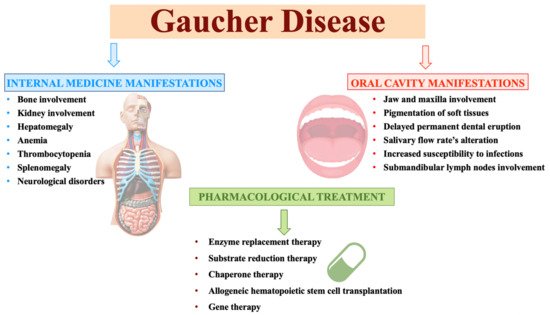
Age also plays a role in determining the risk of Gaucher disease. The disease can manifest at different ages and presents in different ways depending on the age of onset. Late-onset Gaucher disease typically occurs in adulthood, while pediatric Gaucher disease affects children. Perinatal lethal Gaucher disease, as the name suggests, is a severe form of the disease that occurs shortly before or after birth. The age at which Gaucher disease presents can significantly impact disease progression and treatment options.
Gender
Gender is another risk factor to consider when it comes to Gaucher disease. Research has shown that females have a higher risk of developing Gaucher disease compared to males. The exact reason for this gender disparity is not fully understood, but it highlights the importance of considering gender as a risk factor when assessing an individual’s likelihood of developing the disease.
Ethnicity
Ethnicity also plays a role in the risk of Gaucher disease. Among the various ethnic groups, individuals of Ashkenazi Jewish descent have a significantly higher risk of developing Gaucher disease compared to the general population. Studies have found that approximately 1 in 15 Ashkenazi Jews are carriers of Gaucher disease, making it important for individuals within this population to be aware of their risk and consider appropriate precautions. However, it is worth noting that Gaucher disease can still occur in individuals from other ethnic backgrounds, albeit at a lower frequency.
Environmental Factors
In addition to genetic and demographic factors, environmental factors can also contribute to the risk of developing Gaucher disease. Exposure to certain chemicals, pesticides, heavy metals, and air pollution has been identified as potential environmental risk factors for the disease. These substances can disrupt normal cellular processes and contribute to the development and progression of Gaucher disease. It is crucial to minimize exposure to these environmental factors whenever possible to reduce the risk of developing the disease.
Occupational Exposure
Certain occupations can also increase the risk of developing Gaucher disease. Agricultural workers who handle pesticides and industrial workers who are exposed to chemicals or heavy metals are at a higher risk. Additionally, healthcare professionals who come into contact with patients’ bodily fluids may also face an increased risk of exposure to Gaucher disease. Individuals in these occupations should be aware of the potential risks and take appropriate precautions to minimize exposure.
Radiation Exposure
Exposure to radiation is another risk factor for Gaucher disease. Both radiation therapy and nuclear accidents have been associated with an increased risk of developing the disease. Radiation therapy, while often life-saving in the treatment of cancer, can have long-term consequences on the body’s ability to break down fatty substances, leading to the development of Gaucher disease. Nuclear accidents, such as those at Chernobyl and Fukushima, have also been linked to an increased incidence of Gaucher disease in affected populations.
Chemical Exposure
Infections can also play a role in the development of Gaucher disease. Infections, particularly those that affect the spleen and liver, can exacerbate or precipitate the symptoms of the disease. Additionally, certain viral infections have been associated with an increased risk of developing Gaucher disease. It is important to maintain overall good health, including practicing proper hygiene and seeking appropriate medical care for infections, to minimize the risk of developing Gaucher disease.
Understanding the risk factors associated with Gaucher disease is crucial in order to take appropriate precautions and ensure early detection and management of the disease. Regular medical follow-ups are essential for monitoring disease progression, managing symptoms, and detecting potential complications early on. By identifying and addressing these risk factors, individuals can take proactive steps to mitigate their risk and lead healthier lives. Remember, knowledge is power, and by staying informed, you can take control of your health and well-being.