
You’re aware that HIV is a serious health condition, but do you know about the risk factors and the precautions you can take to protect yourself? In this article, we will explore the key risk factors associated with HIV transmission and highlight practical precautions you can adopt to minimize your risk. Whether you’re looking to educate yourself or share this information with loved ones, we’ve got you covered. So, let’s embark on a journey to understand the risk factors of HIV and the precautions you can undertake to safeguard your health.
Risk Factors
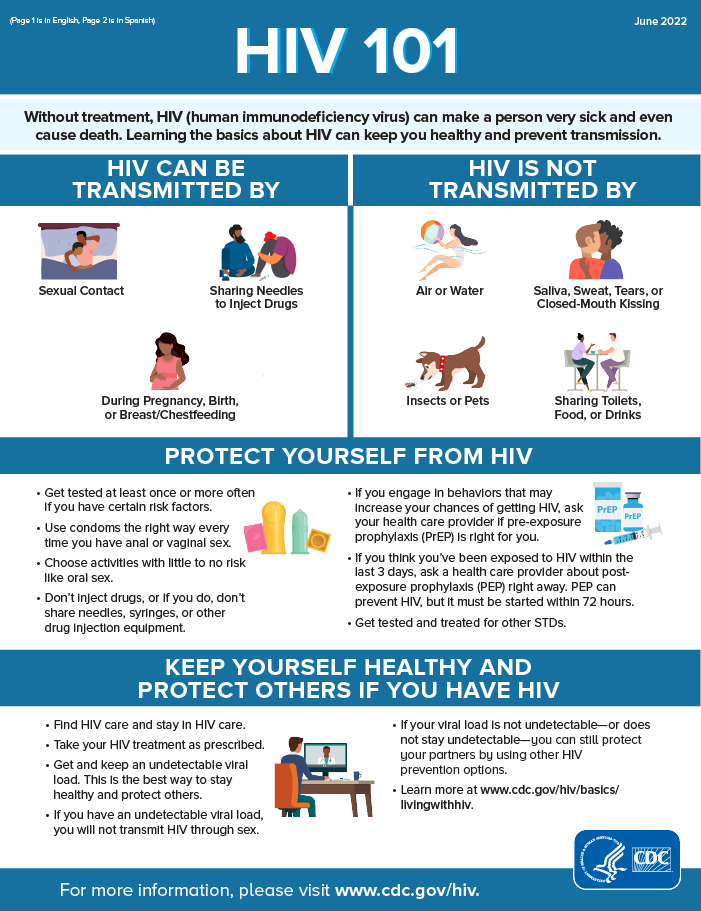
HIV, or Human Immunodeficiency Virus, is a virus that attacks the immune system, making it more difficult for your body to fight off infections and diseases. While anyone can be at risk for contracting HIV, certain activities and behaviors can increase the likelihood of transmission. Understanding the risk factors associated with HIV is crucial in order to protect yourself and others from this virus.
Unprotected Sexual Intercourse
Engaging in unprotected sexual intercourse, particularly penetrative sex without the use of condoms, is one of the most common ways HIV is transmitted. During sexual intercourse, the virus can be passed on through contact with infected semen, vaginal fluids, or blood. It is important to remember that HIV can still be transmitted even if there are no visible signs or symptoms of the virus. Therefore, it is essential to practice safe sex and use condoms to reduce the risk of HIV transmission.
Multiple Sexual Partners
Having multiple sexual partners can increase the risk of HIV transmission. The more sexual partners you have, the greater the chance of encountering someone who is HIV-positive. This increases your exposure to the virus and raises the likelihood of contracting it. It is important to engage in open and honest communication with your sexual partners about your sexual health and get regularly tested for HIV and other sexually transmitted infections (STIs).
Anal Sex
Engaging in anal sex, particularly without the use of condoms, can increase the vulnerability to HIV transmission. Anal tissues are delicate and more prone to tearing and bleeding, which can provide an entry point for the virus. The receptive partner in anal sex is especially at risk, as the rectum has a high concentration of immune cells that are vulnerable to HIV. To reduce the risk of transmission, it is important to use condoms and water-based lubricants during anal sex.
Sharing Needles or Syringes
Sharing needles or syringes with others who inject drugs can directly transmit the HIV virus. When needles are shared, there is a potential for infected blood to be transferred from one person to another. This practice poses a significant risk of HIV transmission and also increases the likelihood of other bloodborne infections, such as hepatitis. By using sterile needles and syringes and avoiding needle-sharing practices, the risk of HIV can be greatly reduced.
Mother-to-Child Transmission
HIV can be transmitted from an HIV-positive mother to her child during pregnancy, labor, delivery, or breastfeeding. Without medical interventions, the risk of transmission from mother to child can be as high as 30%. However, with effective antiretroviral therapy (ART) during pregnancy and delivery, as well as appropriate infant feeding practices, the risk can be reduced to less than 1%. It is essential for pregnant women to receive regular prenatal care and undergo HIV testing to prevent mother-to-child transmission.
Occupational Exposure
Certain occupations, such as healthcare workers, are at an increased risk of occupational exposure to HIV. These individuals may come into contact with infected blood or body fluids and run the risk of accidental exposure. Occupational safety measures, such as the use of personal protective equipment and adherence to infection control protocols, are crucial in minimizing the risk of occupational HIV transmission. Additionally, post-exposure prophylaxis (PEP) can be administered within hours of an exposure to further reduce the likelihood of infection.
Blood Transfusions
Although rare in countries with robust screening protocols, receiving blood transfusions from HIV-positive donors can lead to HIV infection. To prevent this, rigorous screening and testing of donated blood and blood products are necessary. In countries with limited resources, where screening may not be as comprehensive, the risk of transmission through blood transfusions is higher. It is important to ensure that blood transfusions are conducted in a safe and controlled environment where adequate screening measures are in place.
Organ Transplants
Organ transplantation can also carry a risk of HIV transmission if the donor is HIV-positive. Screening processes are designed to minimize this risk, with routine testing of potential organ donors for HIV and other bloodborne infections. In cases where organ transplantation involves an HIV-positive donor, there may be specific protocols in place to protect the recipient from acquiring the virus. Ensuring strict adherence to screening processes and following established guidelines can help prevent HIV transmission through organ transplants.
Drug Use
Drug use, particularly the use of injected drugs, can increase the risk of HIV transmission. Sharing needles and syringes with others who may be infected carries a significant risk of contracting the virus. Harm reduction strategies, such as providing access to sterile needles and syringes, needle exchange programs, and substance abuse treatment options, play a crucial role in preventing HIV transmission among individuals who use drugs. It is important to prioritize your health and seek support if you or someone you know is struggling with drug use.
Sexually Transmitted Infections (STIs)
Having other sexually transmitted infections (STIs) can increase the risk of HIV transmission. STIs such as syphilis, gonorrhea, and herpes can cause inflammation and open sores, which create pathways for the HIV virus to enter the body more easily. Regular testing for STIs, along with appropriate treatment and safe sexual practices, can help reduce the risk of HIV transmission in individuals with STIs.
Precautions
While there are risk factors for HIV transmission, there are also various precautions that can be taken to protect yourself and others from the virus. By being aware of these precautions and implementing them, you can significantly reduce the risk of HIV transmission.
Safe Sexual Practices
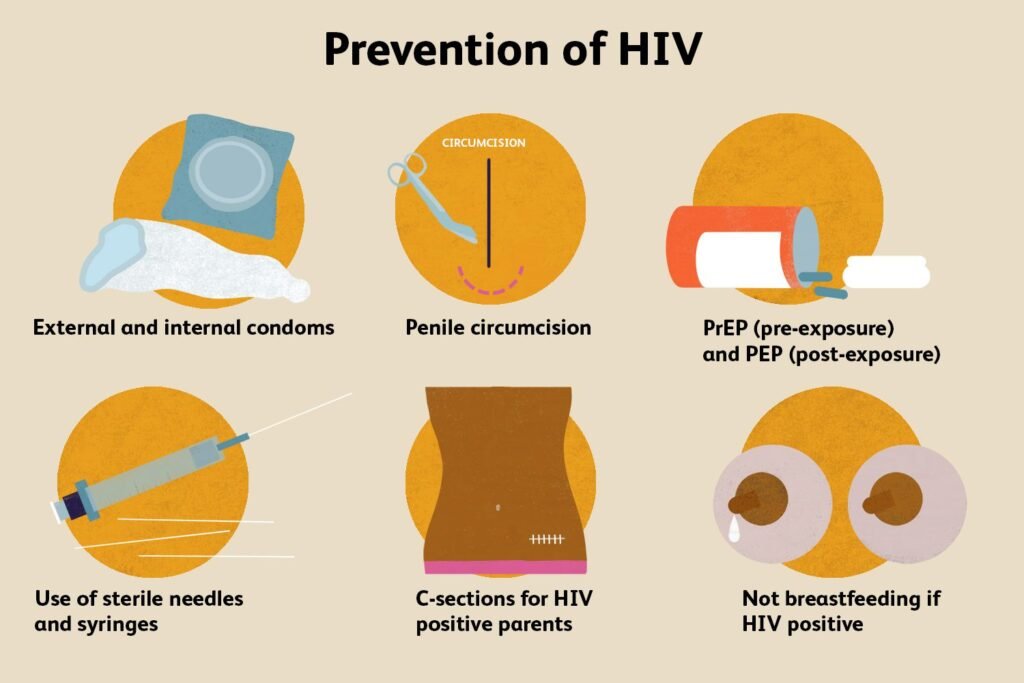
Engaging in safe sexual practices is essential in preventing the transmission of HIV. This includes using condoms consistently and correctly during sexual intercourse, including vaginal, anal, and oral sex. Condoms act as a barrier and reduce the risk of HIV transmission by preventing direct contact with infected bodily fluids. It is important to communicate openly with your sexual partner(s) about your sexual health, get regularly tested for STIs, and practice mutual monogamy or safer sexual behaviors with latent consent.
Proper Use of Condoms
Using condoms properly is paramount for effective HIV prevention. Ensure that the condom is in good condition and has not expired before use. Use a new condom for every sexual act, as condoms should not be reused. It is important to carefully handle and correctly apply the condom by gently squeezing the air out of the tip before rolling it down onto the erect penis or placing it over the vulva or anus. Using a water-based lubricant can enhance comfort and reduce the risk of condom breakage. Proper disposal of used condoms is also crucial to avoid accidental contact with infected fluids.
PrEP (Pre-Exposure Prophylaxis)
Pre-exposure prophylaxis (PrEP) is a preventive medication regimen for individuals who are at high risk of HIV infection. This includes individuals in serodiscordant relationships (where one partner is HIV-positive and the other is not), individuals with multiple sexual partners, and those who engage in high-risk sexual activities. PrEP involves taking a daily pill containing a combination of antiretroviral drugs that can significantly reduce the risk of HIV transmission. It is essential to consult with a healthcare professional to determine if PrEP is suitable for you and to follow the prescribed regimen consistently.
Sterile Needles and Syringes
If you inject drugs, it is vital to use sterile needles and syringes for each injection. Sharing needles or other drug paraphernalia can lead to the direct transmission of HIV. Accessing sterile equipment through needle exchange programs, pharmacies, or healthcare facilities can greatly reduce the risk of HIV infection. Sterile injection practices, including proper cleaning of the injection site, using sterile water and filters, and safely disposing of used needles and syringes, can further minimize the risk of HIV transmission.
Preventing Mother-to-Child Transmission
Pregnant women living with HIV can take proactive measures to prevent mother-to-child transmission. Early and regular prenatal care, combined with appropriate antiretroviral therapy, greatly reduces the risk of HIV transmission to the baby. It is important to adhere to the prescribed medication regimen and attend medical appointments as scheduled. Additionally, choosing safer infant feeding options, such as exclusive breastfeeding or formula feeding instead of breastfeeding, can further reduce the risk of transmission.
Occupational Safety Measures
Healthcare workers and individuals in occupations where there is a risk of occupational exposure to HIV must observe strict safety measures. This includes the use of personal protective equipment, such as gloves and protective clothing, when handling potentially infected blood or body fluids. Adherence to infection control protocols, including proper sterilization of medical equipment and safe disposal of sharp objects, is crucial in minimizing the risk of HIV transmission in the workplace. It is essential for healthcare facilities and employers to prioritize occupational safety and provide appropriate training and resources to protect healthcare workers.
Safe Blood Transfusions
Safe blood transfusions require comprehensive screening and testing of donated blood and blood products. Regular blood donors should undergo thorough medical history assessments, as well as laboratory testing for HIV and other bloodborne infections. In healthcare settings, strict protocols must be followed to ensure that the blood products used for transfusions are safe and free from HIV. It is important to advocate for robust blood screening and testing processes in countries where these measures may be lacking to minimize the risk of HIV transmission through blood transfusions.
Organ Transplant Screening
Screening processes for organ transplants play a crucial role in reducing the risk of HIV transmission. Potential organ donors undergo thorough testing for HIV and other bloodborne infections to identify infected individuals. Organ transplant recipients are carefully matched with suitable donors to minimize the risk further. It is essential for healthcare professionals involved in organ transplantation to follow established guidelines and protocols to ensure the safety of organ recipients and prevent HIV transmission.
Harm Reduction Strategies
For individuals who use drugs, harm reduction strategies aim to minimize the negative consequences associated with drug use while promoting safety and well-being. Accessing sterile needles and syringes through needle exchange programs or pharmacies greatly reduces the risk of HIV transmission. Substance abuse treatment options and support services provide opportunities for individuals to seek help and reduce their drug use. By prioritizing harm reduction, individuals can take proactive steps to protect their health and prevent the transmission of HIV.
Regular STI Testing and Treatment
Regular testing for STIs, including HIV, is important in identifying infections early and initiating appropriate treatment. This allows for prompt medical intervention and reduces the risk of transmitting infections to sexual partners. Testing for STIs should be a routine part of healthcare check-ups, especially for individuals who engage in high-risk sexual behaviors or have multiple sexual partners. It is important to remember that early detection and treatment can help prevent the further spread of HIV and other STIs.

Unprotected Sexual Intercourse
Unprotected sexual intercourse poses a significant risk for HIV transmission. Understanding the potential consequences and taking appropriate precautions can help minimize this risk.
Risk of HIV Transmission
Engaging in unprotected sexual intercourse, particularly without using condoms, increases the risk of HIV transmission. HIV can be present in semen, vaginal fluids, and blood, all of which can transmit the virus during sexual activity. Even if there are no visible signs or symptoms of HIV, the virus can still be present and transmissible. Engaging in unprotected sexual intercourse with an HIV-positive partner increases the likelihood of acquiring the virus.
Factors Increasing Risk
Various factors can increase the risk of HIV transmission during unprotected sexual intercourse. These include engaging in sexual activities without the use of condoms, having multiple sexual partners, having sexual partners with unknown or HIV-positive status, and engaging in sexual intercourse while under the influence of drugs or alcohol. These factors contribute to a higher likelihood of encountering the virus and increase the vulnerability to HIV transmission.
Precautions and Safer Practices
To reduce the risk of HIV transmission during unprotected sexual intercourse, it is important to practice safe sex. This involves using condoms consistently and correctly during sexual activity. Condoms act as a physical barrier that prevents direct contact with infected bodily fluids. Additionally, getting regularly tested for HIV and other STIs can help identify infections early and initiate appropriate treatment. It is crucial to engage in open and honest communication with sexual partners about sexual health and HIV status, as it promotes mutual trust and informed decision-making.
Multiple Sexual Partners
Having multiple sexual partners can increase the risk of HIV transmission. Understanding the risks and taking appropriate precautions can help mitigate this risk.
Increased Exposure to HIV
Having multiple sexual partners increases the likelihood of encountering individuals who are HIV-positive. This increases exposure to the virus and raises the risk of HIV transmission. The more sexual partners you have, the greater the chance of encountering someone with the virus. Engaging in sexual activities without using condoms further exacerbates the risk, as it allows for direct contact with infected bodily fluids.
Reducing Risk through Communication and Testing
Open and honest communication with sexual partners about sexual health is essential in reducing the risk of HIV transmission. Discussing HIV status, previous testing, and sexual behaviors allows for informed decision-making and the adoption of safer practices. Regular testing for HIV and other STIs can help identify infections early and facilitate appropriate treatment. By getting tested and encouraging sexual partners to do the same, the risk of HIV transmission can be significantly reduced.
Anal Sex
Engaging in anal sex without the use of condoms increases the vulnerability to HIV transmission. Understanding the risks associated with anal sex and adopting safer practices can help mitigate this risk.
Higher Vulnerability to HIV
Anal tissues are delicate and more prone to tearing and bleeding, which can provide an entry point for the HIV virus. The receptive partner in anal sex is especially at risk, as the rectum has a high concentration of immune cells that are vulnerable to HIV. Engaging in anal sex without using condoms increases the likelihood of direct contact between infected bodily fluids and anal tissues, thereby increasing the risk of HIV transmission.
Safer Practices to Reduce Transmission
To reduce the risk of HIV transmission during anal sex, it is important to use condoms consistently and correctly. Condoms act as a barrier that prevents direct contact between infected bodily fluids and anal tissues. Furthermore, using water-based lubricants can enhance comfort and reduce the likelihood of condom breakage. Adequate lubrication can minimize tissue damage and lower the risk of HIV transmission. Communicating openly with sexual partners about sexual health, HIV status, and engaging in regular testing can further reduce the risk associated with anal sex.
Sharing Needles or Syringes
Sharing needles or syringes can result in the direct transmission of HIV. Adopting harm reduction strategies and accessing sterile injecting equipment are crucial in preventing HIV transmission.
Direct Transmission of HIV
When needles or syringes are shared, there is a high risk of direct transmission of HIV. Infected blood can be transferred from one person to another, increasing the likelihood of acquiring the virus. Sharing needles or other drug paraphernalia is a common practice among individuals who inject drugs and poses a significant risk for HIV transmission. It is important to note that the virus can survive on contaminated surfaces, such as needles or syringes, for a certain period of time, further increasing the risk of infection.
Harm Reduction Strategies
Harm reduction strategies aim to minimize the negative consequences associated with drug use, including reducing the risk of HIV transmission. Accessing sterile needles and syringes through needle exchange programs or pharmacies significantly lowers the risk of HIV infection. These programs provide an opportunity for individuals who use drugs to obtain clean injecting equipment, safely dispose of used needles, and access additional support services. By prioritizing harm reduction, individuals can protect themselves and prevent the transmission of HIV.

Mother-to-Child Transmission
HIV can be transmitted from an HIV-positive mother to her child during pregnancy, labor, delivery, or breastfeeding. By understanding the risks and seeking appropriate medical interventions, the risk of mother-to-child transmission can be significantly reduced.
Risks during Pregnancy, Labor, and Breastfeeding
Without medical interventions, the risk of HIV transmission from an HIV-positive mother to her child can be as high as 30%. HIV can be transmitted during pregnancy, labor, delivery, and breastfeeding. The virus can cross the placenta during pregnancy, infect the baby during labor and delivery, and be transmitted through breast milk during breastfeeding. It is crucial for HIV-positive pregnant women to receive early and regular prenatal care to reduce the risk of mother-to-child transmission.
Prevention through Antiretroviral Therapy (ART)
Antiretroviral therapy (ART) is a vital component in preventing mother-to-child transmission of HIV. By taking prescribed antiretroviral medications during pregnancy, labor, and delivery, as well as providing appropriate prophylaxis for the baby, the risk of transmission can be greatly reduced. Adhering to the prescribed medication regimen is crucial in preventing the replication of the virus and maintaining a low viral load. Additionally, choosing safer infant feeding practices, such as formula feeding instead of breastfeeding, can further minimize the risk of mother-to-child transmission.
Occupational Exposure
Certain occupations, such as healthcare workers, are at an increased risk of occupational exposure to HIV. By following strict safety measures and utilizing post-exposure prophylaxis (PEP), the risk of occupational HIV transmission can be minimized.
Healthcare Workers at Risk
Healthcare workers who come into contact with infected blood or body fluids are at an increased risk of occupational exposure to HIV. This includes individuals working in hospitals, clinics, laboratories, or any healthcare setting where they may handle needles, perform invasive procedures, or encounter potentially infected blood. It is essential for healthcare workers to adhere to strict infection control protocols and use personal protective equipment to minimize the risk of HIV transmission.
Post-Exposure Prophylaxis (PEP)
Post-exposure prophylaxis (PEP) is a preventive measure that can be taken after an occupational exposure to HIV. PEP involves taking antiretroviral medications within hours of the exposure and continuing the regimen for a specified duration. PEP significantly reduces the risk of HIV infection following an exposure. Healthcare workers who experience an occupational exposure to HIV should seek immediate medical attention and consult with a healthcare professional regarding the appropriate PEP regimen.

Blood Transfusions
Although uncommon in countries with established blood screening protocols, receiving blood transfusions from HIV-positive donors can transmit the virus. By implementing rigorous screening and testing processes, the risk of HIV transmission through blood transfusions can be significantly minimized.
Risks and Transmission
Receiving blood transfusions from donors with HIV can result in HIV transmission. The virus can be present in the donated blood and infect the recipient during transfusion. In countries with comprehensive blood screening protocols, the risk of HIV transmission through blood transfusions is low. However, in regions with limited resources or inadequate screening measures, the risk can be higher. It is important to advocate for comprehensive screening processes and ensure that blood transfusions are conducted in a safe and controlled environment to minimize the risk of HIV transmission.
Screening and Testing of Blood Products
Screening and testing of donated blood and blood products are essential in preventing HIV transmission through transfusions. Potential blood donors undergo a thorough medical history assessment and laboratory testing to determine their HIV status. Routine screening for other bloodborne infections, such as hepatitis, is also conducted. These measures help identify infected individuals and prevent their blood from being used for transfusions. It is crucial to support blood banks and healthcare facilities in implementing and maintaining robust blood screening and testing processes to ensure the safety of transfusions.
Organ Transplants
Organ transplantation carries a risk of HIV transmission if the donor is HIV-positive. By implementing stringent screening processes, the risk of HIV transmission through organ transplants can be minimized.
Transmission of HIV
If the organ donor is HIV-positive, there is a potential risk of transmitting HIV to the organ recipient during transplantation. To prevent HIV transmission, potential organ donors undergo testing for HIV and other bloodborne infections. However, there may be rare instances where the donor tests falsely negative or the HIV infection is in the acute phase, leading to the possibility of transmission. It is essential for healthcare professionals involved in organ transplantation to have strict screening processes and protocols in place to minimize the risk of HIV transmission.
Screening Processes
Screening processes for organ transplants involve thorough testing of potential donors for HIV and other bloodborne infections. Donors are assessed for their medical history and undergo laboratory testing to determine their HIV status. Stringent criteria are used to evaluate potential donors and match them with suitable recipients to minimize the risk of transmitting the virus. It is important for healthcare professionals involved in organ transplantation to follow established screening processes and guidelines to ensure the safety of organ recipients and prevent HIV transmission.