
In the modern world, infertility has become a prevalent concern for many individuals and couples. The journey to conceive a child can be both emotionally and physically challenging, but understanding the risk factors and taking precautionary measures can help increase the chances of a successful pregnancy. In this article, we will explore the various factors that can contribute to infertility and discuss the precautions that can be taken to mitigate them. Whether you are considering starting a family or are already on the path to parenthood, this article will provide valuable insights and guidance to ensure a healthy and fulfilling pregnancy.
Understanding Infertility
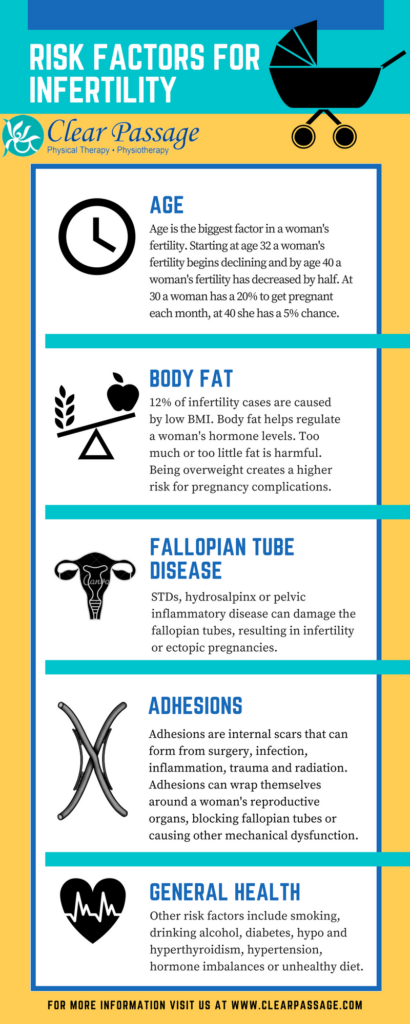
Infertility refers to the inability to conceive a child despite having regular, unprotected sexual intercourse for a year or longer. It is a condition that affects both men and women and can be emotionally distressing for individuals and couples who are trying to start a family. Understanding the causes and risk factors associated with infertility can help people make informed decisions and take necessary precautions.
Definition of infertility
Infertility is generally diagnosed when a couple is unable to conceive a child after a year of attempting to do so. However, the definition can vary depending on individual circumstances. For women over the age of 35, infertility may be diagnosed after six months of trying to conceive. It is important to note that infertility is not always a permanent condition and can sometimes be treated with medical interventions.
Prevalence of infertility
Infertility is more common than most people realize. According to the World Health Organization (WHO), approximately 10% to 15% of couples worldwide experience infertility. This means that millions of couples are facing reproductive challenges globally. The prevalence of infertility varies across different countries and cultures, but it is a widespread issue that affects people from all walks of life.
Causes of infertility
Infertility can have numerous causes, often involving both male and female factors. Some common causes in women include ovulation disorders, blocked or damaged fallopian tubes, uterine abnormalities, and hormone imbalances. In men, infertility can be due to low sperm count, poor sperm quality, or issues with sperm delivery. Other contributing factors may include medical conditions, lifestyle choices, genetic factors, and environmental exposures.
Risk Factors for Infertility
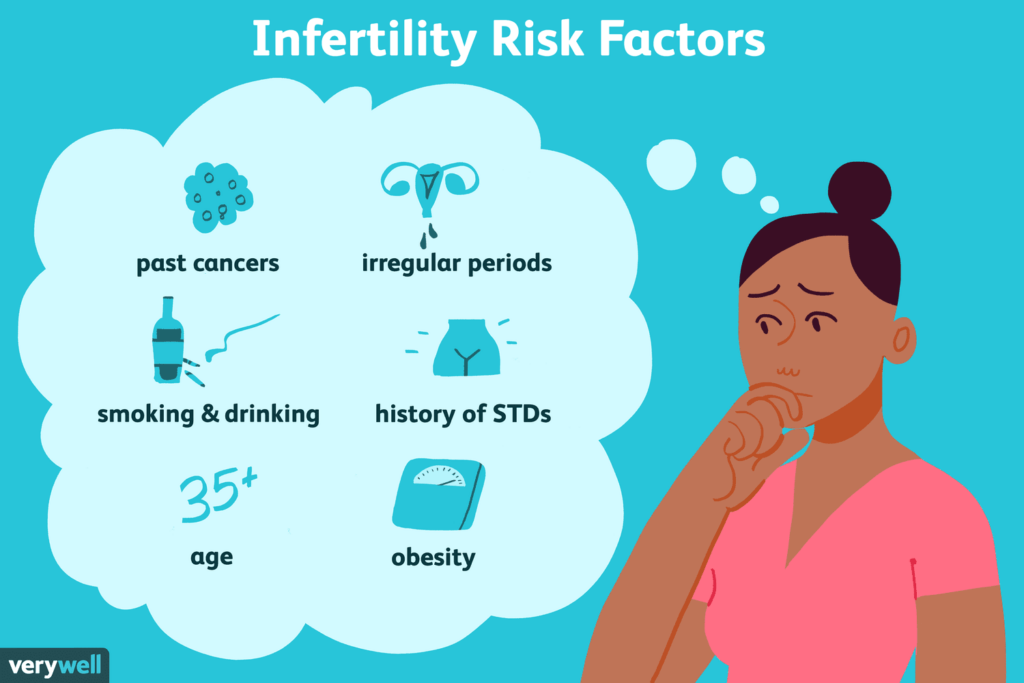
Various risk factors can increase the likelihood of experiencing infertility. While some factors are beyond our control, understanding them can help individuals and couples take precautions to mitigate their impact on fertility.
Age
Age is a significant risk factor for infertility. As women age, their fertility gradually declines, with a notable decline occurring in their mid-30s. This decline becomes more rapid after the age of 35 and even more pronounced after 40. Additionally, men can also experience a decline in fertility as they age, although it is not as drastic as in women.
Medical conditions
Certain medical conditions can impact fertility. In women, conditions such as polycystic ovary syndrome (PCOS), endometriosis, and thyroid disorders can interfere with ovulation and hormone balance. In men, conditions like varicoceles, testicular infections, and hormonal disorders can affect sperm production and function. Chronic illnesses, such as diabetes and autoimmune diseases, can also contribute to fertility issues in both men and women.
Lifestyle factors
Lifestyle choices can have a significant impact on fertility. Factors such as excessive alcohol consumption, smoking, and drug use can impair fertility in both men and women. Poor diet, lack of exercise, and stress can also influence reproductive health. Making positive lifestyle changes can help improve fertility outcomes and increase the chances of conception.
Genetic factors
In some cases, genetic factors can contribute to infertility. Certain genetic conditions, such as Turner syndrome in women or Klinefelter syndrome in men, can affect reproductive function. Additionally, inherited genetic mutations or abnormalities in the genes responsible for fertility can impact the ability to conceive.
Environmental factors
Exposure to certain environmental factors can have adverse effects on fertility. Chemicals found in pesticides, industrial pollutants, and toxins present in everyday products can disrupt hormone production and function, leading to fertility problems. It is essential to minimize exposure to these substances and create a safe and fertility-friendly environment.

Precautions for Infertility
While some causes of infertility may be beyond our control, there are several precautions individuals and couples can take to optimize their fertility and improve their chances of conception.
Maintaining a healthy weight
Maintaining a healthy weight is crucial for fertility. Both excess body weight and being underweight can disrupt hormonal balance and impair reproductive function. For individuals struggling with weight-related fertility issues, consulting with a healthcare professional or a registered dietitian can be beneficial in developing a personalized plan to achieve a healthy weight.
Avoiding excessive alcohol and drug use
Excessive alcohol consumption and drug use, including recreational drugs, can have detrimental effects on fertility. Alcohol can disrupt hormone production and impair sperm quality and ovulation in men and women, respectively. Similarly, drug use can negatively impact sperm production and function in men and interfere with ovulation and the menstrual cycle in women.
Managing stress levels
High levels of stress can interfere with reproductive function and hormone production, leading to fertility problems. Engaging in stress-reducing activities such as yoga, meditation, or counseling can help manage stress levels and promote overall well-being, potentially improving fertility outcomes.
Protecting against sexually transmitted infections
Sexually transmitted infections (STIs) can have serious consequences for fertility. Infections such as chlamydia or gonorrhea can cause pelvic inflammatory disease (PID) in women, leading to scarring and damage to the reproductive organs. It is essential to practice safe sex, use barrier methods of contraception, and get tested regularly for STIs to protect reproductive health.
Avoiding exposure to toxins and pollutants
Minimizing exposure to toxins and pollutants is crucial for preserving fertility. This includes avoiding or limiting exposure to chemicals found in pesticides, certain cleaning products, and industrial pollutants. Choosing organic and natural alternatives whenever possible and ensuring proper ventilation in living and working spaces can help reduce exposure to harmful substances.
Diet and Infertility
Diet plays a significant role in overall health, including reproductive health. Adopting a balanced diet that provides essential nutrients can support fertility and increase the likelihood of conception.
Eating a balanced diet
A balanced diet should consist of a variety of fruits, vegetables, whole grains, lean proteins, and healthy fats. Including a wide range of nutrients in your diet can help optimize hormone production, support reproductive functioning, and enhance fertility.
Importance of vitamins and minerals
Certain vitamins and minerals are particularly important for fertility. Folate, vitamin D, iron, zinc, and omega-3 fatty acids have been linked to improved reproductive health. Including foods rich in these nutrients, such as leafy greens, nuts, seeds, fish, and legumes, can be beneficial for fertility.
Foods to avoid
Some foods and beverages may have negative effects on fertility and should be consumed in moderation or avoided altogether. High intake of processed foods, refined sugars, trans fats, and caffeine has been associated with decreased fertility. It is advisable to limit consumption of these items to support optimal reproductive health.
Exercise and Infertility
Regular physical activity is essential for overall health and can also have a positive impact on fertility. However, it is important to strike a balance and avoid excessive exercise, which can adversely affect reproductive function.
Impact of exercise on fertility
Regular exercise can improve fertility by maintaining a healthy weight, reducing stress levels, and supporting hormone production. It can also improve blood flow to reproductive organs and enhance overall well-being. However, excessive exercise, particularly in women, can lead to irregular menstrual cycles and hormonal imbalances that can interfere with ovulation and fertility.
Recommended types of exercise
Engaging in a variety of moderate-intensity exercises, such as brisk walking, swimming, and cycling, can be beneficial for fertility. Strength training and yoga can also improve overall fitness and contribute to reproductive health. It is important to choose activities that you enjoy and can sustain consistently.
Avoiding excessive exercise
While exercise is generally beneficial, excessive and intense physical activity can have negative effects on fertility. It is important to listen to your body and avoid pushing yourself beyond your limits. Finding a balance between regular physical activity and rest is key to optimizing fertility outcomes.
Smoking and Infertility
Smoking has a detrimental effect on fertility for both men and women. The chemicals in tobacco smoke can damage reproductive organs, affect hormone production, and impair the quality of sperm and eggs.
Effects of smoking on fertility
Smoking can decrease fertility in both men and women. In women, smoking can decrease the number of eggs available for fertilization, impair egg quality, and increase the risk of miscarriage. In men, smoking can lower sperm count, reduce sperm motility, and increase the number of abnormal sperm.
Secondhand smoke exposure
Secondhand smoke can also negatively affect fertility. Both male and female non-smokers who are exposed to secondhand smoke may experience reduced fertility and an increased risk of miscarriage or complications during pregnancy. It is important to avoid environments where smoking is prevalent to protect reproductive health.
Benefits of quitting smoking
Quitting smoking can significantly improve fertility outcomes. The sooner smoking is stopped, the better the chances of improving reproductive health. Quitting smoking can increase fertility potential, enhance the success of fertility treatments, decrease the risk of complications during pregnancy, and improve overall well-being.

Alcohol and Drug Use
Excessive alcohol consumption and drug use, including recreational drugs, can have detrimental effects on fertility and reproductive health.
Effects on fertility
Alcohol consumption can disrupt hormone production and impair reproductive function in both men and women. Excessive alcohol intake has been associated with decreased sperm quality, irregular menstruation, and increased risk of infertility. Similarly, the use of recreational drugs can interfere with normal hormonal balance and reduce fertility potential in both sexes.
Safe alcohol consumption guidelines
If you choose to consume alcohol, it is important to do so in moderation. Moderate alcohol consumption, defined as up to one drink per day for women and up to two drinks per day for men, is considered relatively safe. However, it is advisable to consult with a healthcare professional if you have concerns about alcohol consumption and its potential impact on fertility.
Risks of drug use during pregnancy
It is crucial to avoid drug use, including illicit substances, during pregnancy. Drug use during pregnancy can lead to numerous complications, including miscarriage, preterm birth, low birth weight, birth defects, and developmental issues. Seeking professional help and support is essential for individuals struggling with drug addiction to protect their own health and the health of their future children.
Sexually Transmitted Infections
Sexually transmitted infections (STIs) can have serious consequences on fertility. Understanding the risks and taking preventive measures is crucial for preserving reproductive health.
Common STIs and their impact on fertility
Certain STIs, such as chlamydia and gonorrhea, can cause pelvic inflammatory disease (PID) in women, leading to scarring and damage to the reproductive organs. This scarring can result in fertility problems, including blocked fallopian tubes and increased risk of ectopic pregnancy. In men, untreated STIs can lead to epididymitis, which can also impair fertility.
Importance of safe sex practices
Practicing safe sex is vital for preventing STIs and protecting fertility. Using barrier methods of contraception, such as condoms, can significantly reduce the risk of contracting or transmitting STIs. It is important to communicate openly with sexual partners, get tested regularly for STIs, and seek treatment promptly if an infection is detected.
Getting tested regularly
Regular STI screening is essential for maintaining reproductive health. Even if you are not experiencing any symptoms, it is important to get tested regularly if you are sexually active or if you have had multiple sexual partners. Early detection and treatment of STIs can prevent complications and preserve fertility.
Environmental Factors
Exposure to certain environmental factors can impact fertility by disrupting hormonal balance and interfering with reproductive function.
Endocrine disruptors and fertility
Endocrine disruptors are chemicals found in everyday products that can interfere with hormone production and function. These chemicals can be found in plastic products, personal care items, and even some cleaning agents. Minimizing exposure to these chemicals, choosing natural and organic alternatives, and using products labeled as “BPA-free” can help reduce the risk of reproductive harm.
Avoiding exposure to pesticides and chemicals
Exposure to pesticides and other chemicals can have negative effects on fertility. Individuals working in agricultural or industrial settings should take necessary precautions to minimize exposure by using protective clothing, following safety guidelines, and seeking proper training. For the general population, choosing organic produce and minimizing the use of chemical-based pesticides in and around the home can help reduce exposure.
Creating a fertility-friendly home environment
Creating a fertility-friendly home environment involves making conscious choices to reduce exposure to potentially harmful substances. This can include using non-toxic cleaning products, avoiding contact with harmful chemicals during home renovations or repairs, and ensuring proper ventilation to remove indoor air pollutants. Understanding potential environmental risks and taking appropriate measures can help protect reproductive health.
Genetic Factors
Genetics can play a role in fertility, as certain genetic conditions or mutations can impact reproductive function. Understanding genetic factors can be helpful in identifying potential risks and seeking appropriate medical interventions.
Role of genetics in fertility
Genetic factors can contribute to fertility issues in both men and women. Certain genetic conditions, such as Turner syndrome in women or Klinefelter syndrome in men, can affect reproductive development and function. Additionally, inherited gene mutations can impact hormone production, sperm quality, or egg development, leading to fertility problems.
Genetic screening and counseling
Genetic screening and counseling can help individuals assess their risk of inherited genetic conditions that may impact fertility. This involves medical professionals analyzing family medical history, conducting genetic tests, and providing information and guidance about potential risks and available options. Genetic counseling can empower individuals to make informed decisions regarding family planning and explore alternative reproductive options if necessary.
Family history and risk assessment
Knowing your family medical history can provide valuable insights into potential fertility risks. If there is a history of genetic conditions or fertility problems in your immediate or extended family, it may be beneficial to discuss these findings with a healthcare professional specializing in reproductive medicine. They can provide personalized advice, recommend appropriate screenings, and explore potential treatment options.
In conclusion, understanding the risk factors for infertility and taking necessary precautions can help individuals and couples optimize their fertility and increase their chances of conception. By maintaining a healthy lifestyle, avoiding harmful substances, and seeking appropriate medical guidance when needed, individuals can take proactive steps towards preserving their reproductive health and achieving their dream of starting a family.