
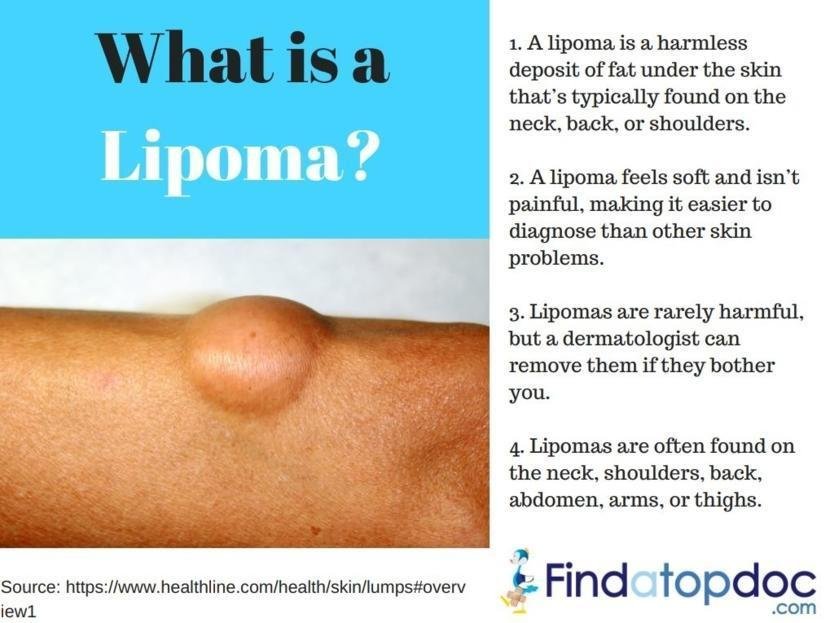
Lipomas are common benign tumors that can develop anywhere in your body. Although they are typically harmless, understanding the risk factors associated with lipomas can help you take necessary precautions. In this article, we will explore the factors that contribute to lipoma formation and discuss practical measures you can take to reduce your risk. So, whether you’re curious about these soft lumps or looking for ways to prevent their occurrence, read on to find out more!
Risk Factors for Lipoma
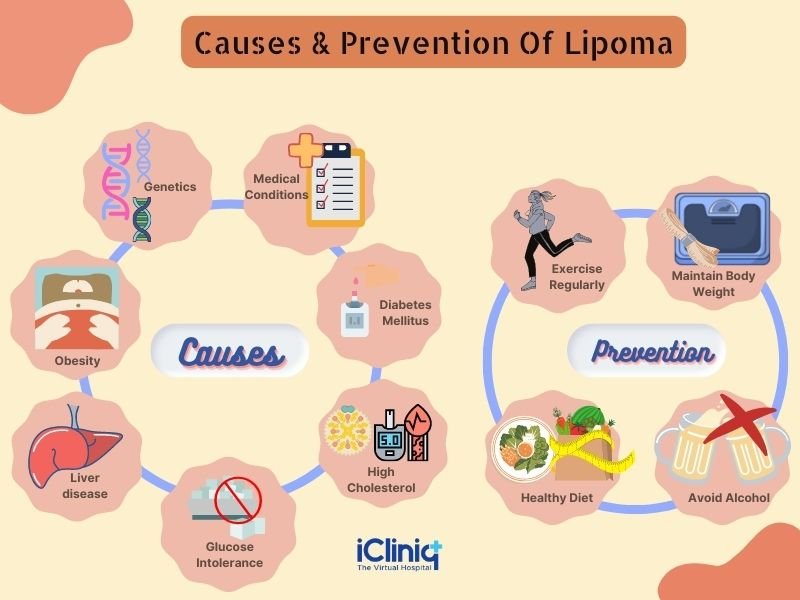
Lipomas are benign growths of fat cells that can develop under the skin. While the exact cause of lipomas is unknown, there are several risk factors that have been identified. Understanding these risk factors is important to help individuals take necessary precautions and minimize their chances of developing lipomas.
Genetic Factors
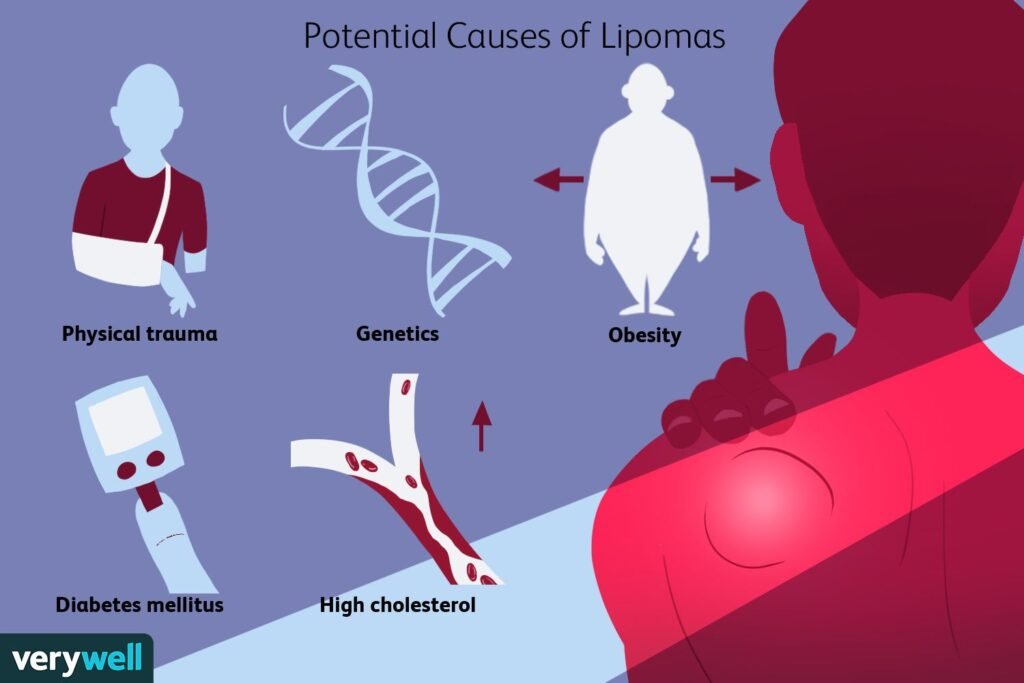
Genetics play a significant role in the development of lipomas. Research suggests that there may be certain genes that predispose individuals to the formation of these fatty tumors. If you have a family history of lipomas, there is a higher likelihood of developing them yourself. Genetic syndromes, such as Gardner syndrome or Madelung disease, are associated with an increased risk of lipomas.
Age
As you age, the risk of developing lipomas increases. Lipomas are more commonly seen in middle-aged and older individuals. While lipomas can develop at any age, they are most prevalent in individuals over the age of 40. The exact reason for this age-related increase in risk is still not fully understood, but it is believed to be linked to the natural aging process and changes in fat cell metabolism.
Obesity
There is a significant association between obesity and the development of lipomas. People who are overweight or obese have a higher risk of developing lipomas compared to those with a healthy weight. The excess fat in the body provides a favorable environment for the growth of lipomas. It is important to note that lipomas can occur in individuals of any weight, but the risk is higher in those who are overweight.
Gender
Lipomas can affect both men and women, but there is a slight gender difference in their distribution. Lipomas are more commonly seen in women. Hormonal factors, especially estrogen, are believed to play a role in the development of lipomas. Estrogen stimulates fat cell growth, which may contribute to the higher prevalence of lipomas in women. However, further research is needed to fully understand the hormonal influence on lipoma development.
Family History
Having a family history of lipomas increases your risk of developing them. If one or more of your family members have had lipomas, it is important to be aware of this genetic predisposition. However, it is essential to remember that not everyone with a family history of lipomas will develop them. Family history should serve as an alert to be more mindful of the risk factors and take necessary precautions.
Precautions for Lipoma
While lipomas are generally harmless and do not require treatment unless causing discomfort or affecting appearance, there are certain precautions individuals can take to reduce their risk of developing lipomas or to prevent their growth.
Regular Physical Activity
Engaging in regular physical activity can help reduce the risk of lipoma development. Exercise helps in maintaining a healthy weight and preventing the accumulation of excess fat cells in the body. Aim for at least 150 minutes of moderate-intensity aerobic activity or 75 minutes of vigorous-intensity aerobic activity per week. Additionally, incorporating resistance training exercises can help build muscle, boost metabolism, and promote overall fat loss.
Maintaining a Healthy Weight
Maintaining a healthy weight is crucial in minimizing the risk of lipoma development. Obesity not only increases the likelihood of lipoma formation but also contributes to various other health problems. To maintain a healthy weight, focus on a balanced diet rich in fruits, vegetables, whole grains, and lean proteins. Limit your intake of high-calorie and processed foods, sugary drinks, and excessive amounts of fats. Portion control and mindful eating can also help prevent weight gain.
Avoiding Excessive Alcohol Consumption
Excessive alcohol consumption can have a negative impact on overall health and increase the risk of various conditions, including lipoma development. Alcohol is high in calories, and excessive intake can lead to weight gain and the accumulation of fat cells. Limit your alcohol intake to moderate levels – up to one drink per day for women and up to two drinks per day for men. It is important to note that individuals with a history of alcohol abuse may be at a higher risk of developing lipomas even with moderate alcohol intake.
Quitting Smoking
Smoking is not only a risk factor for numerous diseases but may also be associated with an increased risk of lipoma development. Cigarette toxins can affect fat cell metabolism and disrupt the body’s natural processes, making it more susceptible to abnormal growths such as lipomas. Quitting smoking not only reduces the risk of lipomas but also improves overall health and reduces the risk of other serious conditions, such as cancer and heart disease.
Regular Lipoma Screenings
Regularly monitoring for the development of lipomas can help with early detection and appropriate management. While most lipomas are harmless, some may grow large, cause discomfort, or affect one’s self-esteem. If you have a family history of lipomas or are at a higher risk due to other factors, consider discussing regular lipoma screenings with your healthcare provider. They can assess any suspicious lumps and determine if further evaluation or intervention is necessary.
Genetic Factors
Role of Genetics in Lipoma Development
Genetics play a significant role in the development of lipomas. Numerous studies have identified specific genes that are potentially associated with lipoma formation. These genes are involved in fat cell growth, metabolism, and cell signaling pathways. However, more research is needed to understand the exact mechanisms and interactions of these genes in lipoma development fully.
Genetic Syndromes Associated with Lipomas
In addition to genetic factors, certain syndromes are known to have a higher likelihood of lipoma development. Gardner syndrome and Madelung disease are two such syndromes. Gardner syndrome is an inherited condition that predisposes individuals to develop multiple lipomas, along with other manifestations such as polyps in the colon and other parts of the body. Madelung disease, also known as multiple symmetrical lipomatosis, is a rare disorder characterized by the growth of numerous lipomas, especially around the neck, shoulders, and upper body.
Age
Increasing Risk with Age
The risk of developing lipomas increases with age. Lipomas are more commonly seen in middle-aged and older individuals. While lipomas can occur at any age, the likelihood of developing them significantly increases as you get older. The exact reason behind this age-related increase in risk is not yet fully understood. It is believed to be associated with changes in fat cell metabolism, genetic factors, and the accumulation of environmental exposures over time.
Prevalence in Different Age Groups
Lipomas can occur in people of all age groups, but the prevalence varies depending on age. Lipomas are relatively rare in children and young adults. They become increasingly common in middle-aged individuals, peaking in prevalence in their 40s and 50s. After that, the prevalence tends to stabilize or slightly decrease. Understanding the age distribution of lipomas can help individuals and healthcare providers better identify and manage these growths as they age.
Obesity
The Link Between Obesity and Lipoma
Obesity is considered a significant risk factor for the development of lipomas. Excess body weight and body fat provide a favorable environment for the formation of lipomas. Fat cells can grow abnormally and aggregate, leading to the formation of these benign tumors. The relationship between obesity and lipomas highlights the importance of maintaining a healthy weight to minimize the risk of lipoma development.
Effect of Weight Loss on Lipomas
Losing weight can potentially have a positive impact on lipomas, particularly in individuals who are overweight or obese. When weight loss occurs, the size of existing lipomas may decrease, and the growth of new lipomas may be prevented. Weight loss can lead to a reduction in overall fat cell volume and a decrease in the hormonal factors that influence lipoma development. However, it is important to note that weight loss alone may not completely eliminate lipomas, as other genetic and environmental factors are also at play.
Gender
Gender Distribution of Lipomas
Lipomas can affect both men and women, but there is a slight gender difference in their distribution. Lipomas are more commonly seen in women than in men. While the exact reasons for this gender distribution are not fully understood, hormonal factors are believed to play a role. Estrogen, the primary female sex hormone, is known to stimulate fat cell growth and may contribute to the higher prevalence of lipomas in women. However, further research is needed to fully understand the hormonal influence on lipoma development.
Hormonal Influence on Lipoma Development
Hormones, particularly estrogen, have been suggested to influence the development of lipomas. Estrogen stimulates the growth and proliferation of fat cells, potentially leading to the formation of lipomas. Changes in hormone levels during different stages of life, such as puberty, pregnancy, and menopause, may contribute to the development or growth of lipomas. However, more research is needed to understand the exact mechanisms and interactions between hormones and lipoma formation.
Family History
Inheritance of Lipoma
Lipomas can have a hereditary component, meaning they can be passed down from generation to generation. If you have a family history of lipomas, your risk of developing them is higher. However, it is important to remember that not everyone with a family history of lipomas will necessarily develop them. Other factors, such as lifestyle choices and environmental exposures, also play a role in determining an individual’s risk of lipoma development.
Impact of Familial Lipoma History on Individual Risk
Having a family history of lipomas increases your individual risk of developing them. If one or more of your family members have had lipomas, it is important to be aware of this genetic predisposition. While there is no way to completely eliminate the risk, understanding your family history can help you make informed choices and take necessary precautions. Regular monitoring for any new growths and adopting a healthy lifestyle can help in minimizing the risk of lipoma development, even with a familial history.
Regular Physical Activity
Benefits of Exercise for Preventing Lipoma
Regular physical activity offers numerous benefits, including reducing the risk of lipoma development. Exercise helps in maintaining a healthy weight, improving fat cell metabolism, and promoting overall health. It can also help reduce the accumulation of excess fat cells, which can contribute to the formation of lipomas. Engaging in regular aerobic exercises, such as brisk walking, jogging, cycling, or swimming, can be effective in preventing lipoma development.
Recommended Exercise Routines
To prevent lipomas, aim for at least 150 minutes of moderate-intensity aerobic activity or 75 minutes of vigorous-intensity aerobic activity per week. Additionally, incorporate strength training exercises at least two days a week to build muscle and boost metabolism. Find activities that you enjoy and make them a regular part of your routine. Start slowly and gradually increase the intensity and duration of your workouts. Remember to listen to your body and consult with a healthcare professional before starting any new exercise program, especially if you have any underlying medical conditions.

Maintaining a Healthy Weight
Importance of Weight Management
Maintaining a healthy weight is crucial in minimizing the risk of lipoma development. Obesity not only increases the likelihood of lipoma formation but also contributes to various other health problems, such as heart disease, diabetes, and joint issues. Losing excess weight and maintaining a healthy BMI can help reduce the accumulation of fat cells and minimize the risk of lipoma growth.
Weight Loss Strategies
To maintain a healthy weight, focus on a balanced diet that includes a variety of fruits, vegetables, whole grains, and lean proteins. Avoid or limit the consumption of high-calorie and processed foods, sugary drinks, and excessive amounts of fats. Portion control is essential to prevent overeating. Regular exercise, as mentioned earlier, plays a key role in weight management and overall health. Consult with a registered dietitian or healthcare provider to establish personalized weight loss strategies and get the support you need.
Regular Lipoma Screenings
Importance of Early Detection
Regular lipoma screenings are essential for early detection and appropriate management. While most lipomas are harmless and do not require treatment, some may grow large, cause discomfort, or affect one’s self-esteem. Early detection can help identify any suspicious lumps and allow for timely evaluation and intervention, if necessary. By being proactive in monitoring for lipomas, you can ensure a prompt and effective response if any abnormal growths are detected.
Screening Methods for Lipomas
Lipomas are usually diagnosed through physical examination and medical history evaluation. Your healthcare provider will assess any suspicious lumps, asking about their size, consistency, mobility, and any associated symptoms. In some cases, imaging techniques such as ultrasound or MRI may be needed to confirm the diagnosis or evaluate the extent of lipomas. Regularly visiting your healthcare provider for routine check-ups and discussing any concerns or changes you notice can help facilitate early detection and appropriate management of lipomas.
In conclusion, while the exact cause of lipomas is unknown, understanding the risk factors can help individuals take precautions and minimize their chances of developing lipomas. Genetic factors, age, obesity, gender, and family history all play a role in the likelihood of lipoma development. By engaging in regular physical activity, maintaining a healthy weight, avoiding excessive alcohol consumption, quitting smoking, and undergoing regular lipoma screenings, individuals can reduce their risk and potentially prevent the growth of lipomas. It is important to remember to consult with a healthcare professional for personalized advice and guidance regarding lipoma prevention and management.