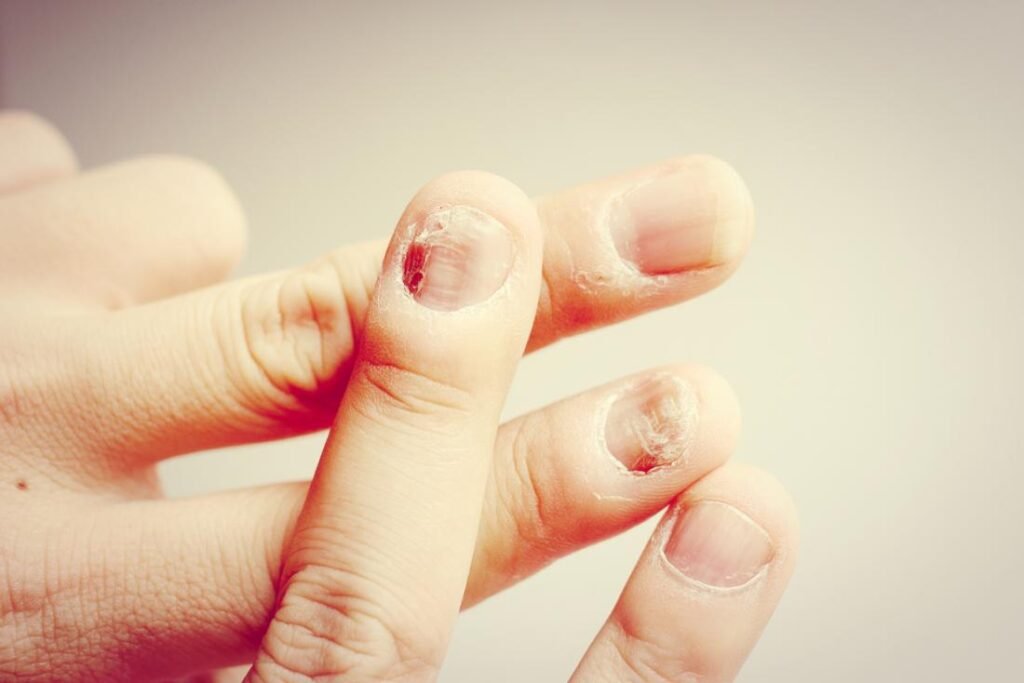
Nail fungus is a common yet stubborn problem that many people face. In order to protect yourself from this pesky condition, it is important to understand the risk factors and take necessary precautions. By identifying the factors that increase your susceptibility to nail fungus and implementing preventive measures, you can keep your nails healthy and fungus-free. In this article, we will explore the various risk factors associated with nail fungus and discuss simple yet effective precautions that can help you maintain beautiful and healthy nails. So, let’s dive into the world of nail fungus prevention and arm ourselves with knowledge to keep our nails in tip-top shape!
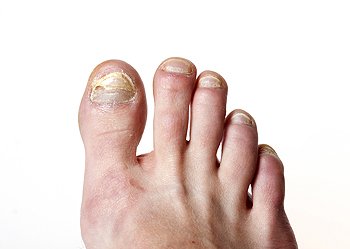
Risk Factors for Nail Fungus
Age
As you age, the risk of developing nail fungus increases. This is because as you get older, your nails tend to become brittle and dry, making them more susceptible to fungal infections. Additionally, the blood circulation to the nails decreases with age, which can further contribute to the development of nail fungus. It is important to be aware of this risk factor and take necessary precautions to prevent the infection.
Weakened Immune System
Having a weakened immune system puts you at a higher risk of developing nail fungus. Your immune system plays a crucial role in fighting off infections, including fungal infections. Certain medical conditions like diabetes, HIV/AIDS, and cancer, as well as certain medications that suppress the immune system, can weaken your immune system. It is important to take steps to boost your immune system and protect yourself from nail fungus.
Nail Trauma
Nail trauma, such as any kind of injury to the nail bed or nail plate, can increase the risk of developing nail fungus. When the nail is damaged, it creates an entry point for fungi to invade and cause an infection. This can happen from activities such as bumping or injuring the nail, wearing tight shoes that put pressure on the nails, or even from repetitive movements like running or playing sports. It is important to be cautious and take care of your nails to prevent trauma and minimize the risk of fungal infections.
Poor Hygiene
Poor hygiene practices can significantly contribute to the development of nail fungus. Fungi thrive in warm and moist environments, so if you don’t keep your nails clean and dry, you create the perfect conditions for fungal growth. It is essential to maintain proper hygiene by regularly washing your hands and feet, thoroughly drying them, and keeping your nails clean and trimmed. By practicing good hygiene habits, you can greatly reduce the risk of nail fungus.
Medical Conditions
Certain medical conditions can make you more susceptible to nail fungus. Conditions like diabetes, peripheral vascular disease, and psoriasis can affect the health of your nails and make them more prone to infections. It is crucial for individuals with these conditions to take extra care of their nails, maintain good foot hygiene, and promptly treat any signs of fungal infection.
Family History
If you have a family history of nail fungus, you may be at a higher risk of developing the infection yourself. Genetic factors can play a role in the susceptibility to fungal infections. It is important to be aware of your family history and take appropriate precautions to prevent nail fungus, especially if you have relatives who have experienced it before.
Public Places
Public places like swimming pools, gyms, and communal showers are hotbeds for fungal infections, including nail fungus. These environments are damp and offer perfect breeding grounds for fungi. To reduce the risk of getting infected, it is advisable to always wear protective footwear like flip-flops or shower shoes when using these facilities. This creates a barrier between your feet and the potentially contaminated surfaces.
Footwear Choice
The footwear you choose can also impact your vulnerability to nail fungus. Shoes that are tight and don’t allow air circulation can create a moist environment that promotes fungal growth. Instead, opt for breathable footwear made of natural materials like leather or canvas, as they allow air to circulate and help keep your feet dry. Additionally, make sure your shoes fit properly to prevent trauma to the nails and decrease the risk of nail fungus.
Moisture and Humidity
Moisture and humidity play a significant role in the development of nail fungus. When your feet are constantly exposed to wet or humid conditions, such as sweating profusely or wearing damp socks and shoes, it creates an environment where fungi can thrive. To prevent nail fungus, it is essential to keep your feet dry by wearing moisture-wicking socks and changing them frequently if they become damp. Additionally, avoid prolonged exposure to wet or damp environments.
Frequent Manicures and Pedicures
While manicures and pedicures can be a great way to maintain the health and appearance of your nails, frequent visits to nail salons can also increase the risk of nail fungus. If the tools used during the manicure or pedicure are not properly sterilized, they can transmit fungal infections from one person to another. It is important to be cautious when choosing a nail salon and ensure that they follow strict hygiene practices, including proper sanitation of tools and equipment.
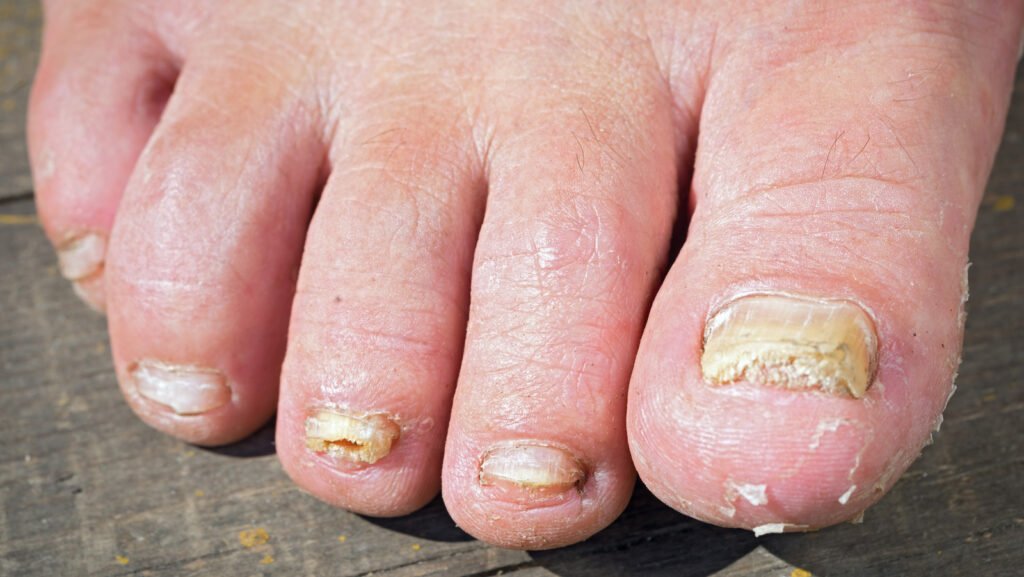
Precautions to Prevent Nail Fungus
Maintain Proper Hygiene
Maintaining proper hygiene is crucial in preventing nail fungus. This includes regular handwashing, proper cleaning and drying of your feet, and keeping your nails clean and trimmed. By practicing good hygiene habits, you can minimize the risk of fungal infections and keep your nails healthy.
Keep Nails Dry and Clean
Fungi thrive in moist environments, so it is important to keep your nails dry and clean. After washing your feet, make sure to thoroughly dry them, especially the areas between the toes. Avoid wearing damp socks or shoes, and change them regularly if they become wet. By keeping your nails dry and clean, you create an environment that is less favorable for fungal growth.
Choose Breathable Footwear
Choosing breathable footwear is essential in preventing nail fungus. Opt for shoes made of natural materials like leather or canvas, as they allow air to circulate and help keep your feet dry. Avoid wearing shoes that are tight or made of non-breathable materials, as they can trap moisture and increase the risk of fungal infections.
Avoid Walking Barefoot in Public Places
To reduce the risk of contracting nail fungus, it is best to avoid walking barefoot in public places. Wear protective footwear like flip-flops or shower shoes when using communal showers, swimming pools, or gym locker rooms. This creates a barrier between your feet and the potentially contaminated surfaces, reducing the chances of fungal infection.
Use Antifungal Sprays or Powders
Antifungal sprays or powders can be beneficial in preventing nail fungus. These products contain ingredients that help combat fungal growth and can be applied to your feet and shoes. By using antifungal sprays or powders, you create an additional layer of protection against fungal infections and keep your feet and nails healthy.
Never Share Personal Nail Care Items
Sharing personal nail care items like nail clippers, files, or polish with others can increase the risk of transmitting fungal infections. It is important to never share these items and to keep your own personal nail care kit. This reduces the chance of spreading infections and helps maintain the hygiene of your nails.
Be Cautious at Nail Salons
When visiting a nail salon, it is crucial to be cautious and ensure that the salon follows strict hygiene practices. Check that the tools and equipment used during manicures and pedicures are properly sterilized and that the salon maintains a clean environment. By being vigilant and choosing a reputable salon, you can minimize the risk of nail fungus.
Trim Nails Properly
Proper nail trimming is essential in preventing nail fungus. Trim your nails straight across and avoid cutting them too short. This helps prevent trauma to the nail bed and reduces the risk of developing fungal infections. Additionally, make sure to regularly clean your nail clippers or other tools used for nail trimming to prevent the accumulation of bacteria and fungi.
Avoid Nail Trauma
To reduce the risk of nail fungus, it is important to avoid nail trauma. Be cautious when engaging in activities that may cause injury to the nails, such as playing sports or wearing ill-fitting shoes. Keep your nails at an appropriate length and avoid picking or biting them, as these behaviors can also lead to trauma and increase the risk of fungal infections.
Boost Immune System
Maintaining a strong immune system is crucial in preventing nail fungus. Take measures to boost your immune system, such as eating a balanced diet, getting regular exercise, getting enough sleep, and managing stress. By keeping your immune system strong, it can better fight off fungal infections and protect your overall health.