Osteoporosis is a condition that affects the strength and density of your bones, making them more prone to fractures. Understanding the risk factors associated with osteoporosis and taking necessary precautions can play a significant role in preventing its onset. In this article, we will explore the various risk factors that contribute to the development of osteoporosis and provide practical tips to help you safeguard your bone health. Whether you’re in your 30s or 60s, this information can prove invaluable in maintaining strong and healthy bones throughout your life. So, let’s embark on this journey together and take proactive steps towards preventing osteoporosis.

Risk Factors for Osteoporosis
Age
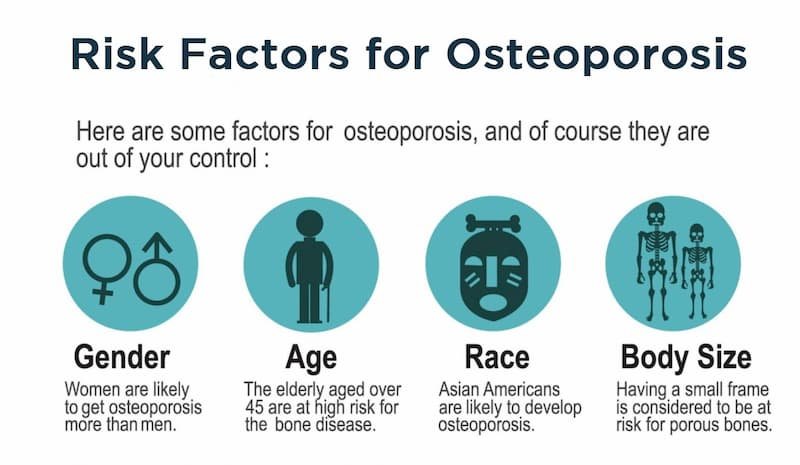
Age is the main risk factor for developing osteoporosis. As you get older, your bones naturally become thinner and weaker, making them more prone to fractures. The risk of osteoporosis increases significantly after the age of 50, especially for women who have reached menopause. However, it is important to note that osteoporosis can affect people of all ages, so taking preventive measures at any stage of life is crucial.
Gender
Women are more likely to develop osteoporosis than men. This is partly due to the fact that women tend to have lower bone density than men, especially after menopause. The decline in estrogen levels during menopause accelerates bone loss, making women more susceptible to osteoporosis. However, men can also develop the condition, and certain risk factors, such as a family history of osteoporosis, can increase their susceptibility.
Family History
Having a family history of osteoporosis can significantly increase your risk of developing the condition. If one or both of your parents have had a hip fracture, it is important to be more vigilant about your bone health. Genetic factors play a role in determining your bone density and how your body produces and regulates bone cells. While you cannot change your genetics, being aware of your family history can help you take proactive steps to reduce your risk.
Ethnicity
Your ethnicity can also affect your risk of osteoporosis. Caucasian and Asian women, particularly those of petite or small body frames, have a higher risk of developing the condition. African American and Hispanic women generally have a lower risk, but it is still important for individuals belonging to any ethnic background to prioritize bone health.
Body Size
Your body size plays a role in determining your risk of osteoporosis. People with small body frames or low body weight are at a higher risk because they have less bone mass to begin with. Additionally, individuals with a low body mass index (BMI) are more likely to experience hormonal imbalances, such as low estrogen levels in women, which can contribute to bone loss. However, individuals with larger body sizes can also develop osteoporosis, particularly if there are other risk factors present.
Hormonal Factors
Hormonal factors can greatly influence the development of osteoporosis. In women, the decline in estrogen levels during menopause contributes to bone loss. Hormonal imbalances, such as those associated with certain medical conditions or treatments, can also increase the risk. Men with low testosterone levels are also more susceptible to osteoporosis. It is important to maintain hormonal balance through healthy lifestyle choices and, if necessary, consult with a healthcare provider for appropriate hormone therapy.
Dietary Factors
Your diet plays a crucial role in maintaining bone health and preventing osteoporosis. Adequate calcium and vitamin D intake are essential for strong and healthy bones. Calcium is the main building block of bones, while vitamin D helps the body absorb calcium effectively. Foods rich in calcium include dairy products, leafy greens, and fortified foods. Vitamin D can be obtained from sunlight exposure and certain foods, such as fatty fish and fortified dairy products. It is important to ensure your diet includes these nutrients or consider supplements if necessary.
Lifestyle Factors
Certain lifestyle choices can increase your risk of developing osteoporosis. Physical inactivity or a sedentary lifestyle can lead to weakened bones, as weight-bearing exercises and strength training help maintain bone density. Excessive alcohol consumption, particularly more than three drinks per day, can also negatively impact bone health. Smoking cigarettes can interfere with the body’s ability to absorb calcium and can result in decreased bone density. By adopting a healthy lifestyle, including regular exercise and avoiding harmful habits, you can reduce your risk of osteoporosis.
Medications and Medical Conditions
Some medications and medical conditions can contribute to the development of osteoporosis. Long-term use of certain medications, such as corticosteroids, can lead to bone loss. Medical conditions that affect hormone levels, such as hyperthyroidism or hyperparathyroidism, can also increase the risk. If you have a chronic medical condition or are taking medications that may affect your bone health, it is important to discuss this with your healthcare provider and explore preventive measures or alternative treatment options.
Previous Broken Bones
Having a history of previous broken bones, especially after the age of 50, can indicate an increased risk of osteoporosis. Fractures resulting from minor falls or impacts can be a warning sign of weakened bones. If you have experienced a fracture, it is essential to take proper precautions and undergo bone density testing to assess your bone health. Preventive measures can help reduce the risk of future fractures and maintain overall bone strength.

Precautions for Osteoporosis
Calcium and Vitamin D Intake
Adequate calcium and vitamin D intake is crucial for maintaining bone health and preventing osteoporosis. Incorporate calcium-rich foods like dairy products, leafy greens, and fortified foods into your diet. Additionally, getting enough sunlight exposure and consuming foods rich in vitamin D, such as fatty fish and fortified dairy products, ensures proper calcium absorption. If your diet does not provide sufficient calcium and vitamin D, consider consulting with a healthcare provider about supplements.
Regular Exercise
Regular exercise, particularly weight-bearing and strength-training exercises, is essential for building and maintaining healthy bones. Incorporate activities such as walking, jogging, dancing, and weightlifting into your routine to stimulate bone growth and increase bone density. Aim for at least 30 minutes of physical activity most days of the week and consult with a healthcare provider for personalized exercise recommendations.
Maintaining a Healthy Weight
Maintaining a healthy weight is important for overall health, but it also plays a role in preventing osteoporosis. Both excess weight and being underweight can increase the risk of bone loss. Strive for a balanced diet and regular exercise to achieve and maintain a healthy weight for your body type and take proactive steps to ensure proper bone health.
Avoiding Excessive Alcohol Consumption
Excessive alcohol consumption can negatively impact bone health and increase the risk of osteoporosis. Limit your alcohol intake to moderate levels, defined as up to one drink per day for women and up to two drinks per day for men. By practicing moderation, you can protect your bones and reduce the risk of complications related to alcohol consumption.
Quit Smoking
Smoking cigarettes not only poses numerous health risks but also contributes to bone loss. Chemicals in cigarettes can interfere with the body’s ability to absorb calcium, leading to decreased bone density. Quitting smoking is beneficial for overall health, including bone health. Consult with a healthcare provider for assistance and resources to help you quit smoking successfully.
Fall Prevention
Taking precautions to prevent falls is essential for individuals with osteoporosis, as weakened bones are more prone to fractures. Keep your home well-lit and free of hazards, such as loose rugs or clutter. Install handrails and grab bars in bathrooms and stairways to provide stability. Engage in exercises that improve balance and coordination. By reducing the risk of falls, you can protect your bones from potential fractures.
Hormone Therapy
Hormone therapy, particularly estrogen therapy for women, can help prevent bone loss and reduce the risk of osteoporosis. If you are experiencing menopausal symptoms or have hormone-related conditions, consult with a healthcare provider to explore the potential benefits and risks of hormone therapy. Individualized treatment plans aimed at addressing hormonal imbalances can contribute to overall bone health.
Medication for Osteoporosis
Depending on your risk factors and bone density test results, your healthcare provider may recommend medications specifically designed to treat osteoporosis. These medications can slow down bone loss, increase bone density, and reduce the risk of fractures. It is important to follow your healthcare provider’s instructions and regularly discuss any concerns or side effects.
Regular Bone Density Testing
Regular bone density testing, also known as a dual-energy X-ray absorptiometry (DXA) scan, is crucial for assessing your bone health and monitoring any changes over time. This non-invasive test measures the density of your bones and helps determine your risk of fractures. The frequency of bone density testing can vary depending on your individual risk factors and healthcare provider’s recommendations.
Consulting a Healthcare Provider
Lastly, it is essential to consult with a healthcare provider to discuss your individual risk factors, assess your bone health, and develop a personalized plan for osteoporosis prevention. A healthcare provider can provide guidance on lifestyle modifications, dietary adjustments, and potential treatment options based on your unique circumstances. Regular check-ups and open communication with your healthcare provider will ensure proactive management of your bone health.
By understanding the risk factors and taking the necessary precautions, you can significantly reduce your risk of developing osteoporosis and maintain strong and healthy bones throughout life. Remember to prioritize your bone health, implement lifestyle changes, and consult with a healthcare provider for personalized guidance. Taking action today can pave the way for a future with healthy, resilient bones.