Imagine living in a world where everyday tasks, like getting on an elevator or driving over a bridge, cause your heart to race and your palms to sweat. Phobias, intense and irrational fears of certain objects or situations, can have a significant impact on a person’s life. In this article, we will explore the risk factors that contribute to the development of phobias and discuss the precautions one can take to prevent them. Whether you’ve experienced a phobia firsthand or simply want to understand these debilitating fears better, this article aims to provide valuable insights and guidance. So, let’s embark on this journey together and delve into the fascinating world of phobias.
Risk Factors for Phobia
Genetics
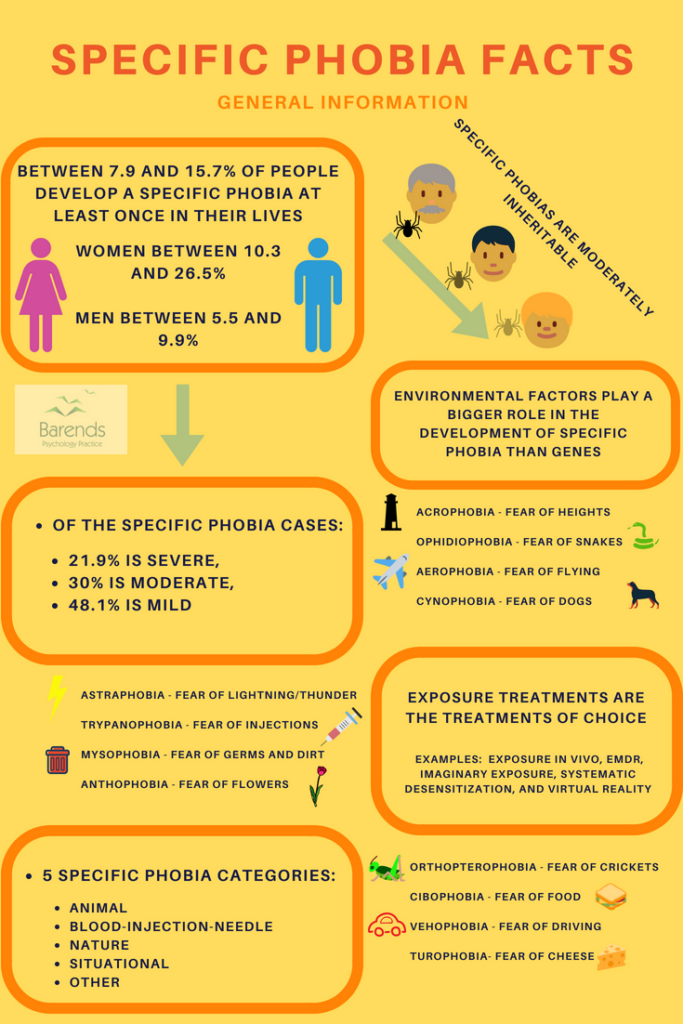
Phobias can run in families, suggesting a genetic component. If you have a close relative with a specific phobia, there is a higher chance that you may develop the same or a similar phobia. However, genetics is not the sole determining factor, as other factors play a role as well.
Traumatic experiences
Experiencing a traumatic event, such as a car accident or natural disaster, can trigger the development of a phobia. The fear and anxiety associated with the traumatic event can become associated with certain objects or situations, leading to the development of a specific phobia. For example, someone who has a near-drowning experience may develop a fear of water.
Learned behavior
Phobias can also be learned through observing others. If you witness someone close to you displaying intense fear or anxiety in response to a specific object or situation, you may develop a phobia towards that as well. This can be particularly true for children who often learn from their parents or caretakers.
Brain structure and function
Research suggests that certain patterns of brain activity and differences in brain structure may contribute to the development of phobias. The amygdala, a part of the brain involved in fear and anxiety, is thought to play a significant role. In individuals with phobias, the amygdala may be more reactive to fear-inducing stimuli, leading to an exaggerated fear response.
Personality traits
Certain personality traits may make individuals more susceptible to developing phobias. People who are prone to anxiety, have low self-esteem, or a poor ability to cope with stress may be at a higher risk. Additionally, individuals who have a tendency to be more cautious or fearful in general may also be more likely to develop phobias.
Family history
Having a family history of anxiety disorders or phobias increases the risk of developing a phobia. Factors such as genetic predisposition, learned behavior, and shared environments contribute to the increased likelihood of phobia development within families. Being aware of your family history can help you take necessary precautions and seek early intervention if needed.
Gender
Research suggests that there may be a gender difference in the prevalence of certain phobias. For example, specific phobias like fear of spiders or snakes are more commonly reported in females, while fear of heights is more commonly reported in males. However, it is essential to note that phobias can affect individuals of any gender.
Age
The age at which a phobia develops can vary, but many phobias tend to develop in childhood or adolescence. Children may be more prone to developing specific phobias because they are still learning to navigate and understand the world around them. However, phobias can also develop in adulthood due to traumatic experiences or other risk factors.
Socioeconomic status
Research suggests a possible relationship between socioeconomic status and the development of specific phobias. Factors such as access to healthcare, education, and exposure to traumatic experiences can differ across socioeconomic groups, potentially influencing the prevalence of phobias. However, it is essential to consider that phobias can develop in individuals from all socioeconomic backgrounds.
Culture
Cultural factors play a significant role in the development and interpretation of fears and phobias. Different cultures may have varying norms, beliefs, and attitudes towards certain objects or situations, which can influence the development and expression of phobias. For example, certain animals or religious symbols may be considered harmless in one culture but feared in another.
Precautions for Phobia
Early intervention
Early intervention is crucial when it comes to managing and treating phobias. If you notice signs of excessive fear or avoidance behaviors, it is essential to seek professional help as soon as possible. Identifying and addressing phobias early can prevent them from worsening and interfering with your daily life.
Seeking professional help
Phobias can be effectively treated with the help of mental health professionals such as psychologists, psychiatrists, or counselors. A trained professional can assess the severity of your phobia, provide a proper diagnosis, and develop a personalized treatment plan. They may also help you understand the underlying causes and teach you coping mechanisms to manage your phobia.
Cognitive-behavioral therapy (CBT)
Cognitive-behavioral therapy (CBT) is a widely used approach for treating phobias. This type of therapy focuses on identifying negative thoughts and beliefs associated with the phobia and replacing them with more realistic and constructive thoughts. CBT also involves gradual exposure to the feared object or situation, helping you build resilience and reduce your fear response.
Exposure therapy
Exposure therapy is a specific form of CBT that involves gradually exposing yourself to the feared object or situation in a controlled and safe environment. This exposure helps you confront and overcome your fear, gradually reducing the anxiety associated with the phobia. Exposure therapy can be conducted with the assistance of a therapist or through self-guided techniques.
Medication
In some cases, medication may be prescribed to help manage the symptoms of phobias, particularly if they are severe or significantly impact your daily functioning. Medications such as selective serotonin reuptake inhibitors (SSRIs) or anti-anxiety medications may be prescribed by a healthcare professional. It is essential to work closely with a medical professional to determine the most appropriate medication and dosage for your specific needs.
Self-help strategies
In addition to professional help, there are various self-help strategies you can employ to manage your phobia. These may include relaxation techniques like deep breathing or meditation, positive self-talk, and gradual exposure to the feared object or situation. It is crucial to be patient with yourself during this process and seek support when needed.
Support groups
Joining a support group can provide an opportunity to connect with others who have similar experiences and understand the challenges posed by phobias. Sharing your fears, stories, and coping strategies with others can provide valuable insights and encouragement. Support groups can be in-person or online, offering a safe and nonjudgmental space to discuss your journey.
Lifestyle changes
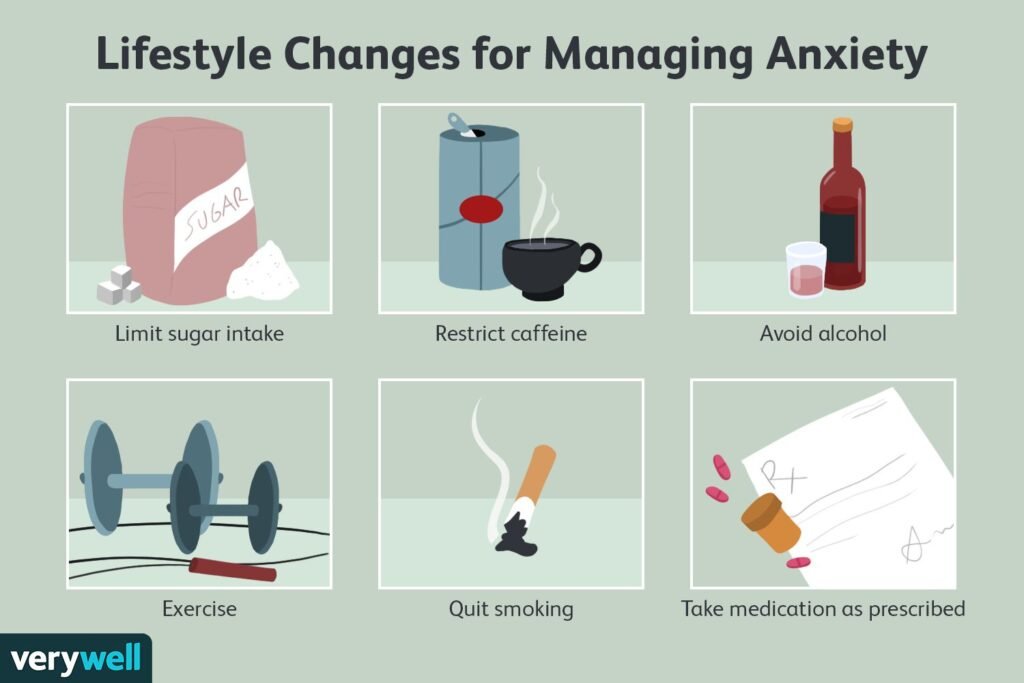
Making certain lifestyle changes can also help in managing phobias. Engaging in regular physical activity, maintaining a balanced diet, and getting enough sleep can contribute to overall well-being and help reduce anxiety symptoms. Avoiding excessive caffeine and alcohol consumption, known to exacerbate anxiety, can also be beneficial.
Self-care
Prioritizing self-care is essential when dealing with a phobia. Engaging in activities you enjoy, practicing relaxation techniques, and taking time for yourself can help reduce stress and promote a sense of calm. It is important to listen to your body and mind, giving them the care and attention they need to stay healthy and balanced.
Avoidance management
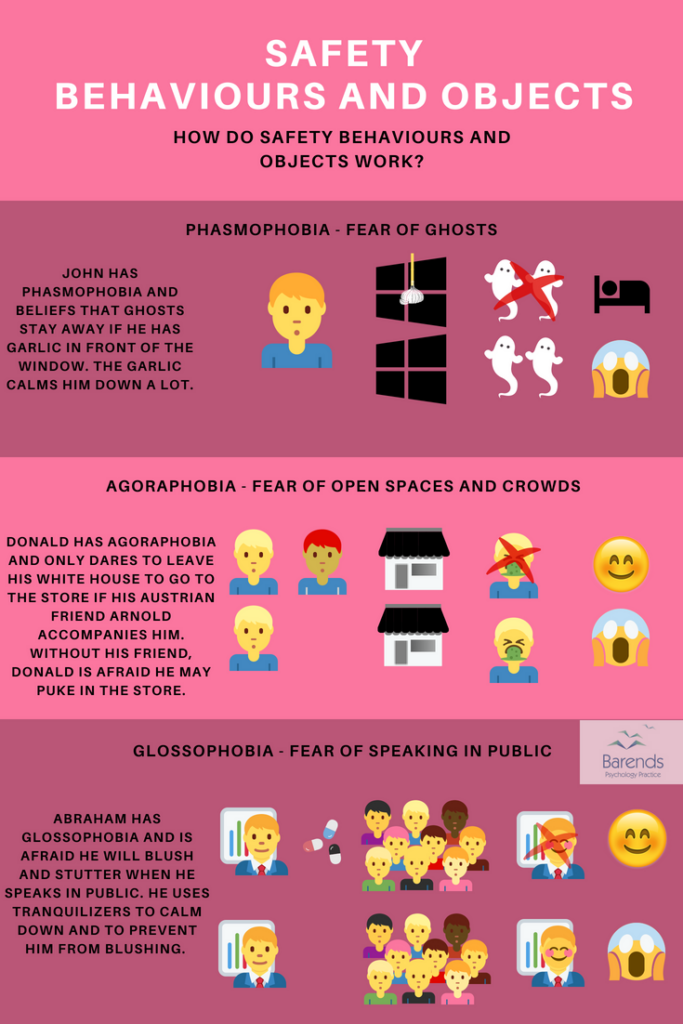
Avoiding the feared object or situation may seem tempting, but it can actually reinforce the phobia and make it harder to overcome. Gradually facing your fears and challenging avoidance behaviors is a vital aspect of phobia management. With the support of a mental health professional or through self-guided techniques, you can learn strategies to effectively cope with and confront your phobia.
By understanding the risk factors and taking necessary precautions, you can empower yourself to manage and overcome your phobia. Remember, seeking help is never a sign of weakness but rather a step towards reclaiming control over your life. With the right support and resources, you can work towards living a fulfilling and fear-free life.