Progressive Supranuclear Palsy, a rare neurological disorder, can present numerous challenges for those affected. This article explores the various risk factors associated with the condition, shedding light on the precautions that can be taken to manage its progression and enhance quality of life. By gaining a better understanding of these factors and implementing preventive measures, individuals can navigate the complexities of Progressive Supranuclear Palsy with greater ease and peace of mind.

Risk Factors for Progressive Supranuclear Palsy
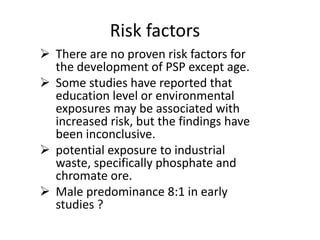
Progressive Supranuclear Palsy (PSP) is a rare neurodegenerative disorder that affects movement, balance, and vision. While the exact cause of PSP is still unknown, researchers have identified several risk factors that may increase the likelihood of developing the condition. Understanding these risk factors can help individuals make informed decisions about their health and take necessary precautions to reduce their risk of developing PSP.
Age
Age is one of the most significant risk factors for developing Progressive Supranuclear Palsy. PSP predominantly affects individuals over the age of 60, with the average age of onset being around 63 years. As you grow older, the risk of developing PSP increases. While younger individuals can also develop PSP, it is less common in this age group.
Gender
Gender is another factor that plays a role in the risk of developing PSP. Studies have shown that men are more likely to be affected by PSP compared to women. Although the reason behind this gender difference is not yet fully understood, hormonal and genetic factors may contribute to the increased risk among men. However, it’s important to note that women can still develop PSP, and the risk should not be overlooked.
Genetics
Genetics also plays a significant role in the development of Progressive Supranuclear Palsy. Certain genetic mutations, such as mutations in the tau gene, have been strongly associated with PSP. Tau proteins help stabilize microtubules, which are crucial for maintaining the structure of cells. Mutations in the tau gene can lead to abnormal tau protein aggregation, contributing to the neurodegeneration seen in PSP. Apart from tau gene mutations, other genetic risk factors may also contribute to the development of this condition, although further research is needed to fully understand their impact.
Environmental Factors
While genetics and age are strong risk factors for PSP, environmental factors may also play a role. One potential environmental risk factor is repetitive head injury. Studies have found that individuals who have experienced repeated head trauma, such as athletes involved in contact sports or those with a history of falls, may have an increased risk of developing PSP. Additionally, toxic exposure, such as exposure to certain chemicals or metals, may also contribute to the development of this condition. Further research is needed to fully understand the impact of environmental factors on PSP.
Precautions for Progressive Supranuclear Palsy
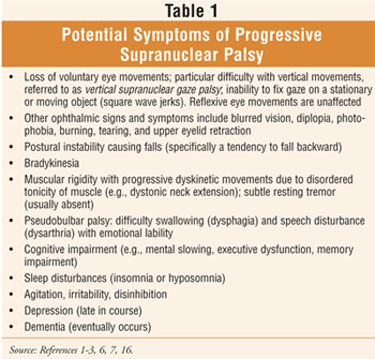
While there is currently no cure for Progressive Supranuclear Palsy, individuals can take certain precautions to reduce their risk or delay the progression of the disease. These precautions focus on maintaining a healthy lifestyle, avoiding traumatic brain injury, and ensuring environmental safety.
Regular Physical Exercise
Engaging in regular physical exercise is not only beneficial for overall health but may also have a positive impact on reducing the risk of developing Progressive Supranuclear Palsy. Exercise helps improve cardiovascular health, strengthens muscles, and promotes brain health. It is recommended to incorporate different types of exercise, including aerobic exercise, strength training, and balance exercises, into your routine. Consulting with a physiotherapist can provide guidance on suitable exercises tailored to your specific needs and capabilities.
Avoiding Traumatic Brain Injury
Considering the potential link between repetitive head injury and PSP, taking precautions to avoid traumatic brain injury is essential. One important measure is wearing protective headgear when engaging in activities that pose a risk of head injury, such as contact sports or heavy manual labor. Additionally, taking precautions at home and work, such as using non-slip mats, installing handrails, and maintaining a clutter-free environment, can help minimize the risk of falls and head injuries.
Maintaining a Healthy Lifestyle
Maintaining a healthy lifestyle can contribute to overall well-being and potentially reduce the risk of developing Progressive Supranuclear Palsy. A balanced diet, rich in fruits, vegetables, whole grains, and lean proteins, provides essential nutrients that support brain health and overall functioning. Adequate sleep is also crucial for optimal brain function and overall health. It is recommended to aim for seven to nine hours of quality sleep each night. Lastly, reducing stress levels through relaxation techniques, hobbies, and social support can have a positive impact on overall health and potentially reduce the risk of neurodegenerative diseases.
Environmental Safety Measures
Creating a safe home environment is important for individuals at risk of developing Progressive Supranuclear Palsy. Removing hazards, such as loose rugs or clutter, can help minimize the risk of falls, which can be especially detrimental for individuals with balance and movement difficulties. Installing grab bars in bathrooms and placing non-slip mats in the shower or bathtub can further enhance safety. Consider incorporating cognitive stimulation activities, such as puzzles or brain games, to keep the mind active and engaged.
In conclusion, while the exact cause of Progressive Supranuclear Palsy remains unknown, several risk factors have been identified. Age, gender, genetics, and environmental factors all play a role in the development of this condition. By taking precautions such as engaging in regular physical exercise, avoiding traumatic brain injury, maintaining a healthy lifestyle, and implementing environmental safety measures, individuals can lower their risk and promote their overall well-being. It is essential to consult with healthcare professionals for personalized advice and guidance on reducing the risk of Progressive Supranuclear Palsy.