
Organ transplants have revolutionized the medical field, allowing individuals with failing organs to regain their health and quality of life. However, it is important to understand the risk factors associated with this life-saving procedure and the precautions that need to be taken to ensure its success. From compatibility issues to potential rejection, this article provides valuable insights into the world of organ transplants and highlights the precautions one must consider before undergoing this life-changing surgery. So if you or your loved ones are considering an organ transplant, read on to discover the essential information you need to know.
Risk Factors for Organ Transplants
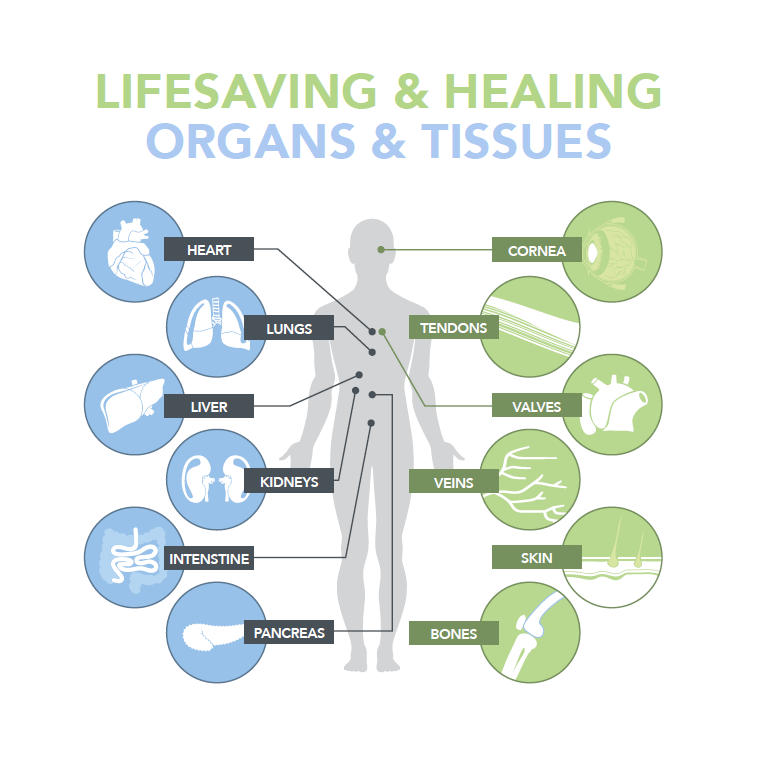
Organ transplants are complex medical procedures that involve replacing a damaged or failing organ with a healthy organ from a donor. While organ transplantation can save lives and improve the quality of life for many individuals, there are certain risk factors that need to be considered before undergoing the procedure. These risk factors can affect the success and outcome of the transplant. It is important to understand and mitigate these potential risks to ensure the best possible outcome for the patient.
Age
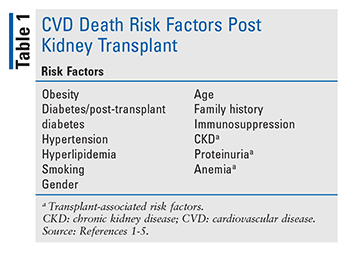
One of the significant risk factors for organ transplants is age. Advanced age can increase the likelihood of complications during and after the transplant surgery. Older individuals may have weakened immune systems, making them more susceptible to infections. Additionally, older organs may also have a reduced lifespan, which can impact the long-term success of the transplant. However, age alone should not be the sole determining factor in whether a person is a suitable candidate for a transplant. The overall health and potential benefits of the transplant should also be taken into consideration.
Underlying Health Conditions
Underlying health conditions play a crucial role in the success of organ transplants. Certain medical conditions such as heart disease, diabetes, and kidney disease can increase the risk of complications during surgery and affect the body’s ability to accept the new organ. It is important for individuals with pre-existing health conditions to work closely with their healthcare team to manage and stabilize their condition before considering an organ transplant. The medical team will conduct a thorough evaluation to determine the overall suitability for the procedure.
Previous Transplants
Individuals who have undergone previous organ transplants may face increased risk factors for subsequent transplants. The body’s immune system may have developed antibodies against the transplanted organ, making it more difficult to find a suitable donor match. In such cases, it is important to carefully evaluate the potential risks and benefits with the medical team before proceeding with another transplant. Additional precautions may need to be taken to ensure the success of the procedure.
Blood Type Compatibility
Blood type compatibility is a critical factor in organ transplantation. The immune system can potentially reject an organ if it is not a compatible match. Each person has a specific blood type, including A, B, AB, or O, and these blood types must be carefully matched between the donor and recipient. For example, individuals with blood type O can receive organs from any blood type, while individuals with blood type AB can receive organs from any blood type as they are considered universal recipients. It is crucial to ensure the compatibility of blood types to minimize the risk of rejection and improve the chances of a successful transplant.
Body Size and Weight
Body size and weight can also impact the success of organ transplants. The size of the new organ must be suitable for the recipient’s body to ensure optimal functioning. In cases where the recipient is significantly smaller or larger than the donor, complications may arise. The medical team will carefully consider these factors during the evaluation process to determine the most appropriate donor-recipient match. It is important to find a donor organ that is proportionate in size to the recipient’s body to maximize the chances of a successful transplant.
Infection History
A history of infections can increase the risk associated with organ transplants. Individuals who have had repeated or severe infections may have weakened immune systems, making them more susceptible to infections post-transplant. It is crucial for the medical team to assess the individual’s infection history and determine if additional precautions, such as targeted antimicrobial therapy, are necessary to prevent post-transplant infections. Proper screening and risk assessment are essential to minimize the risk of complications related to infections.
Psychological and Emotional Factors
Psychological and emotional factors cannot be overlooked when considering organ transplants. The process of undergoing an organ transplant can be emotionally challenging and can have a significant impact on an individual’s mental well-being. It is essential to ensure that individuals undergoing a transplant have a strong support system in place to help them cope with the emotional and psychological aspects of the procedure. Counseling and psychological support should be made available to patients to address any fears, anxieties, or concerns they may have.
Medication History
An individual’s medication history plays a crucial role in organ transplantation. Some medications may interact negatively with the immunosuppressive drugs used to prevent organ rejection. It is important for the medical team to have a comprehensive understanding of the patient’s medication history to adjust the treatment plan accordingly. Certain medications may need to be discontinued or modified before the transplant to reduce the risk of complications. Patients should communicate their complete medication history, including over-the-counter drugs and herbal supplements, to ensure the safety and effectiveness of the transplant.
Ethnicity
Ethnicity can also be a risk factor in organ transplantation. Certain ethnic groups may have a higher prevalence of specific medical conditions that may affect the success of organ transplants. For example, individuals of African descent may have a higher risk of kidney rejection post-transplant. It is important for healthcare providers to be aware of these specific risks associated with different ethnicities to tailor the treatment plans and provide appropriate care. Understanding the impact of ethnicity can help improve the success rate of organ transplants across diverse populations.
Smoking and Substance Abuse
Smoking and substance abuse can significantly impact the success of organ transplants. Both smoking and substance abuse can lead to compromised health and weakened immune systems, making individuals more susceptible to infections and organ rejection. It is crucial for individuals who smoke or engage in substance abuse to quit these habits before undergoing a transplant. A period of abstinence is typically required before being considered eligible for a transplant. Quitting smoking and addressing substance abuse not only improves the chances of a successful transplant but also promotes overall health and well-being.
Precautions for Organ Transplants
While organ transplantation offers hope and the potential for a better quality of life, it is important to take certain precautions to ensure the success of the procedure and promote long-term health and well-being.
Thorough Evaluation and Screening
A thorough evaluation and screening process is crucial before undergoing an organ transplant. This process involves assessing the patient’s overall health, including medical history, current conditions, and potential risk factors. The medical team will conduct various tests and examinations to determine the patient’s suitability for the transplant. This comprehensive evaluation helps identify any potential complications, evaluate the risks, and ensure the best possible outcomes for the patient.
Selection of Suitable Donor
The selection of a suitable donor is a critical step in organ transplantation. Matching the donor organ to the recipient’s blood type and considering factors such as body size and weight is essential to maximize the chances of success. In some cases, living donors may be an option, such as for kidney transplants. It is important to carefully assess and select a donor who is compatible with the recipient to minimize the risk of rejection and optimize long-term organ function.
Immunosuppressive Medication
Following an organ transplant, patients will typically require lifelong immunosuppressive medication. These medications help prevent the body’s immune system from rejecting the transplanted organ. However, these medications also come with risks, including an increased susceptibility to infections and certain cancers. It is essential for patients to strictly adhere to their medication schedule and undergo regular monitoring to ensure the correct dosage and minimize the risk of complications.
Post-Transplant Monitoring
Post-transplant monitoring is critical to assess the success of the transplant and identify any potential complications early on. Regular follow-up appointments, lab tests, and imaging studies help healthcare providers monitor organ function, detect any signs of rejection or infection, and adjust the treatment plan as needed. Patients will need to work closely with their healthcare team to ensure timely and appropriate follow-up care to promote the long-term success of the transplant.
Lifestyle Modifications
After an organ transplant, individuals may need to make certain lifestyle modifications to promote overall health and well-being. This can include adopting a healthy diet, exercising regularly, and avoiding activities that may pose a risk to the transplanted organ. Maintaining a healthy lifestyle can help reduce the risk of complications, improve organ function, and enhance the overall quality of life.
Healthy Diet and Exercise
A healthy diet and regular exercise are vital components of post-transplant care. Following a balanced diet that is low in sodium, saturated fats, and processed foods can help prevent the development of hypertension, high cholesterol, and other conditions that could impact the transplanted organ. Regular exercise, as recommended by the healthcare team, can support cardiovascular health, maintain muscle strength, and enhance overall well-being.
Maintaining Medication Schedule
Strict adherence to the medication schedule is crucial for the success and longevity of an organ transplant. Immunossuppressive medications need to be taken as prescribed to prevent organ rejection. Patients should work closely with their healthcare team to understand the importance of medication compliance and develop strategies to incorporate medications into their daily routines. This commitment to medication adherence is essential for optimizing the outcomes of the transplant.
Managing Stress and Emotional Support
The process of undergoing an organ transplant can be emotionally and psychologically challenging. Managing stress and seeking emotional support are crucial aspects of post-transplant care. Patients should communicate their feelings, fears, and concerns to their healthcare team and seek counseling or support groups if needed. Emotional well-being plays a significant role in overall recovery and quality of life after a transplant.
Regular Follow-Up Appointments
Regular follow-up appointments are necessary to monitor the progress of the transplant, evaluate organ function, and address any concerns or complications. Patients should attend all scheduled appointments and communicate openly with their healthcare providers to ensure optimal post-transplant care. Regular check-ups provide an opportunity to detect and address any potential issues early on and make necessary adjustments to the treatment plan.
Avoidance of Infections
Preventing infections is crucial after an organ transplant, as individuals on immunosuppressive medications may have weakened immune systems. Patients should adhere to strict hygiene practices, including regular handwashing, avoiding crowded places, and getting recommended vaccinations. It is also important to be cautious around individuals who are sick or have infections to minimize the risk of contracting an infection.
In conclusion, while organ transplantation offers hope and the potential for a better quality of life for individuals with damaged or failing organs, it is important to consider the various risk factors that can affect the success and outcomes of the procedure. Factors such as age, underlying health conditions, previous transplants, blood type compatibility, body size and weight, infection history, psychological and emotional factors, medication history, ethnicity, and smoking and substance abuse should be thoroughly evaluated and mitigated to minimize risks. Precautions such as thorough evaluation and screening, selection of suitable donors, immunosuppressive medication, post-transplant monitoring, lifestyle modifications, healthy diet and exercise, maintaining medication schedule, managing stress and emotional support, regular follow-up appointments, and avoidance of infections are essential for the successful outcome of organ transplants. By understanding and addressing these risk factors and taking necessary precautions, organ transplantation can continue to save lives and improve the quality of life for countless individuals worldwide.
