
Laryngitis, a common condition that affects the voice box, can be quite uncomfortable and frustrating. In this informative article, you will discover the various risk factors associated with laryngitis, as well as the precautions you can take to prevent this ailment. Whether you are a professional singer or someone who loves to engage in spirited conversations, understanding these factors and taking the necessary steps to protect your voice will ensure that you maintain optimal vocal health. So, read on to learn more about how you can safeguard your voice and keep laryngitis at bay. Laryngitis is a condition in which the voice box or larynx becomes inflamed, leading to hoarseness or loss of voice. While laryngitis can occur in anyone, there are certain risk factors that can increase your chances of developing this condition. By understanding these risk factors, you can take proper precautions to prevent laryngitis and maintain a healthy voice. In this article, we will explore the various risk factors for laryngitis and discuss the precautions you can take to avoid this frustrating condition.
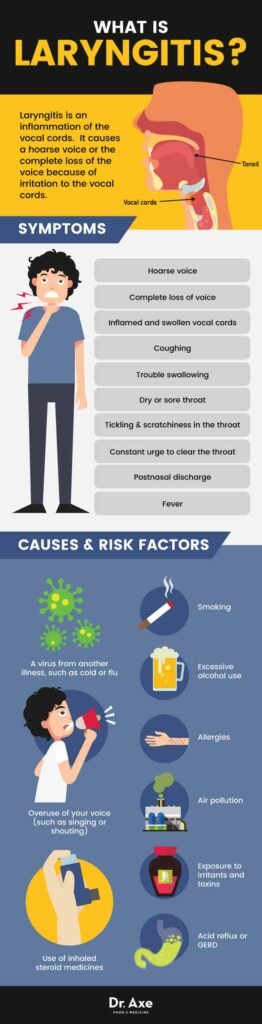
Viral Infections
One of the most common causes of laryngitis is viral infections. Viruses such as the common cold, influenza (flu), respiratory syncytial virus (RSV), and herpes simplex virus (HSV) can all lead to inflammation of the larynx. These viruses are highly contagious and can spread easily through droplets in the air or by direct contact with an infected individual. To reduce your risk of laryngitis from viral infections, practice good hand hygiene, avoid close contact with sick individuals, and get vaccinated against the flu.
Bacterial Infections
While less common than viral infections, bacterial infections can also contribute to laryngitis. Bacteria such as Streptococcus pyogenes, Haemophilus influenzae, Moraxella catarrhalis, and Mycoplasma pneumoniae can all cause inflammation of the larynx. Bacterial infections are usually treated with antibiotics, and it is important to seek prompt medical attention if you suspect a bacterial infection. To prevent bacterial laryngitis, maintain good overall hygiene and avoid close contact with individuals who have bacterial infections.
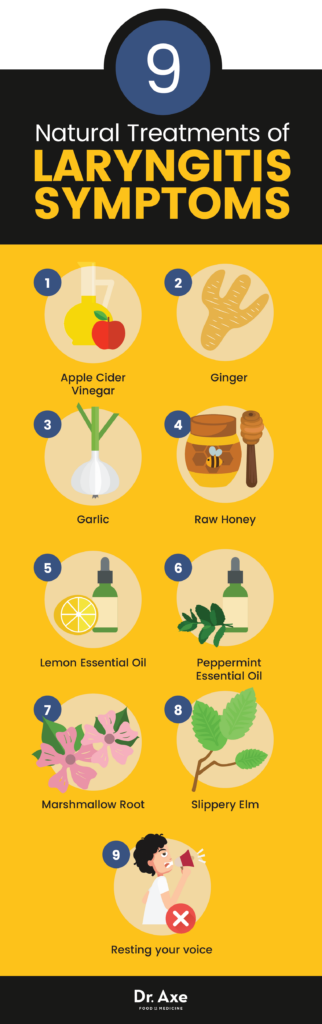
Acid Reflux
Another risk factor for laryngitis is acid reflux, a condition in which stomach acid flows back up into the esophagus and throat. The backflow of acid can irritate the larynx, leading to inflammation. Gastroesophageal reflux disease (GERD) and laryngopharyngeal reflux (LPR) are both forms of acid reflux that can contribute to laryngitis. To manage acid reflux and reduce your risk of laryngitis, avoid trigger foods such as spicy or acidic foods, maintain a healthy weight, and elevate the head of your bed when sleeping.
Excessive Use of Voice
Using your voice excessively or improperly can strain the vocal cords and increase your risk of developing laryngitis. Activities such as speaking or singing loudly, talking for extended periods without rest, and using improper voice techniques can all put undue stress on the larynx. To prevent laryngitis from excessive voice use, practice good vocal hygiene by speaking at a comfortable volume, taking breaks to rest your voice, and using proper breathing techniques when speaking or singing.
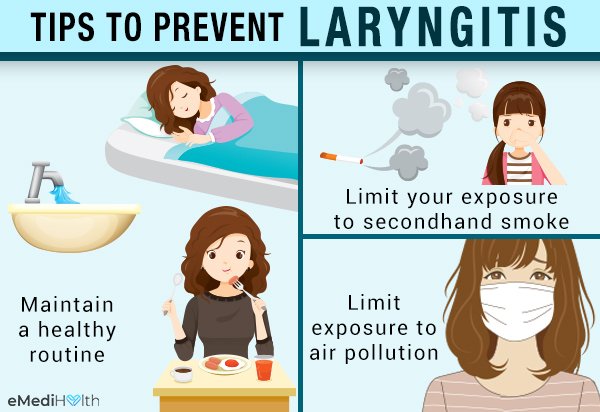
Smoking and Second-Hand Smoke
It is no secret that smoking is detrimental to your health, and it can also increase your risk of developing laryngitis. Both direct smoking and exposure to second-hand smoke can irritate the larynx and lead to inflammation. To protect your voice and reduce your risk of laryngitis, it is important to quit smoking and avoid environments where you may be exposed to second-hand smoke.
Environmental Factors
Certain environmental factors can also contribute to laryngitis. Exposure to dust, chemicals, pollutants, and dry air can all irritate the larynx and lead to inflammation. To minimize your risk of laryngitis from environmental factors, take precautions such as wearing a mask in dusty environments, using air purifiers to reduce pollutants, and humidifying your living space to add moisture to the air.

Allergies
People who suffer from allergies are more prone to developing laryngitis. Seasonal allergies, allergic rhinitis, and food allergies can all trigger inflammation in the larynx. To prevent allergic laryngitis, it is important to identify your allergies and take steps to avoid allergens. This may include staying indoors during high pollen seasons, keeping your living space clean and free of dust mites, and avoiding foods that trigger your allergies.
Chronic Sinusitis
Chronic sinusitis, a condition characterized by persistent inflammation of the sinuses, can also increase your risk of laryngitis. The nasal congestion and post-nasal drip associated with chronic sinusitis can irritate the larynx and lead to inflammation. If you suffer from chronic sinusitis, work with your healthcare provider to manage your symptoms and reduce the risk of laryngitis.
Aging
As we age, our vocal cords naturally undergo changes that can make them more susceptible to inflammation. The vocal cords become thinner and lose elasticity, which can increase the risk of laryngitis. While we cannot stop the aging process, there are precautions you can take to maintain a healthy voice. This includes practicing good vocal hygiene, avoiding excessive use of voice, and seeking prompt medical attention for any voice changes or concerns.
Weakened Immune System
Having a weakened immune system can make you more susceptible to infections, including those that can lead to laryngitis. Conditions such as HIV/AIDS, autoimmune diseases, and certain medications can weaken the immune system and increase the risk of laryngitis. To support your immune system and reduce the risk of laryngitis, it is important to eat a healthy diet, get regular exercise, manage stress levels, and follow any recommended medical treatments or medications.
Now that we have explored the various risk factors for laryngitis, let’s move on to the precautions you can take to prevent this condition and maintain a healthy voice.
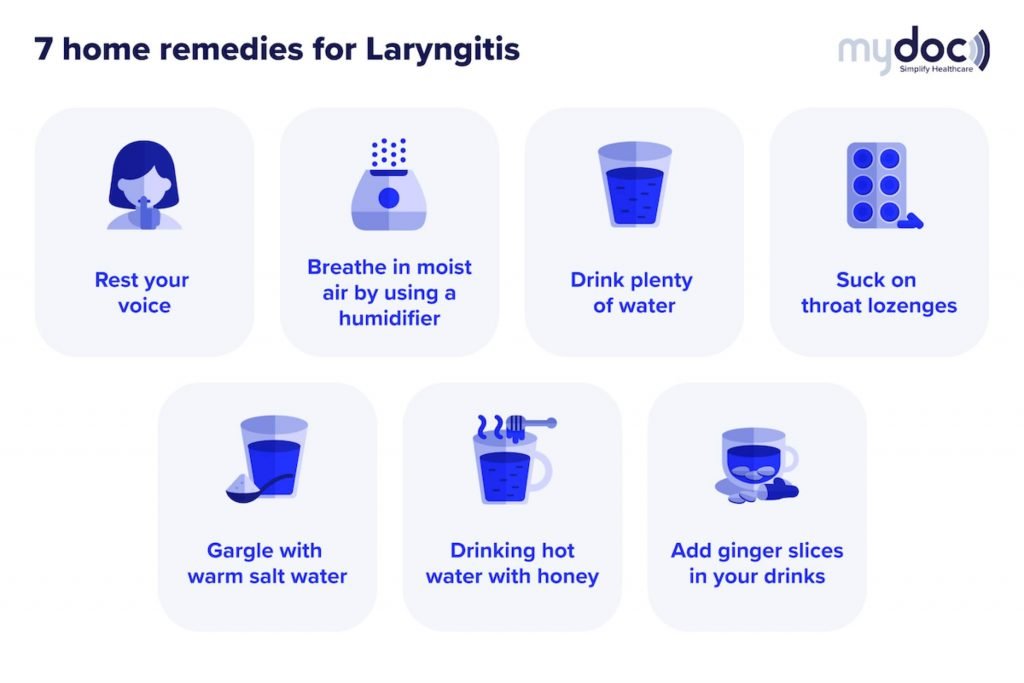
Maintain Proper Hydration
One of the simplest and most effective precautions you can take to prevent laryngitis is to maintain proper hydration. Good hydration helps keep the vocal cords lubricated and reduces the risk of vocal strain. Aim to drink at least 8 glasses of water per day and limit your intake of dehydrating beverages such as alcohol and caffeinated drinks.
Practice Good Vocal Hygiene
Practicing good vocal hygiene is essential for maintaining a healthy voice and preventing laryngitis. This includes speaking at a comfortable volume, avoiding throat clearing or coughing, and using proper breathing techniques when speaking or singing. Additionally, it is important to get regular voice rest and avoid excessive use of voice, especially in noisy environments.
Avoid Irritants
To protect your voice and reduce the risk of laryngitis, it is important to avoid irritants that can cause inflammation in the larynx. Common irritants include smoke, chemical fumes, and strong odors. If you work in an environment with irritants, consider wearing a mask or taking other precautions to minimize your exposure.
Get Adequate Rest
Rest is crucial for maintaining a healthy voice and preventing laryngitis. Make sure to get enough sleep each night and take breaks throughout the day to rest your voice. If you notice any signs of vocal fatigue or strain, such as hoarseness or soreness, it is important to take immediate action and rest your voice until symptoms subside.
Use Amplification Devices
If you frequently use your voice in noisy environments or for extended periods, consider using amplification devices to reduce vocal strain. These devices, such as microphones or voice amplifiers, can help project your voice without putting excessive stress on your vocal cords.
Quit Smoking
Smoking is not only harmful to your overall health but also increases your risk of developing laryngitis. If you are a smoker, quitting is the best thing you can do to protect your voice and reduce the risk of laryngitis. Seek support from healthcare professionals and use available resources to help you quit smoking.
Avoid Second-Hand Smoke
In addition to quitting smoking, it is important to avoid environments where you may be exposed to second-hand smoke. Second-hand smoke can be just as harmful to your voice as direct smoking, so make sure to protect yourself by staying away from smoke-filled areas.
Manage Acid Reflux
If you suffer from acid reflux, managing this condition is crucial for preventing laryngitis. Follow a healthy diet that avoids trigger foods, maintain a healthy weight, and elevate the head of your bed when sleeping to reduce acid reflux. If necessary, consult with your healthcare provider for additional treatment options or medication.
Seek Prompt Medical Attention for Infections or Allergies
If you develop any infections or allergies that affect your respiratory system, seek prompt medical attention. Follow proper treatment plans and take any prescribed medications or treatments to prevent complications such as laryngitis. Additionally, consider getting immunizations for viral infections such as the flu to reduce your risk of developing laryngitis.
By understanding the risk factors for laryngitis and taking these precautions, you can minimize your chances of developing this condition and maintain a healthy voice. Remember to practice good vocal hygiene, avoid irritants, and seek medical attention when necessary. Your voice is a valuable asset, so take care of it and enjoy clear and vibrant communication for years to come.