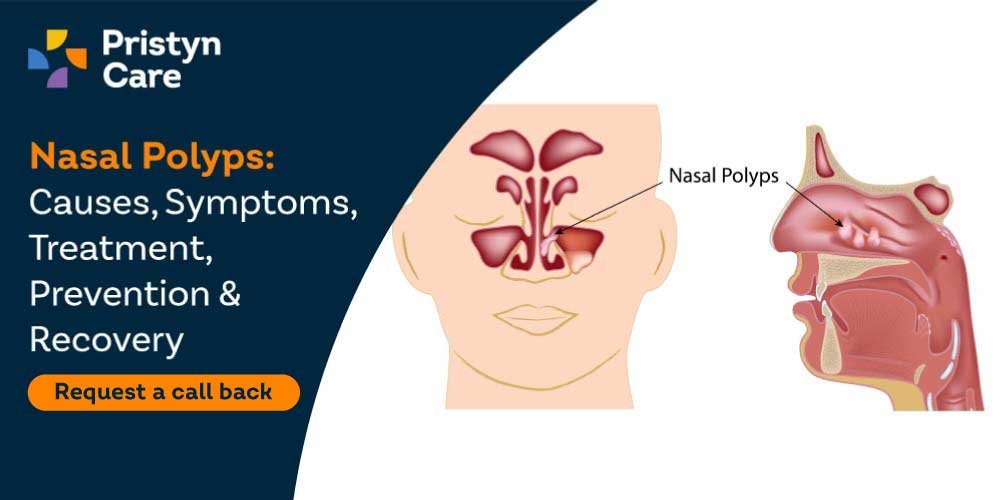
Nasal polyps, small growths that develop in the lining of the nasal passages, may not seem like a big deal at first. However, if left untreated, they can lead to a range of uncomfortable symptoms and potentially serious complications. In this article, we will explore the risk factors associated with nasal polyps and provide valuable precautions to minimize the chances of developing them. So, if you want to breathe easy and keep your nasal passages polyp-free, read on!

Risk Factors
Nasal polyps can be a bothersome condition that affects many individuals. While the exact cause of nasal polyps is not fully understood, there are certain risk factors that can increase your chances of developing them. Understanding these risk factors can help you take preventive measures and manage your condition effectively.
Age
Age is a significant risk factor for developing nasal polyps. While they can affect individuals of any age, they are more commonly seen in two age groups: elderly individuals and young adults. In elderly individuals, the risk of developing nasal polyps increases due to age-related changes in the nasal passages. Young adults, on the other hand, are more prone to nasal polyps due to hormonal changes and immune system variations.
Asthma
Asthma, an inflammatory condition of the airways, has been identified as a risk factor for nasal polyps. Asthma and nasal polyps often go hand in hand, as they both involve chronic inflammation. The persistent inflammation in the airways of asthmatic individuals can contribute to the development of nasal polyps. If you have asthma, it is important to be vigilant about managing your condition to minimize the risk of nasal polyps.
Allergic Rhinitis
Allergic rhinitis, also known as hay fever, is a common condition characterized by irritated nasal passages due to exposure to allergens. People with allergic rhinitis are more likely to develop nasal polyps. The persistent nasal inflammation caused by allergic rhinitis can lead to the formation of polyps. It is important for individuals with allergic rhinitis to take preventative measures and manage their symptoms effectively to reduce the risk of nasal polyps.
Chronic Sinusitis
Chronic sinusitis is a condition characterized by inflammation of the nasal and sinus passages. Recurrent infections and prolonged sinus congestion are common symptoms of chronic sinusitis. The chronic inflammation and recurrent infections associated with chronic sinusitis increase the risk of developing nasal polyps. Proper management of chronic sinusitis, including timely treatment of infections and alleviation of congestion, can help reduce the risk of nasal polyps.
Aspirin Sensitivity
Some individuals exhibit sensitivity to aspirin, leading to a condition known as Samter’s triad. This triad consists of asthma, aspirin sensitivity, and nasal polyps. Aspirin sensitivity can trigger nasal polyp development in susceptible individuals. If you are sensitive to aspirin or have experienced adverse reactions in the past, it is important to inform your healthcare provider. They can advise you on appropriate management strategies to avoid aspirin triggers and minimize the risk of nasal polyps.
Cystic Fibrosis
Cystic fibrosis is a genetic disorder that affects various organs, including the respiratory system. Excessive mucus production is a hallmark of cystic fibrosis, and this can lead to obstruction of the airways. Individuals with cystic fibrosis are at an increased risk of developing nasal polyps due to the excessive mucus and resulting blockages. Managing cystic fibrosis with appropriate treatments and therapies can help reduce the occurrence of nasal polyps.
Family History
A family history of nasal polyps can be a significant risk factor. Genetic predisposition plays a role in the development of nasal polyps, and if you have close family members who have had nasal polyps, you may be at an increased risk. While you cannot control your genetic makeup, being aware of your family history can help you take early preventive measures and seek appropriate medical attention if needed.
Gender
Gender can also influence the risk of developing nasal polyps. Studies have shown that males are more likely to develop nasal polyps than females. The reasons behind this gender disparity are still unclear, but hormonal differences and genetic factors may play a role. Regardless of your gender, being aware of the risk factors and taking necessary precautions is important for everyone.
Occupational Exposures
Certain occupational exposures can increase the risk of developing nasal polyps. Jobs that involve exposure to certain chemicals, irritants, or pollutants can irritate the nasal passages and increase inflammation, making individuals more susceptible to nasal polyps. If you work in an occupation with potential nasal irritants, it is crucial to take appropriate preventive measures, such as wearing protective gear, to minimize your risk of developing nasal polyps.
Nasal Polyp Recurrence
If you have previously had nasal polyps, you are at an increased risk of their recurrence. Nasal polyps tend to recur even after successful treatment, and the risk of recurrence depends on various factors such as the underlying cause, management strategies, and lifestyle choices. It is important to work closely with your healthcare provider to develop a comprehensive plan to manage your nasal polyps and reduce the chances of recurrence.

Lifestyle Changes
In addition to understanding the risk factors associated with nasal polyps, there are several lifestyle changes you can incorporate to help reduce your risk and manage the condition effectively.
Avoid Smoking
Smoking is a known irritant to the respiratory system and can worsen nasal inflammation. If you are a smoker, quitting smoking is highly recommended to reduce your risk of developing nasal polyps. Additionally, avoiding exposure to secondhand smoke is important as well, as it can have similar detrimental effects on the nasal passages.
Maintain a Healthy Diet
A healthy and balanced diet can provide the necessary nutrients to support a healthy immune system and reduce inflammation. Incorporating a variety of fruits, vegetables, whole grains, and lean proteins into your diet can help strengthen your immune system and promote overall health. Avoiding processed foods, excessive sugar, and unhealthy fats is also beneficial for reducing inflammation.
Exercise Regularly
Regular physical activity has numerous benefits for your overall health, including improving respiratory function and reducing inflammation. Engaging in moderate exercise for at least 30 minutes a day can help promote better respiratory health and reduce the risk of nasal polyps. Consult with your healthcare provider before starting any exercise regimen, especially if you have any underlying health conditions.
Manage Stress Levels
Chronic stress can weaken your immune system and worsen inflammation in the body. Finding healthy ways to manage stress, such as practicing relaxation techniques, engaging in hobbies, and maintaining a balanced work-life routine, can have positive effects on your overall health, including reducing the risk of nasal polyps.
By understanding the risk factors associated with nasal polyps and implementing lifestyle changes, you can take proactive steps to reduce your risk and manage the condition effectively. It is important to consult with your healthcare provider for personalized guidance and treatment plans tailored to your specific needs. With the right approach, you can minimize the impact of nasal polyps on your quality of life and maintain optimal respiratory health.