
Have you ever experienced an itchy, red rash and wondered what may have caused it? In this article, we will explore the risk factors associated with rashes and the necessary precautions you can take to prevent and manage them. From allergies and irritants to underlying health conditions, understanding the potential triggers of a rash is essential for maintaining healthy, comfortable skin. By implementing a few simple precautions, you can keep your skin rash-free and enjoy a more comfortable and confident life.
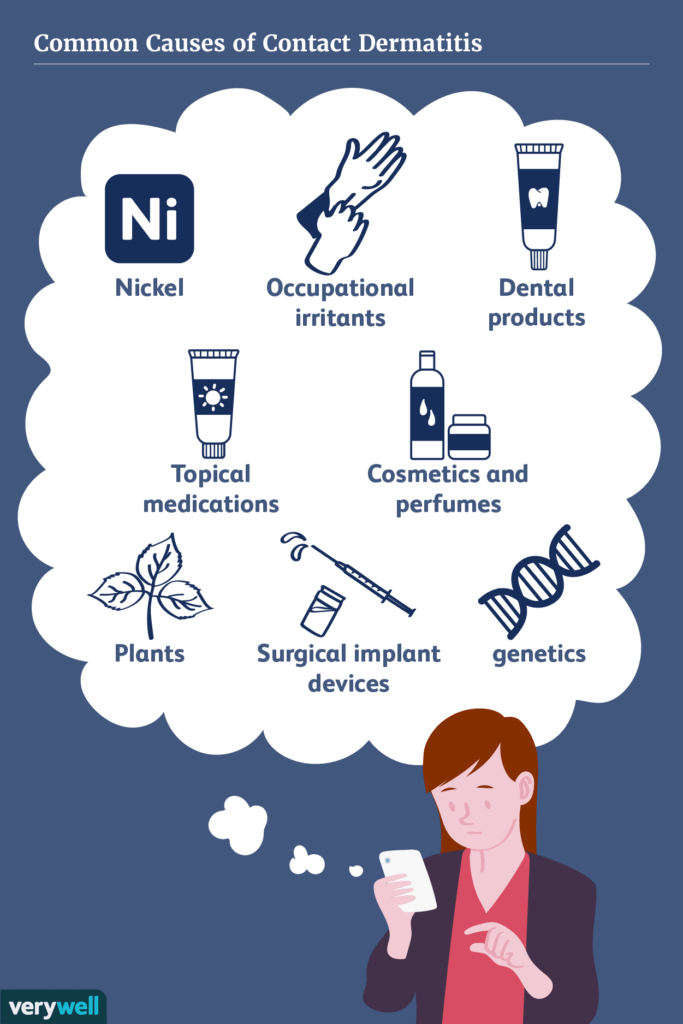
Risk Factors for Rash
Age
Age plays a significant role in determining the risk of developing a rash. Infants and young children are more prone to rashes due to their developing immune systems and delicate skin. As we age, the skin becomes thinner, drier, and more susceptible to irritants, making older adults more vulnerable to rashes. However, rashes can affect individuals of any age, so it is essential to take precautions to minimize the risk.
Skin Type and Sensitivity
Your skin type and sensitivity can impact your susceptibility to rashes. Individuals with dry skin are more likely to experience rashes due to the lack of protective skin oils. On the other hand, those with oily skin are prone to acne breakouts, which can lead to rashes. Additionally, people with highly sensitive skin may react more strongly to certain allergens or irritants, increasing the chances of developing a rash.
Allergies
Having allergies significantly increases the risk of developing a rash. Allergens like certain foods, pollen, dust mites, or pet dander can trigger allergic reactions in susceptible individuals, leading to skin rashes. It’s important to identify your allergies and take necessary precautions, such as avoiding exposure to allergens and seeking medical advice if needed, to prevent rashes caused by allergies.
Environmental Factors
Environmental factors play a vital role in triggering rashes. Exposure to extreme weather conditions, such as excessive heat or cold, can cause skin irritations and dryness that may result in rashes. Common environmental irritants like harsh chemicals, soaps, detergents, or even certain fabrics can also lead to rashes. Taking precautions, such as using gentle skincare products and wearing appropriate clothing, can help minimize the risk associated with these environmental factors.
Medical Conditions
Certain medical conditions can increase the likelihood of developing rashes. Chronic illnesses like eczema, psoriasis, or dermatitis make the skin more sensitive and prone to rashes. Autoimmune disorders, such as lupus or HIV/AIDS, can also cause rashes as a symptom. Additionally, hormonal imbalances, like those during pregnancy or menopause, can contribute to skin changes and rashes. If you have any underlying medical conditions, it’s crucial to manage them effectively to reduce the risk of developing rashes.
Medications
Certain medications, such as antibiotics, diuretics, or nonsteroidal anti-inflammatory drugs (NSAIDs), may have side effects that include rashes. These rashes can range from mild to severe and may require immediate medical attention. It is vital to consult with your healthcare provider about any potential side effects of the medications you are taking and seek appropriate alternatives if necessary.
Poor Hygiene
Poor hygiene practices can also contribute to the development of rashes. Not keeping the skin clean and dry can create a breeding ground for bacteria, fungi, and other microorganisms that can cause infections and rashes. It is essential to maintain good hygiene habits, such as daily bathing, using clean towels and clothing, and regularly washing hands, to minimize the risk of developing rashes.
Stress
Stress can have a significant impact on the health of our skin. When we are stressed, our body releases stress hormones that can disrupt the balance of our skin and make it more susceptible to rashes. Additionally, stress can worsen existing skin conditions like eczema or psoriasis, causing flare-ups. Incorporating stress management techniques, such as meditation, exercise, or engaging in hobbies, can help reduce stress levels and minimize the risk of developing stress-induced rashes.
Occupational Hazards
Certain occupations may expose individuals to hazardous materials or conditions that can increase the risk of developing rashes. For example, healthcare workers who frequently use gloves or come into contact with chemicals may develop contact dermatitis. Construction workers working with cement or other irritants may develop irritant contact dermatitis. It is important for individuals in such occupations to take necessary precautions like wearing protective clothing, gloves, or using barrier creams to minimize the risk of rash development.
Family History
Family history can play a role in determining your susceptibility to developing rashes. Certain skin conditions like eczema, psoriasis, or allergies can have a genetic component, meaning that if someone in your family has had these conditions, you may be more likely to develop rashes as well. Knowing your family’s medical history can help you take preventive measures and seek appropriate medical attention if needed to manage and minimize the risk of developing rashes.

Precautions for Rash
Keep Skin Clean and Dry
Maintaining cleanliness and dryness is crucial in preventing and managing rashes. Regularly washing your skin with mild, fragrance-free cleansers and patting it dry can help remove dirt, sweat, and bacteria that can contribute to rashes. It is important to avoid overwashing or using harsh soaps that can strip away natural oils, as this can lead to dryness and irritation.
Avoid Triggers and Irritants
Identifying and avoiding triggers and irritants that can cause rashes is essential. These can include certain fabrics, chemical-laden skincare or laundry products, specific foods, or environmental factors like extreme temperature or humidity. Paying attention to what exacerbates your skin and avoiding those triggers can help minimize the risk of developing rashes.
Moisturize Regularly
Regular moisturization is vital in maintaining healthy skin and preventing rashes. Applying a suitable moisturizer immediately after bathing or showering helps lock in moisture and maintain the skin’s natural barrier. Opt for fragrance-free and hypoallergenic moisturizers that suit your skin type to avoid any potential irritations or allergic reactions.
Wear Protective Clothing
Wearing appropriate protective clothing can act as a barrier between your skin and potential irritants or allergens. When engaging in outdoor activities or occupations that may expose you to hazards, consider wearing long-sleeved shirts, pants, gloves, or even applying sunscreen to shield your skin from harmful UV rays. Additionally, wearing loose-fitting and breathable clothing can help prevent excessive sweating and irritation that may lead to rashes.
Practice Sun Safety
Protecting your skin from the sun’s harmful rays is crucial in preventing various skin conditions, including rashes. Apply and reapply sunscreen with at least SPF 30, wear a hat or use an umbrella to provide shade, and seek shade during peak sun hours. Sunburns can not only cause immediate discomfort but also make the skin more prone to rashes and other issues in the long run.
Maintain Healthy Lifestyle
Adopting a healthy lifestyle can have a positive impact on your skin’s health and reduce the risk of rashes. Ensure you get an adequate amount of sleep, eat a balanced diet rich in vitamins and minerals, exercise regularly, and avoid smoking and excessive alcohol consumption. These lifestyle choices can improve your overall well-being and enhance your skin’s ability to withstand irritants and infections.
Avoid Sharing Personal Items
Sharing personal items, such as towels, razors, or makeup brushes, can transfer bacteria, fungi, or viruses and increase the risk of developing rashes. It is important to use your own personal items and avoid sharing them with others, especially in communal places like gyms or public restrooms. This simple precautionary measure can significantly reduce the chances of skin infections and rashes.
Stay Hydrated
Keeping your body hydrated is crucial for maintaining healthy skin. Drinking an adequate amount of water helps flush out toxins, keeps the skin supple, and prevents dryness, which can result in rashes. Aim to drink at least eight glasses of water per day, and increase your intake during hotter weather or when engaging in physical activities that cause sweating.
Manage Stress
As discussed earlier, stress can contribute to the development of rashes. Therefore, it is essential to find effective ways to manage stress levels. Engaging in activities like yoga, meditation, deep breathing exercises, or pursuing hobbies can help you relax and reduce stress. Seeking support from friends, family, or professional counselors can also be beneficial in managing stress and its impact on your skin.
Follow a Healthy Diet
Maintaining a healthy diet can improve your overall skin health and reduce the risk of developing rashes. Include foods rich in antioxidants, vitamins, and omega-3 fatty acids, such as fruits, vegetables, fish, and nuts, in your diet. Avoid excessive consumption of processed foods, sugary snacks, and beverages as they can cause inflammation and negatively impact your skin. A well-balanced and nutritious diet can support your skin’s integrity and minimize the likelihood of rashes.
In conclusion, understanding the risk factors and taking necessary precautions can go a long way in preventing rashes. By adopting good hygiene practices, avoiding triggers and irritants, moisturizing regularly, wearing protective clothing, practicing sun safety, maintaining a healthy lifestyle, avoiding the sharing of personal items, staying hydrated, managing stress, and following a healthy diet, you can significantly reduce the risk of developing rashes and promote optimal skin health. Remember, taking care of your skin is a lifelong commitment, and these precautions are essential for maintaining healthy and rash-free skin.
