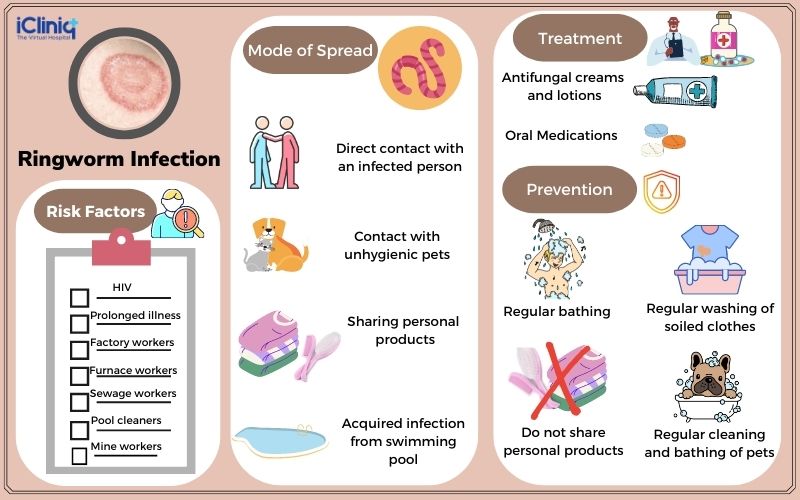
You never know when you might come across a tiny, stubborn fungal infection called ringworm. But don’t worry, we’ve got you covered! In this article, we’ll take a friendly look at the risk factors that make you more susceptible to ringworm and the precautions you can take to keep the pesky fungus at bay. So grab a cup of tea, get comfy, and let’s dig into the world of ringworm and how to protect yourself from it.

Risk Factors
Pets and animals
Having pets or regular contact with animals can increase your risk of contracting ringworm. This is because ringworm is a fungal infection that can easily spread through direct contact with infected animals. Dogs and cats, in particular, are common carriers of ringworm. Therefore, if you have furry companions at home or frequently interact with animals, it’s important to take extra precautions to prevent the transmission of ringworm.
Direct contact with infected individuals
Another significant risk factor for ringworm is direct contact with infected individuals. Ringworm can easily spread from person to person through skin-to-skin contact. This can occur during activities such as hugging, shaking hands, or participating in activities that involve close physical contact. Therefore, it’s crucial to be mindful of your interactions with individuals who are known to have ringworm or any skin infections.
Participating in contact sports
Engaging in contact sports, such as wrestling or rugby, can increase your risk of contracting ringworm. These sports involve close physical contact with teammates and opponents, creating an environment conducive to the transmission of ringworm. The shared equipment and communal spaces common in contact sports also contribute to the spread of the infection. If you participate in contact sports, it’s essential to take preventive measures to minimize the risk of ringworm transmission.
Living in crowded or close quarters
Living in crowded or close quarters, such as dormitories or shared housing, can increase your risk of ringworm. The close proximity of individuals in these settings makes it easier for the fungus to spread from person to person. Additionally, limited ventilation and communal facilities can further facilitate the transmission of ringworm. If you find yourself living in such an environment, it’s important to be vigilant about practicing good hygiene and taking necessary precautions.
Wearing tight or sweaty clothing
Wearing tight or sweaty clothing can create a favorable environment for ringworm to thrive. Tight fabrics can cause excessive moisture and friction, creating the ideal conditions for fungal growth. Similarly, excessive sweating can contribute to increased humidity on the skin, providing a breeding ground for ringworm. To reduce the risk of contracting ringworm, it is advisable to wear loose and breathable clothing, particularly in warm and humid climates or during intense physical activities.
Having a weakened immune system
Individuals with weakened immune systems are more susceptible to various infections, including ringworm. Conditions such as HIV/AIDS, certain cancers, or undergoing immune-suppressing treatments increase the likelihood of developing ringworm. A weakened immune system makes it more challenging for the body to fight off fungal infections. Therefore, individuals with compromised immune systems should exercise extra caution and follow preventive measures diligently.
Using public facilities
Frequent use of public facilities, such as public showers, swimming pools, or gyms, can increase the risk of ringworm. These shared spaces create opportunities for direct contact with contaminated surfaces or individuals who might be carriers of the infection. Therefore, it’s advisable to practice good hygiene, including wearing appropriate footwear and using personal towels or mats when using public facilities. Additionally, ensuring that these facilities maintain proper cleanliness and disinfection protocols is essential in preventing the spread of ringworm.
Sharing personal items
Sharing personal items, such as clothing, towels, hairbrushes, or combs, can increase the risk of ringworm transmission. The fungal spores responsible for ringworm can easily attach to these items and be passed on to others. To minimize the risk, it is important to avoid sharing personal items, particularly with individuals who have known or suspected ringworm infections. Additionally, regularly washing and disinfecting personal items can help prevent the spread of ringworm.
Working in a high-risk environment
Certain occupations or industries may put individuals at an increased risk of ringworm. Jobs that involve frequent contact with animals, such as veterinary clinics or animal shelters, can expose individuals to the fungal spores responsible for ringworm. Similarly, careers that require close physical contact with others, such as healthcare professions or childcare providers, can also increase the risk of contracting ringworm. In these high-risk environments, it becomes crucial to implement strict hygiene practices and preventive measures to protect oneself and others.
Age
While ringworm can occur at any age, certain age groups may be more vulnerable to the infection. Children, in particular, are more prone to ringworm due to their frequent contact with animals, participation in contact sports, and the close quarters often found in childcare settings or schools. Moreover, older adults with weakened immune systems may also be at a higher risk of developing ringworm. Understanding the association between age and the risk of ringworm can help individuals take appropriate precautions and preventive measures to protect themselves and others.

Precautions
Maintaining good hygiene practices
Practicing good hygiene is crucial in preventing the spread of ringworm. This includes regular bathing with soap and water, especially after participating in physical activities that may cause sweating. It is also important to keep the affected areas clean and dry, as moist environments provide an optimal breeding ground for fungal infections. By maintaining good hygiene practices, you can significantly reduce the risk of contracting ringworm.
Avoiding direct contact with infected individuals
To minimize the risk of ringworm transmission, it is essential to avoid direct contact with individuals who have known or suspected ringworm infections. Minimizing skin-to-skin contact, sharing personal items, or participating in activities that may involve direct contact can help prevent the spread of the infection. If you come into contact with someone with ringworm, it is advisable to wash your hands thoroughly immediately afterwards.
Washing hands regularly
Frequent handwashing is one of the most effective ways to prevent the spread of ringworm. It is important to wash your hands with soap and water for at least 20 seconds, particularly after using the bathroom, touching animals, or coming into contact with potentially contaminated surfaces. Additionally, using hand sanitizers with at least 60% alcohol can provide an alternative when soap and water are not readily available.
Wearing loose and breathable clothing
Choosing loose and breathable clothing can help minimize the risk of ringworm. Loose-fitting fabrics allow for better airflow and reduce the likelihood of excessive moisture and friction on the skin. This creates an unfavorable environment for fungal growth. Additionally, wearing moisture-wicking fabrics during physical activities can help keep the skin dry and reduce the risk of ringworm.
Keeping living spaces clean and well-ventilated
Maintaining clean and well-ventilated living spaces can help prevent the spread of ringworm within your home. Regularly cleaning and disinfecting surfaces, particularly in shared spaces, can eliminate fungal spores and reduce the risk of transmission. Adequate ventilation ensures proper airflow, minimizing moisture buildup and creating an inhospitable environment for fungal growth.
Avoiding sharing personal items
As previously mentioned, sharing personal items can increase the risk of ringworm transmission. Therefore, it is essential to avoid sharing items such as clothing, towels, hairbrushes, or combs with others, particularly with individuals who have known or suspected ringworm infections. By using personal items exclusively, you can reduce the chances of coming into contact with fungal spores.
Keeping pets and animals clean and treated for ringworm
If you have pets or regularly interact with animals, it is crucial to keep them clean and treated for ringworm. Regular grooming and bathing of pets can help eliminate fungal spores from their fur and reduce the risk of transmission. It is also advisable to consult a veterinarian for appropriate prevention and treatment measures for ringworm in animals.
Avoiding contact with contaminated surfaces
Ringworm can survive on contaminated surfaces, such as bedding, furniture, or gym equipment, for an extended period. To reduce the risk of infection, it is important to avoid direct contact with potentially contaminated surfaces. Regularly cleaning and disinfecting these surfaces can help eliminate fungal spores and prevent the spread of ringworm.
Strengthening the immune system through a healthy lifestyle
Maintaining a healthy lifestyle can help strengthen your immune system, reducing the risk of contracting ringworm. This includes eating a balanced diet rich in fruits, vegetables, and whole grains, getting regular exercise, avoiding smoking, limiting alcohol consumption, and managing stress. A strong immune system is better equipped to fight off and prevent various infections, including ringworm.
Being cautious in high-risk environments
If you work in or frequent high-risk environments, such as veterinary clinics, healthcare facilities, or gyms, it is essential to be extra cautious. This includes following strict hygiene protocols, wearing appropriate personal protective equipment, and practicing preventive measures diligently. Awareness of the potential risk in these environments can help you take necessary precautions to protect yourself and others from ringworm.
In conclusion, understanding the risk factors and taking appropriate precautions for ringworm is crucial in preventing the transmission of this fungal infection. By being mindful of your surroundings, practicing good hygiene, and following preventive measures, you can significantly reduce the risk of contracting ringworm and promote a healthier, ringworm-free lifestyle.