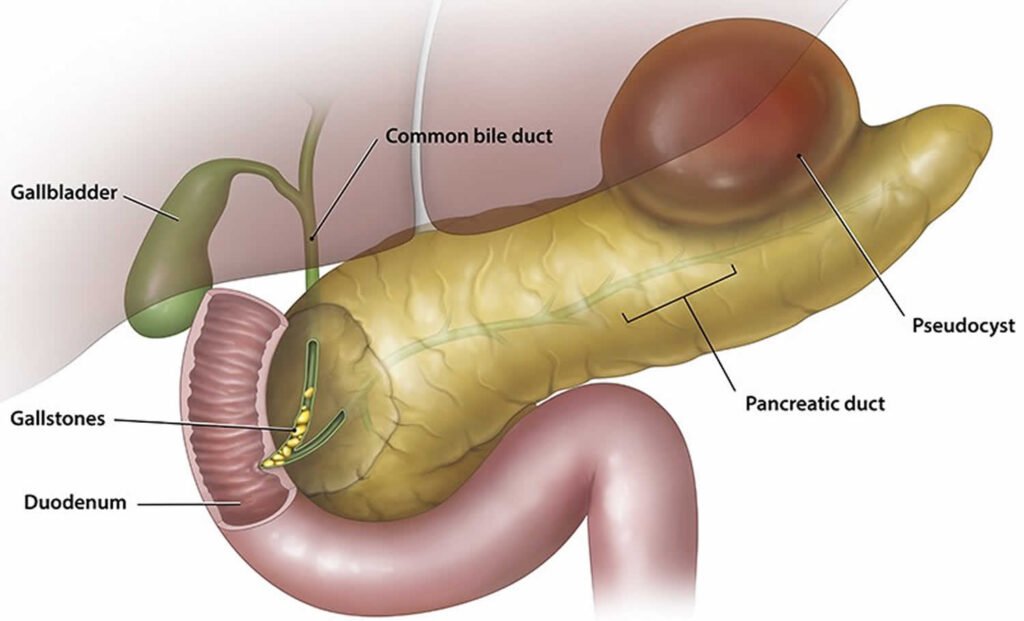
Are you familiar with pseudocysts and the potential risks they pose? In this article, we will explore the various risk factors associated with pseudocysts and provide you with essential precautions to mitigate their development. By understanding these factors and taking the necessary precautions, you can safeguard your health and reduce the likelihood of developing this condition. So, let’s dive in and explore everything you need to know about the risk factors and precautions for pseudocysts.
Risk Factors
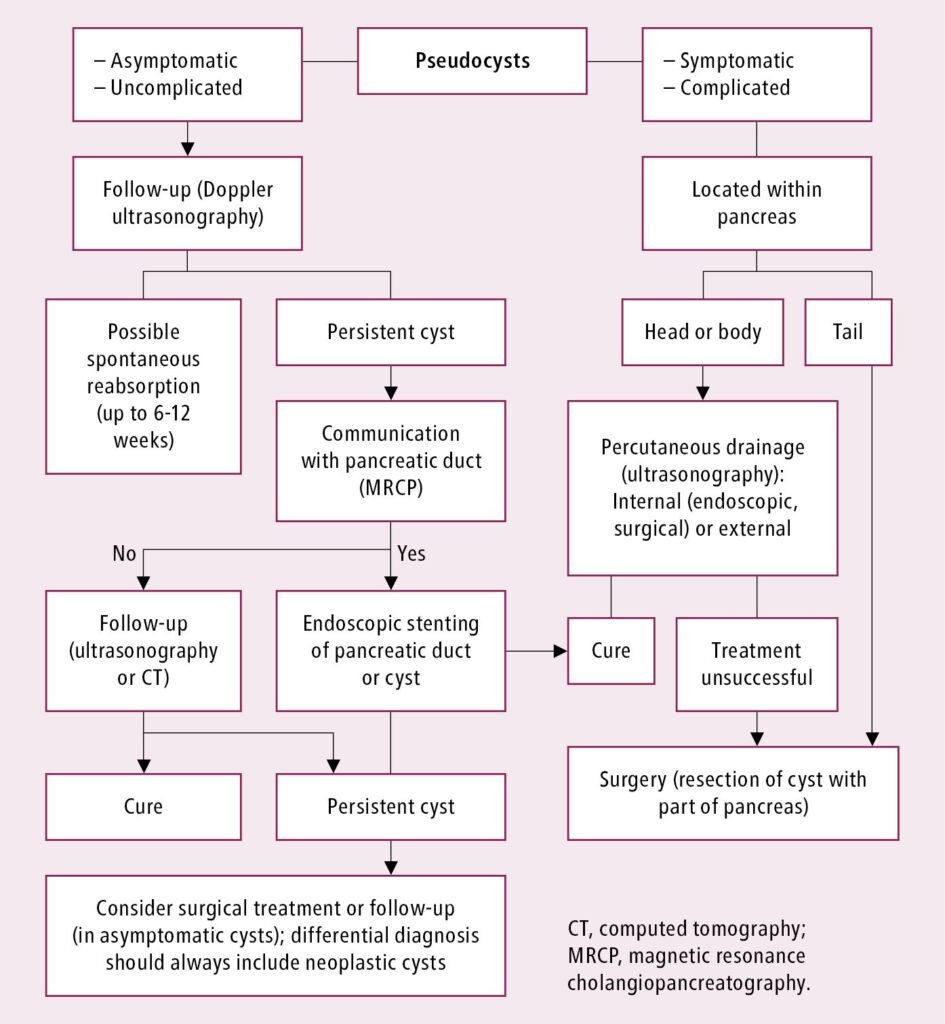
Pseudocysts are fluid-filled sacs that can develop in the pancreas. While the exact cause of pseudocysts is not always known, there are certain risk factors that have been identified. By understanding these risk factors, you can take precautions to reduce your chances of developing pseudocysts.
Alcoholism
Excessive alcohol consumption is a significant risk factor for developing pseudocysts. When you consume alcohol in large amounts, it damages the pancreas and impairs its ability to function properly. Over time, this can lead to the formation of pseudocysts. To minimize your risk, it is important to avoid excessive alcohol consumption. Limit your alcohol intake to moderate levels or abstain from alcohol altogether.
Chronic Pancreatitis
Chronic pancreatitis is a condition characterized by long-term inflammation of the pancreas. This inflammation can result in the formation of pseudocysts. If you have chronic pancreatitis, it is important to take steps to prevent the development of pseudocysts. Regular monitoring and management of your condition will help to minimize the risk.
Gallstones
Gallstones are hardened deposits that form in the gallbladder or bile ducts. In some cases, gallstones can block the bile ducts and cause inflammation of the pancreas. This inflammation, known as pancreatitis, can lead to the formation of pseudocysts. Prompt treatment of gallstones is essential to prevent the development of pseudocysts. If you have a history of gallstones, it is important to consult with your healthcare provider to ensure proper management and reduce your risk.
Trauma or Injury to the Pancreas
Accidents or injuries that affect the pancreas can trigger the development of pseudocysts. Trauma to the abdomen, such as from a car accident or a fall, can damage the pancreas and lead to the formation of pseudocysts. Proper management of pancreatic trauma is crucial in minimizing the risk. If you have experienced trauma or injury to the pancreas, it is important to seek medical attention and follow any recommendations for monitoring and treatment.
Certain Medications
Certain medications, such as certain immunosuppressants or steroids, may increase the risk of developing pseudocysts. These medications can affect the function of the pancreas and contribute to the formation of pseudocysts. If you are taking these medications, it is important to be closely monitored by your healthcare provider. They can assess your risk and provide appropriate management to minimize the chances of pseudocyst formation.
Cystic Fibrosis
Cystic fibrosis is a genetic condition that affects various organs, including the pancreas. Individuals with cystic fibrosis have a higher likelihood of developing pseudocysts due to pancreatic dysfunction. Specialized care is necessary to manage the risk in cystic fibrosis patients. Regular monitoring and treatment for cystic fibrosis can help minimize the chances of pseudocyst formation.
Precautions
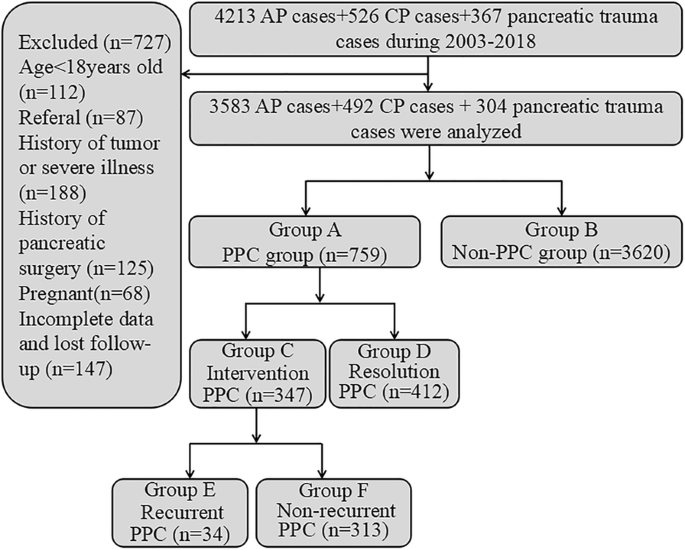
While it may not always be possible to completely eliminate the risk of developing pseudocysts, there are precautions you can take to reduce your risk.
Avoid Excessive Alcohol Consumption
Excessive alcohol consumption is a major risk factor for pseudocyst development. To reduce your risk, it is important to limit your alcohol intake to moderate levels or abstain from alcohol altogether. If you find it difficult to limit or control your alcohol consumption, it may be necessary to seek help for alcohol abuse or addiction. There are resources available to assist you in making positive changes and reducing your risk of pseudocysts.
Take Steps to Prevent Pancreatitis
Chronic pancreatitis is another risk factor for developing pseudocysts. To prevent pancreatitis, it is important to maintain a healthy lifestyle. This includes avoiding excessive alcohol consumption, maintaining a healthy weight, and eating a balanced diet. It is also recommended to avoid smoking, as it can increase the risk of pancreatitis. By taking these steps, you can reduce your risk of developing pseudocysts.
Maintain a Healthy Weight
Maintaining a healthy weight is important for overall health and can also help reduce the risk of pseudocysts. Obesity is a risk factor for numerous health conditions, including pancreatic problems. By adopting a healthy eating plan and engaging in regular physical activity, you can achieve and maintain a healthy weight. Consult with your healthcare provider or a registered dietitian for personalized recommendations.
Eat a Balanced Diet
A balanced diet is essential for good health and can also contribute to reducing the risk of pseudocysts. Include a variety of fruits, vegetables, whole grains, lean proteins, and healthy fats in your diet. Limit your intake of processed foods, sugary beverages, and foods high in saturated and trans fats. A healthy diet can support proper pancreatic function and minimize the risk of developing pseudocysts.
Exercise Regularly
Regular physical activity is not only beneficial for maintaining a healthy weight but also for promoting proper pancreatic function. Engaging in aerobic exercises, strength training, or other forms of exercise as recommended by healthcare professionals can help reduce the risk of pseudocysts. Aim for at least 150 minutes of moderate-intensity activity per week, or 75 minutes of vigorous-intensity activity. Remember to consult with your healthcare provider before starting any exercise program, especially if you have any underlying medical conditions.
Taking precautions to reduce your risk of developing pseudocysts is important for your overall health and well-being. By avoiding excessive alcohol consumption, taking steps to prevent pancreatitis, maintaining a healthy weight, eating a balanced diet, and exercising regularly, you can minimize your chances of developing pseudocysts. Remember to consult with your healthcare provider for personalized advice and recommendations based on your individual risk factors and medical history.